Strongest Wood Glue for Furniture: Real PSI Numbers Compared
Among common PVA wood glues sold at hardware stores, Titebond III has the highest published bond strength at roughly 4,000 PSI and is the only one of the Titebond line fully waterproof (ANSI/HPVA Type I rated). Titebond II follows at about 3,750 PSI with water-resistant (not waterproof) Type II performance, and original Titebond runs around 3,600-4,000 PSI for indoor-only use. For structural or gap-filling joints beyond what any PVA handles well, epoxy remains the stronger choice, but among off-the-shelf wood glues, Titebond III is the real strength leader.
Real PSI Numbers, Not Marketing Claims
The Strongest PVA on the Shelf
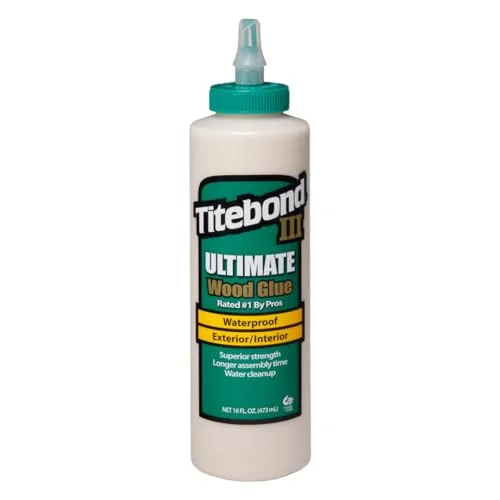 |
Titebond III Ultimate Wood Glue, 16 oz – $9.58 Roughly 4,000 PSI bond strength and fully waterproof (ANSI/HPVA Type I) — the strongest common PVA wood glue on the market.
|
PSI (pounds per square inch) bond strength ratings come from standardized shear-strength testing, and they’re a genuinely comparable number across brands when manufacturers publish them — unlike vague marketing terms like “extra strong” or “professional grade.” Titebond III’s ~4,000 PSI figure and Type I waterproof rating are both independently meaningful specs, not just brand positioning; Gorilla Wood Glue (the PVA formula, not original Gorilla Glue) rates lower, around 3,600 PSI, with water-resistant but not fully waterproof performance.
PVA vs. Epoxy: Different Jobs, Different Strength Ceilings
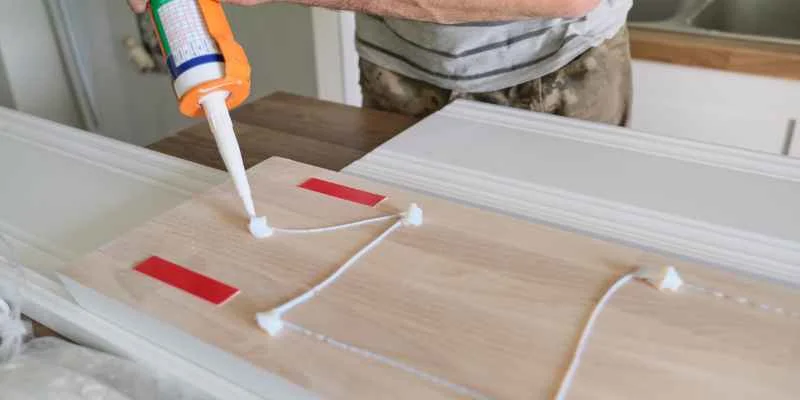
PVA glue (the Titebond and Gorilla Wood Glue family) requires a tight, well-fitted joint with good clamping pressure — it doesn’t fill gaps well, and a loose joint will be weaker regardless of which PVA brand is used. Epoxy, by contrast, is gap-filling and can exceed PVA’s PSI ratings on a properly prepared joint, making it the better choice for structural repairs, imperfect-fitting joints, or outdoor furniture facing sustained wet conditions beyond what Titebond III’s waterproof rating is tested for.
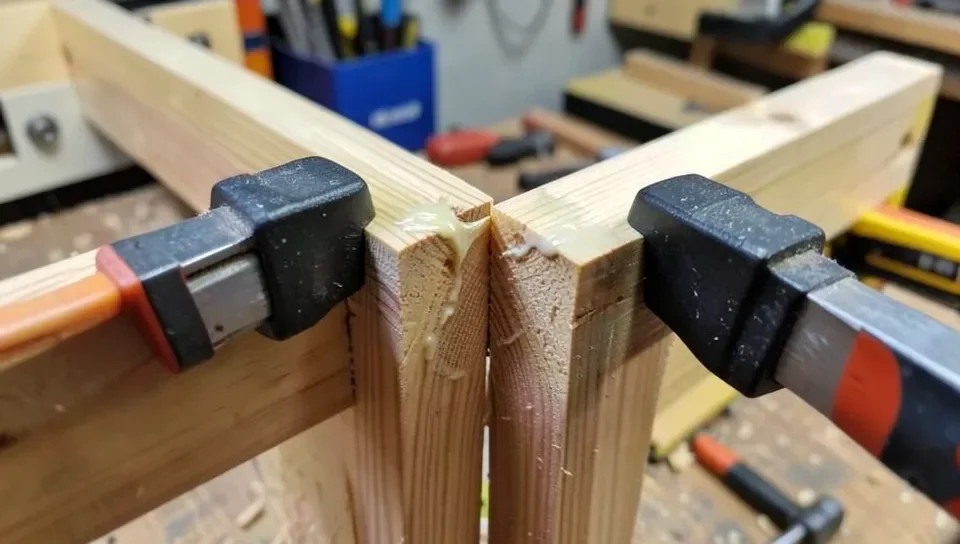
Why Joint Prep Matters More Than Glue Choice Alone
A glue’s published PSI rating assumes a well-prepared, tightly-fitted joint under proper clamping pressure — a sloppy or gapped joint will fail well below any glue’s rated strength, regardless of brand. Wood species also matters: a properly glued joint in most hardwoods will typically fail in the wood itself before the glue line fails, meaning glue strength beyond a certain point stops being the limiting factor compared to the wood’s own strength.
Frequently Asked Questions
What’s the actual strongest wood glue for furniture?
Among common PVA wood glues, Titebond III rates highest at roughly 4,000 PSI and is fully waterproof. For gap-filling or structural repairs, epoxy can exceed this.
Is Titebond III actually stronger than Titebond II?
Yes. Titebond III rates around 4,000 PSI and is fully waterproof (Type I), while Titebond II rates about 3,750 PSI and is only water-resistant (Type II), not waterproof.
Does a stronger glue rating matter if the joint isn’t well-fitted?
Not much. PSI ratings assume a tight, properly clamped joint. A loose or gapped joint fails well below the glue’s rated strength regardless of which brand is used.
Conclusion
Titebond III is the real strength leader among off-the-shelf PVA wood glues, with genuine PSI and waterproof-rating data behind that claim, not just marketing language. For most furniture joints, proper fit and clamping pressure matter as much as which specific glue you choose.
Sponsored / affiliate links. As an Amazon Associate I earn from qualifying purchases. I may earn additional commission from eligible campaigns.