How Long is Firewood Cut: Quick Tips for Best Burn
Firewood is typically cut into lengths of 16 inches, although sizes can vary based on personal preference and stove requirements. Standard dimensions often range from 12 to 20 inches.
Firewood serves as a primary fuel source for many households, especially in colder climates. The right length is crucial for efficient burning and easy handling. Most wood stoves and fireplaces are designed to accommodate firewood cut to specific sizes. Choosing the appropriate length ensures optimal air circulation and heat output, making your fire more effective.
Understanding the standard lengths helps you prepare for winter and maintain your heating system. Whether you’re stocking up for the season or preparing for a cozy evening, knowing how long to cut your firewood can enhance your experience.
Ideal Length For Firewood
Choosing the right length for firewood is essential. The ideal size affects burning efficiency and heat output. Properly cut firewood ensures a warm and cozy fire.
Factors Influencing Size
Several factors determine the ideal length for firewood. These include:
- Burning Stove Type: Different stoves require different lengths.
- Storage Space: Limited space may require shorter logs.
- Wood Species: Hardwoods may need longer pieces for best performance.
- Moisture Content: Drier wood burns better and may need shorter cuts.
Common Lengths
Firewood is typically cut in standard lengths. Here are the most common sizes:
| Length (inches) | Usage |
|---|---|
| 12 | Ideal for small fireplaces and stoves. |
| 16 | Commonly used for outdoor fire pits. |
| 18 | Great for larger wood stoves. |
| 24 | Best for traditional fireplaces. |
Choosing the right length enhances burning quality. Consider your firewood needs for the best results.
Types Of Wood And Burn Rate
Choosing the right firewood affects your burn rate and heat output. Understanding wood types helps you make an informed decision. Here’s a breakdown of hardwoods and softwoods, along with their seasoning times.
Hardwoods Vs. Softwoods
Hardwoods and softwoods differ significantly in burn quality.
- Hardwoods:
- Dense and heavy.
- Burns longer and hotter.
- Examples: Oak, Maple, and Cherry.
- Softwoods:
- Lighter and less dense.
- Burns quickly, producing less heat.
- Examples: Pine, Cedar, and Fir.
| Type of Wood | Density | Heat Output | Burn Time |
|---|---|---|---|
| Hardwood | High | High | Long |
| Softwood | Low | Medium | Short |
Seasoning Time
Seasoning wood is crucial for effective burning. Properly seasoned wood burns better. Here are some key points about seasoning:
- Hardwoods: Require 6 to 12 months to season.
- Softwoods: Season in 4 to 6 months.
- Store wood in a dry, well-ventilated area.
Seasoned wood has lower moisture content. This results in higher heat output and less smoke.
Cutting Techniques For Efficient Burning
Cutting firewood properly boosts efficiency and burns better. Understanding the right lengths and techniques is key. Here, we explore tools and safety tips for optimal firewood cutting.
Tools You Need
Using the right tools makes cutting firewood easier. Here’s a list of essential tools:
- Chainsaw: Fast and efficient for large logs.
- Axe: Great for smaller pieces.
- Splitting Maul: Ideal for splitting wood.
- Hand Saw: Useful for quick cuts.
- Protective Gear: Helmets, gloves, and goggles for safety.
Safety Tips
Safety is crucial when cutting firewood. Follow these tips to stay safe:
- Wear Protective Gear: Always use gloves and goggles.
- Check Tools: Inspect tools before use.
- Clear the Area: Remove obstacles around the cutting zone.
- Use Proper Techniques: Stand firm and maintain control.
- Stay Focused: Avoid distractions while cutting.
These tools and safety tips ensure efficient and safe firewood cutting. Proper techniques lead to better burning in your fireplace.
Seasoning: The Key To Perfect Firewood
Seasoning firewood is crucial for a good burn. Properly seasoned wood burns hotter and cleaner. It also produces less smoke and creosote. This leads to safer and more efficient fires.
How To Season Wood
Seasoning wood involves drying it out. Follow these steps for the best results:
- Cut wood to the desired length.
- Split the wood into smaller pieces.
- Stack wood in a sunny, windy spot.
- Leave space between the logs for air circulation.
- Cover the top with a tarp to keep it dry.
Ideal seasoning time is 6 to 12 months. Check for moisture content below 20% for optimal burning.
Storage Solutions
Proper storage ensures wood stays dry. Consider these tips for effective storage:
- Use a wood shed for protection.
- Stack wood off the ground on pallets.
- Ensure good airflow around the stack.
- Avoid storing under trees to prevent moisture.
Here’s a quick reference table for ideal firewood storage:
| Storage Method | Pros | Cons |
|---|---|---|
| Wood Shed | Protects from rain and snow | Can be expensive to build |
| Pallet Stacking | Allows air circulation | Wood may still get wet |
| Tarps | Inexpensive and easy to use | Must be secured to prevent blowing off |
Stacking Strategies For Optimal Airflow
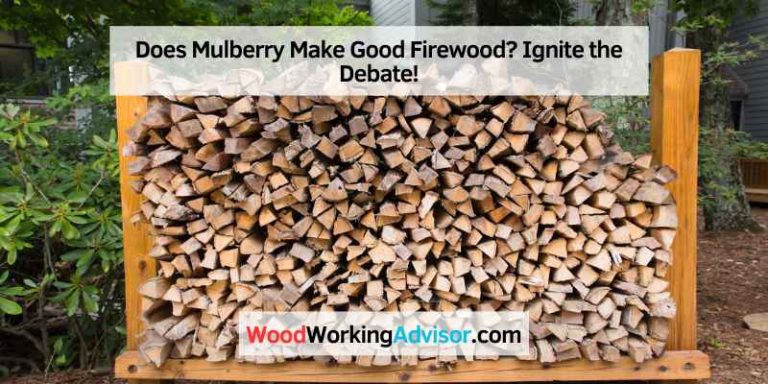
Proper stacking of firewood ensures optimal airflow. Good airflow speeds up drying. It also prevents mold and rot. Follow these strategies for the best results.
Best Practices
Here are some best practices for stacking firewood:
- Choose a sunny spot: Place stacks where sunlight hits.
- Use a stable base: Start with a flat surface. Use pallets or logs.
- Stack wood in rows: Keep logs parallel and tight.
- Leave space between logs: Allow air to flow freely.
- Cover the top: Use a tarp to protect from rain.
Common Mistakes
Avoid these common mistakes:
- Stacking too high: High stacks can topple easily.
- Ignoring airflow: Closed stacks trap moisture.
- Using wet wood: Wet logs take longer to dry.
- Placing stacks too close: This blocks airflow.
- Neglecting the ground: Wet ground leads to rot.
Follow these tips for effective firewood stacking. Enjoy dry, ready-to-burn wood!
Moisture Content Matters
The moisture content in firewood plays a key role in its performance. Proper moisture levels ensure better burning, heat output, and efficiency. Wet wood creates smoke and less heat. Understanding moisture content helps in selecting the best firewood.
Testing For Readiness
To know if firewood is ready to use, check its moisture content. You can use a moisture meter for accurate readings. Here are some simple methods:
- Moisture Meter: Insert the probes into the wood. A reading below 20% is ideal.
- Visual Inspection: Look for cracks in the ends. Cracked wood is usually drier.
- Sound Test: Knock two logs together. A sharp sound means dry wood.
Ideal Moisture Levels
The best moisture level for firewood is between 15% and 20%. Here is a quick reference table:
| Moisture Level (%) | Effect |
|---|---|
| 0% – 15% | Very dry. Excellent for burning. |
| 15% – 20% | Ideal. Good heat output. |
| 20% – 30% | Acceptable. Produces some smoke. |
| 30%+ | Too wet. Difficult to burn. |
Choose firewood with the right moisture level. It ensures a better fire experience. Remember, dry wood burns hotter and cleaner.
The Impact Of Wood Size On Fireplace Efficiency
The size of firewood significantly influences how well your fireplace works. Properly sized wood can improve heat output and burn time. Understanding this can enhance your comfort and save energy.
Matching Wood To Fireplace Size
Choosing the right wood size helps maximize efficiency. Here are some key points:
- Standard fireplace: Use logs that are 16-18 inches long.
- Small fireplace: Opt for 12-14 inch logs.
- Large fireplace: Use logs that are 20-24 inches long.
Using logs too big can choke your fire. Small logs burn quicker but may require frequent refueling. Always consider your fireplace’s dimensions for the best results.
Adjusting For Heat Output
The heat produced by firewood depends on its size. Larger logs burn longer and produce more heat. Smaller logs ignite faster but burn out quicker.
| Wood Size | Burn Time | Heat Output |
|---|---|---|
| Small (12-14 inches) | Short | Moderate |
| Medium (16-18 inches) | Moderate | High |
| Large (20-24 inches) | Long | Very High |
For cozy evenings, medium to large logs work best. Adjust your wood size based on your heating needs. This ensures your fireplace remains efficient and warm.
Quick Tips For The Best Burn
Maximize your firewood experience with these simple tips. Choosing the right wood and preparing it correctly can make a big difference. Follow these guidelines for a warm and enjoyable fire.
Choosing The Right Wood
Selecting the right type of wood is crucial. Different woods burn differently. Here are some popular options:
| Wood Type | Burning Characteristics | Best Use |
|---|---|---|
| Hardwoods | Long-lasting and hot burns | Fireplaces, bonfires |
| Softwoods | Quick to ignite, burns fast | Kindling, campfires |
| Fruitwoods | Great aroma, good heat | Smoking meats, special occasions |
Choose seasoned wood for the best results. Seasoned wood is dried for at least six months. It burns cleaner and produces less smoke.
Preparation Techniques
Proper preparation enhances the burning quality of firewood. Follow these steps:
- Split the Wood: Smaller pieces ignite easily.
- Store Properly: Keep wood in a dry place.
- Stack for Airflow: Allow air circulation to dry the wood.
Consider these tips for drying and storing:
- Avoid stacking against walls.
- Use a cover to protect from rain.
- Leave space between logs for airflow.
Regular maintenance keeps wood in great shape. Check for pests or moisture regularly. Enjoy a warm fire with proper wood preparation.
Frequently Asked Questions
How Long Should Firewood Be Cut?
Firewood is typically cut to lengths of 16 to 18 inches. This size is convenient for most fireplaces and wood stoves. It’s essential to ensure the wood fits properly for efficient burning. Always check your specific stove or fireplace guidelines for optimal dimensions.
What Is The Best Size For Firewood Logs?
The best size for firewood logs is usually 16 inches. This length allows for easy handling and stacking. It also provides efficient burning in most heating appliances. Always consider the size of your stove or fireplace when choosing log lengths.
How Long Does Firewood Take To Season?
Firewood generally takes about 6 to 12 months to season. Proper seasoning improves burning efficiency and reduces smoke. Split wood should be stacked in a dry, ventilated area. This allows moisture to escape, ensuring the wood burns hot and clean.
Can I Burn Uncut Firewood?
Burning uncut firewood is not recommended. Large logs take longer to ignite and burn inefficiently. They produce more smoke and can lead to creosote buildup in chimneys. Always cut firewood to appropriate sizes for safe and effective burning.
Conclusion
Choosing the right length for firewood is essential for efficient burning and storage. Typically, firewood is cut to 16 inches, but personal preferences may vary. Understanding your needs can help you select the best size for your fireplace or stove.
Make informed choices to enhance your firewood experience.