How Long Should A Wood Deck Last: Proven Lifespan
A well-maintained wood deck can last anywhere from 10 to 30 years, depending on the type of wood, climate, and regular care. Proper installation and consistent upkeep are key to maximizing your deck’s lifespan and enjoying it for decades.
Building a deck is a fantastic way to enhance your home and create a beautiful outdoor living space. But once it’s built, a common question pops into mind: “How long will this actually last?” It’s a worry many homeowners share, wondering if their investment will stand strong for years to come or start to show its age too soon. The good news is, with a little understanding and consistent care, your wood deck can be a durable and enjoyable feature for a very long time. We’re going to break down exactly what influences a deck’s lifespan and what you can do to ensure yours lasts its longest.
Understanding Wood Deck Lifespan: What To Expect
When you’re thinking about how long your wood deck should last, it’s not a one-size-fits-all answer. Several factors play a big role in its longevity. Think of it like taking care of a car – regular maintenance keeps it running smoothly for miles and miles. Your deck is no different!
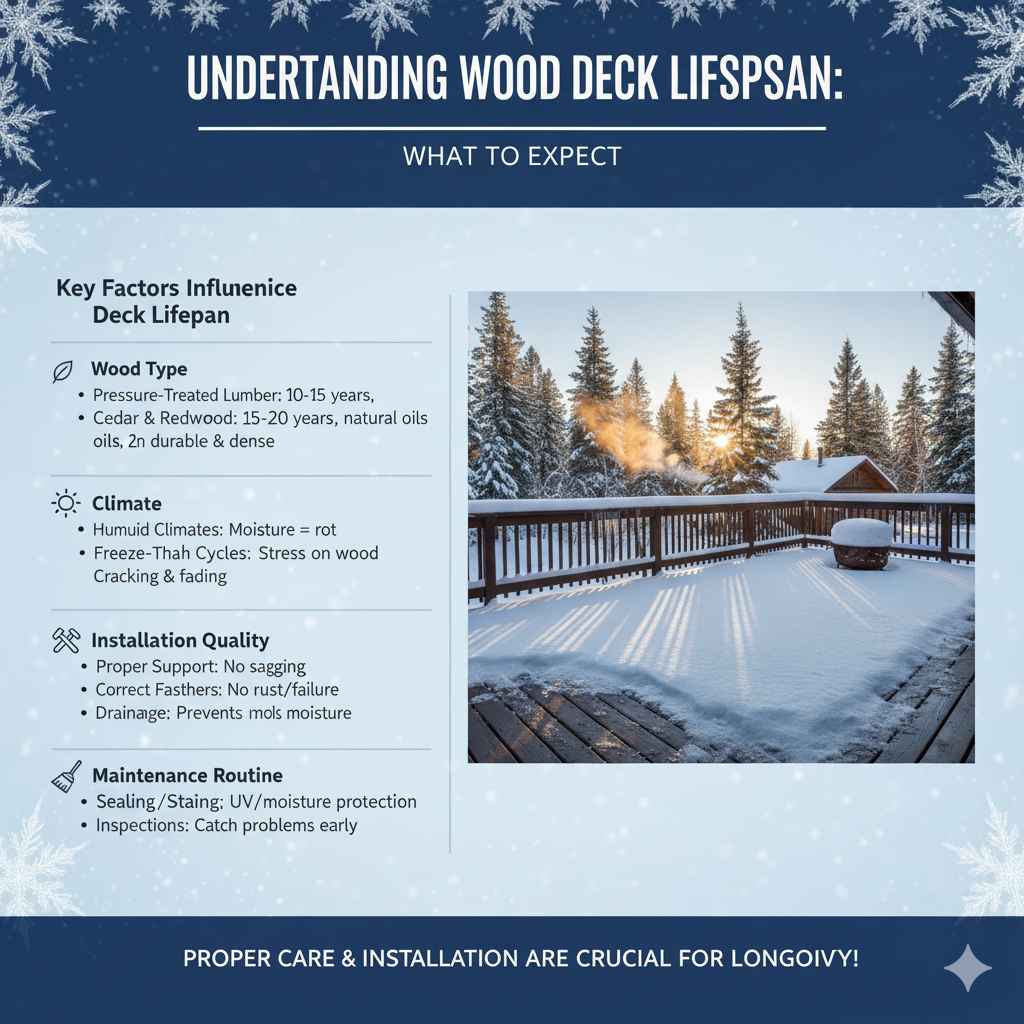
Key Factors Influencing Deck Lifespan
Let’s dive into what really matters when it comes to how long your deck will stand up to the elements and daily use.
Wood Type: This is perhaps the biggest factor. Some woods are naturally more resistant to rot, insects, and decay than others.
Pressure-Treated Lumber: This is the most common choice for decks because it’s treated with chemicals to resist rot and insects. With good care, it can last 10-15 years, sometimes longer.
Cedar and Redwood: These are naturally more resistant to decay and insects due to their natural oils. They can often last 15-20 years or even more, but they are typically more expensive.
Hardwoods (like Ipe, Teak): These are premium options, known for their incredible durability and resistance to pretty much everything. They can easily last 25-50 years, but come with a much higher price tag and can be harder to work with.
Climate: Where you live makes a huge difference!
Humid Climates: High moisture can accelerate rot and encourage mold or mildew growth, potentially shortening a deck’s life if not properly maintained.
Freeze-Thaw Cycles: In areas with harsh winters, expansion and contraction from freezing and thawing can stress wood and fasteners, leading to premature wear.
Intense Sunlight: Prolonged exposure to strong UV rays can dry out wood, causing it to crack, warp, and fade over time.
Installation Quality: A deck is only as strong as its foundation and how it’s put together.
Proper Support: Adequate joist spacing, strong posts, and proper anchoring are crucial for stability and preventing sagging.
Correct Fasteners: Using the right screws and nails (often stainless steel or coated to resist corrosion) is vital to prevent rust stains and structural failure.
Drainage: Ensuring water can drain away from the deck and its substructure prevents moisture from sitting and causing rot.
Maintenance Routine: This is where you, the homeowner, have the most control! Regular cleaning, sealing, and addressing minor issues quickly can prevent big problems down the road.
Cleaning: Getting rid of dirt, leaves, and debris prevents moisture buildup and mold growth.
Sealing/Staining: Applying protective finishes shields the wood from UV rays and moisture.
Inspections: Checking for loose boards, popped nails, or signs of rot annually helps catch problems early.
How Long Do Different Deck Materials Actually Last?
Let’s get more specific about the common materials you’ll encounter when building or maintaining a deck. Each has its own expected lifespan.
Lifespan of Common Decking Materials
Here you go—clean and properly formatted:
| Decking Material | Natural Lifespan (Years) | Factors Affecting Lifespan |
|---|---|---|
| Pressure-Treated Pine/Fir | 10–15 | Moisture, insects, risk of splitting/rot if not sealed; climate conditions |
| Cedar | 15–20 | UV exposure, moisture levels; sealing needed to maintain color |
| Redwood | 15–25 | Similar to cedar but slightly more rot-resistant; needs sealing |
| Composite Decking | 25–50 | Fading, staining, mold/mildew concerns in some brands |
| PVC Decking | 25–50 | UV degradation, surface scratching |
| Hardwoods (Ipe, Teak, etc.) | 25–50+ | Extremely durable; oiling needed to maintain color and reduce graying |
Note: Artificial decking materials like composite and PVC can have lifespans comparable to or longer than some hardwoods, but their performance can vary more widely by brand and specific product.
Optimizing Your Deck’s Lifespan: A Beginner’s Guide
Now that you know what influences how long a deck lasts, let’s focus on what you can do to make yours thrive. As Md Meraj, your woodworking mentor, I want to assure you that these steps are completely achievable for any homeowner. We’ll keep it simple and focus on making your deck last as long as possible.
Step 1: Regular Cleaning is Your Deck’s Best Friend
This is the most important and easiest thing you can do! Leaves, dirt, pollen, and other debris trap moisture against the wood. This is a breeding ground for mold, mildew, and rot, all of which are deck killers.
How to Clean Your Deck:
Sweep Regularly: A quick sweep a few times a week, especially after storms or heavy leaf fall, makes a huge difference.
Deep Clean Annually: Plan for a more thorough cleaning once a year, usually in the spring.
Gather Your Supplies: You’ll need a stiff-bristled brush (not wire, as it can damage wood), a bucket, a deck cleaner (either a commercial product or a DIY solution like a mix of mild dish soap and water, or 1 part bleach to 10 parts water – but always test in an inconspicuous spot first!), and a garden hose.
Wet the Deck: Lightly wet the entire deck surface.
Apply Cleaner: Apply your chosen cleaner according to its instructions. Work in sections.
Scrub: Use the stiff brush to scrub the surface, paying attention to any grimy spots or built-up dirt. Scrub with the grain of the wood.
Rinse Thoroughly: Hose down the deck completely, ensuring all cleaner residue is gone. Leaving soap behind can be slippery and attract dirt.
Allow to Dry: Let the deck dry completely before proceeding to sealing.
Safety Tip: Always wear eye protection and gloves when using cleaning solutions, especially those with bleach. Ensure your deck surface is not excessively slippery during and after cleaning.
Step 2: Inspect for Damage and Make Early Repairs
Catching small issues before they become big problems is the secret to a long-lasting deck. Think of it as preventative medicine for your deck!
What to Look For During Inspections (At Least Annually):
Loose or Popped Fasteners: Nails or screws that are backing out can snag, create tripping hazards, and allow water to penetrate the wood. Hammer down nails or replace popped screws.
Rotting Wood: Check the ends of boards, around the posts, and anywhere moisture might collect. Soft, crumbly wood is a sign of rot. Small areas might be repairable by cutting out the bad section and replacing it.
Cracked or Warped Boards: Minor cracks can sometimes be filled with wood filler, while severely warped boards may need replacement to prevent tripping hazards and further damage.
Loose Railings or Stairs: These are critical safety components. Ensure they are sturdy and well-attached.
Vegetation Growth: Trim back any plants or vines growing too close to the deck, as they can trap moisture and damage the wood.
Where Moisture Likes to Hide: Pay special attention to areas where boards meet joists, the space around fasteners, and the underside of the deck. Proper ventilation under the deck is also key.
Step 3: Seal or Stain Your Deck for Protection
Applying a protective finish is like giving your deck a raincoat and sunscreen! It shields the wood from UV rays that cause graying and drying, and from moisture that leads to rot.
Choosing the Right Finish:
Water Sealant: Primarily protects against moisture. It usually dries clear or with a slight tint and requires reapplication every 1-2 years.
Stain (Transparent/Semi-Transparent): Offers moisture protection and adds color. Transparent stains show more of the wood grain, while semi-transparent stains offer more color depth. Reapplication is typically every 2-3 years.
Solid Stain/Paint: Completely covers the wood grain, offering maximum UV and moisture protection. These can last 3-5 years or more but can peel or chip if not applied correctly or if the wood sweats excessively.
When to Seal/Stain:
After a Deep Clean: Make sure the deck is thoroughly clean and completely dry (allow at least 24-48 hours after cleaning and rain).
In Appropriate Weather: Avoid sealing or staining in direct, hot sun, on very humid days, or when rain is expected within 24-48 hours. Cool, overcast days are often ideal.
How to Apply:
1. Prepare: Ensure the deck is clean and dry. Protect surrounding plants and surfaces with drop cloths.
2. Apply: Use a quality brush, roller, or sprayer. Work in sections, maintaining a wet edge to avoid lap marks. Apply in thin, even coats. For stains, work with the grain of the wood.
3. Back-brush (if spraying): If you spray, always go over the surface immediately with a brush to ensure even penetration and a uniform finish.
4. Second Coat (if needed): Check the product instructions. Some products recommend a second coat while the first is still wet, while others require drying time in between.
5. Allow to Cure: Let the finish cure fully (check product instructions) before placing furniture back on the deck or allowing heavy foot traffic.
If you’re unsure about the type of finish or application, many paint and hardware stores offer advice, or you can consult the Wood Shed Design for their expertise on wood finishing.
Step 4: Ensure Proper Drainage and Ventilation
Water is the enemy of wood. If your deck isn’t draining properly, water will pool, leading to rot and structural damage over time. Good ventilation under the deck helps it dry out faster.
Tips for Good Drainage and Ventilation:
Sloping: Ensure the deck surface has a slight slope away from the house foundation. This allows water to run off freely.
Gutter Management: Make sure your home’s gutters are functioning properly and not dumping water directly onto or under your deck.
Clear Debris: Keep the area under the deck clear of leaves and debris that can block airflow and trap moisture.
Check Piers/Posts: Ensure the base of your deck posts isn’t sitting in standing water. Gravel or a drainage system can help.
Avoid Landscaping Too Close: Don’t plant dense shrubs or place mulch right up against the deck frame, as this can hinder airflow and hold moisture.
A properly designed deck will have space between boards for drainage and airflow. If you have gaps that are too small, it can be an issue during installation, but one to be aware of.
Step 5: Consider Your Climate and Deck Design
While you can’t change your climate, you can take steps to mitigate its effects, and a well-thought-out design from the start can prevent future issues.
Climate-Specific Protection:
Wet Climates: Extra emphasis on sealing, good drainage, and regular checks for mold/mildew. Ensure good airflow underneath.
Dry/Sunny Climates: Focus on UV-protective stains and sealants to prevent drying and cracking.
Cold Climates: Ensure fasteners are robust and that the deck structure can handle freeze-thaw cycles without excessive stress. Promptly clear snow and ice.
Design for Longevity:
Adequate Spacing: Boards should have small gaps (about 1/8 inch) between them for water to drain and air to circulate.
Overhangs: Building in some overhangs for steps and joists can help protect them from direct rain.
Proper Joist & Beam Support: Ensuring the frame is structurally sound with proper spacing and support will prevent sagging and stress on the boards. For detailed framing guidelines, resources like those from the International Code Council (ICC) can offer valuable insight into best practices.
When Is It Time to Replace Your Wood Deck?
Even with the best care, every deck has a finite lifespan. Sometimes, despite your best efforts, signs of significant wear and tear mean it’s time for a replacement.
Signs Your Deck Might Need Replacing:
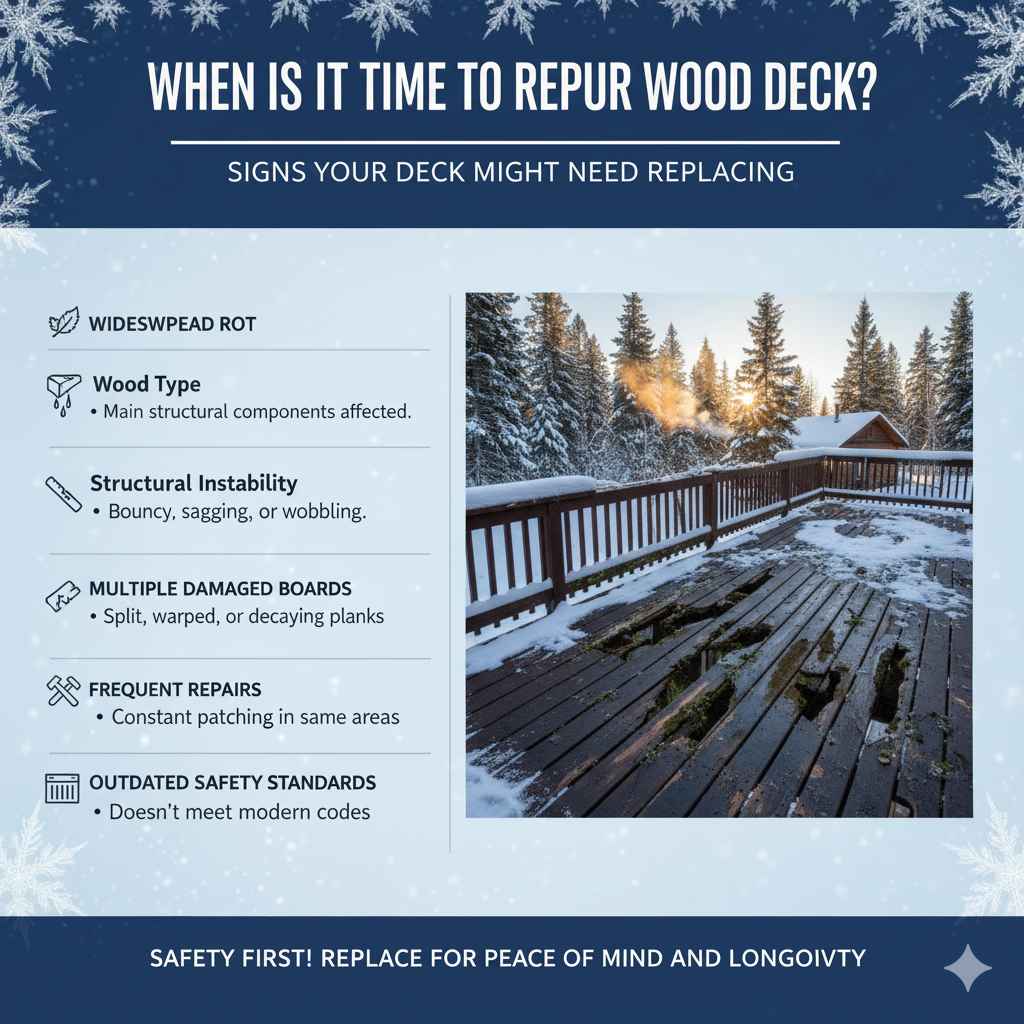
Widespread Rot: If rot is extensive and affects the main structural components (posts, beams, joists), it’s often more cost-effective to replace the entire deck.
Structural Instability: If the deck feels bouncy, has significant sagging, or wobbles, it’s a major safety concern and likely needs replacing.
Multiple Split or Warped Boards: If a large percentage of your deck boards are significantly damaged, the cost and effort of replacement might outweigh the cost of a new deck.
Frequent Repairs: If you find yourself constantly patching and repairing the same areas, it might be a sign that the deck has reached the end of its useful life.
Outdated Design or Safety Standards: If your deck was built many years ago, it might not meet current safety codes for railing height, spacing, or load-bearing capacity.
Replacing a deck is a bigger project, but it’s also an opportunity to upgrade materials, improve the design, and build something that will last even longer.
Frequently Asked Questions About Wood Deck Lifespan
Q1: How often should I re-seal or re-stain my wood deck?
A1: You should re-seal or re-stain your deck every 1-3 years, depending on the type of finish used and your climate. Water sealants need more frequent application than heavy-duty stains or solid finishes.
Q2: Can I pressure wash my deck? Is it good for its lifespan?
A2: You can pressure wash a deck, but you must use extreme caution! Use a low pressure setting and a wide fan tip. High pressure can easily gouge the wood, damage grain, and permanently shorten its lifespan. Always test on an inconspicuous area first. A stiff scrub brush gently used with a deck cleaner is usually safer and more effective for maintenance.
Q3: What is the difference between sealing and staining a deck?
A3: Sealing primarily focuses on protecting the wood from moisture. Staining protects from moisture and UV rays while also adding color. Stains can be transparent, semi-transparent, or solid, affecting how much of the wood grain is visible.
Q4: My deck is starting to look gray. Does this mean it’s rotting?
A4: No, graying is usually a sign of UV damage to the wood’s surface lignin. It’s cosmetic damage, not rot. Applying a UV-protective stain or sealant can prevent graying and protect the wood underneath. If the wood is soft or crumbly, that’s when rot is a concern.
Q5: Are composite decks longer-lasting than wood decks?
A5: Generally, yes. Composite and PVC decks often have longer lifespans (25-50 years) than traditional wood and require less maintenance. However, they don’t have the natural beauty of wood and can be more expensive initially.
Q6: How do I prevent mold and mildew on my deck?
A6: Regular cleaning to remove organic debris is key. Ensure good airflow under the deck and consider using a deck cleaner with a mold/mildew inhibitor. Promptly cleaning up spills and keeping the deck dry will also help.
Q7: I found a post on my deck that feels soft at the bottom. What should I do?
A7: Soft wood at the base of a deck post is a serious sign of rot. You should inspect it thoroughly. If it’s minor, you might be able to cut out the rotted portion and reinforce it. However, if the rot is significant, it compromises the structural integrity of your deck, and this post (and potentially other parts of the deck) will likely need replacement to ensure safety.
Conclusion: Enjoying Your Long-Lasting Deck
So, how long should a wood deck last? With the right lumber, careful installation, and a commitment to regular care, you can expect your deck to provide a beautiful and functional outdoor space for many years—often 10 to 30 years, and sometimes even longer for premium materials or with exceptional maintenance. Understanding the factors that influence its lifespan and taking proactive steps like cleaning, sealing, and inspecting will not only extend its life but also keep it looking its best.
Remember, your deck is an extension of your home. By treating it with the care and attention