How Long Should You Wait before Staining Treated Lumber: Expert Tips
Staining treated lumber can be a bit tricky, can’t it? You want to protect your wood and enhance its beauty, but timing is everything.
Jump in too soon, and you might trap moisture, leading to a disaster. Wait too long, and weathering might take its toll, making your project look worn before its time. So, how do you find that sweet spot? How long should you wait before picking up that brush and bringing your vision to life?
Understanding the right timing not only saves you from costly mistakes but also ensures that your lumber stays durable and stunning for years to come. In this guide, we’ll break down what you need to know in simple terms, helping you make the right choice with confidence. Stick around, because the secret to a perfect stain might just surprise you!
Importance Of Proper Timing
Treated lumber needs time to dry before staining. Waiting lets the wood absorb the stain better. Freshly treated wood is too wet for staining. This makes the stain not stick well. Moisture can cause problems later. Staining too soon can lead to uneven color. Waiting ensures the stain works properly. Give the wood at least a few weeks to dry. Patience is key for a good finish. Weather affects drying time. Warm, dry days help wood dry faster. Cold or rainy days slow it down. Check the wood’s dryness before starting. Test with a small drop of water. Water should soak in quickly. If it doesn’t, the wood is still wet.
Characteristics Of Treated Lumber
Treated lumber is wood that has been chemically treatedto resist rot and insects. There are different types of treatments for this wood. The most common treatments include pressure-treatedand non-pressure-treatedmethods. Each treatment type gives the wood different strengths. Pressure-treated wood lasts longer outdoors. Non-pressure-treated wood is used indoors.
Treated lumber often contains more moisturethan regular wood. This is because of the chemicals in the wood. It is important to know this when working with treated lumber. High moisture content can make the wood swell. This can also affect how well the wood takes stain. Let the wood dry before staining. This will help the stain stick better.
Factors Influencing Drying Time
Drying time for treated lumber varies due to factors like moisture content, climate, and wood type. Waiting ensures proper stain absorption. Check the manufacturer’s instructions for specific drying times.
Climate Conditions
Climateplays a big role in drying lumber. Warm weather dries wood faster. Cool and damp days slow the process. Humidity affects drying too. High humidity means longer drying time. Low humidity helps wood dry faster. Keep an eye on weather forecasts. They can help plan your staining.
Lumber Storage
Where you store lumber matters. Lumber stored indoors dries faster. Outdoors, rain can delay drying. Cover lumber with a tarp if stored outside. This keeps it dry and ready for staining. Proper storage speeds up the drying process.

Credit: www.sand-stain.com
Signs Lumber Is Ready For Staining
Look for cracks on the lumber’s surface. Cracks mean it’s getting dry. The wood color changes as it dries. It becomes lighter. Dark spots may mean it’s still wet. The ends of the lumber dry first. Check them for dryness. If they are dry, the rest might be, too. Use your touch. Dry wood feels less cool to the skin. These signs help you know when to stain.
Use a moisture meter to check the wood. It tells you how wet the wood is. The meter should show less than 19% moisture. Too much water is bad for staining. Another way is the sprinkle test. Sprinkle water on the wood. If it soaks in, the wood is ready. If it beads up, wait longer. Both tests are easy to do at home. They help make sure the stain works well.
Expert Advice On Waiting Periods
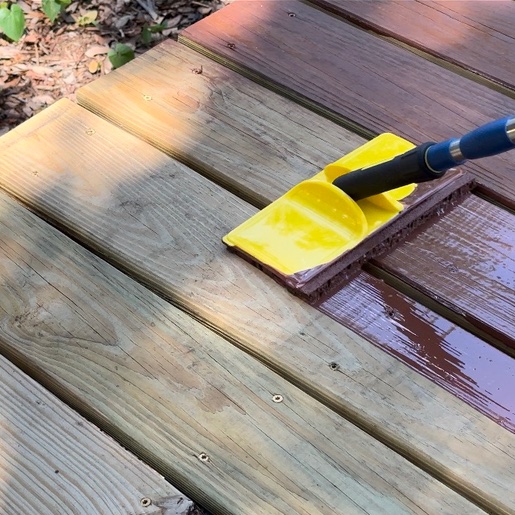
Treated lumberneeds time to dry. Experts often suggest waiting at least two months. This allows the wood to lose extra moisture. Moisture can affect stain absorption. Dry wood absorbs stain better. Always check the wood’s surface before staining. Look for changes in color and texture. If the wood feels dry, it may be ready.
Weather affects drying time. Rain can slow down the process. Sunny days speed it up. Location matters too. Wood dries faster in warm areas. Humidity plays a role. High humidity means longer wait times. Consider the season. Summer may dry wood quicker than winter. Always test a small area first. This ensures the stain will work well.
Credit: thecraftsmanblog.com
Preparing Lumber For Staining
Treated lumber needs proper cleaning before staining. Dirt and dust can block stain absorption. Use a brush to clean the lumber. Water can help remove stubborn dirt. Let the lumber dry completely. Dry lumber absorbs stain better. Check for any rough spots. Sand these spots to make them smooth. Smooth surfaces give a better finish.
Picking the right stain is important. Some stains work better on treated lumber. Oil-based stains are a good choice. They soak into the wood deeply. Water-based stains dry quickly. Quick drying can leave marks. Choose a stain color that matches your style. Test the stain on a small area first. This helps avoid surprises. The right stain makes the wood look beautiful.
Common Mistakes To Avoid
Many rush to stain treated lumber too soon, risking poor adhesion and finish. Waiting at least six months ensures better results. Moisture levels should be checked before staining for best outcomes.
Rushing The Process
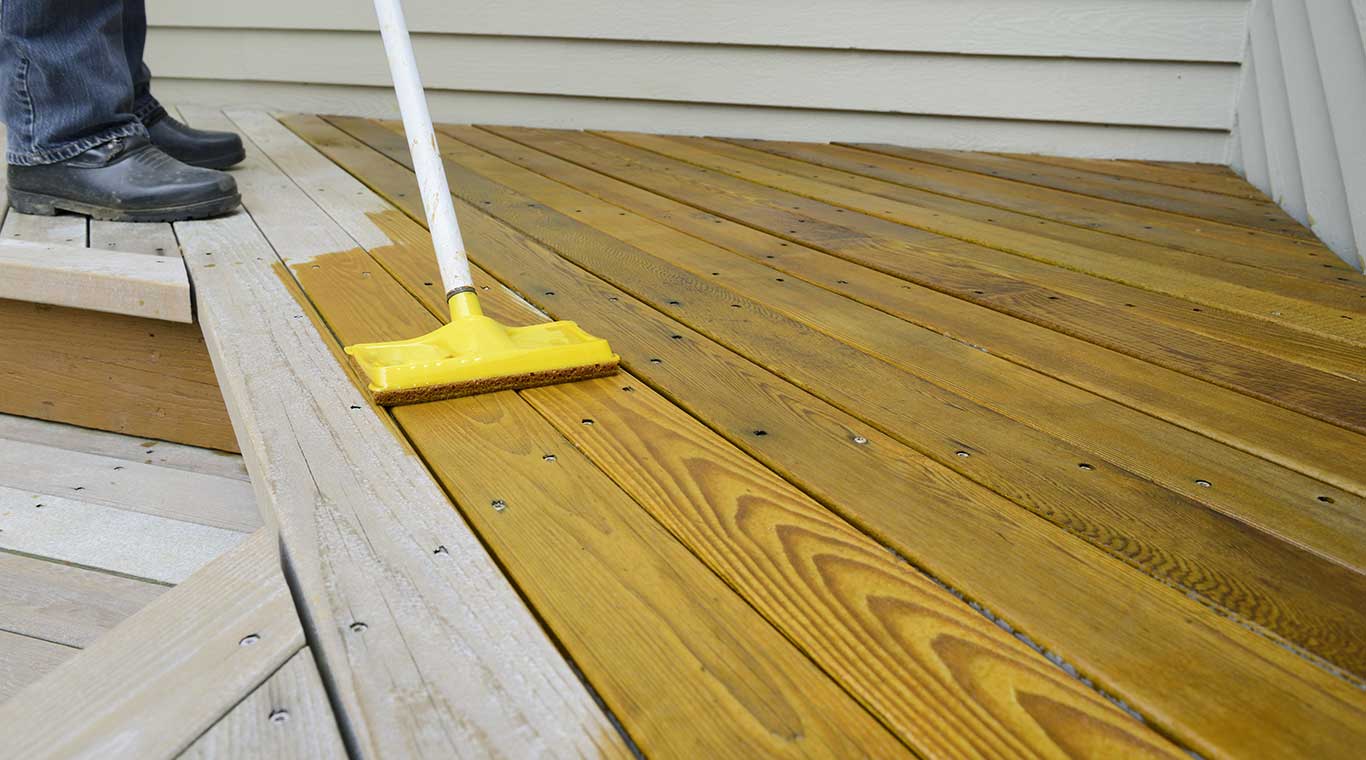
People often stain treated lumber too soon. Wood needs time to dry. Patience is important. Rushed staining can lead to problems. The wood might not absorb the stain well. Color can become uneven. Waiting helps avoid these issues. Experts suggest waiting. Two months is a good time frame. Some might need longer. Check the wood for dryness. Touch it to feel moisture. Dry wood is ready for stain.
Ignoring Weather Forecasts
Weather affects staining results. Rain can ruin your work. Sunny days are best for staining. Temperature matters too. Warm weather helps stain dry. Cold can slow the process. Wind can blow dirt onto wet stain. Check forecasts before starting. Choose a clear day to stain. Planning ahead saves trouble. Good weather helps the stain last.
Credit: www.yellawood.com
Maintaining Stained Lumber
Stained lumber needs care. Check it often for signs of wear. Look for cracks, fading, or peeling. These are signs it needs attention. Regular inspections help keep your lumber strong. Always keep an eye on areas that get wet often. Water can cause damage fast. Make sure to check after heavy rain. This ensures no water damage occurs.
Reapplying stain is important for lasting protection. Most stains need reapplying every few years. This keeps the wood safe from weather. Follow the stain product’s guidelines. Some stains last longer than others. Before reapplying, clean the wood well. Remove dirt and old stain. This helps the new stain stick better. Always choose the right stain for your lumber type.
Frequently Asked Questions
How Long Before Staining Treated Lumber?
Treated lumber needs time to dry before staining. Typically, it’s best to wait 2 to 3 months. This ensures the wood has properly dried and absorbed the treatment chemicals. Staining too soon might prevent proper adhesion, leading to a less effective finish.
Always check the wood’s dryness before proceeding.
Can I Stain Treated Lumber Immediately?
Staining treated lumber immediately is not recommended. Freshly treated wood contains moisture and chemicals that need time to settle. Waiting allows the lumber to dry, ensuring better stain absorption and longevity. A premature application may result in a patchy or uneven finish.
Patience ensures a more durable and aesthetically pleasing outcome.
What Affects Drying Time Of Treated Lumber?
Several factors influence the drying time of treated lumber. Humidity, temperature, and air circulation play significant roles. High humidity or low temperatures slow the drying process. Proper air circulation helps moisture evaporate quicker. It’s important to consider these conditions when planning to stain your treated lumber.
Why Is Drying Treated Lumber Important?
Drying treated lumber is crucial for optimal stain absorption. Moisture in the wood can hinder stain adherence, leading to uneven coverage. Dry wood ensures a smooth, uniform finish and prolongs the wood’s lifespan. Proper drying enhances the aesthetic appeal and durability of your lumber projects.
Conclusion
Staining treated lumber needs patience and the right timing. Waiting ensures wood’s full absorption of treatment chemicals. Typically, 2 to 3 months is ideal. This allows the wood to dry properly. Dry wood helps the stain to adhere well. Test a small area first.
If water beads, it’s not ready. Stain when the water absorbs easily. This guarantees a lasting finish. Proper timing enhances the wood’s beauty and longevity. Avoid rushing the process. Give your project the time it needs for the best results.
Enjoy your beautifully stained lumber for years.