How Long to Wait Before Painting Treated Lumber (It Depends on the Lumber, Not a Fixed Number)
There is no single correct wait time, because it depends on what kind of treated lumber you bought. If it’s labeled KDAT (Kiln-Dried After Treatment), it’s already dry and can typically be painted or stained right away. If it’s standard “wet” treated lumber — the kind sold at most home centers, still damp with the preservative solution — it needs anywhere from a few weeks to several months to dry out, depending on your climate, and the only reliable way to know it’s ready is a water-bead test or a moisture meter reading, not a calendar date.
Check the Tag: KDAT or Wet-Treated?
Look at the stamp or tag on the lumber. “KDAT” means the wood was kiln-dried again after the pressure-treatment process, bringing its moisture content back down before it ever left the mill — this lumber accepts paint or stain much sooner, often within days, because it isn’t waiting to dry out. Lumber without that stamp was treated and shipped without a second drying step, and it can be fully saturated with the water-based preservative solution when you buy it. That’s the lumber that needs real waiting time, and it’s what most of the “how long to wait” confusion online is actually about.
What the Waiting Period Is Actually For
The wood isn’t absorbing more chemical during this time — the preservative treatment already fully penetrated the wood at the treatment plant, under pressure, before it was ever sold. The waiting period is purely about moisture leaving the wood. Paint and most stains need the wood’s moisture content down to around 15% or lower to bond properly; painting over wetter wood traps that moisture under the film, which is what causes peeling and blistering within the first season.
The Water-Bead Test
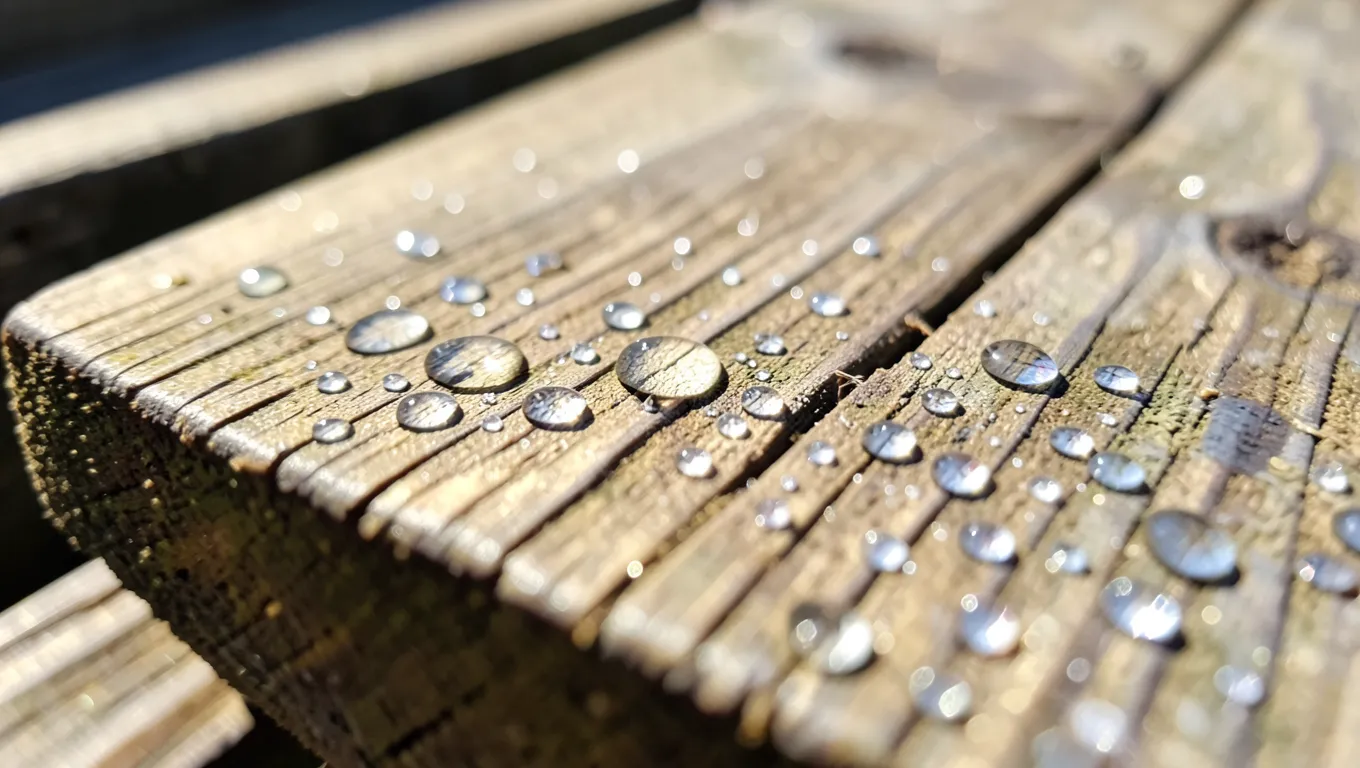
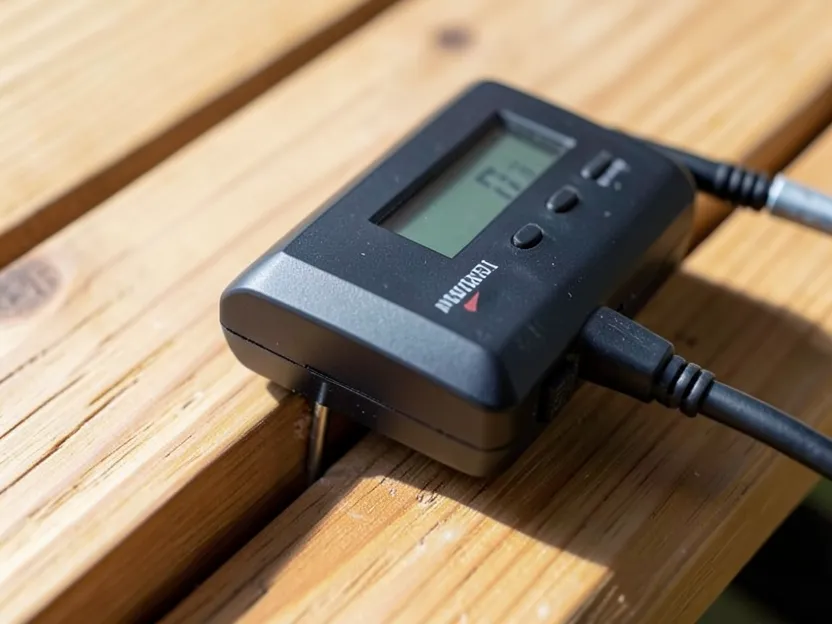
Sprinkle a few drops of water on the wood’s surface. If the water beads up and sits on top, the wood is still too wet — the surface fibers are saturated enough to repel more moisture. If the water soaks in within a minute or two, the wood is dry enough to accept a finish. Test this in a few different spots, since a deck gets uneven sun exposure and some boards dry faster than others. For a more precise reading, a pin-type moisture meter pressed into the wood gives you an actual percentage — aim for 15% or below before painting.
Realistic Timeframes by Climate
- Hot, dry, sunny climate: wet-treated lumber can be ready in as little as 3-4 weeks.
- Moderate climate: plan on 6-8 weeks as a starting point, then confirm with the water-bead test.
- Humid or cool climate: drying can realistically take 3-6 months, especially for thicker lumber like 4×4 posts, which hold moisture longer than 1-inch deck boards.
These are starting estimates, not deadlines — always confirm with the water-bead test or a moisture meter before painting, since two identical boards in the same yard can dry at different rates depending on sun exposure and airflow underneath.
Preparing the Surface Once It’s Dry
- Wash the surface with water and a mild deck cleaner to remove dirt, mill glaze, and any mildew, then let it dry fully again — this can add a few days after cleaning even if the wood was already dry before washing.
- Lightly sand any rough or splintered areas, sanding with the grain, then wipe away dust.
- Apply a primer or stain-blocking product rated for exterior treated wood, especially if you’re using paint rather than a penetrating stain — paint sits on the surface and needs that bonding layer more than a penetrating stain does.
- Choose 100% acrylic latex paint for most exterior treated-wood projects; it flexes with the wood’s seasonal movement better than oil-based paint, which tends to crack on lumber that expands and contracts with humidity.
Bottom Line
Check whether your lumber is KDAT first — that alone answers most of the “how long” question. For standard wet-treated lumber, use climate as a rough guide (weeks in hot/dry conditions, months in humid/cool ones) but let the water-bead test or a moisture meter reading under 15% be the actual green light, not a date on the calendar.
Frequently Asked Questions
What happens if you paint treated lumber too soon?
Paint applied over wood that’s still too wet traps moisture underneath the paint film. That trapped moisture causes peeling, blistering, and an uneven finish within the first season, and often means stripping and redoing the job.
How do you know if treated wood is ready to paint?
Use the water-bead test: sprinkle water on the surface. If it soaks in within a minute or two, the wood is dry enough. If it beads up and sits on top, wait longer. A moisture meter reading of 15% or below is a more precise confirmation.
Can new treated lumber be painted right away?
Only if it’s labeled KDAT (Kiln-Dried After Treatment), which is already dry enough to accept paint soon after purchase. Standard wet-treated lumber needs to dry out first, which can take anywhere from a few weeks to several months depending on your climate.
What should never be done with pressure-treated wood?
Never burn it, since the combustion releases the preservative chemicals into smoke and ash. Don’t use it for indoor furniture, food-contact surfaces, or cutting boards, and always wear a dust mask when cutting or sanding it to avoid inhaling treated sawdust.
Sponsored / affiliate links. As an Amazon Associate I earn from qualifying purchases. I may earn additional commission from eligible campaigns.