Is SPIB No. 2 Pressure Treated? Grade vs. Treatment Explained
SPIB doesn’t tell you whether a piece of lumber is pressure treated — it’s a grading agency, not a treatment. The Southern Pine Inspection Bureau (SPIB) certifies the grade of Southern Yellow Pine lumber (“No. 2” is a structural grade based on knot size, wane, and slope of grain), and pressure treatment is a completely separate certification stamped on separately by the treating plant. A board can be SPIB No. 2 and untreated, or SPIB No. 2 and pressure treated — the grade stamp alone doesn’t tell you which.
This matters because the two stamps answer different questions: the SPIB grade stamp tells you the lumber’s structural quality (how many knots, how straight the grain), and a separate treatment quality mark tells you what it’s protected against and for how long. Here’s how to read both, what “No. 2” actually costs you in strength versus a select grade, and how to confirm the treatment level actually matches your project before you buy.
What the SPIB Grade Stamp Actually Certifies
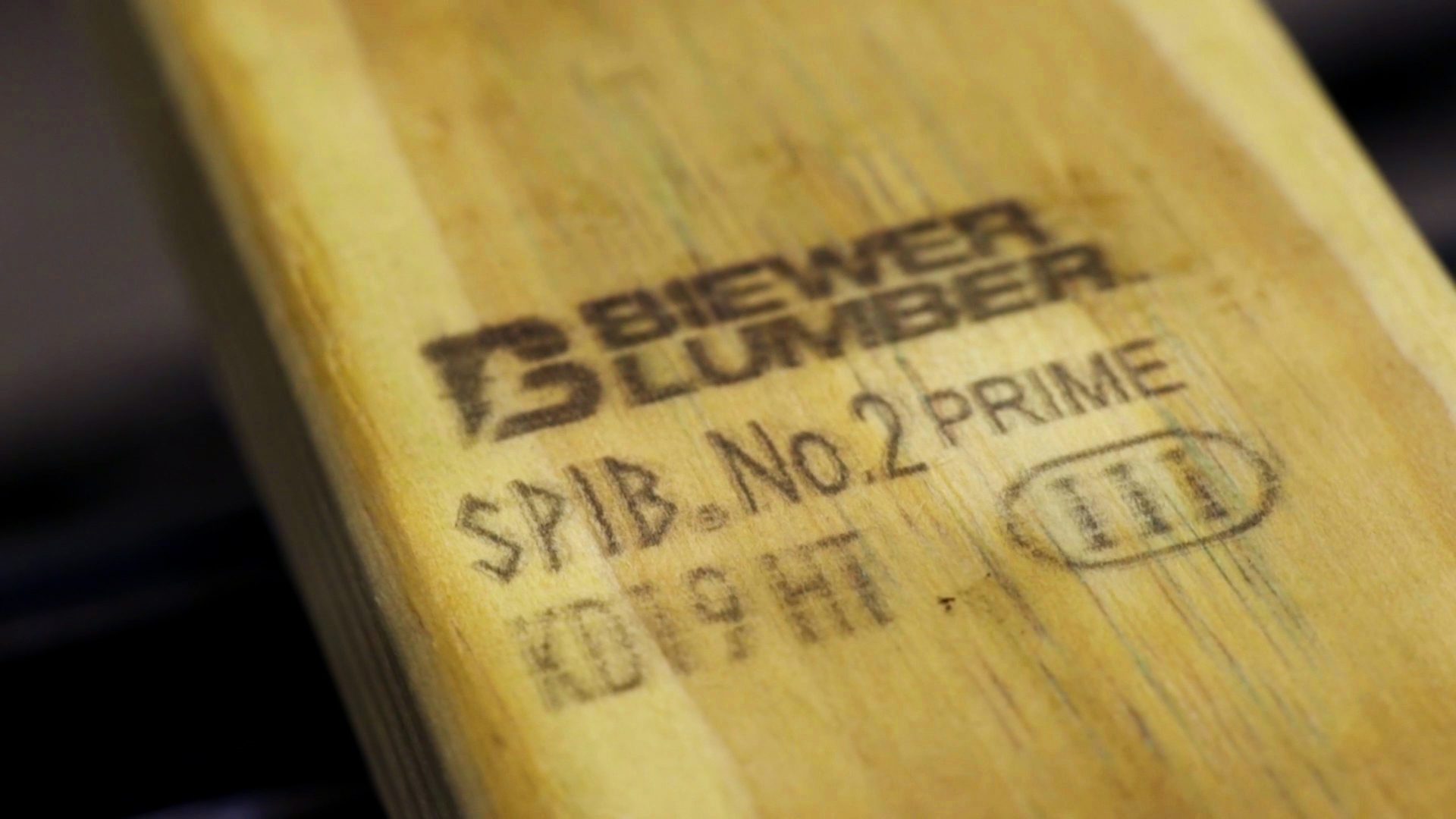
SPIB is one of several agencies accredited by the American Lumber Standard Committee (ALSC) to grade softwood lumber under the official U.S. grading rules — it inspects Southern Yellow Pine specifically, the species most commonly pressure treated for outdoor construction. Every SPIB-graded board carries a stamp showing the grade, the mill number, the moisture content at grading (KD for kiln-dried, S-GRN for surfaced green), and the SPIB mark itself.
Protect PT Lumber After Installation
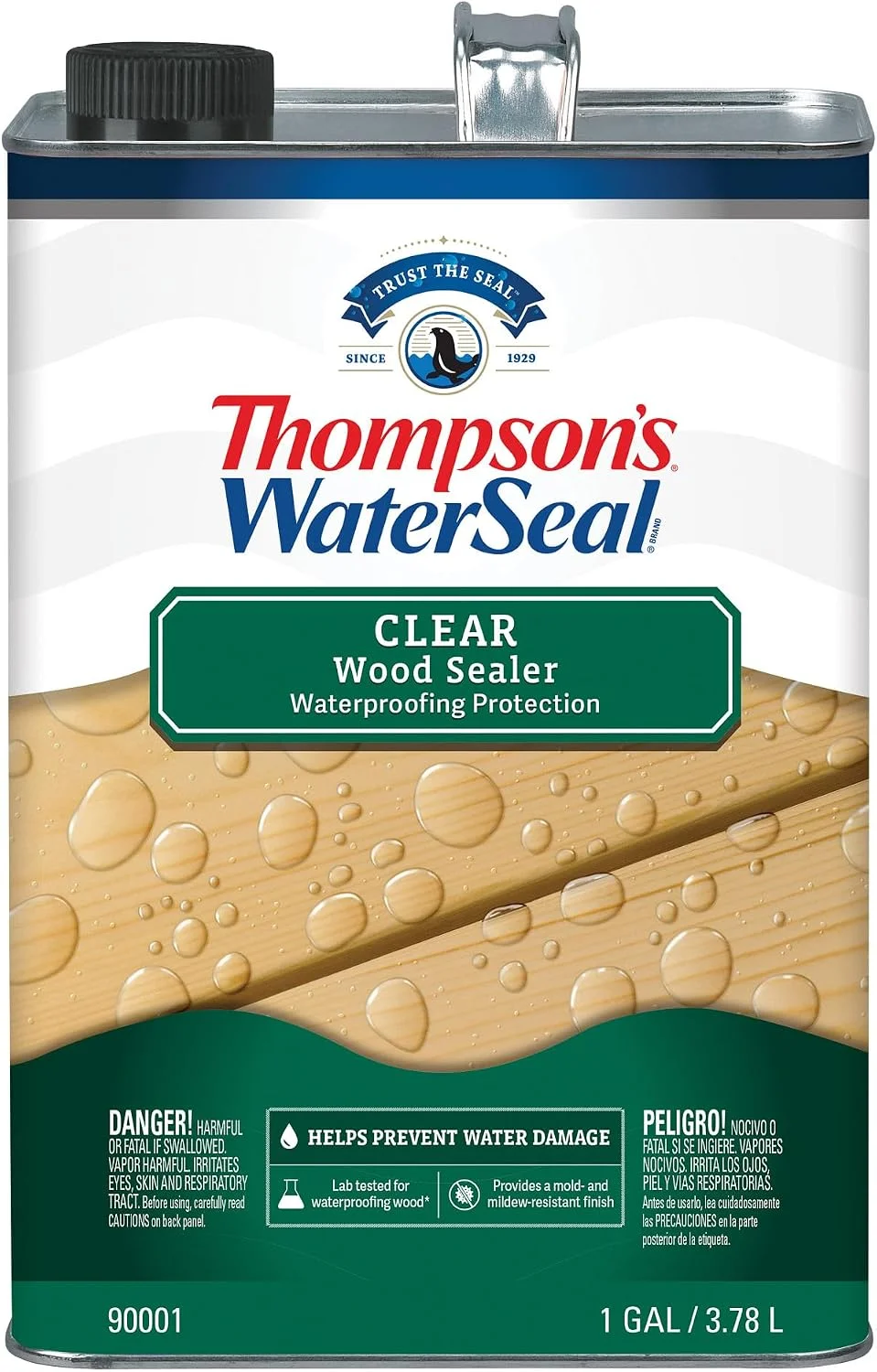 |
Thompson’s WaterSeal Clear Wood Sealer, 1 Gallon – $19.94 Pressure treatment fights rot and insects, but it doesn’t stop surface checking and graying — a sealer is still worth applying.
|
“No. 2” sits in the middle of SPIB’s structural grades: it allows more and larger knots than a Select Structural or No. 1 grade, but it’s still rated for framing, deck joists, and general construction use under the same span tables as higher grades — the allowable spans just shrink slightly to account for the larger knots. For most residential decks and fences, No. 2 is the standard grade sold at home centers; paying more for a higher grade mainly buys a cleaner appearance, not meaningfully more strength for typical spans.
How to Actually Tell If It’s Pressure Treated
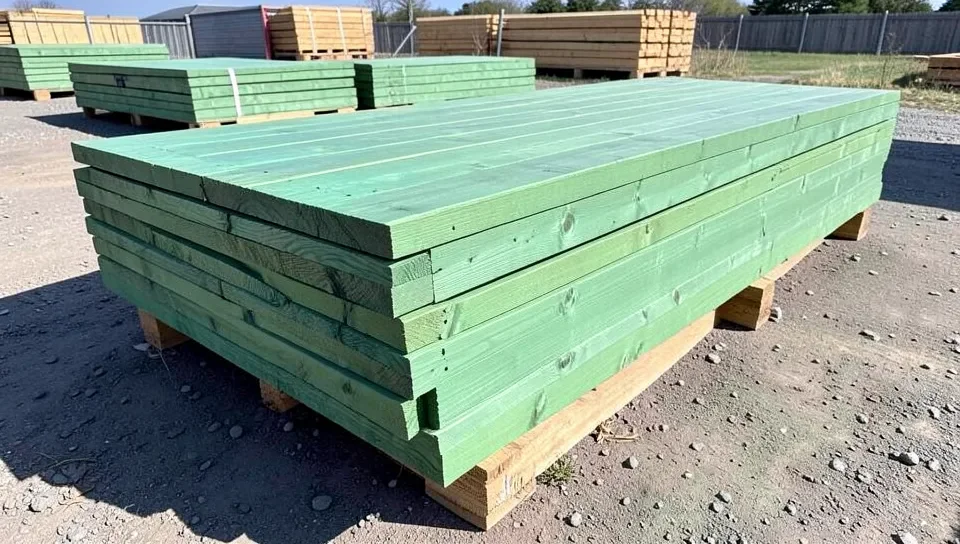
Look for a separate end tag or stamp from the American Wood Protection Association (AWPA) or the treating plant itself, distinct from the SPIB grade stamp. That tag lists a “Use Category” (UC) rating: UC3A/UC3B for above-ground exposure, UC4A for general ground contact, and UC4B for critical ground-contact structural members like deck posts. A board with only an SPIB grade stamp and no separate treatment tag is untreated lumber, regardless of its grade.
The greenish or brownish tint many people associate with “pressure treated” comes from the copper-based preservative (most commonly ACQ or MCA today) and fades within a year or two of outdoor exposure — it’s a rough visual cue at the lumber yard, but the UC rating on the tag is the actual specification to match to your project. Ground-contact posts need at least UC4A; anything structurally critical and hard to replace, like a support post buried in concrete, calls for UC4B.
| Use Category | Exposure | Typical Applications |
|---|---|---|
| UC2 | Interior, dry, protected from weather | Interior framing where treatment is still wanted (rare) |
| UC3A | Exterior, above ground, coated | Fascia, exterior trim with a maintained finish |
| UC3B | Exterior, above ground, uncoated | Deck boards, deck railings, fence rails |
| UC4A | Ground contact, general use | Deck posts, fence posts, garden bed frames |
| UC4B | Ground contact, critical structural | Load-bearing posts, permanent wood foundations |
Using a UC3B board where the project actually calls for UC4A is one of the more common and expensive mistakes in outdoor building — a deck board rated only for above-ground exposure will fail years earlier than expected if it’s buried as part of a post footing, even though it still carries a valid AWPA treatment tag. Always match the rating to the specific exposure of each individual piece, not just the project as a whole; a single deck commonly needs both UC3B boards for the decking and UC4A or UC4B lumber for the posts.
Where SPIB No. 2 Pressure-Treated Lumber Is Used
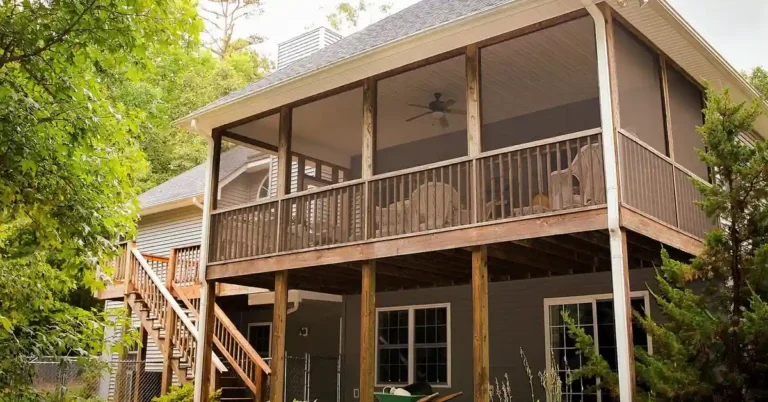
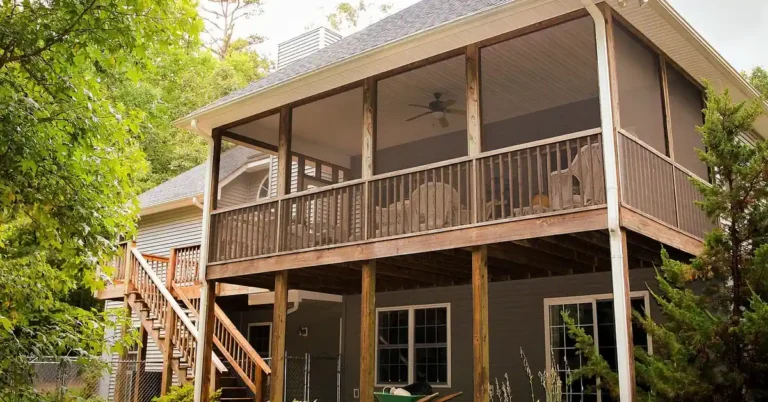
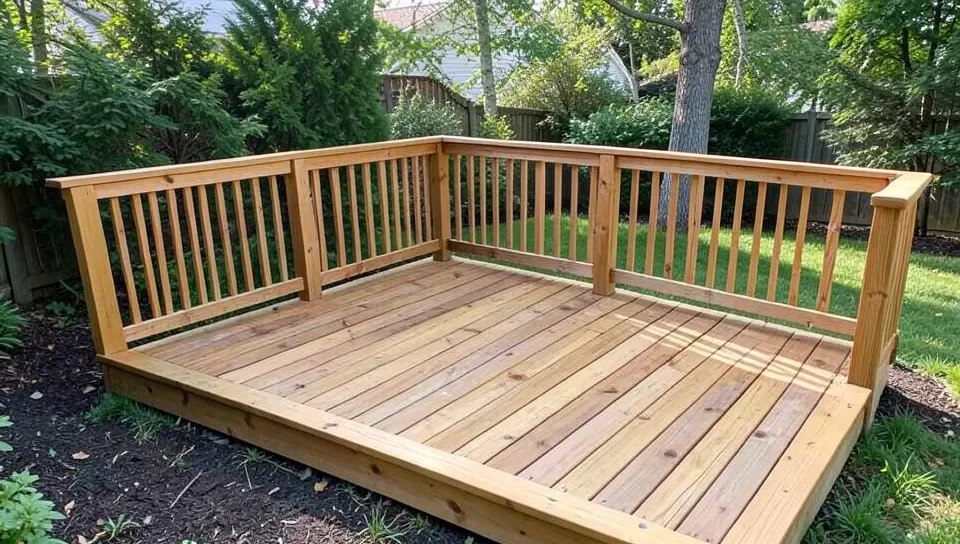
This combination — a mid-tier structural grade in a species that accepts preservative treatment well — is the default lumber for most outdoor framing: deck joists and beams, fence posts and rails, raised garden bed frames, and playground structures. It’s not typically used indoors; the treatment chemicals and the higher moisture content of PT lumber compared to kiln-dried interior framing make it a poor fit for anything inside conditioned space.
Cost Considerations
Pressure-treated No. 2 lumber typically costs 15–30% more than the same untreated grade, depending on species availability and current lumber pricing. That premium is worth it for anything exposed to weather or soil contact: untreated Southern Yellow Pine left outdoors can start showing rot within 2–3 years, while treated lumber at the correct UC rating is commonly rated for 20-plus years of service life. For anything indoors or otherwise protected from moisture, the treatment premium buys nothing and untreated lumber is the better value.
Installation and Maintenance
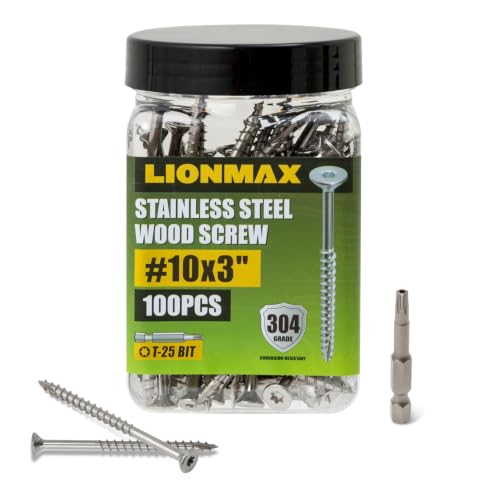
Freshly treated lumber is often still wet from the treatment process and should be allowed to dry before staining or sealing — check by pressing water onto the surface; if it beads up, the wood is still too wet for a finish to soak in properly. Use exterior-rated fasteners (hot-dip galvanized or stainless) with treated lumber; the copper in modern preservatives corrodes standard steel screws and nails faster than it would with untreated wood. Once dry, a sealer or semi-transparent stain slows the graying and surface checking that treated lumber still develops from UV and moisture cycling, even though it won’t rot.
Fastener choice matters more with treated lumber than most first-time builders expect. The current generation of preservatives (ACQ and MCA both use much higher copper content than the older CCA treatment phased out for residential use in 2003) is corrosive enough to standard electro-galvanized or plain steel hardware that manufacturers now specify hot-dip galvanized (G185 coating class) or stainless steel fasteners for any direct contact with treated wood. Using the wrong fastener doesn’t show up immediately — the corrosion is gradual, but it can weaken a connection well before the lumber itself would fail, which defeats the point of paying for the treatment in the first place.
Cutting or drilling into treated lumber exposes untreated wood at the cut face, since the preservative only penetrates a shallow depth from the surface (full penetration through the core isn’t typical for the grades sold at home centers). Any field cut — a post trimmed to length, a notch cut into a beam — should get a brush-on field-treatment product matching the original preservative type applied to the exposed end grain before installation, particularly for anything going into ground contact.
Frequently Asked Questions
What Does an SPIB No. 2 Grade Stamp Mean?
It means the Southern Pine Inspection Bureau has certified the board as No. 2 structural grade — a mid-tier grade allowing more and larger knots than Select Structural or No. 1, but still suitable for standard framing and deck construction. The SPIB stamp on its own says nothing about whether the lumber has been pressure treated.
Is SPIB No. 2 Lumber Always Pressure Treated?
No. SPIB grades lumber for structural quality; pressure treatment is a separate process certified by a different tag, typically from the American Wood Protection Association (AWPA), showing a Use Category rating. Check for that separate tag to confirm treatment — don’t assume it from the SPIB grade stamp alone.
Where Can I Use SPIB No. 2 Pressure-Treated Lumber?
It’s the standard choice for outdoor framing: deck joists and beams, fence posts and rails, raised garden beds, and playground structures. Match the Use Category rating on the treatment tag to the exposure — UC4A or higher for anything in ground contact.
How Long Does Pressure-Treated SPIB No. 2 Lumber Last?
Properly treated lumber at the correct Use Category rating for its exposure commonly lasts 20 years or more outdoors, compared to 2–3 years before rot sets in on untreated Southern Yellow Pine left exposed to weather. Sealing the wood periodically after it dries extends its appearance and surface life, though it doesn’t change the underlying rot resistance the treatment already provides.
Conclusion
SPIB No. 2 tells you about structural grade, not treatment. Before buying lumber for an outdoor project, check for both stamps: the SPIB (or other ALSC-accredited agency) grade stamp for structural quality, and a separate AWPA-style tag with a Use Category rating to confirm the wood is actually treated for the exposure it’s going into. Get both right and No. 2-grade Southern Yellow Pine is a reliable, cost-effective choice for decks, fences, and other outdoor structures.
Sponsored / affiliate links. As an Amazon Associate I earn from qualifying purchases. I may earn additional commission from eligible campaigns.