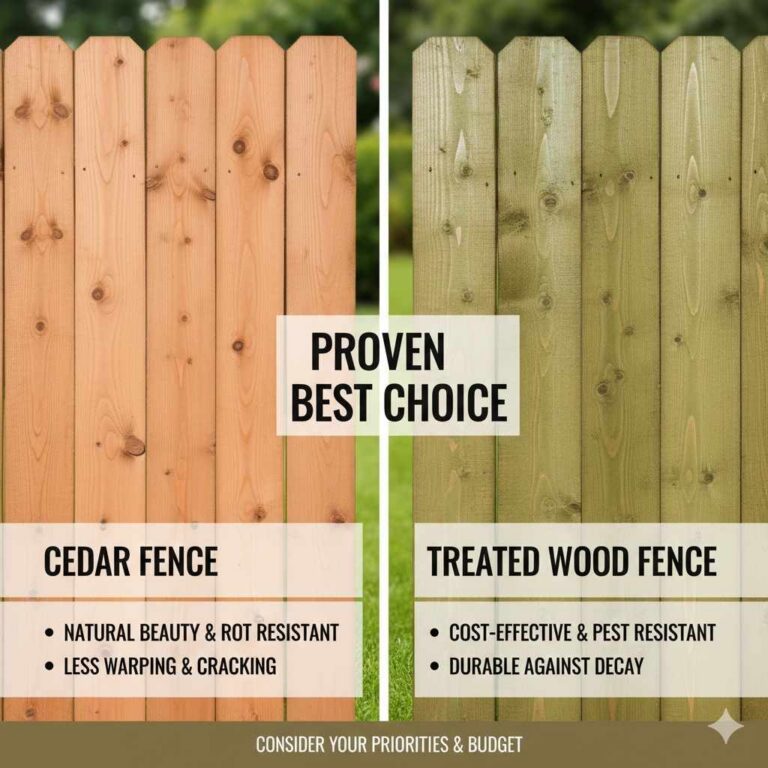
Best Sealants for Cedar Siding (2026): we compared
The best sealant for cedar siding is a penetrating, vapor-permeable exterior finish for the board face, plus a high-quality paintable polyurethane or STPE caulk for joints; use stain-blocking film-formers only where the product is rated for cedar and exterior exposure. Use the wrong sealer and trapped moisture can blacken cedar, open checks, and fail paint or stain early. This guide explains what to seal, what to caulk, and how to keep cedar siding able to dry.
This guide is part of our Cedar wood guide: uses, costs, and durability series.
Quick comparison
| Product | Badge | Best for | Price | ||
|---|---|---|---|---|---|
 |
Flex Caulk Silicone Waterproof Sealant, Clear, 6.5 oz,Flex Seal | Our pick | 100% silicone caulk · clear · 6.5 oz | View | |
 |
Seal-Once Nano Clear Penetrating Wood Sealer – PremiumSeal-Once | Upgrade pick | Nano clear penetrating sealer · quart size | $28.99
Price as of 9 Oct 2026
|
View |
 |
Penofin F3MCLQT Red Label Ultra Premium Stain (250-VOC),Penofin | Also great | Red Label Ultra Premium Stain · clear · 1 Qt | $39.42
Price as of 9 Oct 2026
|
View |
 |
Gorilla Patch & Seal Liquid Rubber Waterproof Sealant,GORILLA | Pair with it | Liquid rubber sealant · crystal clear · 32 oz | $31.91
Price as of 9 Oct 2026
|
View |
Use the comparison table to separate board-face sealing from joint caulking and finish choices. Cedar siding fails in different ways on sun-facing walls, shaded walls, and movement-heavy joints, so the best product depends on where it goes.
📊 One competitor recommends "100% Pure Tung Oil Finish" as best overall cedar sealer. Source: 9 Best Sealer for Cedar Wood Deck & Siding [Sep 2024].
How we chose
We compared products for cedar siding compatibility, rather than deck or fence use. We favored finishes that let wood dry, handle exterior UV exposure, and fit either board faces or moving joints.
We also weighed paintability, joint movement tolerance, and climate fit. Wet, coastal, shaded, and freeze-thaw walls need different priorities.
Competitor guidance was used only where it matched siding-specific needs, such as products described as penetrating into pores, odorless, low VOC, or suitable for wood siding.

Quick picks
- Top overall pick for most cedar siding: Seal-Once Nano Clear Penetrating Wood Sealer, because it is vapor-permeable, odorless, and built for exterior wood that still needs to dry.
- Best for clear natural look: Penofin Red Label Ultra Premium Stain, clear, when you want wood grain visible and accept more frequent upkeep on sun-exposed walls.
- Best for paintable joints and trim: Flex Caulk Silicone Waterproof Sealant, clear, for fast sealing of cracks and transitions where movement matters more than finish color.
- Best for maximum UV color retention: Penofin Red Label Ultra Premium Stain, since clear sealers protect moisture better than color, but tinted or semi-transparent stain-sealers usually hold appearance longer in sun.
- Best for low-odor cleanup and faster dry time: Seal-Once Nano Clear Penetrating Wood Sealer, based on its odorless, ultra-low VOC profile and water-based cleanup profile.
Penetrating wood sealer: best for natural-looking cedar siding
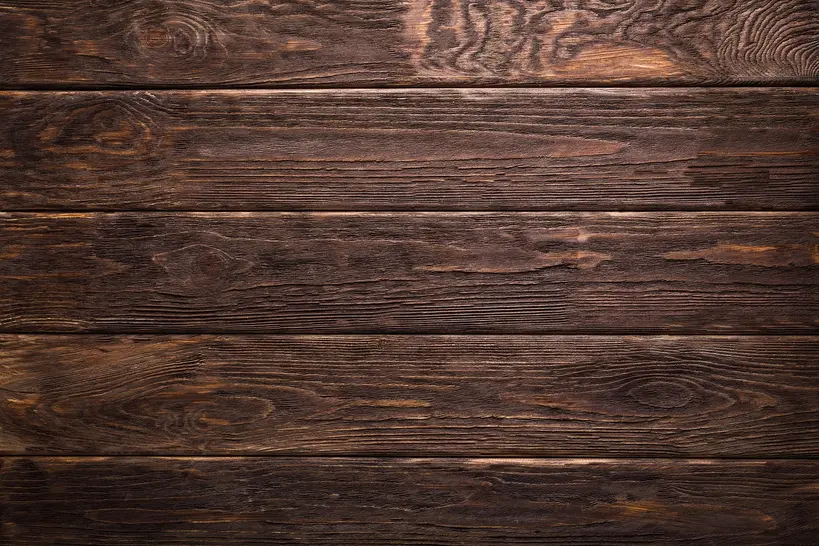
Seal-Once Nano Clear Penetrating Wood Sealer fits homeowners who want the cedar grain to stay visible while still protecting the board face from rain and splashback. It is a strong match for siding that needs breathability, especially on walls that see seasonal wetting and drying.
The main strength is that it penetrates below the surface and stays vapor-permeable, which matters on vertical walls more than on flat boards. One competitor also describes this kind of sealer as one that should “penetrate the surface pores” of cedar, which is the right target for board faces and end grain.
The drawback is that clear penetrating products usually give less UV color hold than tinted finishes. On south- and west-facing elevations, you should expect earlier appearance changes and plan on recoat checks before the wood looks dry and faded.
Where it works best
Use a penetrating sealer on cedar board faces, cut ends, and areas that need moisture resistance without creating a film. It is better for siding than for joints that move a lot, because joints need elastic caulk rather than a wood finish.
Application notes
Brush, roller, or sprayer application all fit this category, but back-brushing matters on rough-sawn or thirsty cedar so the finish wets the fibers evenly. Apply only when the siding is dry and the temperature stays within the label range; wet wood blocks absorption.
Exterior caulk: best for siding joints and trim transitions
Flex Caulk Silicone Waterproof Sealant suits movement-heavy joints where cedar boards meet trim, flashing edges, or small gaps around penetrations. It is for sealing transitions, not for coating broad board faces, and that distinction prevents many cedar failures.
Its strongest point is convenience: no caulk gun is needed, and the adjustable trigger nozzle makes it easier to meter into narrow joints. A clear silicone also avoids mismatched paint sheen when the joint is meant to stay exposed.
The drawback is paint compatibility. Silicone is usually a poor choice where the caulk line must disappear under paint or stain, so it works best where you want a durable seal and do not plan to coat over it.
Where caulk belongs
Use caulk at butt joints, trim interfaces, small gaps around windows and doors, and other spots where air and water can enter. Do not use caulk to “seal” whole wall faces; that traps moisture and can create patchy drying across the siding.
What to look for
For cedar, exterior caulk should bond well, stay flexible, and resist UV on exposed joints. Paintability matters if the wall will be repainted, because nonpaintable caulk can leave visible lines or create coating failures at the joint.
Oil-based stain-sealer: best for UV protection and color retention

Penofin Red Label Ultra Premium Stain works for homeowners who want a clearer wood appearance with a bit more color than a plain clear sealer. It fits cedar siding that takes strong sun and needs a non-film-forming finish that still protects breathability.
Color is the tradeoff. Clear or semi-transparent stain-sealers help slow UV graying better than bare wood, and competitor guidance notes that a cedar-friendly stain should resist water, UV rays, and mildew. That is useful on full-sun walls where appearance matters.
The drawback is odor and dry-time sensitivity. Oil-based products usually bring more odor and longer cure windows than water-based options, so they are harder to use in tight work areas, on occupied homes, or when weather windows are short.
When color is worth it
Choose stain-sealer when you want more uniform appearance on exposed cedar and better protection against fading. A clear product keeps grain visible, but a tinted or semi-transparent version generally holds its look longer on sun-facing walls.
Who should avoid it
Avoid oil-based stain-sealer if the wall is frequently damp, poorly ventilated, or you need the shortest cleanup and odor burden. If the siding already has coating failure, peeling film, or mixed old finishes, prep becomes more important than brand choice.
Water-based sealer: best for low odor and easier cleanup
Gorilla Patch & Seal Liquid Rubber Waterproof Sealant is aimed at gap sealing and moisture blocking where a rubberized, self-leveling material can bridge small defects. It is useful for localized repairs, not for broad cedar board-face finishing.
The appeal is practical: water-based systems are typically chosen when low odor and easier cleanup matter, and competitor guidance says a water-based option is better if you dislike oil smell. That makes them attractive for quick exterior touchups.
The drawback is that waterproof sealants are not the same as breathable cedar finishes. On large siding areas, a rubberized coating can limit drying and should be reserved for specific problem spots rather than the whole wall.
When water-based beats oil-based
Use a water-based sealer when odor, cleanup, and faster handling time are the priority. It is a better fit for smaller jobs, occupied homes, and mild climates than for heavy UV exposure or high-movement joints.
Application notes
Competitor guidance notes that similar products can be applied with paint sprayers, rollers, or brush. For cedar siding, choose the method that reaches grooves and end grain evenly, then back-brush if the surface is rough or uneven.
Cedar siding finish decision matrix
| Climate exposure | Desired look | Breathability | Paintability | Joint movement | Recommended product type |
|---|---|---|---|---|---|
| Wet or coastal | Natural wood | High | Low priority | Moderate | Penetrating wood sealer on board faces; paintable exterior caulk only at joints |
| Shaded and damp | Natural or low sheen | High | Useful if repainting later | Moderate | Penetrating sealer with mildew-aware prep; avoid film-heavy coatings |
| Full sun, south or west wall | Color retention | Moderate to high | Optional | Moderate | Oil-based or tinted stain-sealer for UV hold; recoat sooner than shaded walls |
| Freeze-thaw region | Flexible repair | High on board faces | Important at trim | High | Penetrating sealer on siding, paintable flexible caulk at joints and trim |
| Repaint planned soon | Paint-ready | Medium | High | High | Paintable caulk for joints; avoid nonpaintable silicone where paint must bond |
Reading the matrix
Breathability matters on cedar siding because trapped moisture can contribute to dark staining, checking, and earlier finish breakdown. Paintability matters most where joints will be coated over later.
Joint movement matters because cedar expands and contracts with weather. If a joint sees movement, use caulk there; if a board face simply needs moisture resistance, use a penetrating sealer instead.
How to seal cedar siding
To seal cedar siding, clean the wall, let it dry fully, treat problem end grain first, then apply a breathable exterior sealer to board faces and a separate paintable caulk to moving joints. The key is matching product type to the part of the wall, not treating all cedar the same.
- Wash off dust, pollen, mildew, and chalky residue with a siding-safe cleaner.
- Let the wood dry until moisture is within the product’s exterior-wood range.
- Sand or strip loose finish where old coating is peeling or uneven.
- Seal cut ends and exposed end grain first, since they absorb moisture fastest.
- Apply the board-face sealer by brush, roller, or sprayer, then back-brush for even wetting.
- Caulk only the joints, corners, trim edges, and penetrations that need movement accommodation.
- Recheck after drying for missed edges, thin spots, and caulk voids.
Surface prep that matters
Prep controls how long cedar siding lasts. Clean wood accepts finish more evenly, and dry wood absorbs penetrating products instead of repelling them. If the wall already has peeling coating, strip or sand until the surface is sound.
Temperature and moisture conditions matter too. Avoid application in rain threat, on damp wood, or in conditions that slow cure beyond the label window.
What is the best sealant for cedar siding
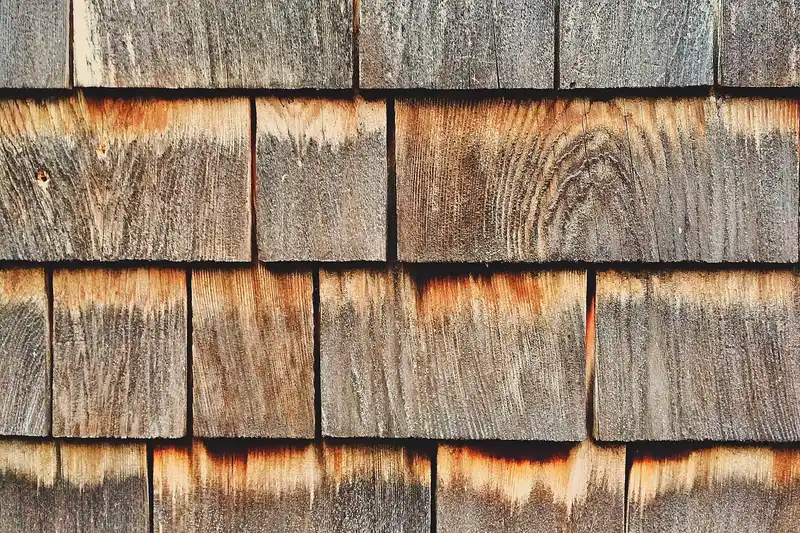
The best sealant for cedar siding is a penetrating, vapor-permeable exterior sealer for the board face, with a separate paintable caulk for joints. That combination protects moisture-vulnerable cedar without sealing in water, which is the main mistake on vertical walls.
For most homes, a clear penetrating product is the safest starting point when you want natural grain visible. If the wall gets hard sun, a tinted or semi-transparent stain-sealer usually holds appearance longer than a clear finish.
Failure cases to avoid
A non-breathable coating on cedar siding can trap moisture behind the surface. That risk grows on shaded elevations, wet climates, and boards with end grain exposed at joints or cut edges.
Another common failure is using caulk on large face areas. Caulk belongs in joints and transitions, not across board faces where movement and drying are different.
What is the best caulk for cedar siding
The best caulk for cedar siding is a high-quality exterior, paintable caulk with strong flexibility and adhesion to wood. That matters because siding joints move, and a caulk line may need to accept paint later without cracking or separating.
For exposed joints that will stay unpainted, a durable silicone can work, but it is a poor fit where finish compatibility matters. Paintable polyurethane or STPE caulk is usually the better choice for trim interfaces and siding gaps that need to blend in.
Joint-by-joint guidance
Use caulk at trim-to-siding edges, window and door interfaces, and small open seams. Skip broad face cracks that are better handled by replacing damaged boards or using a breathable finish after prep.
Suppose a 20-foot wall on the north side shows repeated gap opening at a window return. That joint needs flexible caulk. The adjacent board faces still need a separate penetrating finish, because caulk will not protect the wood grain.
Does cedar siding need to be sealed
Cedar siding does not have to be sealed to survive outdoors, but sealing helps control moisture uptake, slows surface graying, and reduces early checking on exposed walls. The need is strongest on weather-facing elevations, cut ends, and details that hold water.
Western red cedar is a common exterior choice because it weathers well, but aromatic cedar is better known for interior use and is not the usual pick for exterior siding. For siding, always check that the grade and finish plan fit exterior exposure.
Where sealing matters most
End grain, butt joints, lower courses near splashback, and sun-facing walls fail first. Those areas take the most moisture cycling and UV exposure.
A common first-timer mistake is sealing only the visible face and skipping cut ends. End grain behaves like a straw and can pull in water faster than the flat face.
What is the best exterior caulk for cedar siding
The best exterior caulk for cedar siding is a flexible, paintable, UV-resistant sealant that bonds well to wood and stays workable through seasonal movement. That combination helps at joints where siding and trim meet, especially on walls with temperature swings or wind-driven rain.
If the joint must be painted, paintability matters as much as flexibility. If the caulk will remain exposed, UV resistance and adhesion become the main priorities, but you still need to avoid products that dry brittle or split under movement.
Should I use stain or sealer on cedar siding
Use stain when you want more UV protection and some color control; use a clear sealer when you want the most natural look and are willing to maintain it more often. On cedar siding, stain usually buys longer appearance retention, while clear sealer keeps the grain truest.
Oil-based stain-sealers and tinted semi-transparent finishes generally hold up better in sun than clear products. Clear sealers are still useful, but they often need earlier recoat decisions on south- and west-facing walls.
Clear versus tinted performance
Clear products can look best at first, but they usually fade faster under UV. Tinted or semi-transparent products add color pigments that slow graying and make maintenance timing easier to judge.
For homeowners who want a near-natural cedar tone, a light tint is often the practical compromise.
How often should cedar siding be resealed
Cedar siding should be resealed when water no longer beads on the surface, color turns flat or chalky, or the wood starts to look dry and faded. Many exteriors need attention sooner on sun-facing walls and later on shaded elevations, so timing depends on exposure rather than a fixed calendar only.
Use a recoat check each season on harsh exposures. Clear finishes usually need closer monitoring than tinted or semi-transparent finishes, especially on vertical walls that take direct sun and rain.
Maintenance cadence and recoat triggers
Look for early signs: dullness, dark moisture marks, opened checks, and end grain that drinks water instead of shedding it. If the coating still repels water and color remains stable, a full refresh may not be needed yet.
For joints, inspect caulk separately. A sound board-face finish does not fix a cracked joint seal, and a failed joint seal can let water behind an otherwise intact finish.
Which one should you buy
Choose by job first, not by label. For board faces on cedar siding, buy a penetrating sealer if you want natural grain and drying ability; choose an oil-based stain-sealer if UV retention matters more; pick a water-based option when odor and cleanup matter most; and buy caulk separately for joints.
Choose by budget and maintenance interval. Clear, breathable sealers usually ask for more frequent checks, while tinted stain-sealers often buy longer visual life on sun-facing walls. If repainting is planned, prioritize a paintable caulk that will not fight the future coating.
Say your cedar wall faces afternoon sun and the lower course is still sound. A penetrating sealer on the boards plus paintable caulk at trim joints is the right split. Say the north side stays damp and greenish; focus on prep, mildew removal, and a breathable finish rather than a film-heavy coating.
Answer the cedar question in parts
If you are sealing, buy a penetrating sealer. If you are caulking, buy an exterior flexible caulk. If you are changing color or increasing UV hold, buy a stain-sealer. Those are different jobs, and cedar siding lasts longer when you keep them separate.
Frequently asked questions
How to seal cedar siding
Clean the siding, let it dry fully, then apply a penetrating exterior sealer to board faces and end grain. Use a separate paintable exterior caulk only at joints, trim edges, and penetrations. Back-brush rough areas so the finish wets the wood evenly and does not leave missed spots.
What is the best sealant for cedar siding
The best sealant for cedar siding is a vapor-permeable penetrating sealer for the board face, paired with a flexible exterior caulk for joints. That split protects against moisture without trapping it. Clear sealers work well for natural appearance, while tinted stain-sealers usually give better UV hold.
What is the best caulk for cedar siding
The best caulk for cedar siding is a high-quality exterior, paintable caulk that stays flexible and adheres well to wood. Use it on joints, trim interfaces, and gaps around openings. Avoid using caulk across broad board faces, because it is not the right material for siding-wide moisture control.
Does cedar siding need to be sealed
Cedar siding can be left unsealed, but sealing helps reduce moisture uptake and slows graying from UV exposure. The biggest benefits show up on cut ends, lower walls, and sun-facing elevations. Shaded or damp areas still need careful prep and inspection because moisture management is the real issue.
What is the best clear sealer for cedar siding
The best clear sealer for cedar siding is a clear penetrating product that preserves breathability and works on exterior wood. Clear products keep the grain most visible, but they usually need earlier maintenance than tinted finishes. They are best when the natural cedar look matters more than long color retention.
How often should cedar siding be resealed
Reseal cedar siding when water stops beading, the surface looks dry, or color begins to flatten. Sun-facing walls usually need checks sooner than shaded ones. Joints should be inspected on their own schedule, because caulk failure often appears before the board-face finish fails.
Sponsored / affiliate links. As an Amazon Associate I earn from qualifying purchases. I may earn additional commission from eligible campaigns.