How Much Does It Cost to Replace Hardwood Floors: Find Out
Are you considering giving your home a fresh, new look by replacing your hardwood floors? Whether you’re dealing with wear and tear, or simply craving a style update, the cost of replacing hardwood floors is a crucial factor in your decision-making process.
You might be wondering how much you’ll need to budget for this project and what factors can influence the overall cost. Don’t worry, you’re not alone. Understanding these costs upfront can save you from unexpected surprises and help you make informed choices.
In this guide, we’ll break down the costs involved in replacing hardwood floors, so you can plan with confidence and transform your space without breaking the bank. Let’s dive in and explore what you need to know.

Credit: homeguide.com
Factors Affecting Replacement Costs
The cost of hardwood depends on the type you choose. Oak and Maple are common and less pricey. Exotic woods like Mahogany cost more. Engineered wood is often cheaper than solid wood. Think about your budget and style.
Bigger rooms need more wood. More wood means higher costs. Measure your room first. Small rooms cost less to floor. Large spaces need more money. Plan accordingly.
Workers charge by the hour or project. Skilled labor costs more. DIY might save money, but it’s hard work. Check local rates for workers. Get multiple quotes to compare.
Where you live affects costs. Big cities often charge more. Rural areas might be cheaper. Transport of materials can add to the price. Look for local suppliers to cut costs.
Cost Breakdown
Hardwood floor replacement involves various costs. Materials can range from $3 to $15 per square foot. Engineered wood might be cheaper. Supplies like nails and adhesive add to the total cost. Prices can vary depending on quality. Always check for deals. Bulk buying may save money.
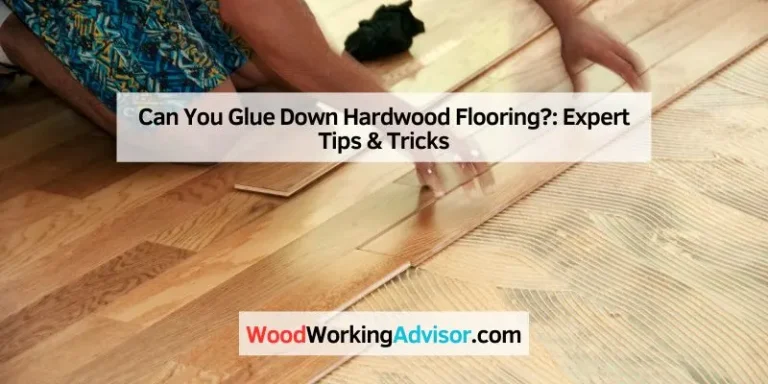
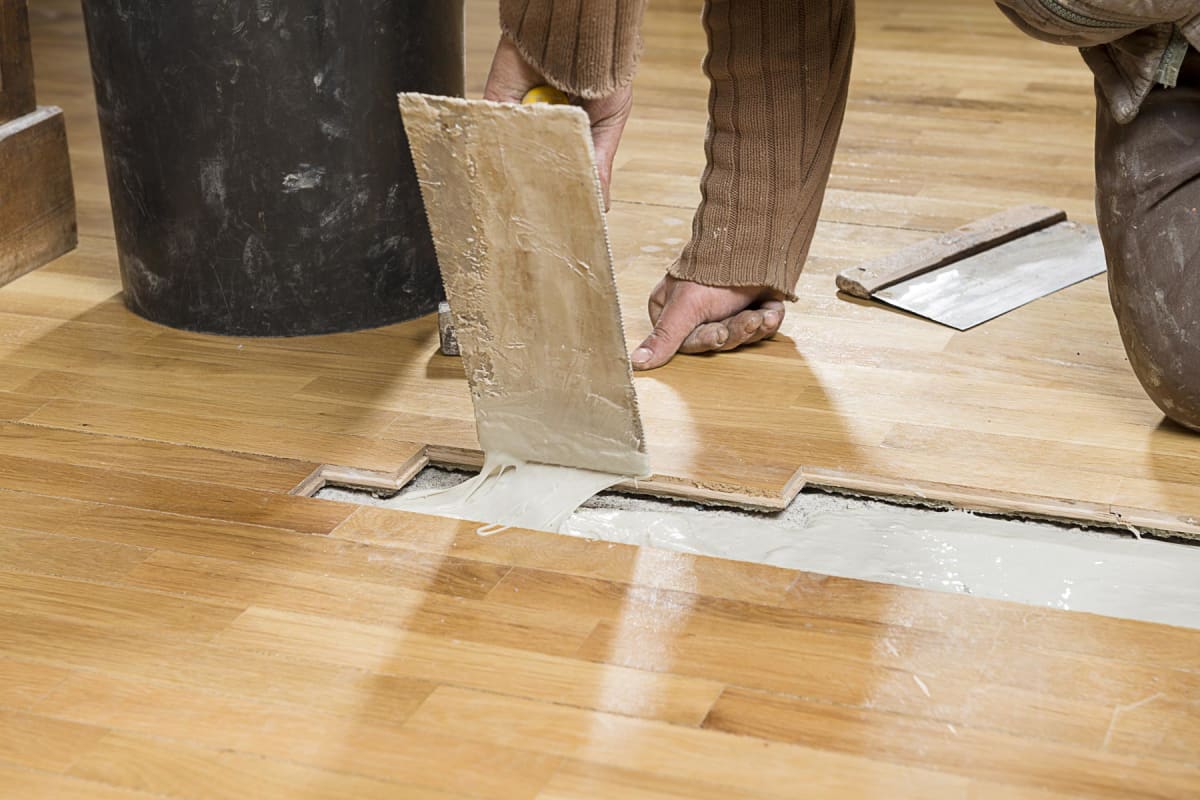
Professional installation costs between $6 and $12 per square foot. Labor costs can vary. They depend on the installer’s expertise. DIY installation might save money. But it requires tools and skills. Mistakes can be costly. Hiring experts ensures quality.
Old floor removal adds extra fees. This can be $2 to $5 per square foot. Disposal costs might also apply. Finishing and sealing are necessary. They cost around $1 to $3 per square foot. Unexpected repairs can increase total expenses. Always budget for surprises.
Types Of Hardwood Flooring
Replacing hardwood floors varies in cost, depending on wood type. Oak and maple are popular choices, offering durability and beauty. Costs can range from $6 to $12 per square foot, including installation.
Solid Hardwood
Solid hardwood is made from one piece of wood. It is strong and durable. These floors can last for many years. They can be sanded and refinished multiple times. This makes them a long-term choice. They are often more expensive than other types. They offer a classic look that is hard to match.
Engineered Hardwood
Engineered hardwood has a core made of layers. The top layer is real wood. It is more stable than solid hardwood. It can withstand changes in temperature and humidity. This makes it great for basements or kitchens. It often costs less than solid wood. It is a popular choice for many homeowners.
Exotic Woods
Exotic woods are unique and beautiful. They come from faraway places. They offer rare colors and patterns. These floors are often more expensive. They add a touch of luxury to any room. They can be harder to find and may require special care.

Credit: www.reddit.com
DIY Vs. Professional Installation
Replacing hardwood floors involves considering both DIY and professional installation costs. DIY might save money initially but requires tools and time. Professional installation ensures quality but comes with higher labor fees.
Pros And Cons Of DIY
Doing it yourself can save money. You buy materials and rent tools. But, it’s hard work and takes time. Mistakes can cost more. Some floors need special skills. DIY gives you control over the project. You learn new skills while working. It can be fun but also tiring. Think about your skill level and time.
Benefits Of Hiring Professionals
Hiring experts ensures a good job. They have the right tools and skills. Professionals work faster and safer. They know how to handle surprises. Less stress for you. It may cost more, but it saves time. You get peace of mind with quality work. They can offer advice on the best materials.
Budget-friendly Alternatives
Laminate flooring is a great choice. It looks like real wood. The cost is much less than real wood. Installation is easy. This makes it a popular choice for many. Laminate is also durable. It can last many years with care. It comes in many colors and styles. This makes it easy to match any room. You can find a style that fits your taste.
Vinyl plank flooring is another good option. It is waterproof and strong. This makes it perfect for kitchens and bathrooms. Vinyl is also soft underfoot. This makes it comfortable to walk on. It is cheaper than hardwood. Installation is simple. Many people can do it themselves. Vinyl planks come in many styles. They can look like wood or stone. Choose a style that matches your home.
Tips For Reducing Costs
Buying in Bulkcan save money on hardwood floors. Stores often give discounts for large orders. This means lower costs per square foot. Check with different suppliers for the best deals. Compare prices and choose wisely.
Another way to cut costs is by Negotiating Labor Rates. Talk to several contractors. Ask for their best price. Some might offer lower rates to get your business. Always ask for discounts or special offers. It never hurts to ask.
Timing Your Purchaseis crucial for savings. Buy when prices drop, like during sales. Avoid buying during high-demand seasons. This can lead to higher costs. Plan your purchase to get the best price. Timing can make a big difference.
Long-term Value And Roi
Hardwood floorsadd great value to your home. Buyers love them. Homes with hardwood floors often sell faster. They can sell for more money too. This makes them a smart investment. Spending money on new floors can increase the resale value. It is worth the cost. You get good returns.
Impact On Home Resale Value
New floors make homes look fresh. This attracts buyers. They see the quality and beautyof the wood. Your home stands out. It can lead to a higher sale price. People often pay more for homes with hardwood floors. They see it as a premium feature. This boosts your home’s value.
Durability And Maintenance
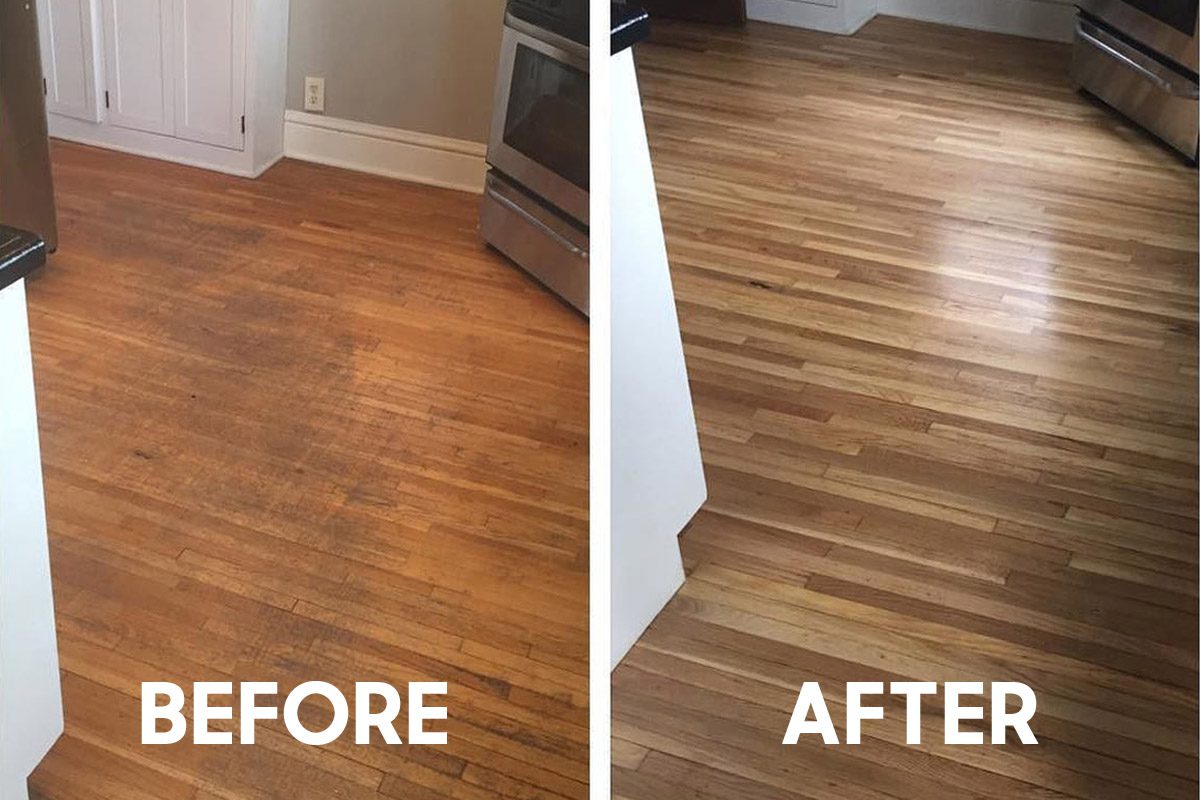
Hardwood floorslast a long time. They are strong and durable. With good care, they stay beautiful. Regular cleaning is needed. You should protect them from scratches. Avoid water spills. This keeps them looking new. Proper care extends their life. It saves money in the long run.
Credit: homeguide.com
Frequently Asked Questions
How Much Does It Cost To Install 1000 Square Feet Of Hardwood Floors?
Installing 1000 square feet of hardwood floors typically costs between $6,000 and $12,000. Prices vary based on wood type, labor, and location. Additional expenses may include underlayment, nails, and finishing materials. Obtain quotes from multiple contractors to ensure competitive pricing and quality workmanship.
Is It Cheaper To Repair Or Replace Hardwood Floors?
Repairing hardwood floors is typically cheaper than replacing them. Costs depend on damage extent and flooring type. Minor repairs can be affordable, while extensive damage might require replacement. Compare quotes for both options to decide. Professional assessment ensures optimal choice for your budget and floor condition.
How Much Would It Cost To Replace Hardwood Flooring?
Replacing hardwood flooring typically costs $6 to $12 per square foot. This price includes materials and installation. Costs can vary based on wood type, project size, and labor rates. Always get multiple quotes to ensure competitive pricing. Consider quality and durability when choosing hardwood options.
How Much Is Wood Flooring For A 2000 Sq Ft House?
Wood flooring for a 2000 sq ft house costs between $8,000 and $20,000. Prices vary by wood type and installation. For budget options, engineered wood can be cheaper. Solid hardwood typically costs more. Consider labor costs and location for accurate estimates.
Always compare quotes from different suppliers.
Conclusion
Replacing hardwood floors varies in cost, but it’s worth the investment. Consider the type of wood and installation method. Both affect the price. Shop around for the best deals. Quality materials ensure long-lasting results. Budget for extra expenses like underlayment and removal of old flooring.
A good contractor helps in avoiding mistakes. Plan carefully to stay within your budget. Beautiful floors enhance your home’s value and comfort. Choose wisely to enjoy lasting benefits.