How Much MDF Do I Need: Expert Calculation Guide
Are you planning a DIY project and wondering, “How much MDF do I need?” You’re not alone.
Figuring out the right amount of medium-density fiberboard (MDF) can be a bit tricky, but it’s crucial for a smooth and successful project. Imagine starting your project only to find you’re short on materials. Frustrating, right? But don’t worry, we’ve got you covered.
In this guide, you’ll discover easy tips and tricks that make calculating your MDF needs a breeze. Stick around, and soon you’ll feel confident and ready to tackle your project without any hiccups.
Understanding MDF Basics
MDF stands for Medium-Density Fiberboard. It’s made from wood fibers. These fibers are glued together. Then, they are pressed into sheets. MDF is smooth and dense. It is easy to cut and shape. Many people use it for furniture and cabinets. It has no knots or grain. So, it paints well. MDF is cheaper than solid wood. But it’s not as strong. Still, it’s great for many projects. Just keep it dry. Water can damage it.
People use MDF for many things. It is great for making furniture like shelves and tables. Many use it for cabinets in kitchens and bathrooms. It is perfect for crafting decorative pieces. MDF is also used for speaker boxes because it doesn’t vibrate. It can be used for making doors and panels too. It is easy to paint or cover with veneer. Always choose the right thickness for your project. Thicker MDF is stronger.
Credit: www.homedepot.com
Project Assessment
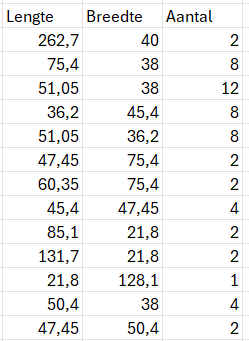
Figuring out how much MDF you need starts with the project scope. You should know what you want to build. Is it a small shelf, a big cupboard, or a table? Each project uses different amounts of MDF. Make a list of all parts you need. This helps to calculate the exact amount of MDF.
MDF is used in many projects. Common ones include furniture, cabinets, and wall panels. Crafts and DIY projects also use MDF. Each type of project has different requirements. Smaller projects use less MDF. Bigger ones need more. Knowing the project type helps in buying the right amount.
Measurements And Calculations
Measure each side carefully. Use a ruler for accuracy. Write down the length and width. Keep the numbers neat. Double-check to avoid mistakes. Measurements are the first step to know how much MDF you need.
Multiply length by width. This gives the area. Area shows how much surface the MDF will cover. To find volume, multiply area by thickness. Volume tells how much space it fills. Use simple math for these calculations. Write calculations clearly on paper. Check them twice for errors. Knowing area and volume helps decide how much MDF to buy.
Choosing The Right Thickness
MDF, or Medium Density Fiberboard, comes in different thicknesses. Common sizes include 6mm, 12mm, and 18mm. These are the standard thicknesses available in most stores. Thicker MDF is usually stronger and more durable. Thinner MDF is easier to cut and handle. For furniture, 18mm is often used. For small craft projects, 6mm might be enough. Always choose the right thickness for your project.
Several factors affect the choice of MDF thickness. Consider the weight the MDF will support. Thicker boards hold more weight. Also, think about the finish you want. Thinner MDF may warp easily. The cost is also a factor. Thicker MDF costs more but offers better durability. Lastly, consider the tools you have. Some tools work better with thinner MDF. Choose based on your needs and tools.
Estimating Quantity Needs
Measure the area you need to cover with MDF. Multiply length by width to get square footage. Always convert measurements to the same unit. This makes calculations easy and accurate. Divide square footage by MDF sheet size. This gives the number of sheets required. Round up the result for safety.
Always account for extra MDF. Mistakes happen during cutting. Extra material covers these errors. Add 10% more MDF to your total. This ensures you have enough for the project. It’s better to have more than needed. This avoids last-minute trips to the store.
Credit: www.homedepot.com
Budgeting For MDF Purchase
Estimating the cost for MDF can be easy. First, measure the area you need MDF for. Use a tape measure to find the length and width. Multiply these numbers to get the square footage. Next, check the MDF price per square foot. Multiply this price by the square footage. This gives you the total cost. Always add a bit more to your budget. This helps cover unexpected costs.
Finding good deals on MDF can save money. Start by checking local stores. Sometimes they offer discounts for bulk purchases. Ask the store manager about any promotions. Also, look online for deals. Many websites have special offers on MDF. Compare prices from different suppliers. This helps find the best deal. Some suppliers offer discounts for loyal customers. Always ask about loyalty programs.
Tips From Experts
Many people buy too much MDF. Wasting money is common. Others buy too little. This delays projects. Always measure twice. Double-check dimensions. Verify material thickness. Cutting MDF can be tricky. Use the right tools. Avoid using dull blades. Dull blades make rough cuts. Rough cuts waste material. Save time and money. Plan your cuts before you start. This helps avoid errors. Smart planning prevents wastage. Seek advice if unsure.
Experts suggest careful planning. Calculate your needs accurately. Consider the project size. Think about leftovers. Leftovers can be useful. They are handy for repairs. Store them properly. Keep them dry and clean. Experts advise using quality tools. Sharp tools make clean cuts. Choose the right blade for MDF. Check blade sharpness often. Replace dull blades quickly. This ensures smooth cutting.

Credit: www.reddit.com
Frequently Asked Questions
How Do I Work Out How Much MDF I Need For Panelling?
Measure the wall area where panelling is needed. Calculate total square footage. Divide by MDF panel size to find quantity. Consider extra for cuts and mistakes.
How Much Does A 1 2 4×8 Sheet Of MDF Weigh?
A 1/2 inch 4×8 sheet of MDF typically weighs around 55 to 65 pounds. The weight may vary slightly based on the manufacturer and moisture content. Always check specific product details for exact weight.
What Thickness Of MDF Should I Use?
Choose 1/4 inch MDF for small projects, like crafts. Opt for 1/2 inch for furniture and shelves. Use 3/4 inch for heavy-duty applications, like tabletops. Consider project requirements, weight support, and durability when selecting MDF thickness.
Is MDF Cheaper Than Plywood?
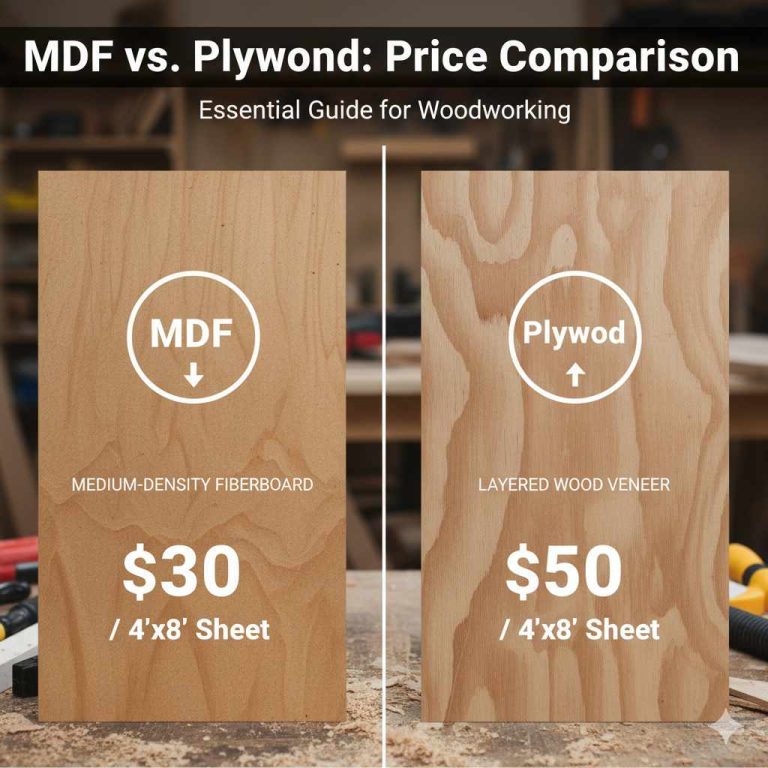
MDF is usually cheaper than plywood. It offers a cost-effective option for furniture and interior projects. MDF is dense and smooth, making it ideal for painting. Plywood is stronger and more durable, often preferred for structural applications. Choose MDF for budget-friendly projects with a smooth finish.
Conclusion
Calculating MDF needs can be tricky. Start by measuring your space. Use these measurements to determine sheet quantities. Remember to account for mistakes or changes. Buying a little extra MDF can be helpful. It ensures you don’t run out mid-project.
Consider the thickness and quality of MDF too. This impacts the project’s strength and finish. Always consult with your supplier. They can offer advice on the best MDF type for your project. With careful planning, you’ll have the right amount.
And your project will proceed smoothly. Happy building!