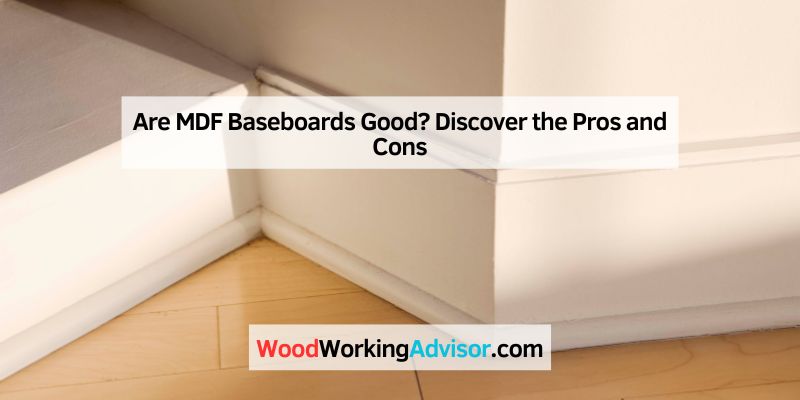
Are MDF Baseboards Good? Pros, Cons, and Where to Avoid Them
MDF baseboards are good for most rooms — they cost $1 to $1.40 per linear foot versus $1.40 to $2.50 for solid wood, resist warping better than natural wood, and take paint smoother — except in bathrooms, kitchens, or basements, where moisture causes MDF to swell and is difficult to repair. This guide covers the real cost difference, where MDF holds up, and which rooms to use solid wood instead.
Introduction To MDF Baseboards
Best Caulk for MDF Baseboard Seams
 |
DAP Alex Plus Acrylic Latex Caulk – $2.97 Fills the wall-seam and nail-hole gaps this guide’s installation steps call out, before priming and painting MDF baseboards.
|
When it comes to home improvement, baseboards might not be the first thing on your mind. But these seemingly small details can make a big difference in the look of a room. One popular choice for baseboards is MDF, or Medium-Density Fiberboard. But are MDF baseboards good? Let’s dive in and find out!
What Are MDF Baseboards?
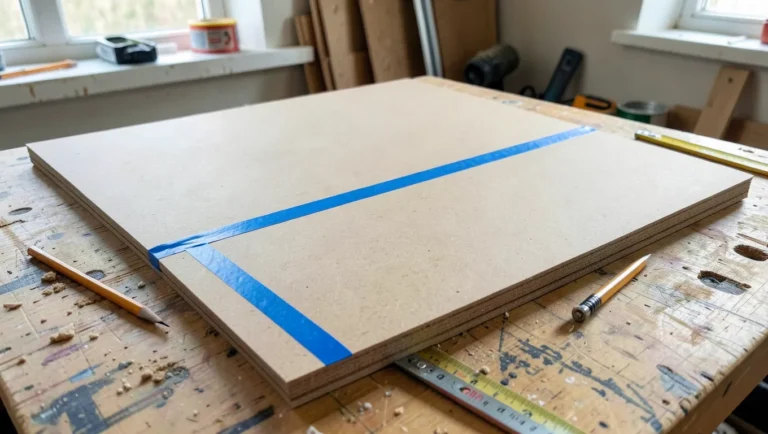
MDF stands for Medium-Density Fiberboard, a type of engineered wood product. MDF baseboards are made by breaking down hardwood or softwood residuals into wood fibers, combining them with wax and a resin binder, and forming panels by applying high temperature and pressure. This process creates a smooth, uniform surface that is perfect for baseboards.
Common Uses Of MDF Baseboards
MDF baseboards are versatile and can be used in various settings. Here are some common uses:
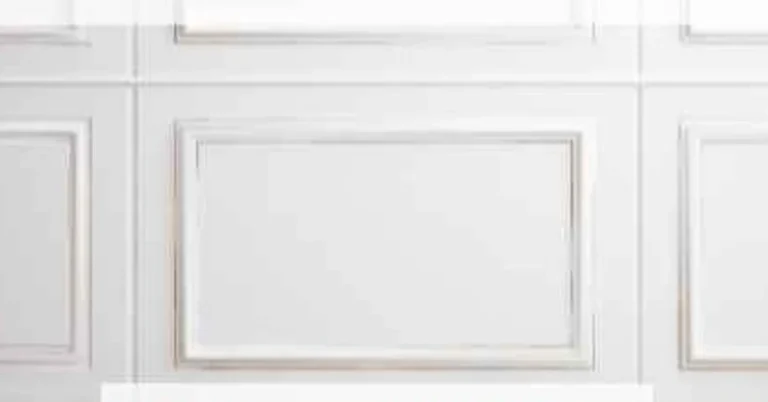
- Interior Trim: MDF baseboards are often used for interior trim in homes. They provide a clean, polished look that complements most decor styles.
- Door and Window Casings: They are also used around doors and windows to create a seamless transition between the wall and the trim.
- Flooring Edges: MDF baseboards can be installed along the edges of flooring to cover gaps and give a finished look.
So, are MDF baseboards good? They definitely have their advantages! They are cost-effective, easy to install, and can be painted to match any decor. If you’re looking for a budget-friendly option that doesn’t compromise on style, MDF baseboards might be just what you need.
Advantages Of MDF Baseboards
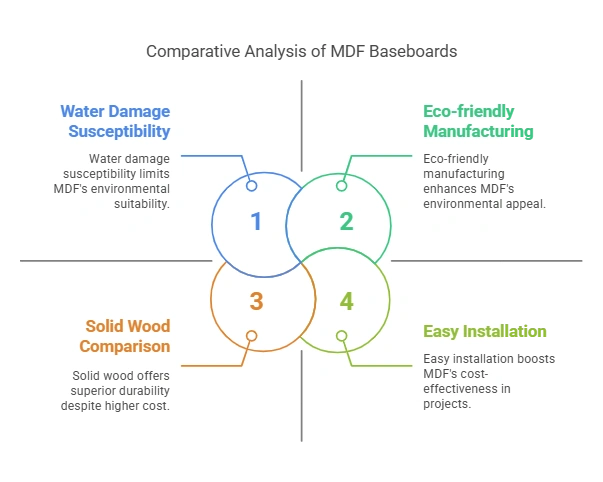
MDF is the most common baseboard material sold at big-box stores today, and the reasons come down to cost, paint-readiness, and consistency.
Cost-effective Option
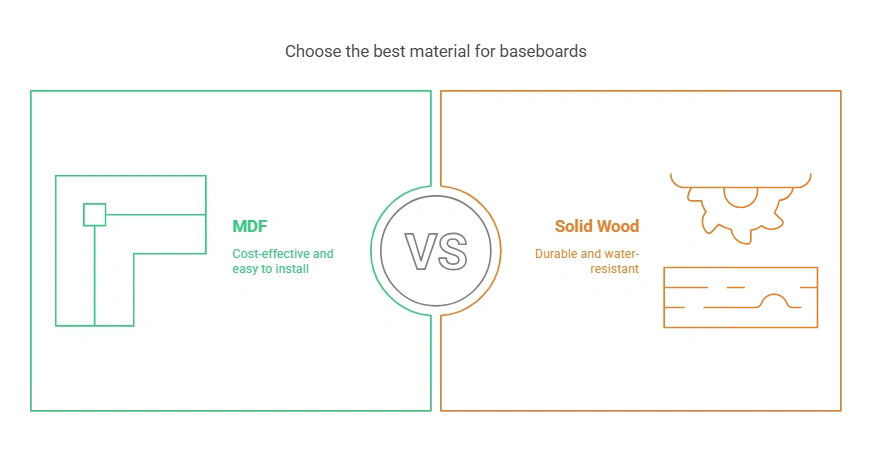
MDF baseboards typically run $1 to $1.40 per linear foot, compared to $1.40 to $2.50 per linear foot for solid wood baseboards — roughly half the material cost for a whole-house run of trim. Easier cutting also trims labor time if you’re hiring the install out.
Smooth And Consistent Surface
Ever noticed how some baseboards have a lot of knots and imperfections? That’s not the case with MDF. MDF baseboards have a smooth and consistent surface. This uniformity means they look cleaner and more polished once installed. No more worrying about those pesky knots ruining your perfect paint job!
Easy To Paint And Finish
Painting can be a chore, but MDF makes it a lot easier. MDF baseboards are easy to paint and finish. The smooth surface means the paint goes on evenly. Plus, MDF doesn’t have a strong grain, so you don’t need as many coats of paint. This saves you time and effort, letting you enjoy your newly decorated space sooner.
In summary, MDF baseboards offer a cost-effective, smooth, and easy-to-finish option for homeowners. Whether you’re on a tight budget or just want a hassle-free project, MDF is worth considering. Ready to give your home a fresh look? MDF baseboards might just be the perfect solution.
Durability And Strength
MDF’s uniform, engineered structure gives it real durability advantages over solid wood in specific conditions — and real weaknesses in others.
Resistance To Warping
MDF baseboards have a uniform structure. This structure resists warping better than natural wood. Natural wood can expand and contract with changes in humidity. MDF, on the other hand, remains stable. This quality makes MDF an excellent choice for baseboards.
Even in rooms with high humidity, MDF performs well. It does not twist, bend, or crack easily. This resistance ensures your baseboards look great for a long time.
Longevity In Different Environments
MDF baseboards are suitable for various environments. They work well in both dry and humid conditions. This versatility is due to their engineered nature. MDF is created from wood fibers, wax, and resin. These materials are combined under high pressure.
The result is a strong, durable product. MDF baseboards last longer in many settings. Whether in a bathroom, kitchen, or living room, they maintain their appearance. Properly installed and maintained, MDF baseboards can serve you well for years.
Installation And Maintenance
When it comes to home improvement projects, installing and maintaining baseboards can seem like a daunting task, especially if you are considering MDF (Medium-Density Fiberboard). This section will break down the process into manageable steps, ensuring you can confidently install and maintain your MDF baseboards. Let’s dive into the essentials of installation and maintenance to keep your baseboards looking pristine for years to come.
Ease Of Installation
One of the most appealing aspects of MDF baseboards is their ease of installation. Unlike traditional wood baseboards, MDF is lightweight and easy to cut, making it a favorite among DIY enthusiasts and professionals alike.
- Lightweight: MDF baseboards are lighter than wood, making them easier to handle and install, even if you are working alone.
- Precision Cutting: MDF cuts cleanly without splintering, which is a common issue with wood. This ensures a smooth, professional finish.
- Cost-effective: MDF is generally more affordable than natural wood, helping you save money on your home renovation project.
Installing MDF baseboards is straightforward if you follow these steps:
- Measure the length of the walls where the baseboards will be installed.
- Cut the MDF baseboards to the required lengths using a miter saw for precise angles.
- Apply construction adhesive to the back of the baseboard.
- Press the baseboard firmly against the wall and secure it with finishing nails.
- Fill any gaps or nail holes with wood filler and sand smooth once dry.
- Prime and paint the baseboards to your desired finish.
Maintenance Tips
Maintaining MDF baseboards is essential to keep them looking their best. While MDF is durable, it does require some care to avoid damage and wear over time.
- Regular Cleaning: Dust your baseboards regularly with a soft cloth or a vacuum with a brush attachment to prevent dirt buildup.
- Avoid Water: MDF is susceptible to water damage. When cleaning, use a slightly damp cloth rather than soaking the baseboards.
- Touch Up Paint: Over time, your baseboards might get scuffed or chipped. Keep some touch-up paint handy to cover any blemishes quickly.
For more stubborn stains or marks, follow these steps:
- Gently wipe the area with a damp cloth and mild detergent.
- For tougher spots, use a magic eraser, but test it on an inconspicuous area first to ensure it doesn’t damage the paint.
- Reapply a coat of paint if necessary to restore the baseboard’s appearance.
By following these simple maintenance tips, you can keep your MDF baseboards looking fresh and new, adding a touch of elegance to your home for years to come.
Environmental Impact
MDF’s use of recycled wood fiber gives it a real sustainability edge over solid lumber.
Sustainability Of MDF
MDF is made from wood fibers that are often sourced from wood waste and recycled materials. This reduces the need to cut down new trees, making it a more sustainable option compared to solid wood. By using materials that would otherwise be discarded, MDF helps in conserving forests and reducing deforestation.
Moreover, MDF baseboards are known for their durability. They don’t warp or crack easily, which means they have a longer lifespan. This longevity means fewer replacements, reducing the overall demand for raw materials over time.
Eco-friendly Manufacturing Processes
The manufacturing process of MDF has also seen significant improvements over the years. Many manufacturers now use low-emission resins and binders that reduce the release of harmful chemicals into the environment. This means less air pollution and a healthier planet.
Additionally, some companies have adopted energy-efficient production methods, further lowering the carbon footprint of MDF. By choosing MDF baseboards from these eco-conscious manufacturers, you can contribute to a more sustainable future.
MDF’s recycled-fiber content and lower per-unit material use make it the more sustainable baseboard choice for most renovation budgets.
Potential Drawbacks
While MDF baseboards offer a range of benefits, they are not without their potential drawbacks. Understanding these can help in making an informed decision about whether MDF baseboards are the right choice for your home.
Susceptibility To Water Damage
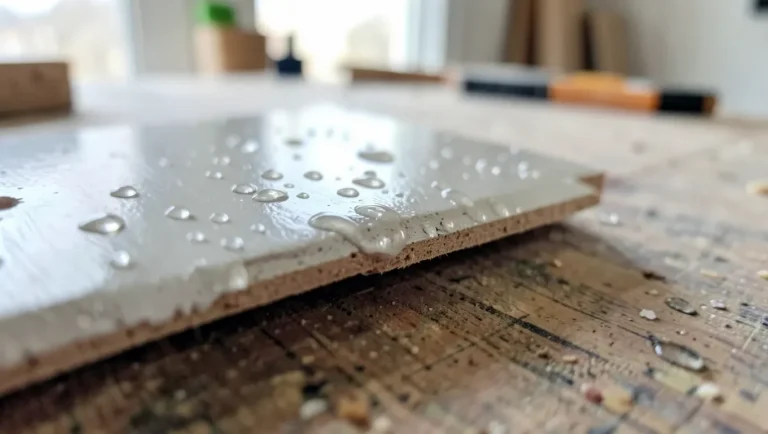
MDF baseboards can be more susceptible to water damage compared to solid wood. They can swell or warp when exposed to moisture for a long time. This makes them less ideal for areas with high humidity or frequent spills. Bathrooms or basements may not be the best places for MDF baseboards. Once damaged by water, they are often difficult to repair.
Comparative Weakness To Solid Wood
MDF baseboards are generally not as strong as solid wood. They can dent or scratch more easily. Heavy impacts or sharp objects can damage the surface. Solid wood baseboards tend to be more durable and long-lasting. This makes solid wood a better option for high-traffic areas. MDF may not withstand the same level of wear and tear.
📊 MDF baseboards cost $1–$1.40 per linear foot installed, versus $1.40–$2.50 for solid wood — Source: Angi, MDF vs. Wood Baseboards Cost Guide
Comparing MDF To Other Materials
When choosing baseboards for your home, the material matters. MDF, or Medium Density Fiberboard, is a popular option. But how does it compare to other materials like solid wood and PVC? Let’s explore these differences.
MDF Vs. Solid Wood
MDF baseboards are more affordable than solid wood. They have a smooth surface, which is great for painting. Solid wood baseboards, on the other hand, offer natural beauty. They come with unique grain patterns. Solid wood is also more durable. But it can warp in humid conditions. MDF resists warping better but is less tough against impacts.
MDF Vs. PVC
Comparing MDF to PVC, both have their pros and cons. PVC baseboards are water-resistant. This makes them ideal for bathrooms and kitchens. MDF does not handle moisture well. But MDF is easier to work with. You can cut, shape, and paint it easily. PVC can be harder to paint. It also tends to be more flexible, which can be a drawback. MDF provides a more rigid structure, making installation easier.
Frequently Asked Questions
What Are The Cons Of MDF Baseboards?
MDF baseboards are less durable, prone to moisture damage, and harder to repair. They can swell and warp easily.
Where Should You Not Use MDF Trim?
Avoid using MDF trim in high-moisture areas like bathrooms, kitchens, or basements. It can swell and warp when exposed to water.
What Is The Best Material For Baseboards?
MDF is one of the most popular and cost-effective materials for baseboards in dry, low-traffic rooms — it’s affordable, paint-friendly, and resists warping. Solid wood is the better choice for high-traffic areas or anywhere impact resistance matters more than cost.
Can I Use Mdf Boards As Baseboards?
Yes, you can use MDF boards as baseboards. They are affordable, easy to work with, and provide a smooth finish.
How Much More Does Solid Wood Cost Than MDF Baseboards?
Solid wood baseboards cost roughly 40–80% more than MDF — about $1.40 to $2.50 per linear foot for wood versus $1 to $1.40 for MDF. On a typical home with 300+ linear feet of trim, that difference adds up to several hundred dollars in material cost alone.
Conclusion
MDF baseboards offer a cost-effective and versatile option for homes. They are easy to install and paint, fitting various styles. While they may not be as durable as wood, their affordability and design flexibility make them a popular choice. Consider your needs and budget before deciding.
Overall, MDF baseboards can be a good choice for many homeowners.
Sponsored / affiliate links. As an Amazon Associate I earn from qualifying purchases. I may earn additional commission from eligible campaigns.