How Strong Is Mahogany? Unveiling Its Mighty Traits
Mahogany is a strong and durable hardwood, known for its resistance to wear and tear. Its density and natural oils contribute to its impressive strength.
Mahogany stands out as one of the most sought-after woods in furniture making and cabinetry. Its rich, warm color and beautiful grain patterns enhance any design, making it a favorite for both artisans and homeowners. Beyond aesthetics, mahogany boasts remarkable strength, making it ideal for high-quality furniture and structures.
This hardwood can withstand significant stress, ensuring longevity in various applications. Its resistance to rot and insects further increases its appeal, especially in humid environments. Choosing mahogany means investing in both beauty and durability, perfect for enhancing the elegance of any space.
The Majesty Of Mahogany
Mahogany stands tall among woods. Its rich color, durability, and beauty make it a favorite. This wood has a deep history and symbolizes luxury. Let’s explore its significance and allure.
Historical Significance
Mahogany has a vibrant history. It was first used by ancient civilizations. The Mayans and Aztecs prized this wood for its strength and beauty.
- Colonial Era: Mahogany became popular in Europe.
- Furniture Making: Craftsmen used mahogany for fine furniture.
- Shipbuilding: Its strength made it ideal for boats.
This wood was often associated with wealth. The rich decorated their homes with mahogany furniture. Today, it remains a symbol of craftsmanship.
Symbol Of Luxury
Mahogany is a hallmark of luxury. Its deep, reddish-brown color impresses everyone. This wood is smooth and easy to work with.
| Feature | Description |
|---|---|
| Color | Rich reddish-brown, deepens over time. |
| Durability | Resistant to wear and decay. |
| Workability | Easy to cut, shape, and finish. |
Many luxury brands use mahogany in their products. It adorns yachts, high-end furniture, and décor. Owning mahogany items signifies status and taste.
Its timeless appeal keeps mahogany in demand. This wood connects the past with the present. It remains a favorite among artisans and designers.
Botanical Profile
The botanical profile of mahogany reveals its unique characteristics. This hardwood is known for its beauty and durability. Understanding its species variants and geographical spread helps appreciate its value.
Species Variants
Mahogany belongs to the genus Swietenia. Here are the main species:
- Swietenia macrophylla – Known as Honduras mahogany.
- Swietenia mahagoni – Commonly referred to as Cuban mahogany.
- Swietenia humilis – Also called small-leaved mahogany.
Each species has distinct features:
| Species | Characteristics |
|---|---|
| Swietenia macrophylla | Large leaves, reddish-brown color, high demand. |
| Swietenia mahagoni | Rich color, fine grain, historical significance. |
| Swietenia humilis | Smaller size, less common, often used locally. |
Geographical Spread
Mahogany trees thrive in tropical regions. Their main habitats include:
- Central America
- Southern Mexico
- Parts of the Caribbean
These areas provide the warm climate mahogany needs. The trees often grow in:
- Rainforests
- Lowland forests
- Coastal areas
Environmental factors impact their growth. Proper conditions promote healthy and strong mahogany.
Physical Characteristics
The physical characteristics of mahogany make it a sought-after wood. Its unique features enhance its beauty and durability. Let’s explore its color, grain, density, and hardness.
Color And Grain
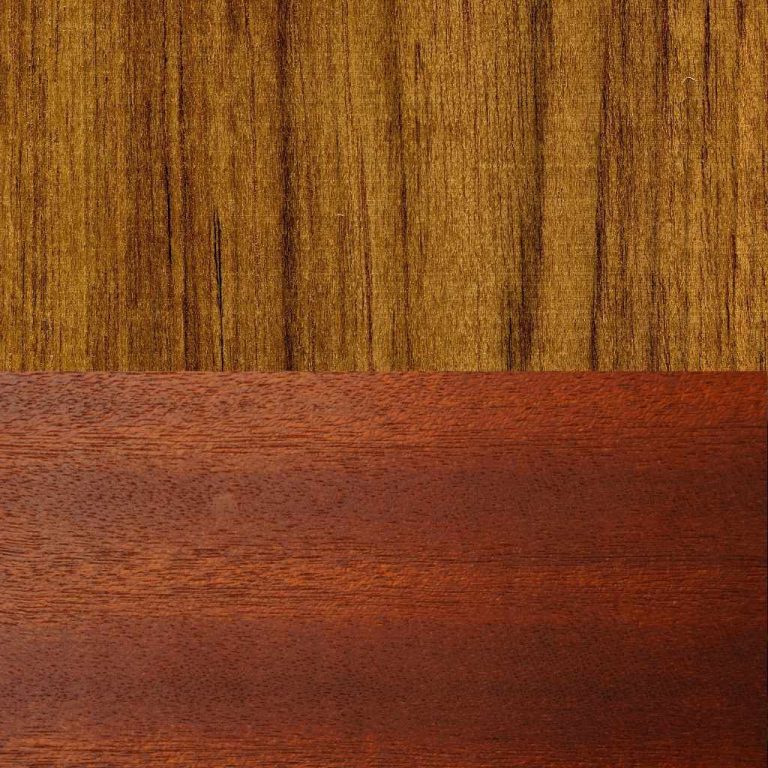
Mahogany is famous for its rich, reddish-brown color. This wood can range from light to dark shades. The grain is straight and fine, which adds elegance to any piece. Here are some key points about its color and grain:
- Deep reddish-brown color.
- May darken with age.
- Straight, fine grain pattern.
- Occasional wavy or curly patterns.
This combination of color and grain provides a stunning appearance. It suits both traditional and modern designs.
Density And Hardness
Mahogany is known for its impressive density and hardness. These properties contribute to its strength and durability. Here’s a brief overview:
| Property | Measurement |
|---|---|
| Density | 30-40 lbs per cubic foot |
| Hardness (Janka scale) | 1,500 – 1,600 lbf |
This density makes mahogany resistant to dents and scratches. It is an excellent choice for furniture and flooring.
Its hardness allows for intricate carvings and designs. Artisans love working with this wood for its versatility.
Mechanical Properties
The mechanical properties of mahogany play a crucial role in its applications. Understanding these properties helps in selecting the right wood for specific needs. Mahogany is known for its strength, durability, and workability.
Tensile Strength
Tensile strength measures how much force wood can withstand when stretched. Mahogany boasts impressive tensile strength, making it suitable for various projects.
Here’s a quick look at its tensile strength:
| Wood Type | Tensile Strength (psi) |
|---|---|
| Mahogany | 8,000 – 10,000 |
| Oak | 6,000 – 8,000 |
| Pine | 4,000 – 5,000 |
Mahogany’s high tensile strength allows it to resist breakage. This makes it ideal for furniture and cabinetry.
Durability Factors
Durability is vital for wood used in construction. Mahogany is naturally resistant to decay, insects, and moisture. These factors contribute to its long lifespan.
- Decay Resistance: Mahogany resists fungal attacks effectively.
- Insect Resistance: It deters pests like termites.
- Moisture Resistance: Mahogany withstands humid conditions.
These qualities make mahogany a preferred choice for outdoor furniture and structures.
Overall, the mechanical properties of mahogany ensure it remains a top choice for builders and artisans.
Resistance To Elements
Mahogany wood is well-known for its strength and durability. It withstands various environmental challenges. This makes it a popular choice for outdoor furniture and structures. Let’s explore its resistance to elements in detail.
Decay And Pest Resistance
Mahogany is naturally resistant to decay. Its dense grain helps prevent moisture absorption. This quality keeps it strong over time. Here are some key points:
- Natural oils deter insects.
- Less prone to rot compared to other woods.
- Ideal for humid environments.
Many pests avoid mahogany. This makes it a smart choice for furniture. Homeowners appreciate its low maintenance needs. Regular treatments enhance its natural defenses.
Weathering And Wear
Mahogany withstands harsh weather conditions. It resists fading and warping. This wood maintains its beauty for years. Below is a comparison of mahogany with other common woods:
| Wood Type | Decay Resistance | Pest Resistance | Weather Resistance |
|---|---|---|---|
| Mahogany | High | High | Excellent |
| Oak | Medium | Medium | Good |
| Pine | Low | Low | Poor |
Mahogany’s rich color does not fade easily. It maintains its appeal in various climates. This resilience makes it a favorite for outdoor projects.
Workability And Use
Mahogany is famous for its beauty and strength. Its workability makes it a favorite among woodworkers. This section explores the ease of crafting mahogany and its common applications.
Ease Of Crafting
Crafting with mahogany is easy for several reasons:
- Softness: Mahogany is not too hard. It cuts easily.
- Stability: It resists warping and shrinking.
- Finishing: Mahogany takes stains and finishes very well.
- Machinability: It works well with machines and hand tools.
Woodworkers appreciate these qualities. They can create detailed designs without much effort. Mahogany allows for smooth edges and intricate carvings.
Common Applications
Mahogany is widely used in various projects. Here are some common applications:
| Application | Description |
|---|---|
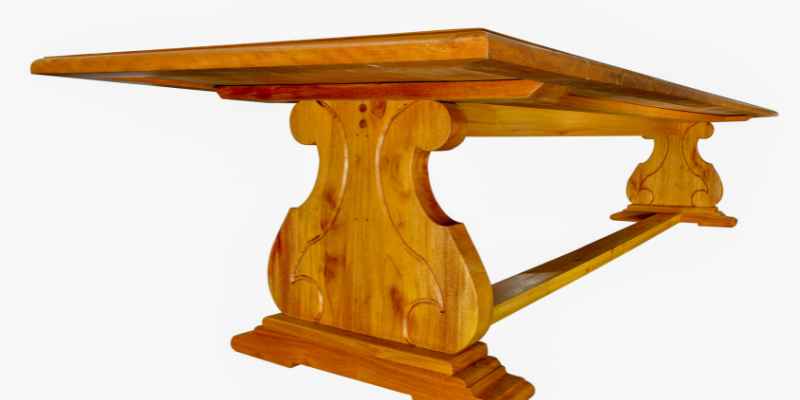
| Furniture | Dining tables, chairs, and cabinets. |
| Musical Instruments | Guitars and pianos, known for their rich sound. |
| Boat Building | Durable and water-resistant, ideal for hulls. |
| Interior Design | Paneling, flooring, and decorative accents. |
These applications highlight mahogany’s versatility. Its stunning appearance adds elegance to any project.
Sustainability Concerns
Sustainability is crucial for the future of mahogany. This beautiful wood faces many challenges. Conservation efforts and sourcing challenges affect its availability. Understanding these issues helps promote responsible use.
Conservation Efforts
Many organizations work to protect mahogany forests. They aim to balance use and conservation. Here are some key efforts:
- Reforestation Projects: Planting new trees to replace those cut down.
- Protected Areas: Designating land where logging is not allowed.
- Community Engagement: Involving local communities in conservation.
- Certification Programs: Ensuring sustainable logging practices.
These efforts help maintain healthy ecosystems and support biodiversity.
Sourcing Challenges
Sourcing mahogany responsibly can be difficult. Illegal logging is a significant issue. Here are some challenges faced:
| Challenge | Description |
|---|---|
| Illegal Logging | Logging without permission harms forests. |
| Market Demand | High demand leads to over-exploitation of resources. |
| Supply Chain Issues | Tracking wood from forest to market is complex. |
| Climate Change | Changing weather patterns affect mahogany growth. |
Addressing these challenges is vital for sustainable mahogany sourcing.
Comparative Analysis
Understanding how strong mahogany is requires comparison with other woods. Mahogany is known for its durability and beauty. This section explores how it stands against other hardwoods.
Mahogany Vs. Other Hardwoods
Mahogany has unique properties that make it desirable. Let’s compare it to other common hardwoods:
| Type of Wood | Density (kg/m³) | Hardness (Janka Scale) | Durability |
|---|---|---|---|
| Mahogany | 600 – 850 | 1,500 | High |
| Oak | 700 – 900 | 1,300 | Very High |
| Maple | 700 – 800 | 1,450 | High |
| Cherry | 600 – 750 | 950 | Moderate |
Mahogany is less dense than oak but offers good hardness. Its rich color and grain make it visually appealing. While oak is harder, mahogany excels in workability.
Cost-benefit Considerations
Choosing wood involves balancing cost and benefits. Mahogany is often more expensive than other hardwoods. Here are some key factors:
- Price Range: Mahogany costs $8 – $15 per board foot.
- Longevity: Mahogany lasts longer than many alternatives.
- Maintenance: Requires less maintenance compared to softer woods.
- Resale Value: Mahogany furniture retains value well.
- Assess your budget.
- Consider the project’s longevity.
- Evaluate the look and feel of mahogany.
- Make an informed decision based on needs.
Mahogany offers a blend of beauty and strength. Its cost reflects its quality and longevity. Investing in mahogany can enhance the value of your projects.
Frequently Asked Questions
How Durable Is Mahogany Wood?
Mahogany wood is known for its durability. It resists wear, decay, and insects effectively. This makes it ideal for furniture and cabinetry. Its strength also allows it to withstand heavy use over time. Overall, mahogany is a long-lasting choice for various applications.
Is Mahogany Good For Outdoor Use?
Mahogany can be used outdoors, but with precautions. While it has natural resistance to moisture, prolonged exposure can lead to damage. Applying a protective sealant enhances its durability against the elements. For best results, ensure proper maintenance and care to prolong its lifespan.
How Does Mahogany Compare To Oak?
Mahogany and oak differ significantly in appearance and properties. Mahogany has a rich, reddish-brown color, while oak is lighter, with a yellowish hue. Mahogany is generally softer and easier to work with than oak. However, oak is stronger and more resistant to dents and scratches.
What Are The Uses Of Mahogany Wood?
Mahogany wood is versatile and widely used. It’s popular for furniture, cabinetry, and musical instruments. Its fine grain and rich color make it aesthetically pleasing. Additionally, mahogany is used in boat building and flooring due to its durability and resistance to the elements.
Conclusion
Mahogany stands out for its impressive strength and durability. This hardwood is perfect for furniture, cabinetry, and flooring. Its natural resistance to moisture and pests adds to its appeal. Choosing mahogany ensures longevity and beauty in your projects. Invest in this timeless material for quality that lasts.