Mahogany Wood Pros and Cons: The Real Disadvantages for a Table
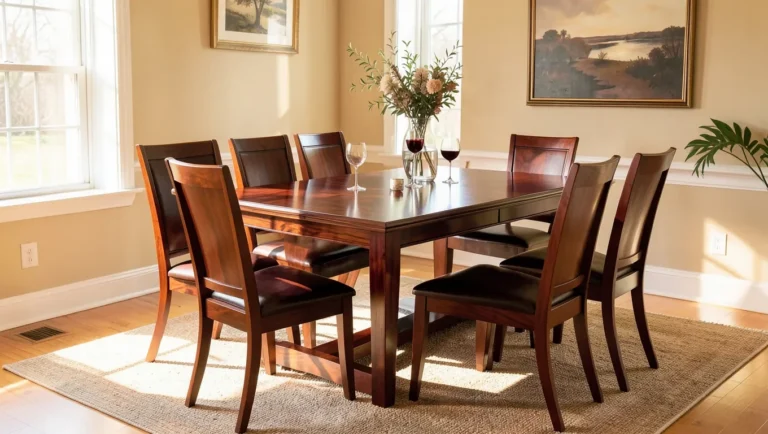
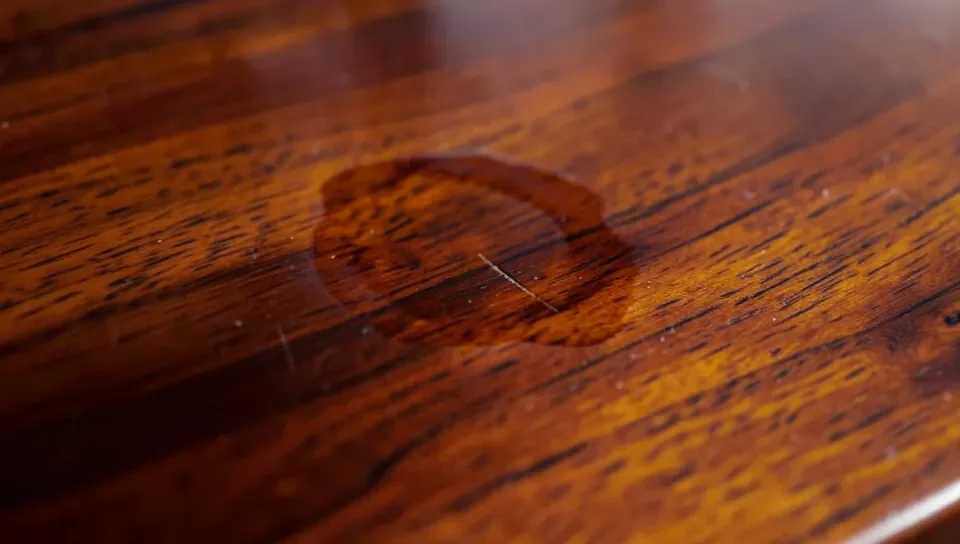
The real disadvantage of mahogany for a table isn’t rot or workability — it’s surface hardness. Mahogany’s Janka rating of roughly 800-900 lbf is meaningfully softer than red oak (~1,290 lbf) or hard maple (~1,450 lbf), which means a mahogany tabletop dents and scratches more easily under everyday use than those harder alternatives.
The Real Cons, Not Generic Ones
For When the Softness Con Shows Up
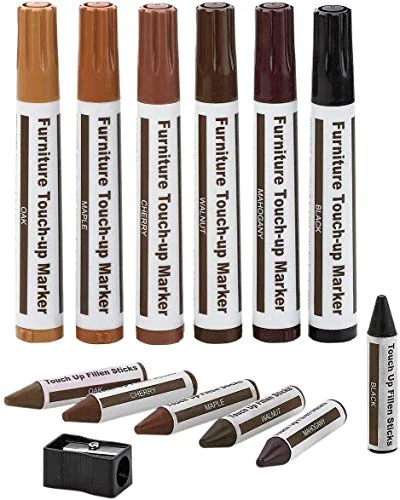 |
Furniture Repair Kit Wood Markers, Set of 13 – $9.96 Mahogany’s real weak point is surface scratches and dents from its moderate hardness — this fixes the cosmetic damage fast.
|
Beyond surface hardness, mahogany’s genuine drawbacks for furniture include: a real price premium for CITES-restricted genuine Honduran mahogany (African mahogany is the common, more affordable substitute), color that darkens noticeably with UV exposure over time (a con if you want consistent color, a pro if you like the aged patina), and moderate but not top-tier rot resistance if used outdoors without a protective finish. None of these are disqualifying, but they’re the specific, real trade-offs — not vague “it has some downsides” filler.
The Genuine Pros That Balance This Out
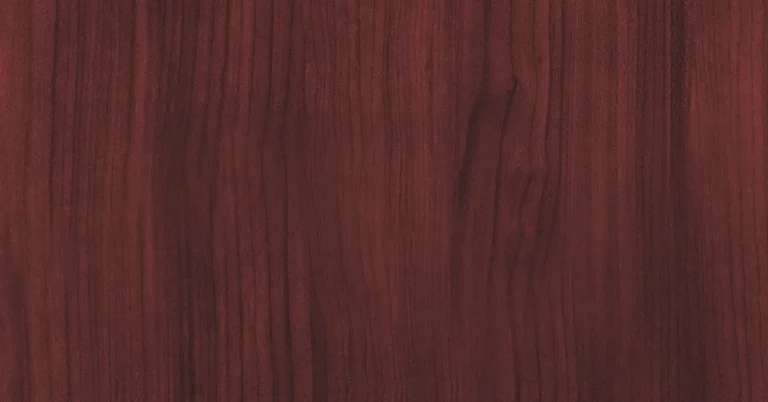
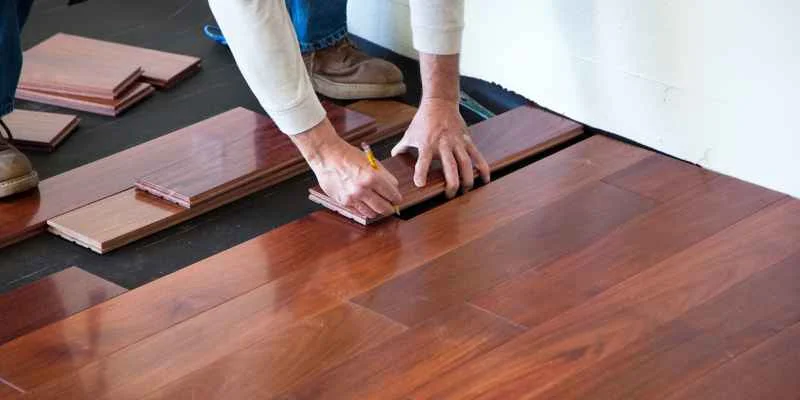
Mahogany’s real strengths are workability (it cuts, carves, and finishes smoothly with minimal tear-out, genuinely easier to work than harder woods like oak), a naturally attractive reddish-brown color and fine grain that takes finish beautifully, and moderate weight that makes furniture easier to move than an equivalent oak or walnut piece. For carved details, curved furniture parts, or veneer work, mahogany’s workability is a real practical advantage over harder alternatives, not just an aesthetic one.
Should You Still Use Mahogany for a Table?
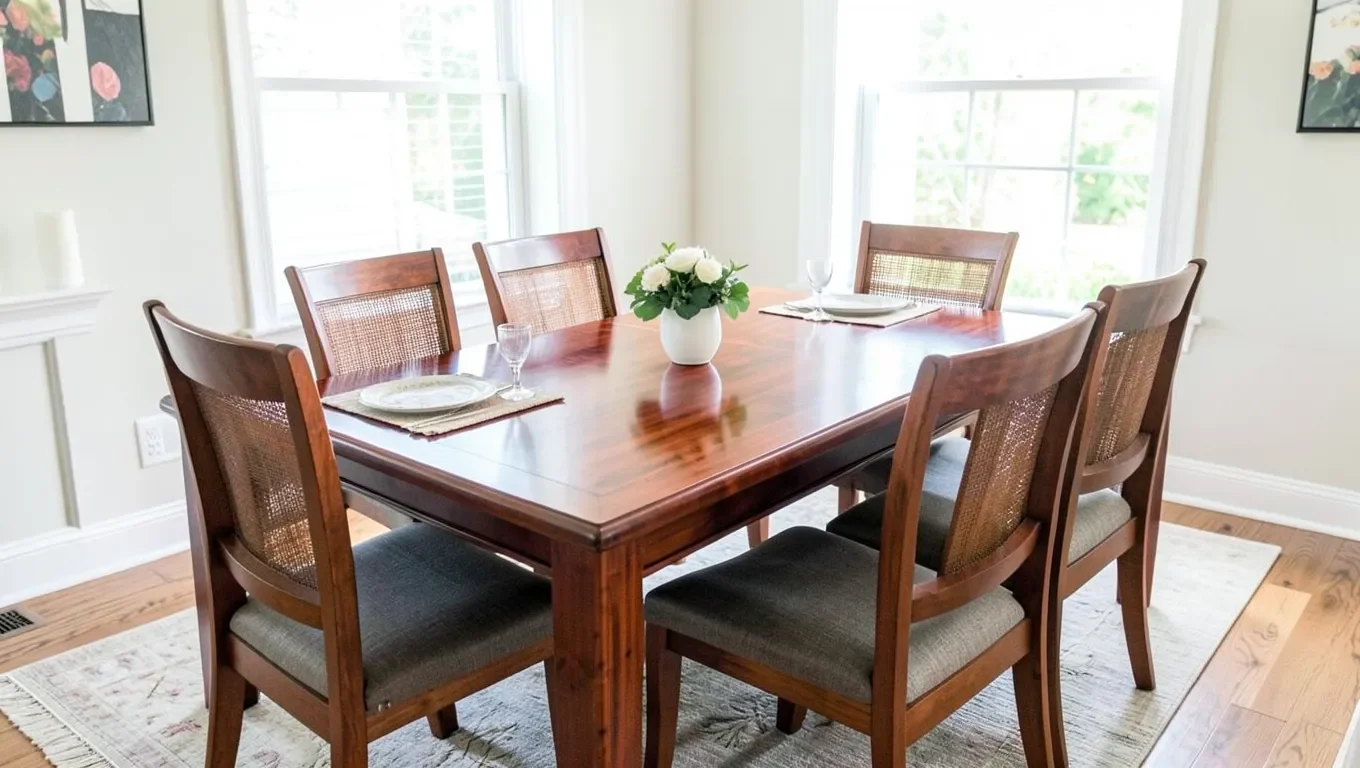
Yes, for most household use — the hardness disadvantage is real but manageable with a quality finish (a polyurethane topcoat adds real surface protection beyond the wood’s own hardness) and reasonable care (coasters, trivets for hot items). For a table that will see genuinely heavy daily abuse (a busy family kitchen table, a workshop bench), oak or maple’s extra hardness is a legitimate reason to choose them instead — but for a dining table, coffee table, or occasional-use piece, mahogany’s workability and appearance advantages generally outweigh the softness trade-off.
Frequently Asked Questions
What’s the biggest disadvantage of mahogany for a table?
Its moderate Janka hardness (800-900 lbf), softer than oak or maple, means it scratches and dents more easily under everyday use.
Is mahogany worth it despite being softer than oak?
For most household use, yes. A quality finish and reasonable care offset the hardness disadvantage, and mahogany’s workability and appearance are genuine advantages oak doesn’t match.
Does mahogany darken over time?
Yes, noticeably, from UV light exposure. This is a real characteristic, not a defect — some buyers consider the resulting patina a benefit rather than a drawback.
Conclusion
Mahogany’s real con for a table is its moderate hardness, not fabricated concerns about durability or workability — and that con is manageable with a proper finish and normal care for most households. Choose oak or maple instead specifically if the table will face heavy daily abuse; otherwise, mahogany’s real pros hold up. Building an entertainment center instead of a table? Ventilation matters more than the wood there.
Sponsored / affiliate links. As an Amazon Associate I earn from qualifying purchases. I may earn additional commission from eligible campaigns.