Can You Paint Mahogany Wood: Yes, Here’s How to Prep It
Yes, you can paint mahogany wood – but its natural tannins bleed through ordinary primer, staining the topcoat pink or brown within days. Skipping a shellac-based, stain-blocking primer is the single most common reason a mahogany paint job fails. This guide covers sanding, primer selection, paint application, and how to fix bleed-through if it already happened.
Introduction To Mahogany Wood
Best Primer Pick For Mahogany
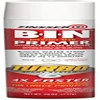
Zinsser B-I-N Shellac Primer-Sealer – $29.77
This is the shellac-based primer woodworkers reach for specifically because mahogany’s tannins bleed through ordinary latex or oil primers – the alcohol-based shellac formula seals them in instead.
- Best for: sealing tannin-rich woods like mahogany before painting
- Why we picked it: shellac blocks tannin bleed that water-based and even oil-based primers can let through
- Main drawback: strong odor and needs denatured alcohol for cleanup, so use it in a ventilated space
As an Amazon Associate we earn from qualifying purchases.
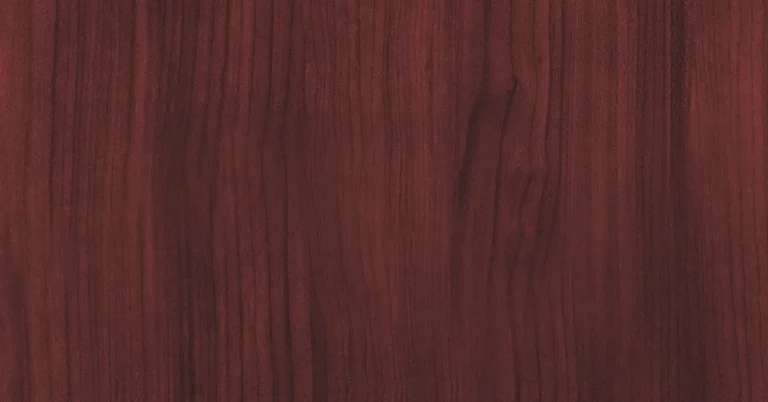
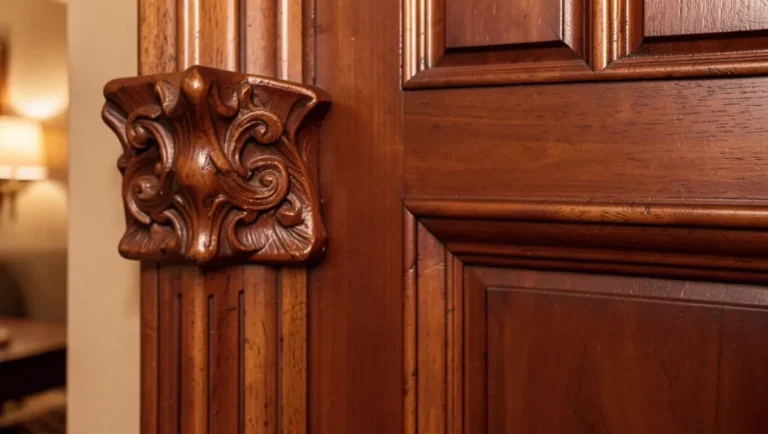
Mahogany is a dense, fine-grained hardwood prized for furniture and cabinetry. Its natural color ranges from light pink to deep reddish-brown, and it resists warping better than most hardwoods – but that same density holds tannins that can bleed through paint if the surface isn’t sealed correctly.
Characteristics Of Mahogany
- Color: Ranges from light pink to deep reddish-brown.
- Grain: Straight grain with a fine, uniform texture.
- Durability: Highly resistant to wear and moisture.
- Workability: Easy to cut, sand, and finish.
- Tannin content: High enough to bleed through water-based primers and paints.
Pre-painting Preparation
Preparing mahogany wood for painting determines whether the paint holds or peels within months. Follow these steps in order.
Cleaning The Surface
- Mix warm water with a mild soap and dampen a soft cloth.
- Wipe the wood to remove dust, grease, and old wax or oil finish.
- Rinse with a clean, damp cloth and let the surface dry fully.
Any leftover oil or wax residue blocks paint adhesion, so this step isn’t optional even on wood that looks clean.
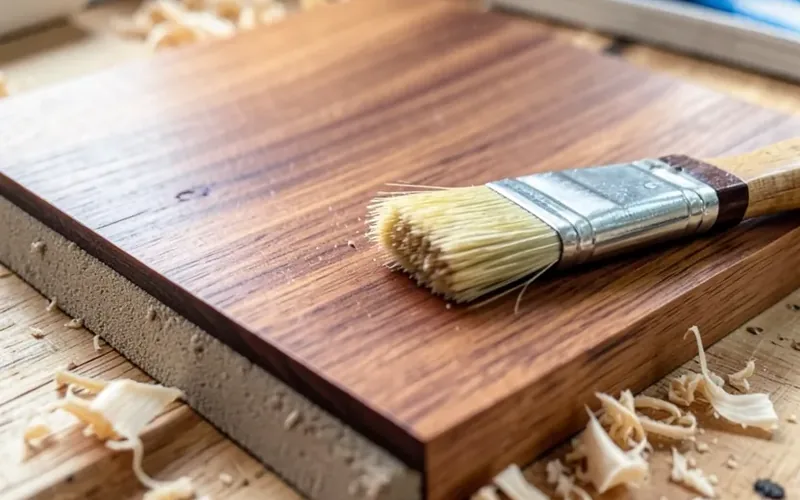
Sanding Techniques
- Start with 120-150 grit sandpaper, sanding in the direction of the grain.
- Apply even pressure to avoid gouging the surface.
- Finish with 220 grit for a smooth surface that still has enough tooth for primer to grip.
- Vacuum or wipe away all sanding dust before priming.
Selecting The Right Paint
The paint matters less than the primer underneath it on mahogany, but oil-based and water-based topcoats still perform differently.
Oil-Based Vs. Water-Based Options
| Type of Paint | Pros | Cons |
|---|---|---|
| Oil-Based | Durable finish, rich color depth, better for outdoor use | Long drying time, strong odor, needs solvents for cleanup |
| Water-Based | Quick drying, low odor, easy soap-and-water cleanup | Less durable than oil-based, can raise the wood grain |
Either paint works once a shellac primer has sealed the tannins – the primer, not the topcoat, is what stops bleed-through.
Choosing Colors For Mahogany
- Always test paint samples on a small, hidden area first.
- Light grays and whites make the most visual contrast against mahogany’s warm undertones.
- Dark blues and greens read as a deliberate design choice rather than a cover-up.
Priming Strategies
Priming is the step that actually determines whether this project succeeds. Get it wrong and no amount of careful mahogany topcoat work will save the finish.
📊 Mahogany is high enough in tannins that experienced refinishers recommend two coats of shellac-based primer – sometimes three if staining is still visible after the second. – Source: A Ray of Sunlight, “The Best Primers to Stop Tannin Bleed”
Best Primers For Mahogany
| Primer Type | Blocks Tannins? | Best Use |
|---|---|---|
| Shellac-Based (e.g. Zinsser B-I-N) | Yes – most reliable | Mahogany, cherry, and other tannin-heavy woods |
| Oil-Based Stain-Blocking | Partial | Lower-tannin woods, outdoor projects |
| Water-Based | No – can pull tannins to the surface | Low-tannin woods only, indoor quick projects |
Polyurethane, even oil-based polyurethane, does not block tannins – it is a topcoat, not a sealer, so it will not stop bleed-through on its own.
Paint Application Tips
Brush Vs. Spray
| Method | Advantages | Disadvantages |
|---|---|---|
| Brush | Good control, ideal for detailed work | Can leave brush strokes, slower |
| Spray | Even coverage, faster on large surfaces | Less control, needs more masking prep |
Applying Even Coats
- Confirm the primer is fully cured before the first coat of paint.
- Apply the first coat with long, even strokes in one direction.
- Let it dry completely per the paint manufacturer’s instructions.
- Sand lightly between coats with 220-grit paper for a better bond.
- Apply a second coat, checking for missed spots as you go.
Curing And Drying
Curing and drying affect how durable the finish ends up being, not just how it looks the day you finish painting.
Ideal Conditions
- Temperature: 65°F to 85°F.
- Humidity: 40% to 60% relative humidity.
- Ventilation: good air circulation, especially with shellac-based primer’s strong fumes.
Timeframe For Drying
| Product | Dry-to-Recoat Time |
|---|---|
| Shellac-based primer | 45 minutes – 1 hour |
| Oil-based paint | 24-48 hours |
| Latex/water-based paint | 2-4 hours |
Always check the specific product label – these are general ranges, and humidity or cool temperatures can extend them.
Finishing Touches
Sealing The Paint
- Choose a clear sealant rated for painted wood.
- Confirm the paint is fully dry before sealing – not just dry to the touch.
- Apply with a clean brush or spray for a smoother finish.
Maintaining The Finish
- Dust regularly with a soft cloth instead of a damp one.
- Use mild soap and water only – avoid harsh chemical cleaners.
- Reapply sealant every few years to maintain protection.
- Keep the furniture out of direct sunlight to prevent fading.
Common Mistakes To Avoid
Skipping The Shellac Primer
Using a water-based primer to save time is the single most common reason mahogany paint jobs fail – tannins bleed through within days, sometimes hours. There is no shortcut around a shellac-based or genuinely tannin-blocking primer on this species.
Over-Sanding
Sanding past 220 grit polishes the surface smooth enough that primer and paint struggle to grip it, leading to uneven absorption and early peeling.
Rushing The Process
Painting over a primer that hasn’t fully cured, or a paint coat that isn’t dry, traps solvents under the topcoat and causes bubbling or wrinkling later.
Troubleshooting Common Problems
Pink Or Brown Stains Showing Through The Paint
This is tannin bleed-through. Sand back the affected area, apply two coats of a shellac-based primer like B-I-N, let each coat cure fully, then repaint. A single coat of shellac primer sometimes isn’t enough on heavily tannin-rich boards.
Paint Peeling Or Chipping Soon After Application
Usually caused by leftover oil, wax, or dust on the surface before priming, or by skipping primer entirely. Strip back to bare wood, clean thoroughly, and start the prep process over.
Visible Brush Strokes In The Dried Finish
Usually means the paint was applied too thick or the room was too warm, causing it to dry before it could level out. Thin the next coat slightly per the manufacturer’s guidance and work in smaller sections.
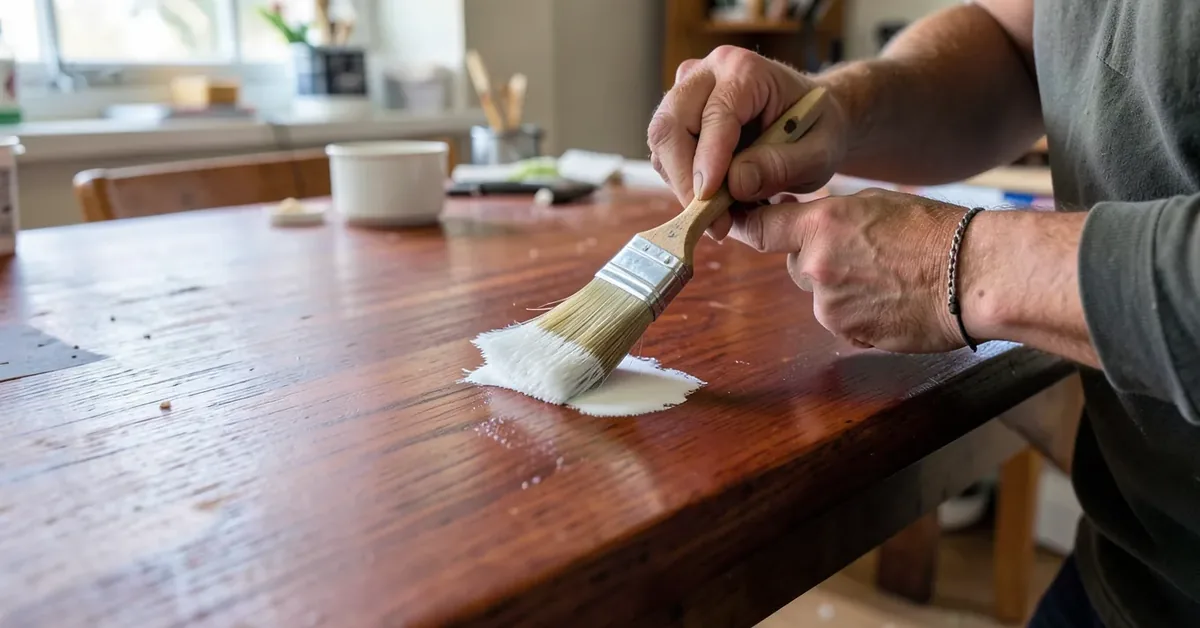
According to refinishing guidance from A Ray of Sunlight’s primer comparison, mahogany ranks among the most bleed-prone woods because of its high tannin content, and a water-based primer will actively pull those tannins up into the topcoat instead of blocking them.
Frequently Asked Questions
Can Mahogany Wood Be Painted Successfully?
Yes, mahogany wood can be painted successfully. Sand to 220 grit, clean the surface, and apply a shellac-based stain-blocking primer before the topcoat. Skipping the shellac primer is the main reason mahogany paint jobs fail.
What Type Of Paint Is Best For Mahogany?
Both acrylic (water-based) and oil-based topcoat paints work well on mahogany once a shellac-based primer has sealed the tannins. Oil-based paint gives slightly more durability; acrylic cleans up easier and dries faster.
How To Prepare Mahogany Wood For Painting?
Clean the surface to remove dust and grease, sand with 120-150 grit then finish with 220 grit, wipe away all dust, and apply a shellac-based primer before painting. This sequence prevents both peeling and tannin bleed-through.
Is It Necessary To Sand Mahogany Before Painting?
Yes. Sanding removes any existing finish and gives primer a surface to grip. Skipping this step, or sanding past 220 grit, both lead to poor adhesion and premature peeling.
Why Is Pink Or Brown Color Bleeding Through My Painted Mahogany?
That discoloration is tannin bleed-through, caused by using a water-based or non-stain-blocking primer on mahogany’s naturally high tannin content. Sand back, apply two coats of a shellac-based primer like Zinsser B-I-N, and repaint.
Conclusion
Mahogany takes paint well once it’s properly prepped – the entire outcome hinges on a shellac-based, stain-blocking primer that seals its natural tannins before the topcoat goes on. Skip that step and even the best paint job will show pink or brown staining within days.
Sponsored / affiliate links. As an Amazon Associate I earn from qualifying purchases. I may earn additional commission from eligible campaigns.