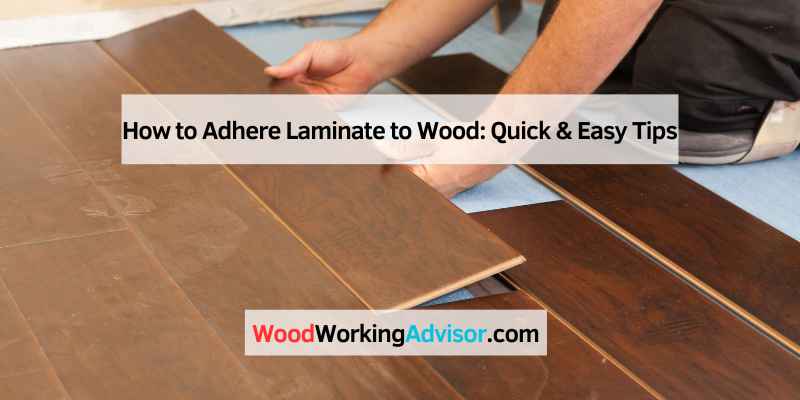
How to Adhere Laminate to Wood: Quick & Easy Tips
To adhere laminate to wood, clean the wood surface thoroughly and apply a suitable adhesive. Use a roller or brush to evenly spread the adhesive before placing the laminate.
Adhering laminate to wood can enhance the aesthetic appeal and durability of surfaces. This process is popular in home improvement projects, such as countertops and cabinetry. Proper adhesion ensures a long-lasting bond, preventing peeling or warping over time. Selecting the right adhesive is crucial, as it determines the success of your project.
The application must be precise to achieve a smooth finish. With the right tools and techniques, you can transform wood surfaces efficiently. This guide will walk you through the essential steps for a successful laminate application, ensuring a professional-looking result every time.
Introduction To Laminating Wood
Laminating wood offers many benefits. It enhances the appearance of the wood. Laminate can protect the wood from scratches and dents. This makes it perfect for high-traffic areas.
Another advantage is the variety of styles available. You can choose colors and patterns that match your decor. Laminate also requires less maintenance than natural wood.
Choosing the right laminate is important. Look for durability and quality. Check the thickness and finish. Ensure it fits your specific project needs.
Tools And Materials Needed
Gathering the right tools is key for successful laminate adhesion. Here is a list of essential tools:
- Laminate sheets – Choose high-quality options for durability.
- Wood surface – Ensure it’s smooth and clean.
- Adhesive – Use a strong, wood-safe glue.
- Roller – Helps to smooth out air bubbles.
- Utility knife – For precise cutting of laminate.
- Measuring tape – Accurate measurements are crucial.
- Clamps – Secure the laminate in place while drying.
Selecting quality materials will ensure a lasting bond. High-grade laminate resists wear and tear. A well-prepared wood surface enhances adhesion. Always check for compatibility between adhesive and laminate. Investing in good materials saves time and effort later.
Preparation Of Wood Surface
Start by cleaning the wood surface thoroughly. Use a damp cloth to remove dust and dirt. Ensure no grease or stains remain. Dry the surface completely before proceeding.
Next, sanding is essential for a good bond. Use medium-grit sandpaper to smooth the wood. This helps the laminate adhere better. Always sand in the direction of the grain. Wipe away dust after sanding to keep the surface clean.
Measuring And Cutting Laminate
Measuring laminate correctly is very important. Use a tape measure for accurate lengths. Always double-check your measurements before cutting. A small mistake can lead to big problems.
For cutting, use a sharp blade to ensure clean edges. A circular saw or jigsaw works well for laminate. Always cut from the back to avoid chipping. Secure the laminate on a stable surface while cutting.
Consider using a straight edge as a guide. This helps keep the cut straight and neat. Take your time and make sure each cut is precise.
Adhesive Application
Choosing the right adhesive is crucial for adhering laminate to wood. PVA glue is a common choice for its strong bond. Contact cement offers quick results, but requires careful application. Epoxy is great for heavy-duty needs, providing a very strong bond.
Application techniques matter. Start by cleaning the wood surface. It should be free of dust and oil. Apply the adhesive evenly to avoid lumps. Use a roller or brush for smooth application. Press the laminate firmly onto the wood.
Allow the adhesive to cure fully. Follow the manufacturer’s instructions for best results. Proper curing ensures a strong, lasting bond.
Attaching Laminate To Wood
Proper alignment is key for a successful laminate attachment. Start by laying the laminate on the wood. Make sure the edges line up neatly. Use a straight edge to ensure everything is even.
After aligning, apply pressure evenly across the surface. This helps avoid bubbles and wrinkles. Use a roller or a flat tool for best results. Start from the center and move outward.
Check for any gaps or misalignments. Adjust quickly before the adhesive sets. Taking time with alignment saves problems later.
Finishing Touches
To achieve a clean look, trim any excess laminate carefully. Use a sharp utility knife for precise cuts. Ensure the blade is fresh for best results.
After trimming, smoothing edges is vital. Use sandpaper to soften sharp corners. This step prevents injuries and gives a polished finish.
Always wear safety gear when working. Protective eyewear and gloves are essential. They keep you safe while handling tools.
Maintenance And Care
Keeping your laminate looking great is easy with simple cleaning tips. Use a soft cloth or a mop with warm water. Avoid harsh chemicals that can damage the surface. A mixture of vinegar and water can help remove stains.
For long-term care, avoid excess moisture on laminate surfaces. Wipe up spills quickly to prevent damage. Place felt pads under furniture to avoid scratches. Keep heavy items off the laminate to prevent warping.
| Tip | Benefit |
|---|---|
| Use soft cloths | Prevents scratches |
| Mix vinegar with water | Effective stain removal |
| Wipe up spills | Prevents moisture damage |
| Use felt pads | Avoids scratches from furniture |
Frequently Asked Questions
How Do I Prepare Wood For Laminate Adhesion?
To prepare wood for laminate adhesion, start by cleaning the surface thoroughly. Remove any dust, grease, or old finishes. Sand the wood lightly to create a rough texture, which helps the adhesive bond better. Finally, wipe the surface with a damp cloth to eliminate any sanding residue.
What Type Of Adhesive Is Best For Laminate?
The best adhesive for laminate is a high-quality contact cement. This type of adhesive offers a strong bond and is easy to apply. It dries quickly, allowing for efficient work. For added durability, consider using a waterproof variant to ensure longevity, especially in humid environments.
Can I Use Laminate On Any Wood Surface?
You can use laminate on most wood surfaces, but preparation is key. Ensure the wood is clean, dry, and free of imperfections. Smooth surfaces will yield better results. Avoid using laminate on untreated or poorly conditioned wood, as this can compromise the adhesive bond.
How Long Does Laminate Take To Adhere?
Laminate typically takes about 24 hours to fully adhere, depending on the adhesive used. Ensure you follow the manufacturer’s instructions for optimal results. During this time, avoid disturbing the laminate to allow the adhesive to cure properly. This patience will lead to a stronger bond.
Conclusion
Adhering laminate to wood can transform your surfaces beautifully. With the right tools and techniques, the process is straightforward. Follow the steps outlined in this guide for a successful project. Enjoy your new, durable finish that enhances the look and feel of your space.
Happy crafting!