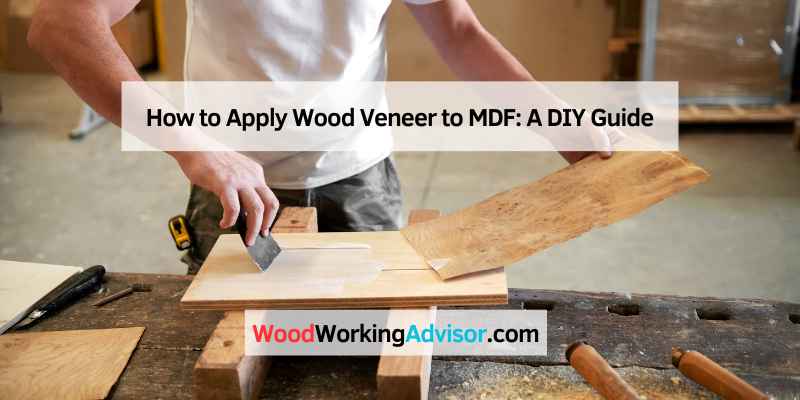
How to Apply Wood Veneer to MDF: A DIY Guide
To apply wood veneer to MDF, start by cutting the veneer and MDF to size. Use a strong adhesive to bond the veneer to the MDF surface.
Wood veneer is a popular choice for enhancing the appearance of MDF projects. It offers the warmth and beauty of natural wood while being cost-effective. Applying veneer can transform an ordinary piece of furniture or cabinetry into a stunning focal point.
This process requires careful preparation and attention to detail to ensure a smooth finish. Whether you’re a DIY enthusiast or a professional, understanding how to properly apply wood veneer will elevate your woodworking skills. This guide will walk you through the essential steps for achieving a flawless veneer application on MDF.
Introduction To Wood Veneer And MDF
Wood veneer is a thin layer of wood. It is often used to cover surfaces. This layer gives the appearance of solid wood. Veneer is made from real wood, making it look beautiful.
MDF, or Medium Density Fiberboard, is a type of engineered wood. It is made from wood fibers and resin. MDF is smooth and easy to work with. Many people use it for furniture and cabinetry.
Combining wood veneer with MDF creates a stunning look. The MDF provides a strong base. The veneer adds elegance and warmth. This combination is popular for many DIY projects.
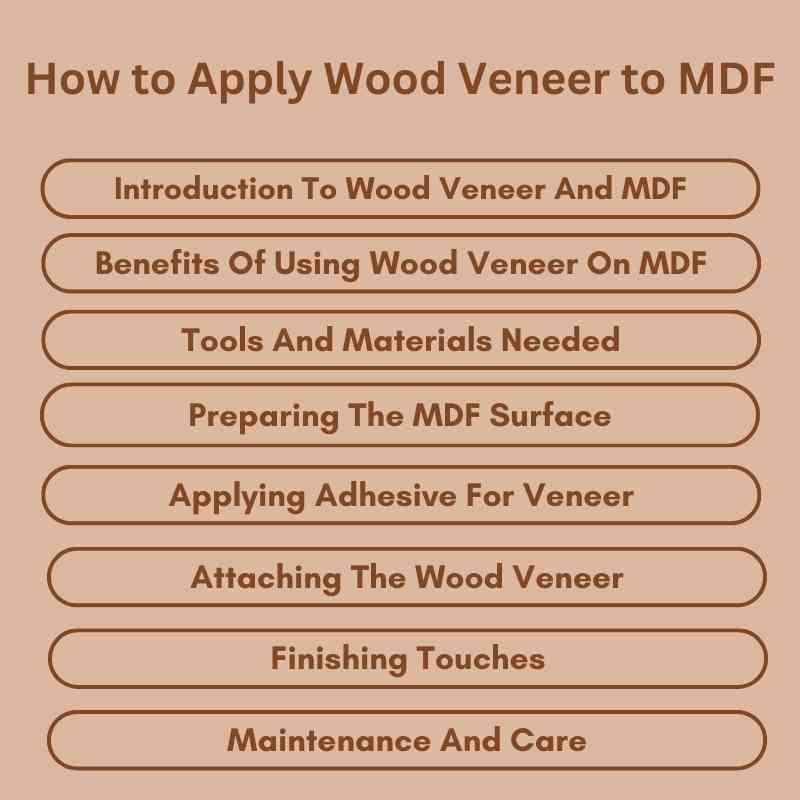
Benefits Of Using Wood Veneer On MDF
Wood veneer adds beauty to MDF surfaces. It offers a natural look that enhances any room. The textures and colors of wood veneer create a warm atmosphere. This makes spaces feel inviting and comfortable.
Wood veneer is also a strong choice for durability. It provides a protective layer on MDF, making it resistant to wear. The strength of wood veneer helps prevent damage over time. This makes it an ideal option for furniture and fixtures.
Tools And Materials Needed
Gather these essential tools for applying wood veneer to MDF:
- Wood veneer sheets
- MDF board
- Veneer glue or contact cement
- Brush or roller for glue
- Utility knife or veneer saw
- Sandpaper (fine grit)
- Clamps or weights
- Straight edge or ruler
Choosing the right wood veneer is crucial. Select a veneer that matches your project. Look for a thickness that suits your needs. Ensure the veneer has a nice finish. Different wood types offer unique aesthetics. Consider how the veneer will complement your MDF.
Preparing The MDF Surface
To apply wood veneer to MDF, start with a clean surface. Use a damp cloth to remove dust. Ensure there are no oils or residues. Wait for the surface to dry completely before proceeding.
Sanding is essential for smoothness. Use fine-grit sandpaper to create an even surface. Sand in the direction of the grain for best results. This helps the veneer stick better.
After sanding, wipe the surface again. This removes any dust created during sanding. A clean, smooth MDF surface is vital for a good veneer application.
Applying Adhesive For Veneer
Choosing the right adhesive is key for applying wood veneer to MDF. Several types of adhesives work well for this task. Here’s a quick overview:
| Type of Adhesive | Features |
|---|---|
| Contact Cement | Strong bond, instant adhesion, and easy to use. |
| PVA Glue | Water-based, non-toxic, and great for indoor projects. |
| Epoxy | Very strong, durable, and ideal for tough conditions. |
Application techniques also matter. Spread adhesive evenly on both the MDF and the veneer. Use a roller for a smooth finish. Align the veneer carefully before pressing down. Make sure to apply pressure to avoid air bubbles.
Attaching The Wood Veneer
Start by carefully aligning the wood veneer on the MDF surface. Make sure the edges are straight and matched. Use a straight edge to guide the placement. This will help avoid any misalignment.
Once aligned, press the veneer down firmly. Apply even pressure to avoid air bubbles. You can use a roller or a block to press evenly. This step is crucial for a smooth finish.
Check the veneer for any gaps or bubbles. If you find any, gently lift and reposition it. Ensuring a tight fit will improve the overall look of your project.
Finishing Touches
Trimming the excess veneer is an important step. Use a sharp knife for clean cuts. Hold the knife at a slight angle. This helps avoid tearing the veneer. Be careful not to cut the MDF.
Sanding is essential for a smooth finish. Start with coarse sandpaper and progress to finer grades. Sand along the grain of the veneer. This prevents scratches and damage.
Polishing gives the veneer a beautiful shine. Use a soft cloth and a suitable polish. Apply the polish evenly for the best results. Let it dry before touching the surface.
Maintenance And Care
Regular cleaning helps maintain the beauty of wood veneer. Use a soft cloth to wipe the surface. Avoid using harsh chemicals or abrasive cleaners. Dust the veneer weekly to prevent build-up.
For deeper cleaning, use a damp cloth with mild soap. Always dry the surface immediately to prevent moisture damage. Never soak the veneer or let water sit.
Repairing damages is essential for long-lasting appeal. For scratches, use a wood filler that matches the veneer color. Apply it carefully and let it dry completely.
For larger damages, sanding may be necessary. Lightly sand the affected area and reapply veneer if needed. Always follow manufacturer guidelines for best results.
Frequently Asked Questions
How Do You Prepare MDF For Wood Veneer Application?
Preparing MDF for wood veneer involves sanding and cleaning the surface. Start by sanding the MDF with fine-grit sandpaper. This creates a smooth surface for better adhesion. After sanding, wipe the surface with a damp cloth to remove dust and debris.
This ensures a strong bond with the veneer.
What Adhesive Is Best For Wood Veneer On MDF?
The best adhesive for applying wood veneer to MDF is contact cement. It provides a strong bond and is easy to work with. Apply the adhesive to both the MDF and the veneer for optimal results. Allow it to become tacky before pressing the two surfaces together.
Can You Stain Wood Veneer On MDF?
Yes, you can stain wood veneer on MDF. However, ensure the veneer is properly sealed first. This prevents the stain from soaking in unevenly. Use a high-quality stain and apply it evenly with a brush or cloth. Always test on a small area first to achieve the desired color.
How Do You Cut Wood Veneer For MDF?
Cutting wood veneer for MDF requires precision and the right tools. Use a sharp utility knife or a veneer saw for clean edges. Measure and mark the veneer before cutting to avoid mistakes. Always cut on a flat surface to maintain stability and accuracy during the process.
Conclusion
Applying wood veneer to MDF is a rewarding project. It enhances aesthetics and adds a touch of elegance to your surfaces. Follow the steps outlined in this guide for a successful application. With patience and practice, you’ll achieve beautiful results that elevate your woodworking projects.
Enjoy your creative journey!