How Much Does MDF Cost Compared to Masonite or Plywood? (2026 Prices)
MDF averages $35 to $55 per 3/4-inch sheet in 2026, masonite (tempered hardboard) runs $14 to $25, and B/C-grade plywood costs $50 to $70 — but masonite looks cheap mainly because it is sold far thinner, not because it costs less material for material. Buying on sheet price alone can leave a project underbuilt or leave you overpaying. This guide breaks down real per-sheet and per-square-foot costs, plus when each material actually pays off.
[Affiliate Disclosure reusable block goes here]
What Actually Drives MDF, Masonite, and Plywood Prices?
Best Fine-Finish Blade Pick
FOXBC 7-1/4″ 60-Tooth Ultra Fine Finish Circular Saw Blade
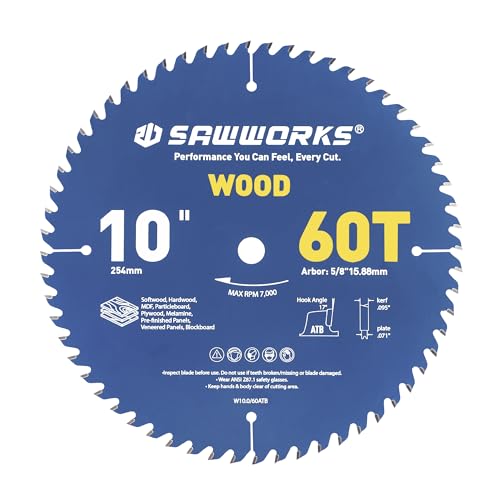
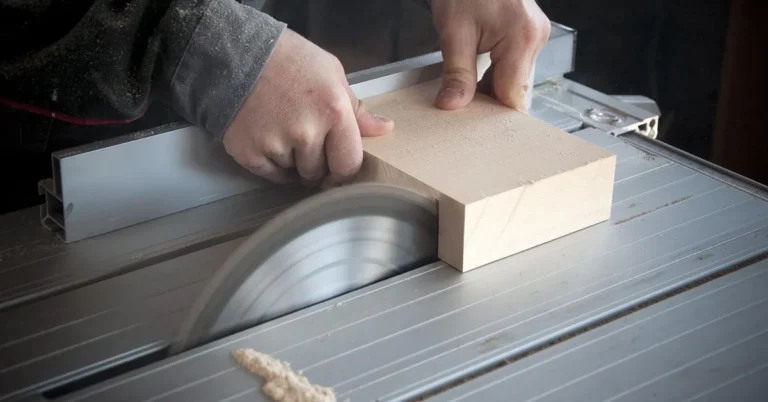
Whichever material you buy, a coarse blade will chip MDF edges and splinter plywood veneer. A 60-tooth fine-finish blade is the one upgrade that protects the investment.
- Best for: clean, chip-free cuts on MDF, veneered plywood, and masonite edges
- Why we picked it: 60-tooth count and thin kerf are built for smooth cuts in sheet goods, not framing lumber
- Main drawback: too fine a tooth count for fast rip cuts in thick dimensional lumber
Compare more fine-finish blade options
 Option 1 CRALY 6-1/2″ 60T Blade, 2-Pack
|
 Option 2 SawWorks 7-1/4″ 60T Thin Kerf Blade
|
 Option 3 FOXBC 7-1/4″ 60T Blade, 2-Pack
|
As an Amazon Associate we earn from qualifying purchases.
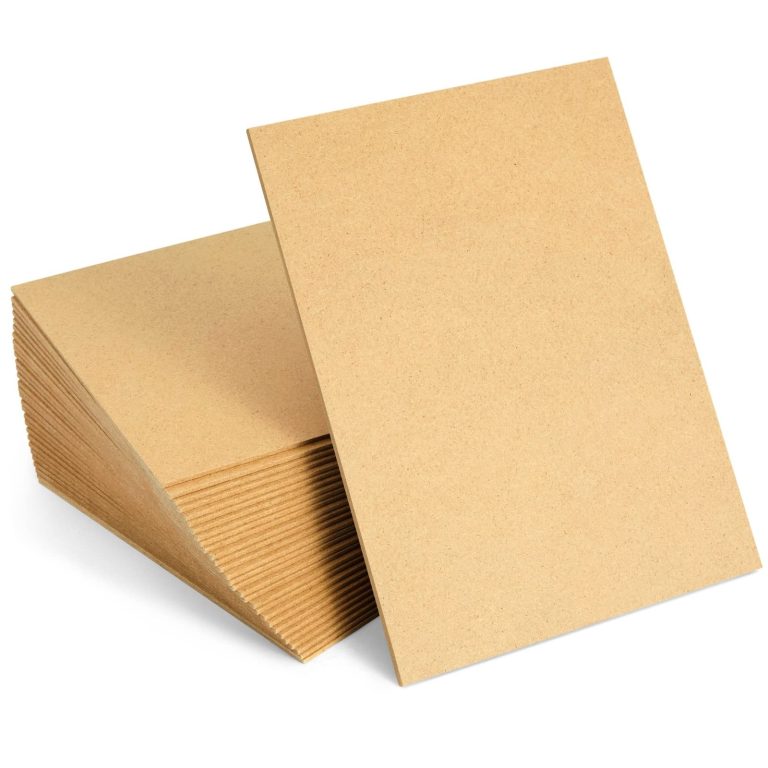
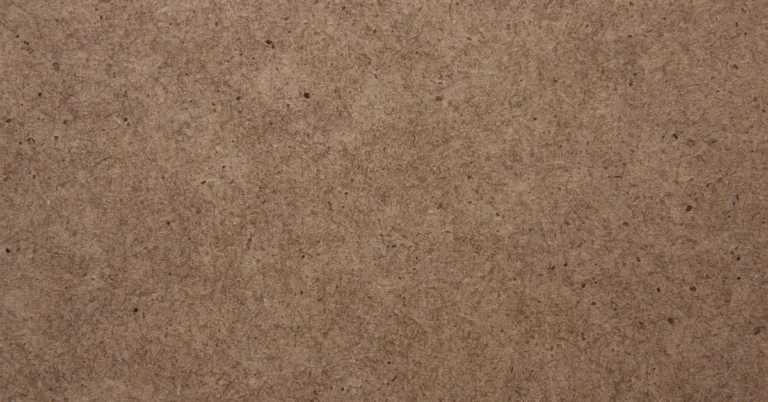
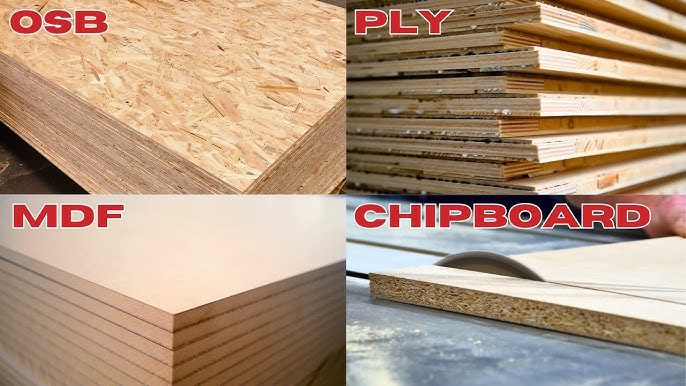
All three materials start as wood waste, but the manufacturing step is what sets the price. MDF is made by breaking wood down into fine fibers, mixing them with resin and wax, then pressing the mat under heat — the resin is the expensive ingredient, so denser, higher-resin MDF costs more per sheet. Masonite (a trademarked tempered hardboard) uses coarser wood fibers steam-pressed under extreme pressure with little or no added resin, which is cheaper to produce but limits how thick a sheet can be made before it turns brittle. Plywood is the odd one out: it is built from full veneer layers glued cross-grain, so the cost scales with the number and quality of veneer plies, not just fiber volume.
That production difference is also why masonite is almost never sold at 3/4 inch the way MDF and plywood are — it is a thin-sheet product by design (1/8 inch to 1/4 inch, typically), used for door skins, drawer backs, and pegboard rather than load-bearing panels. Regional freight and local demand still swing prices 10-20% either way, so treat every figure below as a starting range to confirm at your own lumberyard, not a fixed price.
MDF vs Masonite vs Plywood: Real 2026 Price Comparison
Comparing raw per-sheet prices is misleading because the three materials are not usually sold in the same thickness. The table below lines up actual 2026 U.S. retail pricing by thickness and converts each to a per-square-foot cost, so you can compare like for like.
| Material & Thickness | Price per 4×8 Sheet (2026) | Price per Sq Ft |
|---|---|---|
| Masonite/hardboard, 1/8″ tempered | $14 – $20 | $0.44 – $0.63 |
| Masonite/hardboard, 1/4″ tempered | $18 – $25 | $0.56 – $0.78 |
| MDF, 1/4″ standard | $15 – $25 | $0.47 – $0.78 |
| MDF, 1/2″ standard | $25 – $40 | $0.78 – $1.25 |
| MDF, 3/4″ standard | $35 – $55 | $1.09 – $1.72 |
| Plywood, B/C softwood 1/2″ | $35 – $45 | $1.09 – $1.41 |
| Plywood, B/C softwood 3/4″ | $50 – $70 | $1.56 – $2.19 |
| Plywood, cabinet-grade birch 3/4″ | $75 – $95 | $2.34 – $2.97 |
📊 At matching 1/4-inch thickness, masonite and MDF cost within a few cents of each other per square foot. Masonite’s reputation as “the cheap one” mostly comes from comparing a 1/8-inch sheet against a 3/4-inch MDF or plywood sheet — not from a real per-square-foot cost advantage. Source: 2026 U.S. retail pricing across major home-improvement and building-supply retailers.
MDF vs Masonite: Strength, Uses, and Which Costs Less
Masonite is a trademarked type of tempered hardboard made by steam-pressing wood fibers under extreme heat and pressure, with little or no added resin binder. That process makes it denser and more impact- and moisture-resistant than MDF, but it is not rated for load-bearing use and is only sold in thin gauges (1/8 inch to 1/4 inch is typical). MDF is the better choice when you need a thick, perfectly smooth panel to paint — cabinet doors, shelving, and furniture carcasses. Masonite is the better choice for door skins, drawer backs, pegboard, and any thin panel that will take repeated impact or handling.
At the same 1/4-inch thickness, the two materials land within a few dollars of each other per sheet (see the table above) — masonite’s cost edge mostly disappears once you stop comparing a 1/8-inch hardboard sheet to a 3/4-inch MDF panel. Neither material tolerates standing water; both will swell or delaminate if left wet.
MDF vs Plywood: Strength, Uses, and Which Costs Less
Plywood’s cross-grain veneer construction makes it meaningfully stronger and far more moisture-tolerant than MDF, which is why it wins for anything structural, load-bearing, or exposed to occasional dampness — subfloors, shelving that carries real weight, and outdoor-adjacent builds. Plywood beats MDF on raw strength in nearly every load scenario, but MDF is cheaper per sheet at matching thickness, has no visible grain or voids to fill, and takes paint far more evenly than plywood veneer.
For shelving specifically, thickness matters more than material once you clear a basic strength threshold — see our breakdown of whether MDF holds up for shelves before you commit to a thinner, cheaper panel that will sag under books.
How to Get the Best Price on MDF, Masonite, or Plywood
Compare per-square-foot, not per-sheet — a “cheaper” thin sheet can cost more per square foot than a thicker one once you account for the extra sheets needed to cover the same area. Ask the lumberyard about contractor packs or buying a full sheet instead of a store cut-to-size order; cutting fees typically run $2 to $8 per cut and add up fast on a multi-piece project. Prices swing with lumber futures and regional supply, so it is worth checking two suppliers before a large order rather than assuming your regular yard has the best price this month.
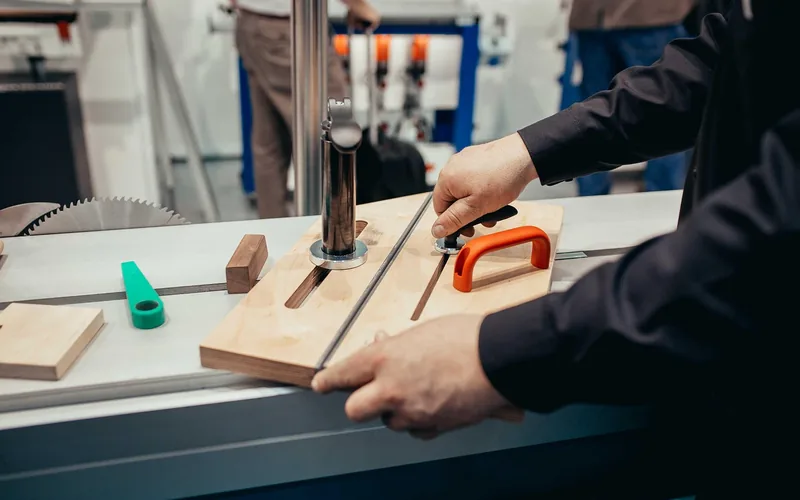
One practical shop note worth knowing before you buy: ask whether the store’s cut-to-size saw is a stationary panel saw or a handheld circular saw run along a guide. A panel saw leaves a straight, nearly splinter-free edge on MDF and melamine-faced board; a handheld saw at a big-box store more often leaves a slightly wavy edge that needs to be jointed or re-cut before glue-up. It costs nothing to ask, and it can save a second trip.
Frequently Asked Questions
Which material is cheapest overall — MDF, masonite, or plywood?
Masonite is cheapest per sheet because it is sold much thinner (1/8 to 1/4 inch); MDF is cheapest at matching structural thickness (1/2 to 3/4 inch); plywood costs the most but is the only one of the three rated for real structural or moisture-exposed use.
Is masonite cheaper than plywood?
Yes, per sheet — but mainly because masonite is sold in much thinner gauges. At the same 1/4-inch thickness, masonite and MDF (the closest comparable thin panel) cost within a few dollars of each other; plywood is rarely sold that thin, so a true apples-to-apples comparison at masonite’s typical thickness usually isn’t available.
What is the biggest drawback of using MDF?
MDF absorbs moisture and swells or delaminates when wet, so it is unsuitable for bathrooms, kitchens near sinks, or any exterior use. It is also heavier than plywood at the same thickness and dulls blades faster because of its resin content.
What is the difference between MDF and masonite?
MDF is made from fine wood fibers bonded with resin and wax, pressed into thick, uniform sheets. Masonite is a tempered hardboard made from coarser wood fibers steam-pressed with little or no added resin, sold only in thin sheets. MDF suits thick, paintable furniture panels; masonite suits thin, impact-resistant applications like door skins and pegboard.
Can you substitute masonite for plywood in a project?
Only for thin, non-structural uses like drawer backs, cabinet backing, or template patterns. Masonite is not rated for load-bearing use and will flex or crack under weight that 1/2-inch or 3/4-inch plywood carries easily.
When should you not use MDF?
Avoid MDF in bathrooms, kitchens, or anywhere it can get wet, in load-bearing structural applications, and outdoors. It also holds screws less securely than plywood at the edges, so it is a poor choice for hardware-heavy joinery unless you pre-drill and use MDF-specific screws.
Conclusion
Masonite wins on sheet price only because it is sold thinner; MDF wins on price at real structural thickness; plywood costs the most but is the only one built for load-bearing or damp environments. Match the material to what the project actually needs to carry or survive, then compare prices per square foot at that thickness — not the sticker price of whatever sheet happens to be thinnest.
Sponsored / affiliate links. As an Amazon Associate I earn from qualifying purchases. I may earn additional commission from eligible campaigns.