How to Attach Wood to a Metal Pole: Easy & Strong Methods
Are you struggling to figure out how to attach wood to a metal pole securely? Whether you’re working on a DIY project, building a fence, or creating outdoor furniture, getting these two materials to stick together can be tricky.
But don’t worry—once you know the right tools and techniques, it becomes much easier. In this guide, you’ll discover simple, effective ways to join wood and metal so your project stays strong and lasts longer. Keep reading, and you’ll gain the confidence to tackle this task like a pro.
Choosing The Right Materials
Choosing the right materials is key to attaching wood to a metal pole. The right wood, metal, and fasteners ensure a strong and lasting bond. Picking poor materials can cause weak joints or damage over time. Careful selection makes the project easier and more durable.
Types Of Wood Suitable For Metal Poles
Hardwoods like oak and maple work well with metal poles. They offer strength and resist weather damage. Cedar and redwood are good too. These woods resist rot and decay. Avoid softwoods like pine for heavy loads. Choose wood that suits your climate and project needs.
Selecting Compatible Metal Poles
Steel poles are common and strong for wood attachment. Galvanized steel resists rust and lasts longer outdoors. Aluminum poles are lighter but less strong. Choose a pole with a smooth surface for easy fastening. Check the pole’s thickness to hold screws or bolts firmly.
Recommended Fasteners And Adhesives
Use stainless steel screws or bolts to avoid rust. Self-tapping screws work well on thin metal poles. For extra hold, use metal washers with bolts. Construction adhesive can add strength between wood and metal. Choose adhesives made for wood and metal bonding. Always follow manufacturer instructions for best results.
Preparing The Surfaces
Preparing the surfaces is an important step before attaching wood to a metal pole. Clean and smooth surfaces help glue or screws hold better. This makes the connection strong and long-lasting. Proper preparation saves time and effort later.
Cleaning Metal Poles
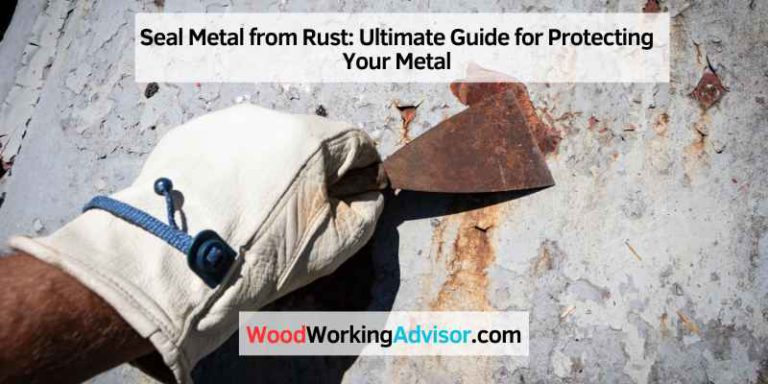
Start by removing dirt and rust from the metal pole. Use a wire brush or sandpaper to scrub the surface well. Wipe the pole with a clean cloth to remove dust and grease. Dry the metal completely before moving to the next step. Clean metal helps paint or adhesive stick better.
Sanding And Treating Wood
Lightly sand the wood surface where it will touch the metal. Sanding removes rough spots and opens the wood grain. Wipe off the dust with a dry cloth. Apply a wood sealant or primer to protect the wood from moisture. Treated wood lasts longer and holds fasteners well.
Ensuring Proper Fit And Alignment
Check how the wood fits against the metal pole. The surfaces should match closely without gaps. Use clamps or helpers to hold the wood in place. Align the pieces carefully before drilling or gluing. Correct fit prevents wobbling and keeps the structure stable.
Mechanical Fastening Techniques
Mechanical fastening is a common way to attach wood to metal poles. It uses physical parts to hold the materials together. This method is strong and can be done with simple tools. Mechanical fasteners allow for easy adjustments or removal if needed.
Fasteners come in many types, each suited for different tasks. Choosing the right one depends on the project size and the load the joint must carry. Fastening wood to metal often needs special screws, bolts, or brackets that grip both materials well.
Using Bolts And Screws
Bolts and screws are popular for joining wood to metal. Drill holes through both materials first. Use washers to spread the pressure and avoid wood damage. Tighten the bolts or screws firmly, but do not over-tighten. This ensures a secure hold without cracking the wood.
Self-tapping screws are ideal for metal poles. They cut threads as they go in. Choose screws with corrosion resistance for outdoor use. This keeps the joint strong over time.
Applying Clamps And Brackets
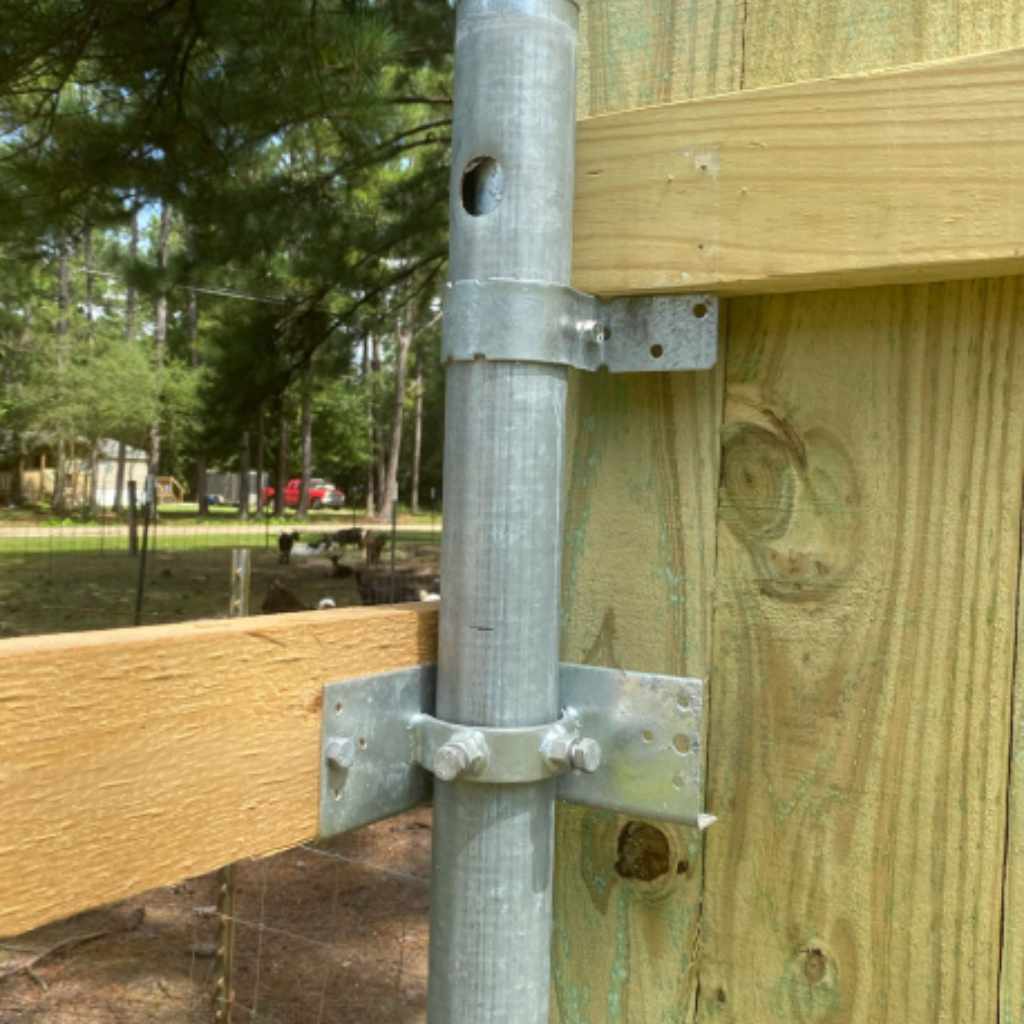
Clamps and brackets provide extra support to wood and metal joints. Metal brackets can be screwed into both surfaces. Clamps hold the wood tightly against the pole. This method is useful for temporary or adjustable setups.
Use brackets with pre-drilled holes for quick installation. Make sure brackets fit the pole size. Tighten clamps evenly to avoid wood damage. This technique adds stability and prevents movement.
Welding Attachments For Metal
Welding is a strong way to attach metal parts. It works well for metal brackets or plates that hold wood. Weld the metal part to the pole first. Then screw or bolt the wood to the metal piece.
Welding needs special skills and equipment. It creates a permanent bond on the metal side. Avoid welding directly to the wood. Use metal connectors as a bridge for a secure joint.
Adhesive Bonding Methods
Adhesive bonding methods offer a clean and effective way to attach wood to metal poles. This approach avoids drilling or welding, making it ideal for delicate projects. Choosing the right adhesive and applying it correctly ensures a strong, lasting bond. Understanding curing times helps achieve the best results.
Choosing The Right Adhesive
Select adhesives designed for both wood and metal. Epoxy adhesives work well for strong, durable bonds. Polyurethane glue offers flexibility and water resistance. Avoid regular wood glue, as it may not stick to metal properly. Check the product label for compatibility with metal surfaces.
Application Tips For Strong Bonds
Clean both surfaces thoroughly before applying adhesive. Remove dust, dirt, and grease with a cloth and mild cleaner. Apply adhesive evenly on the wood or metal surface. Press the wood firmly against the metal pole. Use clamps or tape to hold the pieces together while drying.
Curing And Drying Times
Follow the adhesive manufacturer’s instructions for curing times. Most epoxies take 24 hours to fully cure. Polyurethane glue may need 1 to 2 hours to set, but longer to cure fully. Avoid moving the bonded pieces during this time. Proper curing ensures a strong and lasting attachment.
Combining Fastening Methods
Combining fastening methods can improve the connection between wood and metal poles. Using more than one technique adds strength and stability. This approach helps the wood stay firmly attached under stress or movement.
Different fasteners work well together. Screws provide grip while adhesives fill gaps and prevent loosening. Bolts offer strong mechanical hold, and clamps can give temporary support during assembly.
Hybrid Approaches For Extra Strength
Start by drilling holes for screws or bolts. Apply a strong adhesive on the contact surfaces. Tighten bolts or screws securely. This mix creates a bond that resists shaking and pulling.
Use washers to spread pressure and avoid wood damage. Clamps hold pieces while glue dries. These steps improve the overall durability of the joint.
Safety Considerations
Wear gloves and safety glasses when working. Metal edges can be sharp and cause cuts. Use the right tools to avoid slipping or stripping screws.
Check fasteners for rust or damage before use. Ensure the area is clear of debris to prevent accidents. Secure the pole properly to avoid falling hazards.
Common Mistakes To Avoid
Do not rely on glue alone for heavy loads. Avoid using screws that are too short or thin. Missing washers can cause wood to split.
Do not overtighten fasteners; wood can crack. Skipping surface preparation reduces adhesive strength. Always test the joint strength before full use.
Maintenance And Longevity
Maintaining the connection between wood and metal poles is key for lasting strength. Proper care keeps the structure safe and durable. Regular attention prevents damage and costly repairs.
Inspecting Joints Regularly
Check the joints often for signs of wear or rust. Look for cracks in the wood or loose screws. Early spotting of problems helps fix them before they worsen. Use a flashlight to see hidden areas clearly.
Protecting Against Weather Damage
Weather can harm both wood and metal. Apply sealants or paint to protect wood from water and sun. Use rust-resistant coatings on metal parts. Cover the structure during heavy rain or snow for extra protection.
Repairing Loose Or Damaged Connections
Tighten any loose bolts or screws quickly. Replace broken or worn parts to keep the joint strong. Use proper tools to avoid further damage. Repair small issues early to stop bigger problems later.
Frequently Asked Questions
What Is The Best Way To Attach Wood To A Metal Pole?
The best method is using self-tapping screws or bolts with washers. Pre-drill holes in the metal for easier fastening. Use corrosion-resistant fasteners to ensure durability outdoors.
Can I Use Adhesives To Join Wood And Metal Poles?
Yes, strong construction adhesives like epoxy or polyurethane work well. Clean both surfaces thoroughly before applying. Clamp until fully cured for a secure bond.
How Do I Prevent Rust When Attaching Wood To Metal?
Apply a rust-inhibiting primer or paint on the metal pole. Use galvanized or stainless steel fasteners to avoid corrosion. Regularly inspect and maintain the connection to extend its life.
Are Clamps Effective For Securing Wood To Metal Poles Temporarily?
Yes, clamps provide a strong temporary hold during assembly or drying. They are easy to adjust and remove. Use clamps designed for metal and wood to avoid damage.
Conclusion
Attaching wood to a metal pole is easier than it seems. Choose the right tools and materials for a strong hold. Measure carefully and follow safety steps during the work. Use screws, brackets, or bolts to connect wood and metal firmly.
Take your time to avoid mistakes and ensure durability. With simple steps, your project will last long and look good. Try these tips next time you join wood to metal. You will be satisfied with the result.