How to Clamp Wood at 45 Degree Angle: Quick & Easy Tips
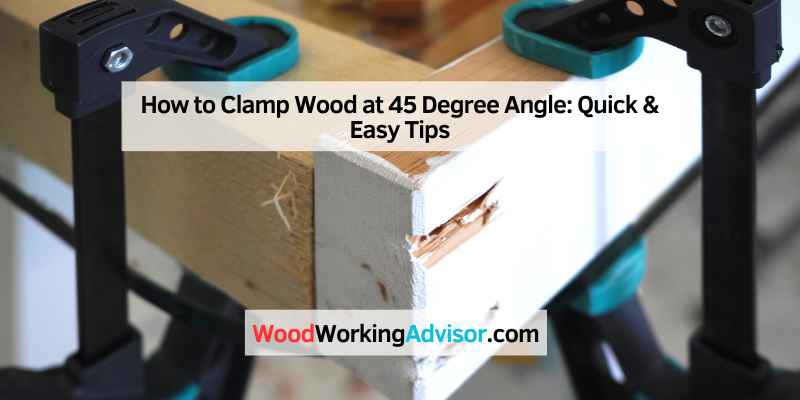
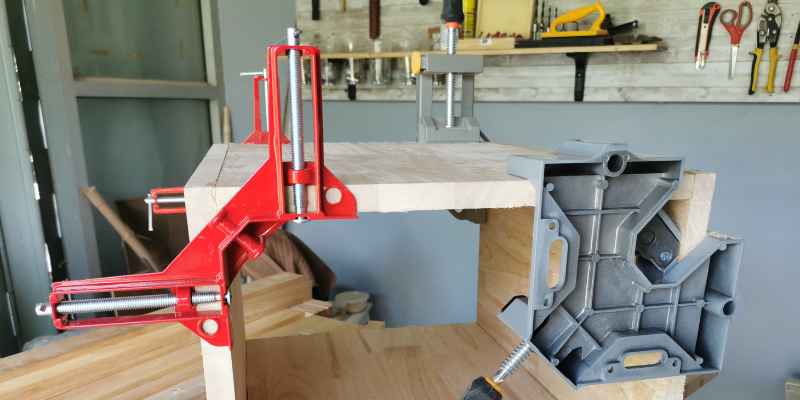
To clamp wood at a 45-degree angle, use a corner clamp or a miter clamp. Position the wood pieces in the desired angle and tighten the clamp securely.
Clamping wood at a 45-degree angle is essential for various woodworking projects, including frames and joints. Accurate angles ensure proper alignment and stability, which are critical for achieving professional results. Whether you’re a beginner or an experienced woodworker, mastering this technique can enhance your skills.
Different tools and methods can help you achieve precise angles, allowing for clean cuts and strong bonds. Choosing the right clamp is crucial, as it affects the quality of the joint. This guide will walk you through effective techniques and tips for clamping wood at 45 degrees, ensuring your projects turn out beautifully.
Introduction To 45 Degree Angle Wood Clamping
Clamping wood at a 45-degree angle is crucial for many projects. It ensures accuracy and a tight fit. Precision in woodworking leads to better results.
Common challenges include slippage and misalignment. Using the right clamps can help reduce these issues. Always measure carefully before clamping. This prevents mistakes and saves time.
Another challenge is finding the right tools. Different clamps serve different purposes. Some clamps are better for angles than others. Choosing the correct clamp makes a big difference.
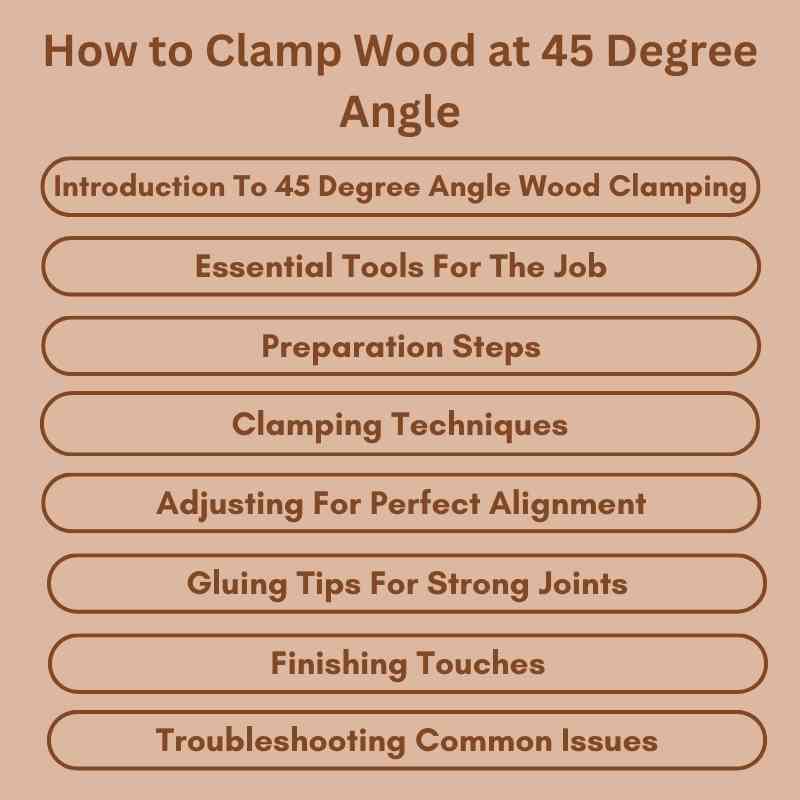
Essential Tools For The Job
Using the right tools is key for clamping wood at a 45-degree angle. Here are some essential types of clamps:
- Bar Clamps: Great for larger projects.
- C-Clamps: Perfect for tight spaces.
- Pipe Clamps: Adjustable for various widths.
- Corner Clamps: Ideal for making square joints.
Measuring and marking tools help ensure accuracy. Important tools include:
- Tape Measure: For precise measurements.
- Square: Ensures 90-degree angles.
- Pencil: For marking cut lines clearly.
Preparation Steps
Start by clearing your workspace. A clean area helps prevent accidents. Make sure you have all tools ready. Gather clamps, measuring tape, and a square.
Next, secure the wood. Use a workbench or a table to hold it steady. This ensures accuracy while clamping. Check that the wood is not moving.
For measuring, use a measuring tape. Measure the angle you want. Mark it clearly with a pencil. A square can help you get the perfect angle. This step is crucial for a clean cut.
Before cutting, double-check your measurements. Accurate marks lead to better results. Take your time to ensure everything is aligned correctly.
Clamping Techniques
Using a miter clamp makes clamping at a 45-degree angle easy. This tool holds two pieces of wood together snugly. It ensures a perfect joint every time. Adjust the clamp to fit your wood pieces correctly. Tighten it gently to avoid damaging the wood.
DIY clamping jigs are great for making precise angles. A simple jig can be made from scrap wood. Cut the base to a manageable size. Then, attach a vertical piece at a 45-degree angle. This setup will help hold the wood securely while you work.
Using both miter clamps and jigs improves accuracy. They save time and effort in your projects. Experiment with different setups to find what works best for you.
Adjusting For Perfect Alignment
To achieve perfect alignment, checking angles accurately is crucial. Use a protractor to measure the angle. Ensure the wood pieces meet at exactly 45 degrees. This will help in making a clean joint.
Fine-tuning clamp pressure is important for a strong hold. Too much pressure can damage the wood. Too little pressure may not hold the pieces together. Start with moderate pressure and adjust as needed. Always check the alignment after adjusting the clamps.
Gluing Tips For Strong Joints
Choosing the right glue is key for strong joints. PVA glue works well for most wood projects. It dries clear and offers good strength. Polyurethane glue is excellent for outdoor use. This glue expands, filling gaps in joints.
Applying glue effectively is important for a clean finish. Use a brush or roller for even coverage. Avoid excess glue to prevent messy joints. Clamp the pieces together firmly after applying glue. Let the glue dry completely for the best results.
Finishing Touches
Sanding is key for a smooth finish. Use fine-grit sandpaper to remove rough spots. Sand along the wood grain for best results. Always wear a dust mask to protect your lungs.
Once sanding is complete, it’s time to apply the finish. Choose a suitable finish like varnish, stain, or paint. Apply thin layers for a better look. Let each layer dry completely before adding the next one. This ensures a beautiful and durable surface.
Troubleshooting Common Issues
Slippage can cause problems when clamping wood at a 45-degree angle. Use high-friction pads to grip the wood better. Make sure the clamps are tight. Check the surface for any smooth spots that can cause slippage.
For correcting misalignment, first, double-check the angle. Adjust the clamps until they hold the wood firmly. Use a square tool to ensure accuracy. If necessary, mark the wood to help maintain the angle.
| Issue | Solution |
|---|---|
| Slippage | Use high-friction pads and tighten clamps |
| Misalignment | Use a square tool and mark the wood |
Frequently Asked Questions
How Do You Clamp Wood At A 45-degree Angle?
To clamp wood at a 45-degree angle, use corner clamps or miter clamps. Position the wood pieces together, ensuring they form the desired angle. Adjust the clamp to hold the pieces firmly. This method provides stability and accuracy for your woodworking projects.
What Tools Are Needed For Clamping At An Angle?
You’ll need corner clamps, miter clamps, or bar clamps for this task. Additionally, a square can help ensure accuracy. Measuring tape is essential for precise cuts. Having these tools will make clamping at a 45-degree angle easier and more effective.
Can I Use Regular Clamps For Angled Wood?
Yes, you can use regular clamps for angled wood. However, specialized corner or miter clamps provide better support. Regular clamps may not hold the angle securely, leading to misalignment. For best results, opt for clamps designed for 45-degree angles.
What Is The Best Way To Ensure Accuracy?
To ensure accuracy, use a miter saw for precise cuts. Measure twice and cut once to avoid mistakes. Employ a square to check the angle before clamping. This approach guarantees that your wood pieces align perfectly at a 45-degree angle.
Conclusion
Clamping wood at a 45-degree angle is essential for precise projects. Mastering this technique enhances your craftsmanship and ensures strong joints. With the right tools and methods, you can achieve professional results. Keep practicing, and soon you’ll clamp like an expert, making your woodworking projects more enjoyable and successful.