How to Clean Wood Kitchen Cabinets: Safe Techniques
Your kitchen is the heart of your home, a place where memories are made and meals are crafted with love. Those beautiful wood cabinets play a starring role in its charm, but over time, grease, grime, and everyday dirt can dull their shine.
You might wonder how to clean these cabinets without harming their finish. It’s a common concern. You’re looking for solutions that will bring back the luster without causing damage, right? Imagine running your fingers over a smooth, clean surface every time you reach for a cup or plate.
It’s about preserving the beauty and longevity of your cabinets while ensuring they remain the centerpiece of your kitchen. This article is here to guide you through gentle yet effective cleaning methods that respect the integrity of your cabinets. Ready to restore their original gleam? Let’s dive into the simple steps that make a big difference.
:max_bytes(150000):strip_icc()/how-to-clean-wood-kitchen-cabinets-0123-2000-641e7e2dcbdc4518a80417c66e2e9194.jpg)
Credit: www.marthastewart.com
Choosing The Right Cleaning Products
Natural solutionsare gentle. They protect cabinet finish. Vinegar and water mix is popular. It removes dirt easily. Lemon juice is another option. It adds shine.
Commercial cleanersare available. Some are safe for wood. Choose mild ones. Read labels carefully. Avoid products with bleach. They harm the finish.
Many cleaners have harsh chemicals. These can damage wood. Ammoniaand bleach are risky. They strip the shine. Opt for gentle formulas.
Test any cleaner first. Try it on a small spot. Make sure it’s safe. Keep cabinets looking new. Use soft cloths for cleaning. They prevent scratches.
Preparing Your Cabinets For Cleaning
Organize supplies like mild soap, soft cloths, and water before starting. Ensure cabinets are empty and dust-free for effective cleaning. Test any cleaner on a hidden area to avoid damaging the wood finish.
Emptying And Organizing
Start by taking out everythingfrom your cabinets. This helps you to see the dirt. Put items on the counter or in boxes. Check for expired food and throw it away. Arrange the items neatly. This makes it easy to find them later. Organizing saves time when cleaning.
Dusting And Debris Removal
Use a soft cloth to dust the shelves. Dusting removes loose dirt. Be gentle to protect the wood finish. A vacuum cleaner can help. Use a small brush attachment. Clean corners and edges. Remove all debris. This makes cleaning easier.
Safe Cleaning Techniques
Use a soft cloth or a sponge for cleaning. Avoid using rough materials. Mix warm water with a bit of mild soap. Wet the cloth and wring it well. Gently scrub the cabinet surface. Do not rub too hard. Focus on small sections at a time. This keeps the finish safe. Rinse the cloth in clean water. Wipe the cabinet again to remove soap.
For tough stains, baking soda helps. Mix baking soda with water to make a paste. Apply it to the stain. Let it sit for a few minutes. Use a soft cloth to scrub gently. Keep the scrubbing light. Clean the area with water. Dry with a clean towel. Be sure to keep the wood dry after cleaning.
Drying And Protecting Wood Cabinets
Safely clean wood kitchen cabinets to preserve their finish. Use mild soap and water with a soft cloth to avoid scratches. Regular maintenance prevents damage and keeps cabinets looking fresh.
Effective Drying Techniques
After cleaning, use a soft, dry cloth to wipe the wood. This helps to remove any moisture. Moisture can damage the wood finish. Pat the surface gently to avoid scratches. Let air circulate around the cabinets. This speeds up the drying process. Keep cabinet doors open for better air flow. Never use a hair dryer. It can cause the wood to crack.
Applying Protective Finishes
Choose a suitable protective finish for your cabinets. This can be a wax or oil-based product. Apply a thin layer with a clean cloth. Buff the surface gently in circular motions. This makes the finish shine. Protective finishes help keep the wood safe. They also make it look beautiful. Always test the finish on a hidden spot first. This ensures it does not damage the wood. Reapply as needed to maintain the protection.
Regular Maintenance Tips
Wood cabinetslook nice and last long with care. Keep them dry. Water can harm the finish. Use a soft cloth for spills. Wipe right away. Avoid strong cleaners. They can hurt the wood. Use mild soap with warm water. Dry with a towel.
Avoid direct sunlight. It can fade the color. Use curtains or blinds to block sun. Keep heat away from cabinets. Heat can warp the wood. Install a hood over the stove. It helps reduce steam and grease. Regular dusting helps. Use a soft, dry cloth.
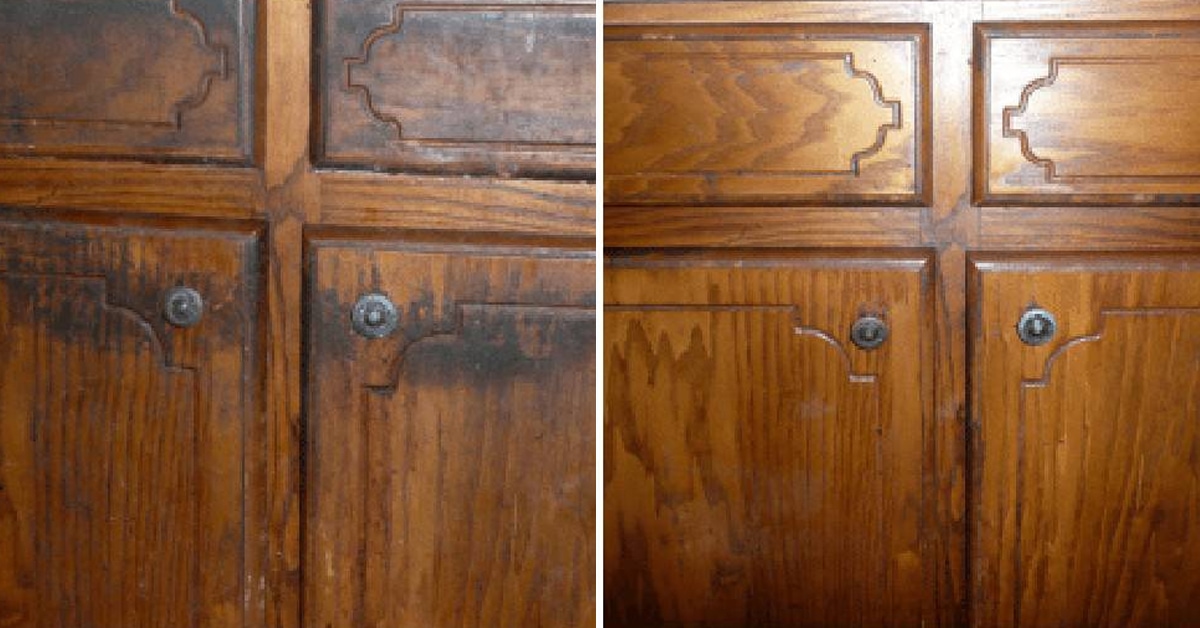
Clean cabinets weekly. Quick and simple. Use a soft, damp cloth. Gently wipe the surface. Don’t soak the cloth. Too much water is bad. Check for spots often. Remove them quickly. Use mild cleaners only. Dry the cabinets after cleaning. This keeps them safe. Keep up the routine. It helps the cabinets stay beautiful.
Credit: www.everydaycheapskate.com
Common Mistakes To Avoid
Using too much water can harm wood. It can make the wood swell. Always use a damp cloth, not a wet one. Wring out the cloth well before using it. This helps protect the wood. Dry the surface quickly after cleaning. Use a soft, dry towel. It keeps the wood safe.
Avoid using rough tools. They scratch the wood. This can damage the finish. Choose a soft sponge or cloth. These are gentle on wood. Do not use hard brushes. These can harm the surface. Take care of the finish. It keeps the cabinets looking new.

Credit: www.reddit.com
Frequently Asked Questions
How Do I Clean Greasy Wood Cabinets?
To clean greasy wood cabinets, use a solution of warm water and mild dish soap. Dampen a soft cloth with the solution and gently wipe the surfaces. Avoid soaking the wood to prevent damage. Rinse with a clean damp cloth and dry thoroughly to maintain the finish.
Can Vinegar Damage Wood Cabinet Finish?
Vinegar can damage the finish of wood cabinets if used excessively. It’s acidic and may dull the finish over time. If you choose to use vinegar, dilute it with equal parts water and apply sparingly. Always test on a small area first and rinse with water.
What Is The Best Cleaner For Wood Cabinets?
A mild dish soap mixed with warm water is the best cleaner for wood cabinets. It’s gentle yet effective in removing dirt and grime. You can also use a commercial wood cleaner specifically formulated for cabinets. Ensure you follow instructions carefully to protect the finish.
How Often Should I Clean Wood Kitchen Cabinets?
You should clean wood kitchen cabinets every few weeks to maintain their appearance. Regular dusting and wiping with a damp cloth help prevent buildup. For deeper cleaning, use a mild soap solution monthly. Always dry the cabinets thoroughly after cleaning to protect the finish.
Conclusion
Cleaning wood kitchen cabinets requires care to protect their finish. Use gentle cleaners to avoid damage. Regular dusting keeps surfaces clean. Wipe spills promptly to prevent stains. Vinegar and water solution works well for deep cleaning. Always dry cabinets after washing.
This prevents water spots. Soft cloths are best to avoid scratches. Avoid harsh chemicals that harm wood. Regular maintenance keeps cabinets beautiful. Follow these tips to preserve their charm. Your kitchen will look great for years. Happy cleaning!