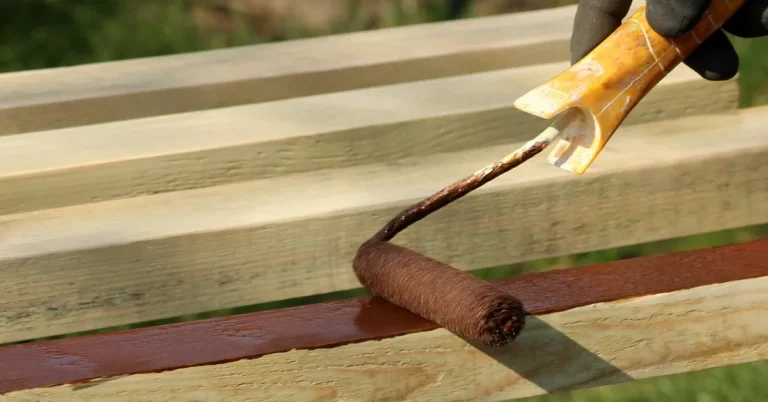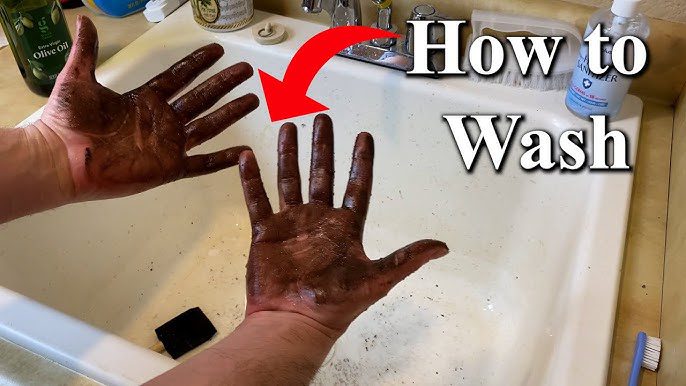
How to Get Oil Based Stain off Skin: Quick and Effective Methods
Getting oil-based stains off your skin can be tough. But with the right steps, you can remove them easily.
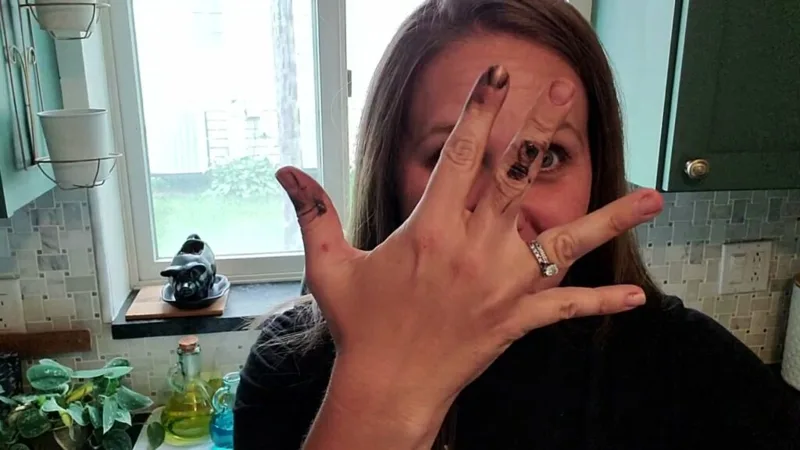
Oil-based wood stain clings to skin in a way water-based products don’t, because it’s designed to bond with and penetrate a surface rather than wash off it. Soap and water alone usually just move the pigment around instead of lifting it. Understanding how to effectively remove these stains is essential – it saves time and prevents the skin irritation that comes from repeated scrubbing.
The good news is, there are simple methods you can use at home, most involving common household items. This guide walks through the fastest methods first, then the gentler fallback options, so you can pick based on how fresh the stain is and how sensitive your skin is.
Immediate Actions
Use a clean cloth to blot the stain right away. Do not rub. Rubbing can spread the stain. Gently press the cloth on the stained area. This helps to absorb the oil. Repeat with a fresh part of the cloth. Continue until no more oil is absorbed.
Do not use hot water. Hot water can open pores and drive the stain in deeper, and can also set some pigments. Always use cool or lukewarm water. Never scrub the skin harshly. Scrubbing can irritate the skin. Avoid using harsh chemicals. They can damage your skin. Stick to gentle cleansers or natural remedies. This will keep your skin safe.
Method Comparison: Which One To Reach For
| Method | Best For | Speed | Skin Gentleness |
|---|---|---|---|
| Vegetable/olive/baby oil | Fresh stains, sensitive skin | Moderate | Very gentle |
| Dish soap (repeated washing) | Light stains, first pass on any stain | Fast | Gentle |
| Waterless hand cleaner (e.g. mechanic’s hand cleaner) | Moderate to heavy stains | Fast | Moderate – follow with lotion |
| Baking soda paste | Light to moderate stains, mild exfoliation | Moderate | Moderate |
| Mineral spirits / paint thinner (small amount, well-ventilated area) | Dried, stubborn, or old stains | Fast | Harsh – use sparingly, wash thoroughly after |
Household Remedies
Dish soap is a common remedy for oil stains. First, wet the skin with warm water. Apply a generous amount of dish soap. Rub the soap on the stain for a few minutes. Rinse the area with warm water. Repeat if needed. Dish soap helps to break down the oil because its surfactants are specifically formulated to cut through grease.
Baking soda is another great option. First, make a paste with baking soda and water. Apply the paste to the stain. Rub gently for a few minutes. Baking soda helps to absorb the oil. Rinse off with warm water. Check if the stain is gone. Repeat if necessary.
For Dried Or Stubborn Stains: Mineral Spirits
If the stain has already dried and dish soap or oil isn’t budging it, a small amount of mineral spirits (paint thinner) on a cloth – the same solvent that thins the stain itself – is often the fastest way to lift it. Work in a well-ventilated area, apply a small amount to a rag rather than pouring it directly on skin, dab (don’t scrub) the stained area, and wash thoroughly with soap and water immediately afterward. Mineral spirits are effective specifically because they re-dissolve the same oils and resins in the stain, but they also strip natural skin oils, so this should be a last resort for stubborn spots rather than a first-choice method, and it’s not recommended for broken or irritated skin.
Commercial Products
Specialized stain removers, waterless hand cleaners (like Gojo or Fast Orange), and pumice-based mechanic’s soaps are often the most effective choice for real workshop use. They are made to break down oil stains and grease. This makes them very powerful. You can find them in many stores. They usually come as tubs, tubes, or wipes.
Pros: They work fast. They are easy to use. Many of them are gentle on skin when paired with a moisturizer afterward. They also have clear instructions.
Cons: Some can be expensive. They may have strong smells. You might need to use them more than once. Repeated use without moisturizing can dry out skin over time.
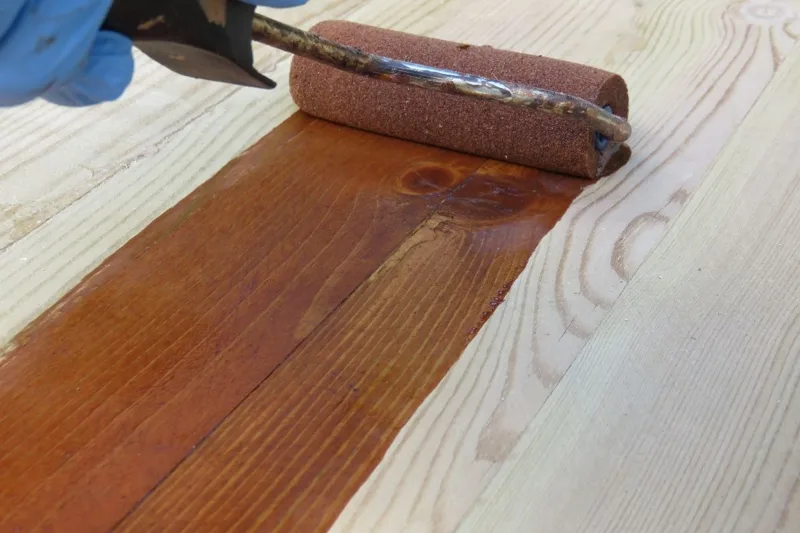
Natural Solutions
Mix olive oil and sugar in a small bowl. Rub the mixture on the stain. The sugar acts as a gentle scrub. The olive oil helps lift the stain – oil dissolves oil, which is why this works even without soap. Rinse with warm water. Repeat if needed.
Squeeze lemon juice into a small bowl. Add salt and mix well. Rub this mix on the stain. The lemon juice helps break down the oil. The salt scrubs it away. Rinse with warm water. Repeat until the stain is gone. Note that citrus juice can make skin more sensitive to sunlight for a few hours afterward, so this is better suited to an evening cleanup than right before outdoor work.
Tools And Accessories
Use soft brushes to clean oil stains. They help remove dirt gently. Stiff brushes can hurt your skin. You need to be gentle. Use small, circular motions.
Sponges and cloths are good for cleaning. They can soak up oil. Use a clean cloth each time. Sponges work well with soap. Both are easy to find at home.
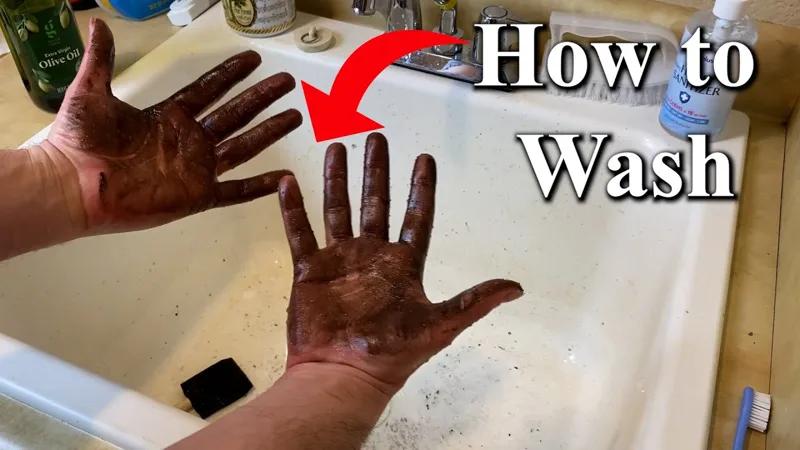
Preventive Measures
Gloves protect your skin from oil-based stains. They are easy to wear. Choose gloves that fit well. Tight gloves can be uncomfortable. Loose gloves can slip off. Nitrile gloves are usually the best choice for stain and solvent work – they resist oils and solvents better than latex. Disposable gloves can be used too. They are cheap and convenient. Always wear gloves while working with oils.
Barrier creams are useful. They create a shield on your skin, typically a thin layer that fills skin pores and hair follicles before the stain can, so the pigment has less to grip onto. Apply barrier cream before starting your work. Make sure to cover all exposed skin. These creams are safe to use. They do not harm your skin. Reapply the cream if needed. Choose a cream that suits your skin type. Regular use keeps your skin clean.
Common Mistakes That Make Stains Worse
- Scrubbing hard right away. Aggressive scrubbing pushes pigment deeper into skin creases and can cause irritation that makes the stain look worse and last longer.
- Using hot water first. Heat can set certain oil-based pigments and opens pores, letting stain penetrate further.
- Skipping gloves next time. The fastest stain removal method is prevention – a $5 box of nitrile gloves is cheaper than repeated cleanup.
- Letting the stain dry completely before treating it. Fresh stains lift far more easily than ones that have had hours to set and bond with skin oils.
- Overusing solvents. Repeated mineral spirits or nail polish remover use dries and cracks skin, which can ultimately trap pigment in the cracks rather than remove it.
When To Seek Help
Oil stains can be stubborn. Sometimes, home remedies do not work. Professional cleaning services have special tools and products. They can remove tough stains. Experts know how to handle sensitive skin. Safe and effective methods are used. This can prevent skin irritation.
If the stain does not go away, or if the skin becomes red, cracked, or irritated, a dermatologist can help. Dermatologists specialize in skin problems. They can provide safe treatments. They can prescribe creams or ointments. This ensures the skin stays healthy. They can also check for skin reactions or allergies. Professional advice is always best.
Frequently Asked Questions
How Do You Get Oil Based Paint Off Your Skin?
Use olive oil or baby oil to loosen the paint. Rub gently with a cloth. Wash with soap and water.
What Removes Oil Based Stain?
Use dish soap, baking soda, or a commercial degreaser for light to moderate stains. For dried, stubborn stains, a small amount of mineral spirits on a cloth followed by a thorough soap-and-water wash is usually the fastest fix.
How To Get Stains Off Of Skin?
Use soap and water to wash the stained area. Apply a gentle exfoliant or oil if stains persist. Rinse thoroughly.
Is Wood Stain Toxic On Skin?
Yes, wood stain can be toxic on skin. It may cause irritation or allergic reactions. Wear protective gloves to avoid contact.
Is It Safe To Use Mineral Spirits On Skin?
Only in small amounts, applied to a cloth rather than poured directly, in a well-ventilated area, followed immediately by a thorough soap-and-water wash. It strips natural skin oils, so it should be a last resort for dried stains rather than a routine method, and should be avoided on broken or irritated skin.
Conclusion
Removing oil-based stains from skin is simple with these steps. Start gentle: blot first, then try dish soap and warm water. If that doesn’t work, move to baking soda paste or a waterless hand cleaner. Save mineral spirits for dried, stubborn stains, and always finish by rinsing thoroughly and moisturizing your skin.
No more stubborn stains. Your skin will feel clean and smooth. Stay stain-free and enjoy healthy skin.
Sponsored / affiliate links. As an Amazon Associate I earn from qualifying purchases. I may earn additional commission from eligible campaigns.