How to Deep Clean Wood Floors: A Sparkling Guide
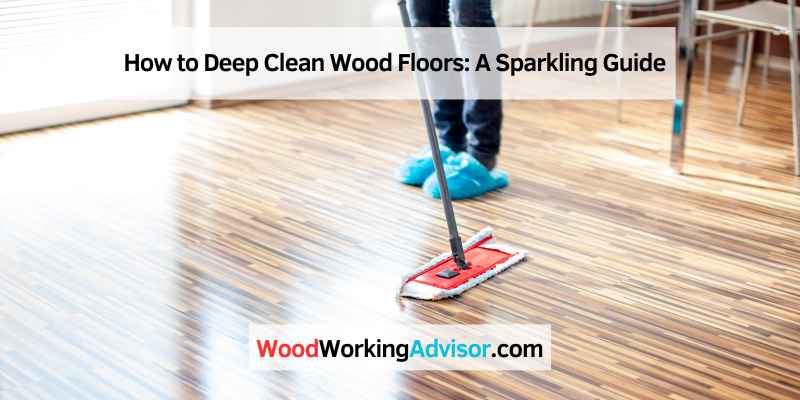
To deep clean wood floors, use a sturdy wet mop or spray mop and absorbent mop pads to lift heavy dirt buildup. Avoid traditional mops and buckets to prevent spills and extra work.
Quality premium spray mops make deep cleaning more comfortable and efficient. Maintaining the cleanliness and shine of wood floors is essential for preserving their beauty and longevity. Over time, dirt, grime, and residue can accumulate, requiring a thorough deep cleaning process to restore their luster.
By following the right techniques and using appropriate tools and solutions, you can effectively deep clean wood floors and maintain their natural elegance. We will explore the best methods and tips for deep cleaning wood floors to keep them looking pristine and well-maintained.
Initial Steps Before Deep Cleaning
To deep clean wood floors, start by sweeping or vacuuming to remove loose dirt and debris. Then, use a sturdy and easy-to-use wet mop or spray mop with absorbent mop pads to lift and separate heavy dirt buildup. Avoid using too much water and harsh cleaning products.
Prior to deep cleaning your wood floors, it’s important to take some initial steps to ensure a successful cleaning process. These steps will help prepare the area and surface before diving into the deep clean. Here are the key initial steps to follow:
Clear The Area
Before starting the deep cleaning process, it’s crucial to clear the area of any furniture, rugs, or objects that may obstruct your path or get in the way. This will allow you to have a clear and unobstructed surface to work on, ensuring an efficient and thorough cleaning.
Surface Clean: Sweep Or Vacuum
The next step is to surface clean the wood floors by either sweeping or vacuuming. This will help remove loose dirt, dust, and debris from the surface, making it easier to deep clean. Use a broom with soft bristles or a vacuum cleaner with a hardwood floor attachment to prevent any scratches or damage to the wood.
Tip: When sweeping or vacuuming, make sure to reach all the corners and edges of the room to ensure a comprehensive cleaning.
By following these initial steps before deep cleaning, you will create an optimal environment for a successful deep cleaning process. Clearing the area and surface cleaning will set the foundation for a thorough and effective deep clean, ensuring your wood floors are left looking fresh and rejuvenated.
Choosing Your Cleaning Solution
When it comes to deep cleaning wood floors, choosing the right cleaning solution is crucial. The type of cleaner you select can impact the appearance and longevity of your hardwood floors. It’s essential to consider whether to use a DIY cleaner, a commercial cleaner, or natural alternatives.
DIY Vs. Commercial Cleaners
DIY cleaners are cost-effective and often use common household ingredients such as vinegar and water. However, commercial cleaners are specifically formulated for wood floors, offering convenience and potentially enhanced performance.
Natural Alternatives
Natural alternatives provide an eco-friendly approach to cleaning wood floors. Ingredients like vinegar, olive oil, and essential oils can effectively clean and condition wood surfaces while minimizing environmental impact.
Prepping Your Wood Floors
To deep clean wood floors, start by sweeping or vacuuming to remove any loose dirt and debris. Next, use a wet mop or spray mop with absorbent mop pads to remove any stubborn dirt build-up. Avoid using too much water or cleaning products, and always mop with the grain of the wood.
For a deeper clean, consider using an environmentally-friendly cleaning mixture of organic white distilled vinegar and lukewarm water.
Spot Testing
Before starting the deep cleaning process of your wood floors, it is important to spot test any cleaning solution that you plan to use. This is especially important if you are using a new cleaning product or a DIY solution. Choose an inconspicuous area of the floor, such as a corner or under a rug, and apply a small amount of the cleaning solution. Wait for a few minutes to see if there is any adverse reaction before proceeding with the cleaning process.
Addressing Stains And Buildup
If there are any stains or buildup on your wood floors, it is important to address them before deep cleaning. Stains can be removed using a mixture of warm water and dish soap. Apply the solution to the affected area and let it sit for a few minutes before wiping it away with a damp cloth. For stubborn stains, you can use a mixture of equal parts water and vinegar.
Buildup can be removed using a wood floor cleaner or a mixture of warm water and vinegar. Apply the solution to the affected area and let it sit for a few minutes before wiping it away with a damp cloth. Be sure to rinse the area with clean water and dry it thoroughly.
Before deep cleaning your wood floors, it is important to prepare them properly. Start by sweeping or vacuuming the floor to remove any loose dirt and debris. This will prevent the dirt from scratching the floor during the cleaning process.
Next, remove any furniture or rugs from the area that you plan to clean. This will give you more space to work and prevent any damage to the furniture or rugs.
Finally, make sure that the room is well-ventilated. Open windows or turn on fans to help circulate the air and prevent any fumes from the cleaning solution from building up in the room.
By spot testing, addressing stains and buildup, and prepping your wood floors properly, you can ensure that your deep cleaning process is effective and safe for your floors.
The Deep Cleaning Process
To deep clean wood floors, start by sweeping or vacuuming to remove dust and debris. Then, use a sturdy, absorbent mop with a quality cleaner to remove stubborn dirt buildup. Avoid excessive water and harsh cleaning products to protect the wood.
For a thorough clean, consider using a mixture of organic white distilled vinegar and lukewarm water.
Mopping Techniques
When it comes to deep cleaning wood floors, mopping is an essential step. However, it’s important to use the right technique. First, ensure your mop is clean and free of debris. Then, use a spray mop or wet mop to apply a cleaning solution to the floor. Remember to avoid using too much water, as this can damage the wood. Mop with the grain of the wood to prevent streaks and ensure a thorough clean.
Special Attention To Grains
One of the most important aspects of deep cleaning wood floors is paying special attention to the grains of the wood. Dirt and grime can easily get trapped in the crevices of the grain, making it difficult to clean. To effectively clean the grains, use a stiff deck brush or a contra rotating brush system. This will help to lift and separate heavy dirt build-up, leaving your floors looking clean and shiny.
In addition to mopping and paying special attention to the grains, there are a few other tips to keep in mind when deep cleaning wood floors. First, avoid using polish or wax, as these can leave a sticky residue that attracts dirt and grime. Instead, opt for a high-quality cleaning solution that is specifically designed for use on wood floors.
It’s also important to protect your wood floors from damage during the cleaning process. Avoid using steam cleaners, as the high heat and moisture can cause warping and other damage to the wood. Instead, use a gentle cleaning solution and a soft, absorbent mop pad to protect your floors while still achieving a deep clean.
By following these tips and techniques, you can effectively deep clean your wood floors and keep them looking beautiful for years to come.
Rinsing And Drying
To deep clean wood floors, start by using a wet mop or spray mop with absorbent mop pads. Avoid using too much water to prevent damage and choose a sturdy and easy-to-use mop. Additionally, consider using a mixture of organic white distilled vinegar and lukewarm water for an environmentally-friendly cleaning solution.
Proper Rinsing Methods
Once you have thoroughly cleaned your wood floors, the next step is to rinse off any remaining cleaning solution or residue. Proper rinsing is crucial to ensure that no cleaning agents are left behind, which can dull the finish and attract more dirt over time. Here are some proper rinsing methods to follow:
- Fill a bucket with clean, warm water.
- Dip a clean mop or microfiber cloth into the water and wring it out well to remove excess moisture.
- Gently mop the entire floor, making sure to cover all areas.
- Periodically rinse and wring out the mop or cloth to ensure that you are using clean water throughout the process.
- Pay extra attention to any stubborn stains or sticky spots, using gentle pressure and additional water if needed.
- Continue rinsing until you are confident that all the cleaning solution has been removed.
Rinsing your wood floors properly will help maintain their shine and prevent any residue from causing damage in the long run.
Ensuring Complete Dryness
After rinsing, it is essential to ensure that your wood floors are completely dry before allowing foot traffic or placing furniture back in the room. Here are some steps to ensure complete dryness:
- Use a clean, dry microfiber cloth or mop to absorb any excess water on the floor.
- Open windows or turn on fans to improve air circulation and aid in the drying process.
- Avoid walking on the wet floor to prevent leaving footprints or causing slips.
- Consider using a floor drying fan or dehumidifier to expedite the drying process, especially in humid environments.
- Allow sufficient time for the floor to air dry naturally. This may take a few hours or even overnight depending on the level of moisture.
- Once the floor is completely dry, you can safely resume normal activities in the room.
Ensuring complete dryness will protect your wood floors from warping or damage caused by prolonged exposure to moisture. It will also prevent accidents due to slippery surfaces.
Post-cleaning Care
After deep cleaning your wood floors, it is essential to provide proper post-cleaning care to maintain their appearance and longevity.
Buffing The Floor
Buffing the floor helps to restore shine and smooth out any imperfections left after cleaning.
Applying Finish Or Polish
Applying finish or polish adds a protective layer to the wood, enhancing its durability and preventing damage.
Maintaining Clean Wood Floors
Regular Cleaning Schedule
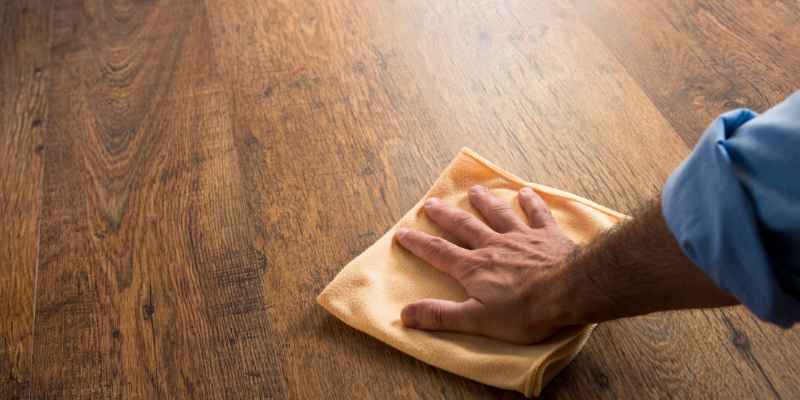
Establish a consistent cleaning routine to keep wood floors spotless.
Preventative Measures
Implement strategies to prevent dirt and damage on wood floors.
Troubleshooting Common Issues
Looking to deep clean your wood floors? Say goodbye to dirt and grime with these easy steps. Start by using a sturdy wet mop or spray mop, avoiding traditional mops and buckets. Opt for absorbent mop pads to lift heavy dirt buildup.
And remember, less water is more when it comes to cleaning wood floors. Keep them looking their best with a little extra effort.
Dealing With Water Damage
If water damage occurs, dry the wood floor immediately to prevent warping or mold growth. Use a dehumidifier to reduce moisture levels.
Removing Sticky Residue
To remove sticky residue, mix equal parts vinegar and water. Apply the solution to the affected area and gently scrub with a soft cloth.
In cases of stubborn residue, use a mixture of warm water and mild dish soap. Scrub the area gently to avoid damaging the wood.
Avoid using harsh chemicals that can strip the finish or cause discoloration. Always test any cleaning solution on a small, inconspicuous area first.
Regular maintenance and proper cleaning techniques can help prevent common issues with wood floors.
Professional Deep Cleaning
Professional deep cleaning of wood floors can revive their appearance and extend their lifespan. When regular cleaning methods are not enough to tackle stubborn dirt and grime, it’s time to consider professional deep cleaning services.
When To Call The Pros
If your wood floors have deep-seated stains, scratches, or require specialized treatment, it’s advisable to call professional cleaners. Additionally, if you lack the time or proper equipment for a thorough deep clean, seeking professional help is the best option.
What To Expect From A Service
- Professional assessment of the wood floor condition
- Usage of specialized equipment and cleaning agents
- Deep cleaning to remove embedded dirt and grime
- Application of protective coatings or finishes
- Guidance on post-cleaning maintenance to prolong floor life
Eco-friendly Cleaning Tips
When it comes to deep cleaning wood floors, using eco-friendly cleaning methods is not only better for the environment but also safer for your health. Many conventional cleaning products contain harsh chemicals that can damage the wood and release harmful fumes into the air. Fortunately, there are natural alternatives that are just as effective. In this article, we will explore two eco-friendly cleaning tips for deep cleaning wood floors: using vinegar and water, and incorporating essential oils for fragrance.
Using Vinegar And Water
Vinegar is a versatile household ingredient that can be used for various cleaning purposes. When it comes to deep cleaning wood floors, a simple mixture of vinegar and water can do wonders. Here’s how you can use this eco-friendly solution:
- Mix a ½ cup of organic white distilled vinegar with a gallon of lukewarm water.
- Dampen a mop or cloth in the solution, making sure it is not soaking wet.
- Gently mop the wood floors, working in small sections.
- Pay special attention to any stubborn stains or high-traffic areas.
- Allow the floors to air dry, ensuring there is no excess moisture left behind.
This environmentally-friendly cleaning mixture cuts through dirt and grime, leaving your wood floors clean and shiny. However, it’s important to note that vinegar should not be used on waxed or oiled wood floors, as it can strip away the protective coating.
Essential Oils For Fragrance
In addition to vinegar and water, you can enhance the cleaning experience by incorporating essential oils for a pleasant fragrance. Here’s how you can do it:
- Add a few drops of your favorite essential oil, such as lavender or citrus, to the vinegar and water mixture.
- Stir the solution well to ensure the oil is evenly distributed.
- Proceed with the cleaning process as mentioned earlier.
Essential oils not only leave a refreshing scent but also have natural antibacterial properties, making them a great addition to your eco-friendly cleaning routine. However, it’s important to use essential oils sparingly, as they can be potent and overpowering if used in excess.
By using vinegar and water as a cleaning solution and incorporating essential oils for fragrance, you can deep clean your wood floors while being environmentally conscious. These eco-friendly cleaning tips not only help maintain the beauty of your wood floors but also contribute to a healthier living environment for you and your family
.
Frequently Asked Questions
What Is The Best Thing To Deep Clean Hardwood Floors With?
For a deep clean on hardwood floors, use a sturdy wet mop or spray mop. Choose a quality premium spray mop for extra effort. Use absorbent mop pads to lift heavy dirt build-up and avoid spills. Avoid traditional mops and buckets for easier cleaning.
What Do Professionals Use To Clean Hardwood Floors?
Professionals use a sturdy wet mop or spray mop for deep cleaning hardwood floors. It’s essential to use absorbent mop pads to lift heavy dirt build-up and avoid traditional mop and bucket methods. This approach ensures efficient and comfortable deep cleaning without causing spills or extra work.
How Do You Remove Buildup From Hardwood Floors?
To remove buildup from hardwood floors, use a sturdy wet mop and avoid traditional mop and bucket. Choose absorbent mop pads to lift heavy dirt. Deep cleaning may require extra effort, so opt for a premium spray mop for a more comfortable experience.
Avoid overusing water and cleaning products.
Why Are My Hardwood Floors Still Dirty After Mopping?
Your hardwood floors may still be dirty after mopping due to excess water or cleaning product usage, which can attract more dirt. Also, using the wrong mop type or not thoroughly removing debris before mopping could lead to this issue.
Conclusion
Deep cleaning wood floors is essential for maintaining their beauty and longevity. By using the right tools and techniques, you can effectively remove dirt and grime, leaving your floors looking fresh and renewed. Remember to avoid excessive water and harsh cleaning products for best results.
Proper maintenance will keep your wood floors looking stunning for years to come.