Wood-Look Tile Flooring: Pros, Cons, and What It Costs
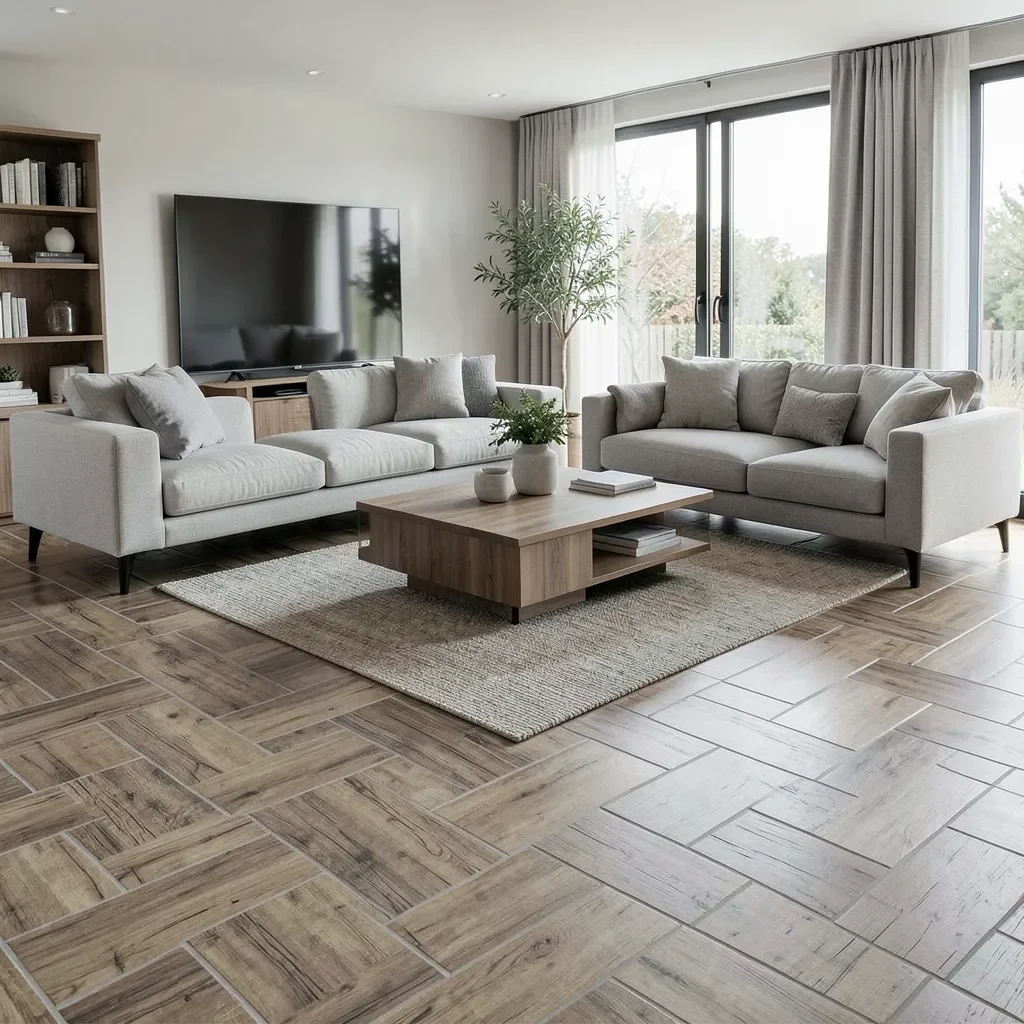
Wood-look tile is a porcelain or ceramic tile printed and textured to mimic real hardwood grain – it costs less than solid hardwood, resists water and scratches, and needs no refinishing, at the tradeoff of a harder, colder underfoot feel and a look that close inspection can still tell apart from real wood.
How Wood-Look Tile Is Made
Manufacturers use high-resolution digital printing to transfer real wood grain patterns onto porcelain or ceramic tile bodies, then texture the surface to mimic the feel of hand-scraped or wire-brushed wood. Porcelain versions are denser and less porous than ceramic, which is why porcelain is the standard choice for kitchens, bathrooms, and other moisture-prone rooms. Plank-format tiles (commonly 6″x36″ or similar) reinforce the wood illusion better than square tiles by matching real hardwood board proportions.
Wood-Look Tile vs. Real Hardwood
| Feature | Wood-Look Tile | Hardwood |
|---|---|---|
| Water resistance | Excellent – safe for bathrooms and basements | Poor – warps and stains with standing water |
| Scratch resistance | High – won’t scratch under normal foot traffic | Moderate – dents and scratches over time |
| Maintenance | Sweep and mop, no refinishing needed | Periodic refinishing every 7-10 years |
| Cost (material) | $1-$10 per sq ft (ceramic to porcelain) | $5-$20+ per sq ft depending on species |
| Feel underfoot | Hard, cold without underfloor heating | Warmer, slight give |
| Lifespan | 20-50+ years | 10-100 years depending on care |
Where Wood-Look Tile Works Best
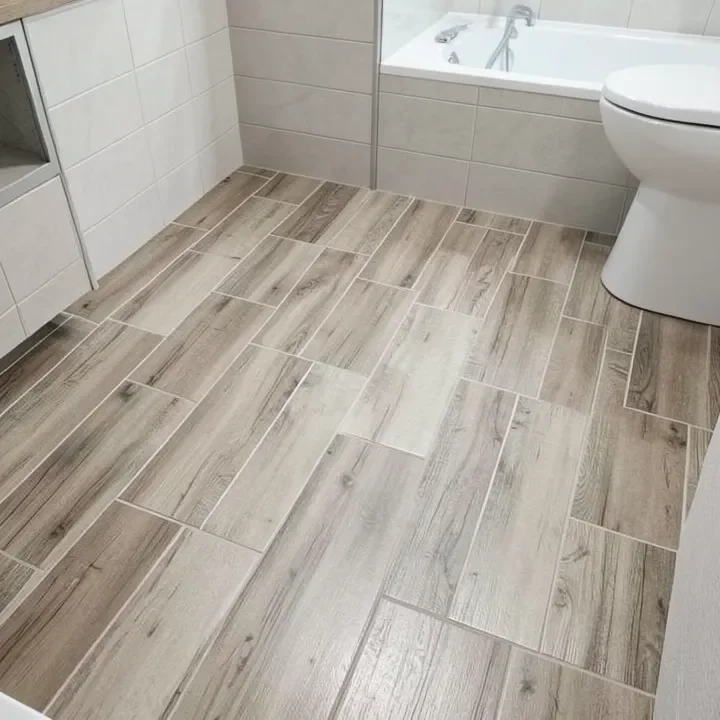
Bathrooms, kitchens, basements, laundry rooms, and covered patios are the strongest fits, since these are exactly the rooms where real hardwood struggles with moisture. Living rooms and bedrooms work too if the goal is a low-maintenance wood look. The one place to avoid it is a room with extreme, rapid temperature swings (an uninsulated sunroom, for example) – tile can crack under repeated thermal expansion and contraction in those conditions.
Installation Basics
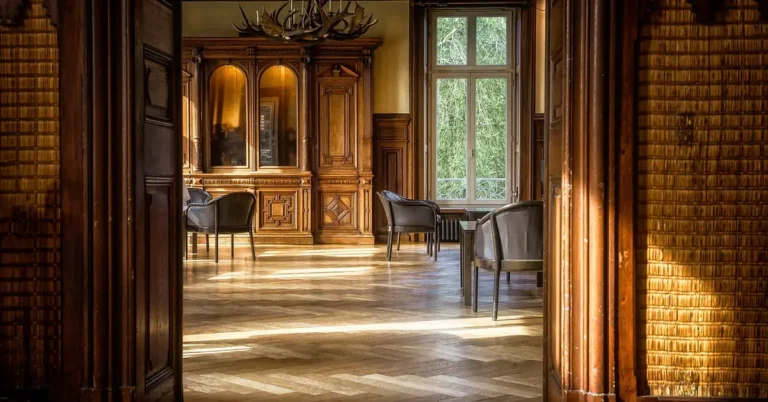
A level subfloor is the single biggest factor in a clean install – uneven spots cause cracking under foot traffic, so a self-leveling compound is worth using before tiling if the subfloor has dips greater than about 1/8″ over 10 feet. A staggered brick-pattern layout mimics real plank flooring most convincingly; herringbone and chevron patterns look striking but require significantly more cuts and a wet saw. Choose a grout color that contrasts only slightly with the tile – a strong contrast breaks the wood illusion by drawing the eye to every grout line.
Cost to Install
Material runs $1-$5 per sq ft for ceramic and $3-$10 for porcelain, with premium designs reaching $15. Professional installation typically adds $5-$10 per sq ft on top of material, so a 200 sq ft room runs roughly $1,500-$3,000 installed, or $500-$1,000 in tools, adhesive, and grout for a DIY install. Ordering physical samples before buying is worth the small extra step – tile color can shift noticeably under a room’s actual lighting compared to a showroom or online photo.
Maintenance
Regular sweeping and a damp mop with mild soap handle daily upkeep – no special hardwood cleaners or refinishing required. A water-and-vinegar solution lifts most stubborn stains without dulling the surface; avoid abrasive scrubbers, which can scratch the glaze. Grout lines benefit from resealing every 1-2 years to resist staining and moisture intrusion.
Common Installation Mistakes
- Skipping the underlayment: adds cracking risk and makes the floor feel hollow underfoot.
- High-contrast grout: breaks the wood illusion by highlighting every tile line instead of blending them.
- Not leveling the subfloor first: the most common cause of cracked tiles within the first year.
- Skipping physical samples: tile color and undertone can look different at home than in a showroom.
Frequently Asked Questions
Is wood-look tile as durable as real wood?
In most practical measures, yes – it resists scratches and water damage better than hardwood, making it a stronger choice for high-traffic or moisture-prone rooms.
Can wood-look tile be installed as a DIY project?
Yes, with a wet saw, a level, and standard tile-setting tools. A level subfloor is the key prerequisite – skipping that step is the most common cause of cracked tiles.
Is wood-look tile good for bathrooms?
Yes – porcelain wood-look tile handles moisture well and won’t warp or stain the way real hardwood does in a wet environment.
Does wood-look tile feel cold like regular tile?
It can feel cooler than wood, especially without a rug, since tile conducts heat away from bare feet faster than wood does. Underfloor heating or area rugs both address this if it’s a concern.
Sponsored / affiliate links. As an Amazon Associate I earn from qualifying purchases. I may earn additional commission from eligible campaigns.