How to Fill Cracked Wood: Expert Tips for a Flawless Finish
Filling cracked wood is simpler than you might think. This task can be done with basic tools and materials.
Wood, a natural material, often develops cracks over time. These cracks can affect the wood’s appearance and durability. Learning how to fill cracked wood can save you money and keep your wooden items looking great. Whether it’s furniture or flooring, fixing these cracks is essential for maintaining the wood’s integrity.
In this guide, we will explore easy methods to fill those unsightly cracks. With a few steps, your wooden items will be as good as new. Let’s dive into the process and ensure your wood remains strong and beautiful.
Introduction To Wood Cracks
Wood cracks can appear for many reasons. Changes in temperature can cause wood to expand and contract. This movement leads to cracks. Moisture levels also play a big role. Too much or too little moisture can damage wood. Another reason is age. Over time, wood can dry out and crack.
There are different types of wood cracks. Surface cracks are on the top layer of wood. These are often shallow. Deep cracks go deeper into the wood and are more serious. Hairline cracks are very thin and hard to see. Gaps are larger spaces between pieces of wood.
Essential Tools And Materials
You need a few basic tools for this job. A putty knife helps spread filler. Sandpaper smooths the surface. Get wood glue to hold pieces together. Clamps keep wood tight while drying. Safety glasses protect your eyes. A dust mask is good for sanding. These tools make the job easier.
Several types of fillers work well for wood cracks. Wood putty is great for small gaps. Epoxy resin fills larger holes. Wood filler comes in different colors. Choose one close to your wood. Latex filler is easy to use. It dries fast. Polyester filler is very strong. It lasts a long time.
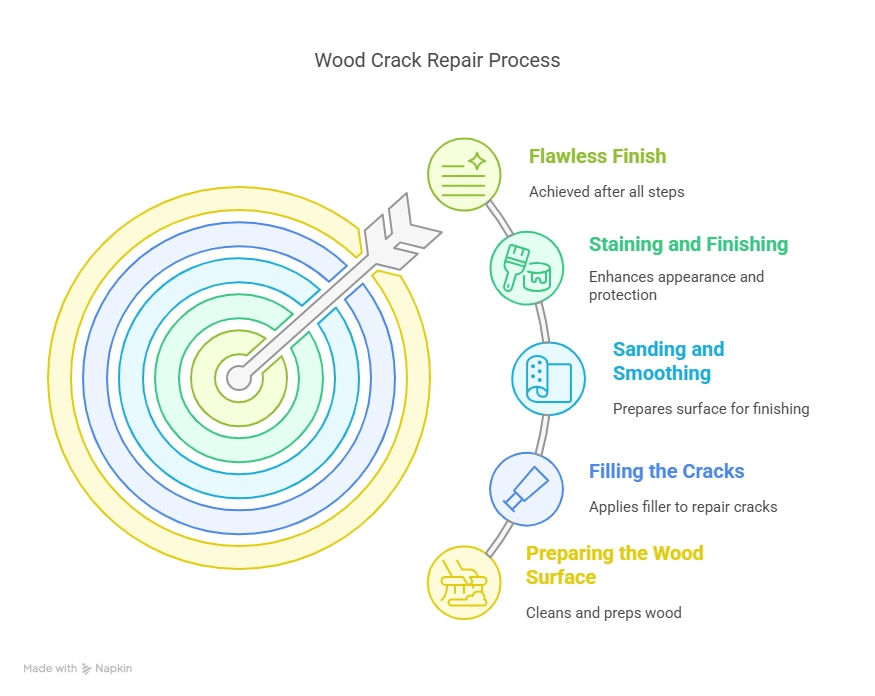
Preparing The Wood Surface
First, remove any dust or dirt. Use a clean, damp cloth. Wipe the surface gently. For sticky spots, mix mild soap with water. Rinse the cloth and wipe again. Dry the wood completely. A dry surface helps the filler stick better.
Choose fine-grit sandpaper. Sand the cracked area lightly. This smooths the surface. Sand in the direction of the wood grain. Avoid rough sanding. It can damage the wood. After sanding, clean the dust with a soft brush. Ensure the surface is smooth and clean.
Credit: www.rockler.com
Choosing The Right Filler
Wood putty is soft and flexible. It stays soft after drying. This makes it great for small cracks. Putty can be used for painted or finished wood. But it is not good for raw wood.
Wood filler is hard and durable. It dries solid. This makes it good for big cracks. Filler is great for raw wood. It can be sanded and stained. But it is not good for painted wood.
| Product | Pros | Cons |
|---|---|---|
| Wood Putty | Flexible, good for painted wood | Not for raw wood, stays soft |
| Wood Filler | Durable, can be sanded | Not for painted wood, dries hard |
Filling The Cracks
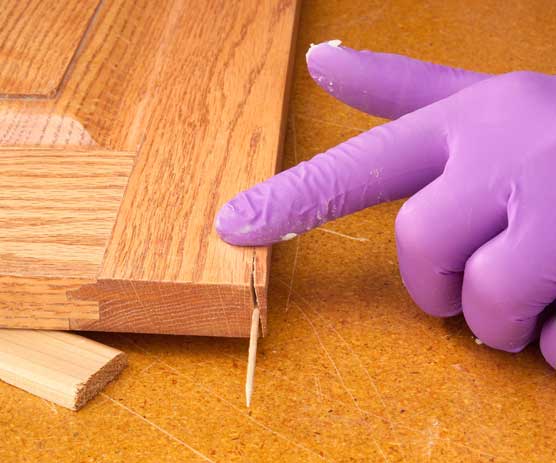
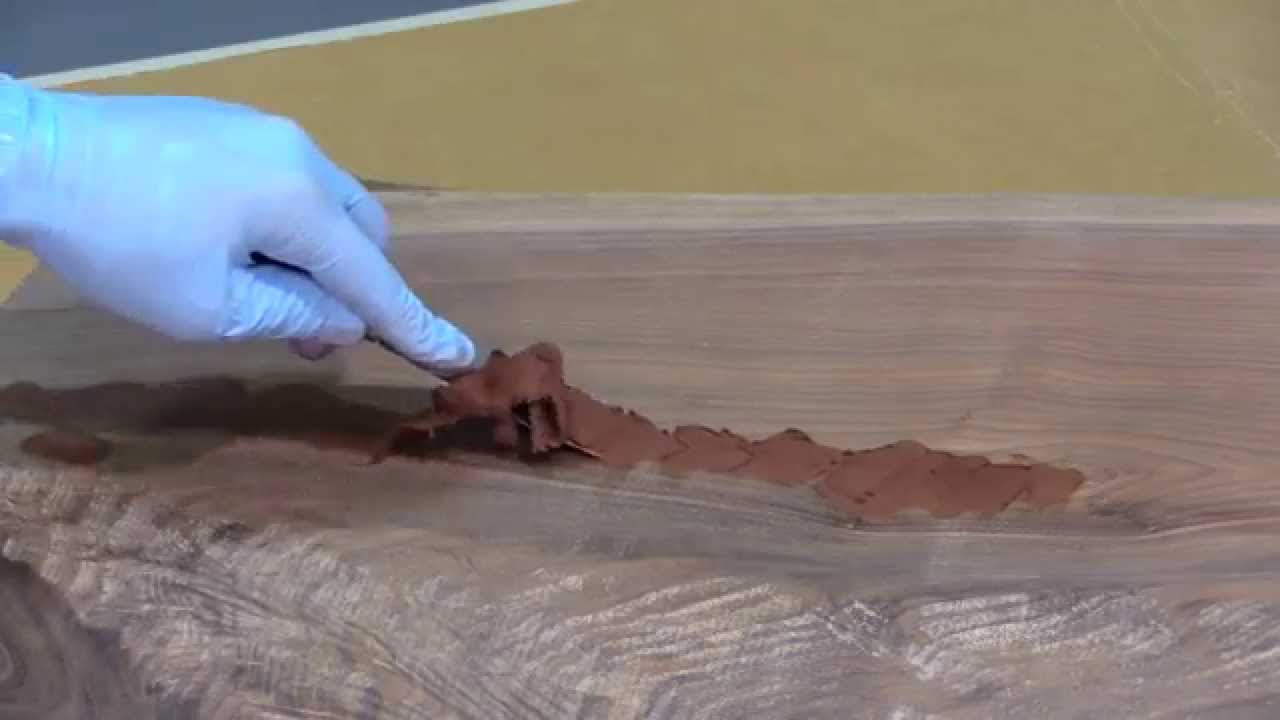
Start by cleaning the cracked wood. Use a brush to remove dust. Make sure the area is dry. Next, choose the right filler. A wood filler or putty is often best. Read the instructions on the product. Mix the filler if needed. Use a putty knife to press the filler into the cracks. Fill the crack completely.
Let the filler dry. This may take a few hours. Once dry, use sandpaper to smooth the surface. Make it level with the wood. Wipe away any dust from sanding. Your wood is now ready for paint or stain. This will help hide the repair. Repeat if the crack is deep.
Use a putty knife for small cracks. For large cracks, use a filler gun. Apply the filler in thin layers. Let each layer dry before adding more. Smooth each layer with sandpaper. This method ensures a strong repair. Be patient for the best results.
Sanding And Smoothing
Pick the right grit for the job. Start with coarse grit for rough surfaces. It removes old paint and deep scratches. Next, use medium grit to smooth out the surface. Finally, finish with fine grit for a sleek, polished look. Remember, the higher the grit number, the smoother the sandpaper.
Use a sanding block for small areas. It gives better control. For large surfaces, an electric sander saves time. Always sand in the direction of the grain. This prevents scratches. Take breaks to check progress. Feel the wood with your hand. It should be smooth, not rough.
Staining And Finishing
Choose a stain that matches your wood. Test it on a small, hidden spot. Let it dry. Compare the color to the rest of the wood. Make sure it blends well. This step ensures a uniform look. Stains come in many shades. Pick the right one for your project.
Apply the finish in thin layers. Use a brush or cloth. Let each layer dry completely. Sand lightly between layers. This helps the finish stick better. Always follow the product instructions. Apply at least two layers for best results.
Credit: www.youtube.com
Maintenance And Longevity
Regular Inspections are key to keeping your wood in good shape. Check for cracks and splits often. Tiny cracks can grow fast. Use a flashlight to see better. Look in dark corners and edges. Inspect both sides of the wood. Catching problems early saves time and money.
Preventative Measures help keep wood strong and crack-free. Apply wood sealant yearly. Sealant stops water from getting in. Water makes wood swell and crack. Use a good quality sealant. Keep wood dry and clean. Dirt and moisture weaken wood. Store wood in a cool, dry place. Avoid direct sunlight. Sun dries wood out too fast.

Credit: www.instructables.com
Frequently Asked Questions
What Is The Best Thing To Fill Cracks In Wood?
Wood filler is the best material to fill cracks in wood. It dries hard and can be sanded smooth.
Can Cracked Wood Be Repaired?
Yes, cracked wood can be repaired. Use wood filler or epoxy for small cracks. For larger cracks, consider wood glue and clamps. Sand and refinish the area for a smooth finish.
Is Caulk Or Wood Filler Better For Cracks?
Use wood filler for large cracks and holes in wood. Caulk is better for small gaps and sealing joints.
What Are Applied On Wood To Fill Up Cracks?
Wood fillers or putty are applied on wood to fill up cracks and gaps. These products provide a smooth, even surface.
Conclusion
Filling cracked wood doesn’t have to be hard. Follow the steps carefully. Gather your materials. Clean the crack. Apply filler. Let it dry. Sand the area smooth. Finally, stain or paint to match. With these simple steps, your wood will look new again.
Practice makes perfect. Keep trying and soon you’ll get great results. Enjoy your woodworking projects!