Is Aspen Wood Good for Furniture? (350 Janka, Indoor Only)
Aspen is a good furniture wood for lightly used indoor pieces such as headboards, dressers and painted shelves, but a poor one for tabletops, seating and anything outdoors. At 350 lbf on the Janka scale it is softer than eastern white pine, so it dents easily. This guide covers the real numbers, where aspen works, and how to finish it.
Is Aspen Wood Good for Furniture? The Short Answer
Best Pre-Stain Pick | |
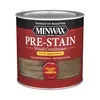 |
Minwax Pre-Stain Wood Conditioner, Clear, 1/2 Pint A brush-on conditioner that evens out how soft wood absorbs oil-based stain, so a stained aspen piece is less likely to come out streaky or blotchy.
|
As an Amazon Associate we earn from qualifying purchases. | |
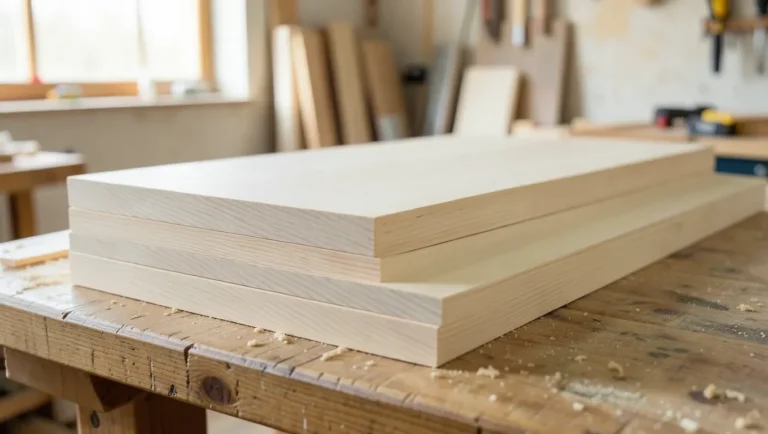
Yes for low-impact indoor furniture, no for high-wear surfaces. Aspen (quaking aspen, Populus tremuloides) has a light brown heartwood, a wide pale yellow to nearly white sapwood, a straight grain and a uniform medium texture, and it cuts easily. Those traits make it a clean canvas for paint and a light, modern look.
The catch is that many online guides praise aspen as durable and resistant to wear. The numbers say otherwise. It is rated non-durable, it is softer than a common construction pine, and it bruises where oak would shrug. Think of aspen as a budget, easy-to-work wood for pieces that mostly sit still.
How Hard and Strong Is Aspen Compared With Other Furniture Woods?
This is the comparison most competing pages skip. The table lists five woods with figures from The Wood Database entries for each species, plus how many times harder each one is than aspen (Janka value divided by 350).
| Species | Janka (lbf) | Bending strength (psi) | T/R shrink ratio | Volumetric shrinkage | Hardness vs. aspen |
|---|---|---|---|---|---|
| Quaking aspen | 350 | 8,400 | 1.9 | 11.5% | 1.0x |
| Eastern white pine | 380 | 8,600 | 2.9 | 8.2% | 1.1x |
| Yellow poplar | 540 | 10,100 | 1.8 | 12.7% | 1.5x |
| Red oak | 1,220 | 14,380 | 2.2 | 13.7% | 3.5x |
| Hard maple | 1,450 | 15,800 | 1.9 | 14.7% | 4.1x |
Three takeaways. First, aspen sits at the bottom for dent resistance, with red oak about 3.5 times harder and hard maple about 4 times. Second, its bending strength is close to eastern white pine, so shelves and bed slats need the same span limits you would use in pine. Third, movement is not its weak spot: a 1.9 tangential-to-radial ratio matches hard maple, and its 11.5% volumetric shrinkage is lower than poplar, oak or maple. Aspen fails by denting and rotting, not by warping.
If you are choosing between similar soft, paint-friendly woods, the cabinet-focused breakdown in aspen versus poplar for cabinets goes deeper on that pair, and alder for furniture is another soft option worth comparing.
Where Aspen Furniture Works and Where It Fails
Match the species to the abuse the piece will take. Aspen is a sensible pick for:
- Headboards, bed frames and platform beds, where the wood is looked at more than it is hit.
- Dressers, nightstands and drawer boxes, especially painted ones where a tough topcoat hides minor dings.
- Wall shelves and bookcases with short spans, since its bending strength is similar to pine.
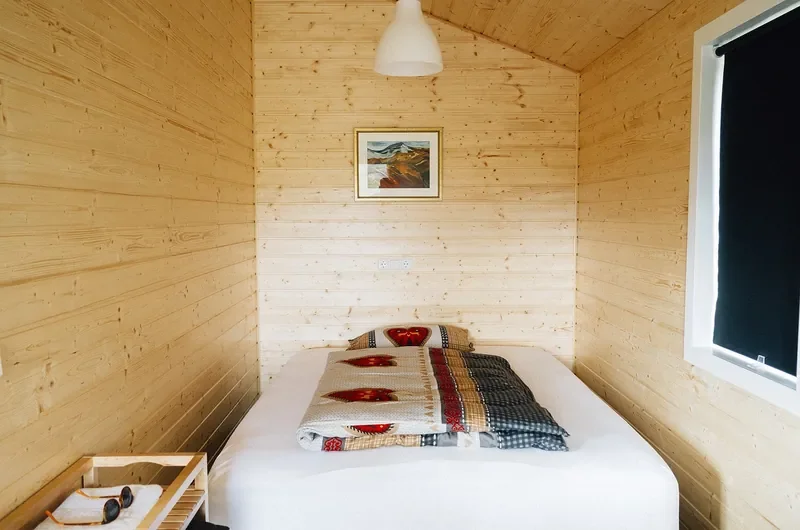
- Rustic and cabin-style pieces where a few dents read as character.
- Sauna wall panels, which The Wood Database lists among its common uses.
Skip aspen, or accept the tradeoffs, for these:
- Dining and kitchen tabletops: daily impact dents a 350 lbf surface quickly.
- Chair seats, legs and stretchers: joints are racked constantly, and soft wood compresses around fasteners. Rely on glued mortise-and-tenon or dowel joints rather than screws driven into end grain.
- Any outdoor piece: it is rated non-durable and susceptible to insect attack.
- Heavy workbenches and desks where tools are dropped on the surface.
One practical point: check the species tag before you buy. Lumber sold in mixed softwood bins is often labeled generically, so ask the yard what it is, because the stain and dent behavior above only applies to true aspen.
How to Work and Finish Aspen Without Fuzzy Grain or Blotching
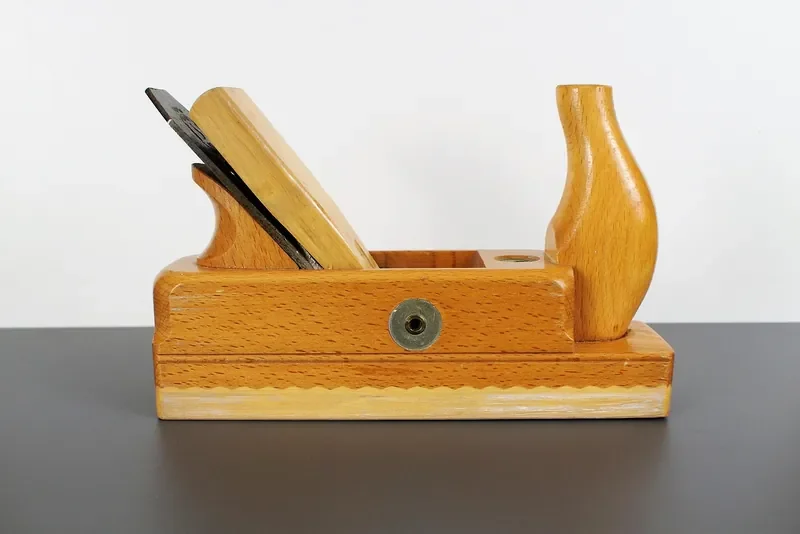
The Wood Database notes that aspen is easy to work with hand and machine tools, but sharp cutters are necessary when planing to avoid fuzzy surfaces. In other words, the soft fibers tear and lift instead of shearing cleanly. Three habits help:
- Keep edges razor sharp on plane irons, jointer knives and router bits, and take light final passes.
- Sand progressively through 180 and 220 grit, then wipe the surface and check for raised fibers under raking light.
- Raise the grain deliberately with a damp cloth, let it dry and re-sand lightly before applying a water-based finish.
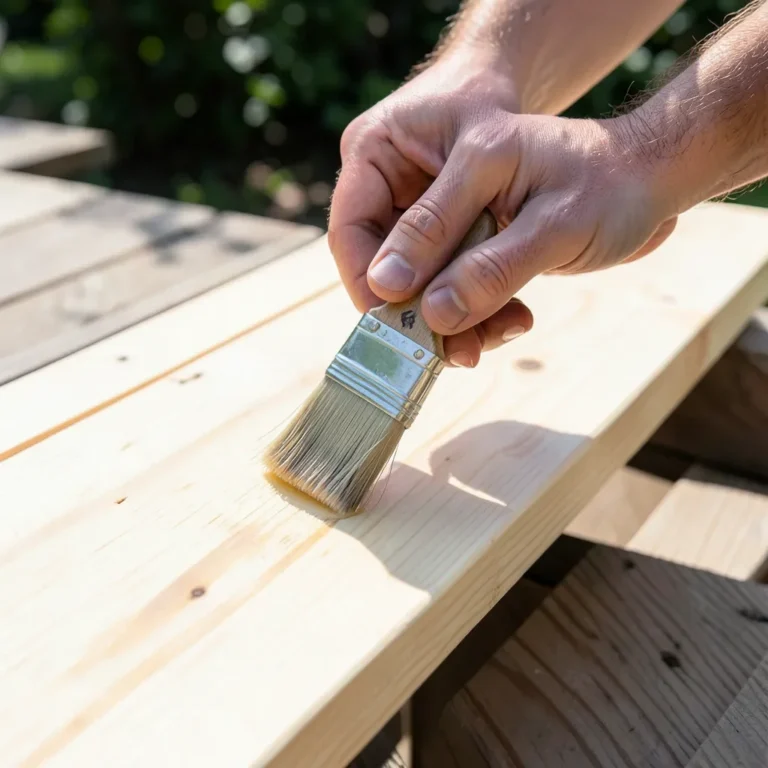
Finishing is where aspen surprises people. Because the wood is soft and low in density, stain can soak in unevenly and leave a patchy look. Test on an offcut first, and for oil-based stain wipe on a pre-stain conditioner before staining. Painting avoids the issue entirely, and a primer plus two coats of enamel is a common way to get a uniform, durable finish. Our page on why staining aspen is tricky covers the stain problems in more detail.
Because the surface is soft, finish thickness matters more than usual. Build a hard film with several thin coats of a durable topcoat such as polyurethane, sanding lightly between coats, so the finish carries some of the load the wood cannot. A film finish will not make aspen hard, but it spreads impact over a wider area.
Design and Joinery Tips for a Soft Wood Like Aspen
You can build good aspen furniture by designing around its softness instead of ignoring it. These choices cost nothing extra:
- Round over edges and corners. Sharp arrises on a soft wood chip and bruise first. A 1/8 inch to 1/4 inch roundover holds up better than a knife edge.
- Go a little thicker. Because aspen bends and dents about as easily as pine, use thicker legs, rails and shelf stock than you would choose in oak or maple.
- Favor glue joints over screws. Mortise-and-tenon, dowel and biscuit joints spread load across long-grain glue surfaces, which suits low-density wood better than screws alone.
- Support shelves often. With bending strength close to eastern white pine, add a center support or a front edge band on longer spans so shelves do not sag.
- Choose a durable finish before you build. Decide on paint or a film finish early so you can ease the edges and sand to the right grit for it.
Here is a quick guide to how aspen fits common furniture types, based on the hardness and durability figures above:
| Furniture type | Aspen verdict | Reason |
|---|---|---|
| Headboard or bed frame | Good | Low impact, mostly decorative |
| Dresser or nightstand | Good, painted is best | Drawer fronts and tops dent but hide dings under paint |
| Wall shelf or bookcase | Good on short spans | Bending strength is similar to pine |
| Dining or kitchen table | Poor | Daily impact on a 350 lbf surface |
| Chair or stool | Poor to fair | Racking loads at joints, soft fibers |
| Patio or deck furniture | No | Rated non-durable and prone to insects |
Aspen Furniture Care and Dent Prevention
- Use felt pads under lamps, planters and decor, and coasters under drinks, since standing moisture and heat mark any wood finish.
- Put a tablecloth or runner over an aspen table used for meals or homework.
- Wipe spills promptly and dry the surface. Avoid harsh chemical cleaners on a clear finish.
- Keep pieces away from radiators and direct sun to protect the finish.
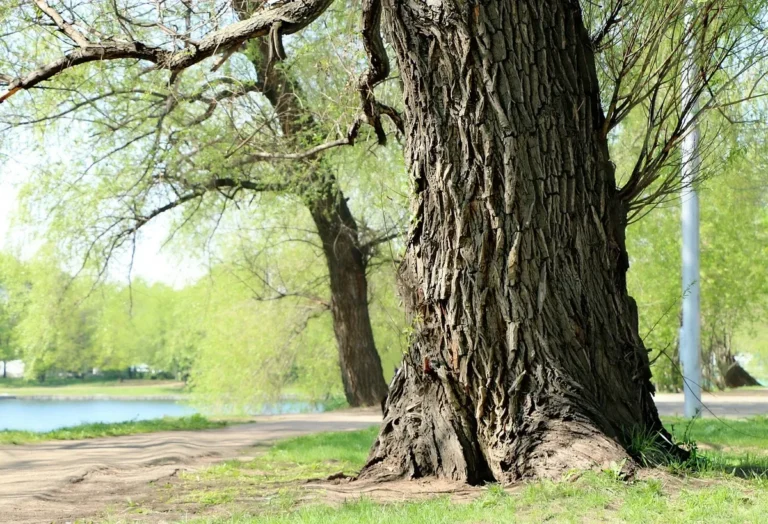
Aspen is also sold as firewood, but that is a different job entirely. If you have offcuts or a fallen tree, see is aspen good firewood for its heat output and creosote behavior.
Frequently Asked Questions
Is aspen a hardwood or a softwood?
Botanically, aspen is a hardwood because it comes from a deciduous, broadleaf tree. In practice it works and dents like a softwood. Quaking aspen has a Janka hardness of 350 lbf, which is lower than eastern white pine at 380 lbf, a true softwood.
Is aspen good for a dining table?
Only with a tough film finish and realistic expectations. At 350 lbf it dents from dropped forks, chair legs and pressed-in fingernails far more easily than red oak at 1,220 lbf. A dining table gets the hardest use in the house, so most builders pick a harder species for the top and save aspen for lower-stress pieces.
Can you use aspen furniture outdoors?
No. The Wood Database rates aspen as non-durable and susceptible to insect attack, so it has no natural resistance to rot outdoors. Even sealed, it is a poor choice for patio pieces that see rain, sun and ground contact.
Does aspen stain well?
It can, but soft, even-textured woods are prone to uneven color, so test first. Wipe a pre-stain conditioner on a scrap piece, let it sit as the label directs, then stain and compare it with an unconditioned scrap before you commit the real project.
Is aspen cheaper than oak or poplar?
Usually, yes. The Wood Database says wide aspen planks should be available within its natural range for a modest price. Actual prices vary by region and supplier, so compare current quotes at your local lumberyard rather than relying on a general rule.
Bottom Line
Aspen is an inexpensive, easy-to-machine wood that suits painted or lightly used indoor furniture. Its 350 lbf hardness, non-durable rating and tendency to fuzz mean it is the wrong species for tabletops, seating and outdoor pieces. If the project matches its strengths, use sharp tools, condition before staining, and finish with a hard film.
Sponsored / affiliate links. As an Amazon Associate I earn from qualifying purchases. I may earn additional commission from eligible campaigns.