How to Finish a Charcuterie Board: Impress Guests!
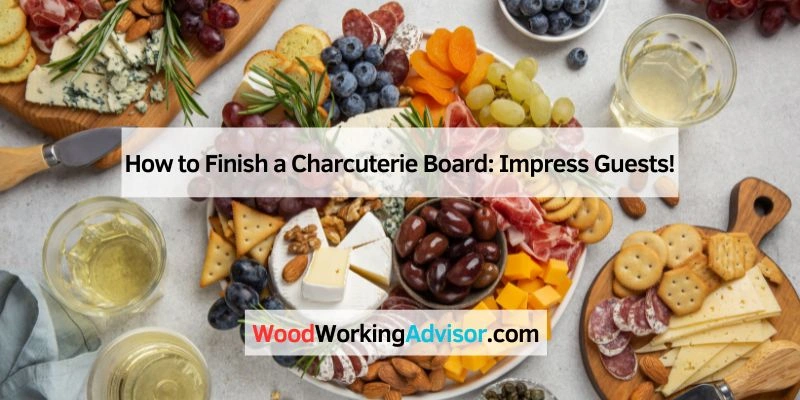
To finish a charcuterie board, arrange the ingredients neatly and garnish with fresh herbs or edible flowers. Serve with appropriate utensils for a complete presentation.
Creating a stunning charcuterie board is an art that can elevate any gathering. This delicious spread combines various meats, cheeses, fruits, and accompaniments to delight your guests. A well-crafted board not only looks beautiful but also offers a variety of flavors and textures.
Whether you’re hosting a casual get-together or a formal event, finishing touches make all the difference. Choosing the right arrangement and garnishes can enhance the visual appeal and encourage guests to dig in. Explore creative ways to present your charcuterie board, ensuring it becomes the centerpiece of your next occasion. Let’s dive into the essential steps to complete your charcuterie masterpiece.
The Art Of Charcuterie Boards
Creating a beautiful charcuterie board is an art. It combines colors, textures, and flavors. Your board tells a story through each ingredient. Let’s explore how to craft the perfect charcuterie experience.
Choosing The Right Board
Selecting the right board sets the stage. Use these options:
- Wooden Boards: Classic and rustic. Great for slicing.
- Slate Boards: Sleek and modern. Easy to clean.
- Marble Boards: Elegant and cool. Keeps cheese fresh.
Consider size. A larger board allows more creativity. Ensure it fits your table. Keep it stable for easy serving.
Variety Is Key
Diversity makes a charcuterie board exciting. Include:
| Category | Examples |
|---|---|
| Meats | Salami, Prosciutto, Chorizo |
| Cheeses | Brie, Cheddar, Goat Cheese |
| Fruits | Grapes, Apples, Figs |
| Nuts | Almonds, Walnuts, Cashews |
| Extras | Olives, Honey, Crackers |
Mix and match flavors. Balance salty meats with sweet fruits. Pair creamy cheeses with crunchy nuts. This variety excites the palate.

Selecting The Perfect Meats
Choosing the right meats is key for a great charcuterie board. The selection sets the tone and flavor. A mix of textures and tastes keeps it exciting. Focus on quality and variety for the best experience.
Cured Vs Fresh
Understanding the difference between cured and fresh meats is crucial.
| Type | Description | Examples |
|---|---|---|
| Cured Meats | Processed to enhance flavor and preserve. | Salami, Prosciutto, Chorizo |
| Fresh Meats | Not processed; must be cooked before eating. | Chicken, Turkey, Roast Beef |
Cured meats offer rich flavors. They also add a savory touch. Fresh meats bring a clean taste. Combine both types for balance.
Arrangement Techniques
Arranging meats on the charcuterie board matters. A well-thought-out layout attracts attention. Use these techniques:
- Layering: Stack cured meats for a visual impact.
- Folding: Fold slices of prosciutto for elegance.
- Grouping: Place similar meats together for easy selection.
- Spacing: Leave gaps for cheeses and accompaniments.
Experiment with different styles. Don’t overcrowd the board. Leave room for other delicious items.
Cheese: The Heart Of Your Board
Cheese is the star of any charcuterie board. It adds flavor and texture. Selecting the right cheeses can elevate your spread. Different types of cheese create balance and excitement.
Soft To Hard
Cheese comes in various textures. Each type brings its own charm. Here’s a quick guide:
| Cheese Type | Texture | Examples |
|---|---|---|
| Soft | Creamy and spreadable | Brie, Camembert |
| Semi-Hard | Firm yet sliceable | Cheddar, Gouda |
| Hard | Crumble or grate | Parmesan, Pecorino |
Start with soft cheeses. They invite guests to dig in. Add semi-hard cheeses for variety. Finish with hard cheeses for a savory kick. Each layer creates a delightful experience.
Pairing Flavors
Flavor pairing enhances your cheese selection. Consider these combinations:
- Soft Cheeses: Pair with fruits like figs or grapes.
- Semi-Hard Cheeses: Serve with nuts or honey.
- Hard Cheeses: Complement with cured meats or olives.
Mix sweet and savory for balance. Don’t forget textures. Crunchy crackers work well with creamy cheeses.
Experiment with flavors. Create a memorable charcuterie board that delights everyone.
Accompaniments That Complement
Creating a stunning charcuterie board requires careful selection of accompaniments. These items enhance flavors and create a balanced experience. Choose items that pair well with meats and cheeses.
Fruits And Nuts
Fruits and nuts add color, texture, and sweetness. They balance the savory elements. Here are some excellent choices:
- Fruits:
- Grapes
- Figs
- Apples
- Pears
- Strawberries
- Nuts:
- Almonds
- Walnuts
- Pistachios
- Cashews
Arrange fruits in clusters. Scatter nuts around the board. This layout creates visual appeal.
Pickles And Olives
Pickles and olives add a tangy kick. They enhance the charcuterie experience. Here are popular options:
| Pickles | Olives |
|---|---|
| Gherkins | Kalamata Olives |
| Dill Pickles | Green Olives |
| Sweet Pickles | Stuffed Olives |
Place pickles in small jars or bowls. Offer olives in a separate dish. This keeps flavors distinct and fresh.
Breads And Crackers: The Foundation
Breads and crackers are the base of any great charcuterie board. They provide texture and contrast. Choosing the right options enhances flavors and balances the board.
Types To Include
Variety is key. Here are some popular choices:
- Baguette – Fresh and crusty, perfect for toppings.
- Ciabatta – Soft inside with a crispy crust.
- Water Crackers – Light and neutral, great for cheese.
- Whole Wheat Crackers – Nutty flavor, adds health benefits.
- Flatbreads – Thin and crispy, excellent for dips.
- Breadsticks – Crunchy and fun to snack on.
Arranging For Accessibility
Easy access makes the charcuterie board inviting. Follow these tips:
- Place larger items first, like breads.
- Group similar items together for a clean look.
- Use small bowls for dips and spreads.
- Leave space between items for easy grabbing.
- Label items if using unique or specialty options.
| Type | Texture | Best Pairing |
|---|---|---|
| Baguette | Crusty | Cheese |
| Water Crackers | Light | Charcuterie |
| Flatbreads | Crispy | Dips |
The Final Touch: Garnishes
The right garnishes elevate your charcuterie board. They add color, flavor, and style. A well-garnished board is visually appealing and invites guests to indulge.
Herbs And Edible Flowers
Using fresh herbs and edible flowers can enhance your board.
- Basil: Bright and fragrant, pairs well with cheeses.
- Rosemary: Adds a robust flavor and looks beautiful.
- Thyme: A subtle herb that complements meats.
- Edible Flowers: Choose pansies, nasturtiums, or violets for color.
Place herbs in clusters. Sprinkle edible flowers around cheeses or meats. This creates a vibrant look. Guests will appreciate the extra touch.
Presentation Tips
Effective presentation makes your board stand out. Use different heights and colors.
| Element | Tip |
|---|---|
| Cheese | Cut into wedges or cubes for easy serving. |
| Meats | Fold or roll for a dynamic appearance. |
| Nuts | Scatter them around for texture. |
| Fruits | Use whole, sliced, or cubed for variety. |
Use small bowls for dips or spreads. Place them strategically for balance. Keep colors contrasting for visual appeal. A well-arranged board invites guests to explore.
Pairing With Drinks
Completing your charcuterie board with the right drinks enhances flavors. Drinks can elevate your tasting experience. Choose beverages that complement your board’s ingredients.
Wine Selections
Wine is a classic pairing for charcuterie boards. Different wines bring out different tastes. Here are some excellent wine choices:
| Wine Type | Best Pairing |
|---|---|
| Red Wine | Salami, aged cheeses |
| White Wine | Prosciutto, fresh fruits |
| Rosé | Mixed meats, olives |
Choose a wine based on your meats and cheeses. Consider the flavors. A bold red can balance spicy salami. A crisp white can brighten creamy cheeses.
Non-alcoholic Options
For those who prefer non-alcoholic drinks, plenty of choices exist. These drinks can also enhance your charcuterie board. Here are some ideas:
- Sparkling Water – Refreshing and palate-cleansing.
- Fruit Juices – Orange juice pairs well with cheeses.
- Iced Tea – Herbal or fruity blends complement flavors.
- Mocktails – Create fun, fruity drinks without alcohol.
Choose drinks that match the flavors on your board. Balance sweetness with savory ingredients. Keep it fun and refreshing.
Serving And Enjoying
Serving and enjoying a charcuterie board is a delightful experience. It brings people together. The right presentation enhances flavors and fun.
Right Temperature
Temperature plays a vital role in enjoying a charcuterie board. Here are some tips:
- Cold Items: Serve cheeses and meats chilled. Store them in the fridge until serving.
- Room Temperature: Let cheeses sit out for 30 minutes. This allows flavors to bloom.
- Warm Items: Serve warm dips or breads fresh from the oven.
Check the temperature of each item. This ensures the best taste. Guests will appreciate the effort.
Guest Interaction
Engagement enhances the charcuterie experience. Here’s how to encourage guest interaction:
- Ask for Preferences: Inquire about favorite cheeses or meats.
- Encourage Tasting: Invite guests to sample different pairings.
- Share Stories: Discuss the origins of the items on the board.
Set up a small area for guests to build their own bites. Provide small plates and utensils. This makes it fun and interactive.
Remember, a charcuterie board is more than food. It’s about connection and enjoyment.

Frequently Asked Questions
How Do I Choose Items For A Charcuterie Board?
Selecting items for a charcuterie board involves balancing flavors and textures. Include a variety of meats, cheeses, fruits, and nuts. Consider adding dips like hummus or mustard for extra flavor. Fresh herbs can enhance the presentation. Aim for visual appeal and a mix of savory and sweet.
What Is The Best Cheese For A Charcuterie Board?
The best cheese for a charcuterie board includes a variety of textures and flavors. Soft cheeses like Brie contrast well with hard cheeses like aged cheddar. Blue cheese adds a bold flavor, while goat cheese offers creaminess. Aim for a well-rounded selection to please diverse palates.
How Can I Arrange A Charcuterie Board?
Arranging a charcuterie board requires planning for balance and visual appeal. Start by placing larger items like cheese and meats first. Fill in gaps with smaller items like nuts and fruits. Use small bowls for dips. Finally, garnish with fresh herbs for a polished look.
What Fruits Pair Well With Charcuterie?
Fruits that pair well with charcuterie include grapes, figs, and apples. Dried fruits like apricots and dates add sweetness. Fresh berries provide a tart contrast. Consider seasonal fruits for variety. Always aim for a mix of flavors to complement the meats and cheeses.
Conclusion
Creating a stunning charcuterie board is an art. Each element adds flavor, color, and texture. Remember to balance meats, cheeses, fruits, and nuts for a visually appealing and delicious spread. With practice, your boards will impress guests and elevate gatherings.
Enjoy the process and let your creativity shine!