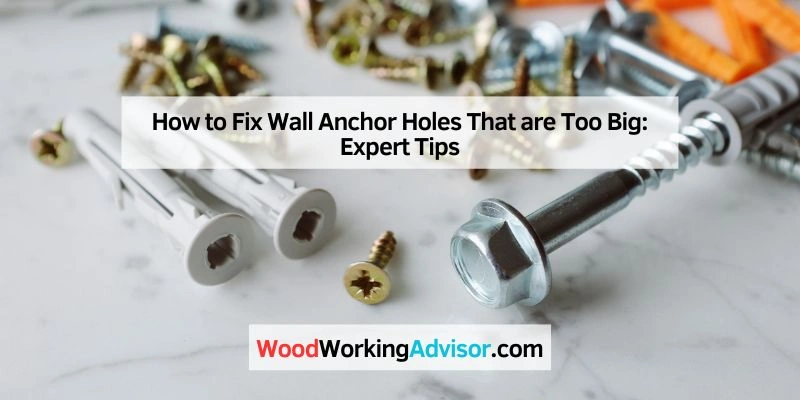
How to Fix Wall Anchor Holes That are Too Big: Expert Tips
Got a wall anchor hole that’s too big? Don’t worry, fixing it is easier than you think.
When you have a hole that’s too large for a wall anchor, it can be frustrating. Maybe you drilled the hole too wide or the anchor pulled out, leaving a gaping problem. This isn’t just a cosmetic issue; it can affect the stability of whatever you planned to mount.
But don’t fret! Repairing an oversized wall anchor hole is manageable with the right tools and techniques. In this guide, you’ll learn simple, effective methods to fix those big holes and make sure your wall mounts are secure again. Ready to get started? Let’s dive in
Assessing The Damage
Fixing wall anchor holes that are too big requires some basic tools. Fill the hole with a suitable filler. Sand it smooth, then repaint for a seamless finish.
Before fixing wall anchor holes that are too big, assess the damage. This step ensures you choose the best repair method. First, identify the size and shape of the hole. Then, determine the type of wall material. Each type of wall may need a different repair approach.
Identifying Oversized Holes
Start by identifying oversized holes. Use a tape measure to check the hole’s diameter. If the hole is larger than the anchor, it needs repair. Also, look for any cracks or chips around the hole. These signs mean the wall may need extra attention. Take note of all damaged areas.
Evaluating Wall Material
Next, evaluate the wall material. Different materials need different fixes. Drywall is common and easy to repair. Plaster walls require more care and skill. Brick and concrete need special tools and materials. Knowing the wall type helps you choose the right repair method. Check the wall’s texture and composition to identify the material.
By assessing the damage properly, you can fix the wall anchor holes effectively. This preparation saves time and ensures a solid repair.
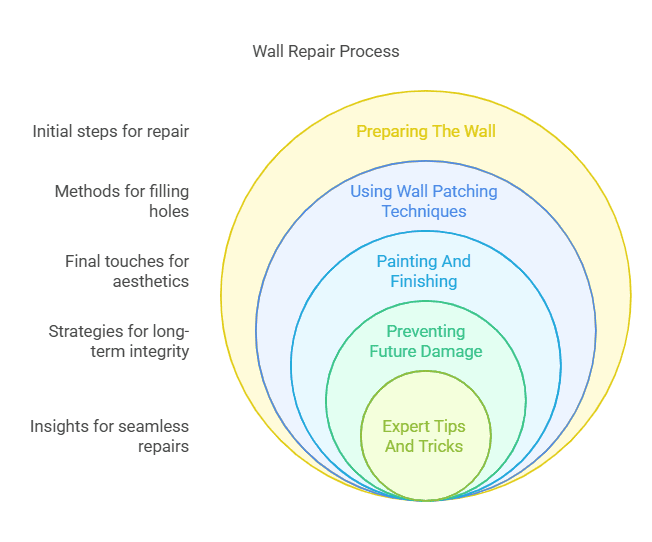
Gathering Necessary Tools
Fixing wall anchor holes that are too big can be a straightforward task. First, you need to gather the right tools. Having everything ready will save time and make the job easier.
Essential Repair Materials
You will need basic repair materials. Get wall putty or spackle. These will fill in the holes. You also need a putty knife. This helps spread the putty evenly. Sandpaper is important too. Use it to smooth the patched area.
Don’t forget the primer. This prepares the wall for painting. Lastly, have some paint that matches your wall. This will cover the repair and make it blend in.
Optional Tools For Better Results
Some optional tools can make the repair look even better. A caulk gun can help with precision. Use it to apply putty neatly. A level can ensure the repair is flat and even.
A small brush is useful for touch-up paint. It helps with detailed work. A vacuum can keep your work area clean. Clean spaces lead to better results.
Preparing The Wall
Fixing wall anchor holes that are too big can be a daunting task, but with the right preparation, it becomes much easier. Before jumping into the repair process, it’s crucial to prepare the wall properly. This preparation ensures a smooth and long-lasting fix. Let’s dive into the steps you need to take to get your wall ready.
Cleaning The Area
First things first, you need to clean the area around the hole. Dust and debris can prevent the filler from sticking properly. Here’s how you can clean the area:
- Remove Dust: Use a brush or a vacuum to remove any loose dust and debris around the hole.
- Wipe with a Damp Cloth: Lightly dampen a cloth and wipe the area to ensure it’s free of any lingering dust. Be sure not to soak the wall.
- Let it Dry: Allow the area to dry completely before moving on to the next step.
Remember, a clean surface is essential for a successful repair.
Smoothing Rough Edges
Next, you’ll want to smooth out any rough edges around the hole. This helps the filler adhere better and creates a more polished finish.
- Sand the Edges: Use a piece of fine-grit sandpaper to gently sand the edges of the hole. This will remove any jagged pieces and create a smoother surface.
- Check for Smoothness: Run your hand over the area to ensure it’s smooth. If you feel any rough spots, sand them down.
- Remove Sanding Dust: Once you’ve finished sanding, use a brush or vacuum to clean up the dust.
Smoothing the edges not only helps with the filler application but also makes the final result look more professional.
By cleaning the area and smoothing rough edges, you are setting the stage for a seamless repair. These steps might seem small, but they make a big difference in the quality and durability of your fix. So, take your time and get it right!
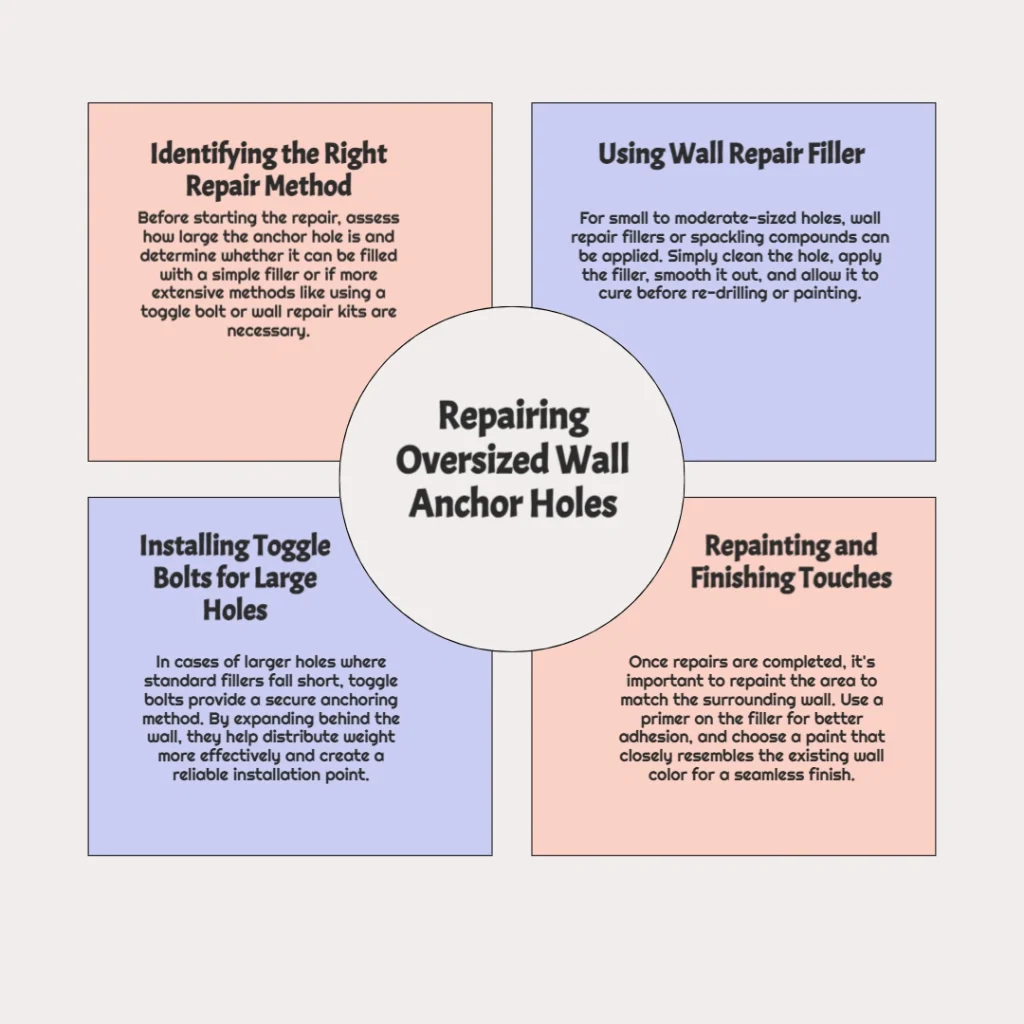
Using Wall Patching Techniques
When you find wall anchor holes that are too big, don’t panic. Using wall patching techniques can restore your wall to its original state. These techniques are simple and effective, even for beginners. Let’s explore two methods: applying spackle or putty, and using drywall repair kits.
Applying Spackle Or Putty
Spackle or putty can fill oversized wall anchor holes. Start by cleaning the hole with a brush. This removes any loose debris. Next, use a putty knife to apply spackle or putty. Press it firmly into the hole. Fill it completely.
Allow the spackle or putty to dry. This usually takes a few hours. Once dry, sand it smooth with fine-grit sandpaper. This ensures a flat surface. Finally, paint over the patched area to match your wall.
Using Drywall Repair Kits
Drywall repair kits are another great option. These kits include everything you need. Start by following the instructions on the kit. Usually, it involves attaching a patch over the hole. Secure the patch with adhesive.
Next, apply joint compound over the patch. Spread it evenly using a putty knife. Let the compound dry for the recommended time. Sand it smooth once it’s dry. Finally, paint over the repaired area. Your wall will look as good as new.
Reinforcing With New Anchors
Wall anchor holes that are too big can be a real headache, can’t they? But don’t worry, fixing them is easier than you might think. One effective solution is reinforcing the area with new anchors. This method ensures a strong and secure hold, preventing further damage to your walls. Let’s dive into the details and get your walls looking as good as new!
Choosing The Right Type Of Anchor
First things first, you need to choose the right type of anchor for the job. Not all anchors are created equal, and picking the wrong one can lead to even bigger problems. Here are some common types of anchors you might consider:
- Plastic Anchors: These are great for light-duty tasks. They are easy to install and work well in drywall.
- Metal Anchors: Perfect for heavier items, metal anchors provide a stronger hold and are more durable.
- Toggle Bolts: Ideal for very heavy items, toggle bolts expand behind the wall to provide maximum support.
When choosing an anchor, consider the weight of the item you’re hanging and the type of wall material. This will ensure you get the best hold possible.
Proper Installation Techniques
Once you’ve selected the right anchor, it’s time to install it correctly. Proper installation is key to ensuring your wall anchor holds up. Follow these steps for a secure fit:
- Prepare the Hole: Clean out the oversized hole, removing any loose debris. If the hole is too large, you might need to fill it with a wall patch or putty first.
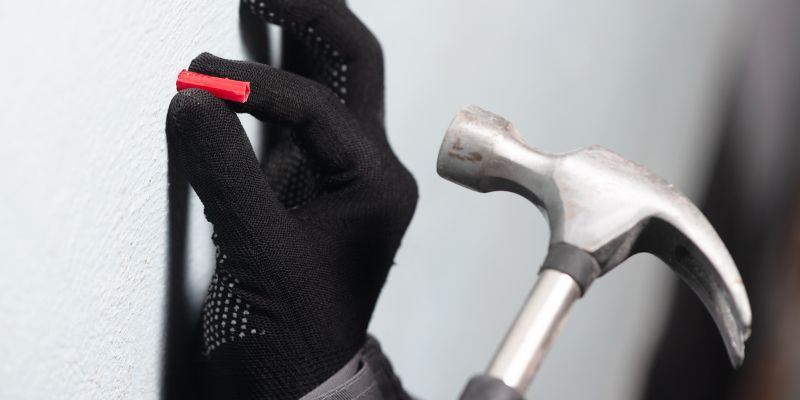
- Install the Anchor: Insert the new anchor into the prepared hole. For plastic anchors, tap them in gently with a hammer. For metal anchors, screw them in place until they are flush with the wall.
- Secure the Item: Once the anchor is installed, attach your item using the appropriate screws. Make sure to tighten them firmly but not too tight to avoid damaging the anchor.
And there you have it! By following these steps, you’ll have a strong and secure anchor that can handle the weight of your items without causing further damage to your walls.
Remember, taking the time to choose the right anchor and install it properly can save you a lot of headaches down the road. So next time you encounter an oversized wall anchor hole, you’ll know exactly what to do!
Painting And Finishing
After fixing wall anchor holes that are too big, you need to paint and finish the area. This step ensures the repair blends seamlessly with the rest of your wall. Proper painting and finishing can make the repaired area nearly invisible. Follow these steps to achieve a professional look.
Priming The Repaired Area
Begin by applying a primer to the repaired area. Use a small brush to cover the patch completely. This helps the paint adhere better and provides a uniform surface. Let the primer dry for the recommended time on the label.
Applying Final Coat Of Paint
Once the primer is dry, apply the final coat of paint. Use a paintbrush or roller that matches the rest of your wall’s finish. Apply the paint in thin, even layers. Allow the first coat to dry completely before adding a second coat if needed.
Check the repaired area after the paint dries. Ensure the color matches the surrounding wall. Touch up if necessary to achieve a perfect blend.
Preventing Future Damage
Fixing wall anchor holes that are too big is crucial. But preventing future damage is equally important. Using proper methods can save you time and money. Here are some tips to prevent future issues.
Using Proper Anchor Sizes
Choosing the right anchor size matters. Measure the hole before picking an anchor. A tight fit ensures stability. Avoid using anchors that are too small. They can slip out and cause damage.
Follow the manufacturer’s instructions. Different walls need different anchors. Drywall, plaster, and concrete all have specific needs. Use the right anchor for each wall type. This prevents future damage and keeps your items secure.
Regular Wall Inspections
Inspect your walls regularly. Look for signs of wear and tear. Small cracks can grow over time. Catching them early can prevent bigger issues. Check areas where you have used anchors. Make sure they are still secure.
Touch up any damage immediately. A small repair now can save a lot of trouble later. Regular maintenance keeps your walls strong and durable.
Expert Tips And Tricks
Fixing wall anchor holes that are too big can be simple with a few expert tips. Use wall repair compound or toothpicks with glue to fill the hole. Once dry, drill a new hole for a secure anchor.
Fixing wall anchor holes that are too big can seem tricky. But with the right techniques, you can achieve a seamless repair. Here are some expert tips and tricks to help you get the job done right.
Common Mistakes To Avoid
Many people make the mistake of using the wrong materials. This can lead to further damage. Avoid using spackle or joint compound alone. These materials may not provide enough support. Another common mistake is not preparing the hole properly. Make sure to clean the hole before starting the repair. Dirt and debris can prevent the new material from adhering properly.
Pro Tips For A Seamless Repair
First, choose the right repair material. Epoxy putty or a patch kit works well. Apply the putty or patch to the hole. Make sure to press it firmly into the wall. This ensures it bonds well. Use a putty knife to smooth out the surface. This helps create an even finish.
Once the material is dry, sand the area lightly. This removes any rough spots. It also helps the repair blend in with the wall. Finally, paint over the repair. Use a matching paint color for a seamless look. Remember to use primer if needed. This helps the paint adhere better.
Following these tips can make the repair process easier. You’ll end up with a smooth, sturdy wall. No one will know there was ever a hole.
Frequently Asked Questions
How To Fix A Hole Too Big For A Wall Anchor?
Use a larger anchor or fill the hole with wood filler. Let it dry, then drill a new hole.
How To Fix A Hole Too Big For A Wall Plug?
Use a larger wall plug or insert a wooden dowel into the hole. Apply epoxy or filler around it. Let it dry.
How Do You Fix Drywall Anchors That Pull Out?
Remove the loose anchor and clean the hole. Insert a wooden dowel or toothpicks with wood glue. Let it dry. Trim excess wood, then reinsert the anchor.
How Do You Fix A Hole In Drywall That Is Too Big?
Cut a drywall patch larger than the hole. Secure it with drywall screws. Apply joint compound, sand, and paint.
Conclusion
Fixing oversized wall anchor holes is simple with the right steps. Gather necessary tools like spackling paste and a putty knife. Clean the hole and fill it with spackling paste. Allow it to dry completely. Sand the area smooth and repaint it to match the wall.
Now, your wall looks good as new. No more large anchor holes. Remember, patience and precision lead to the best results. Happy repairing!