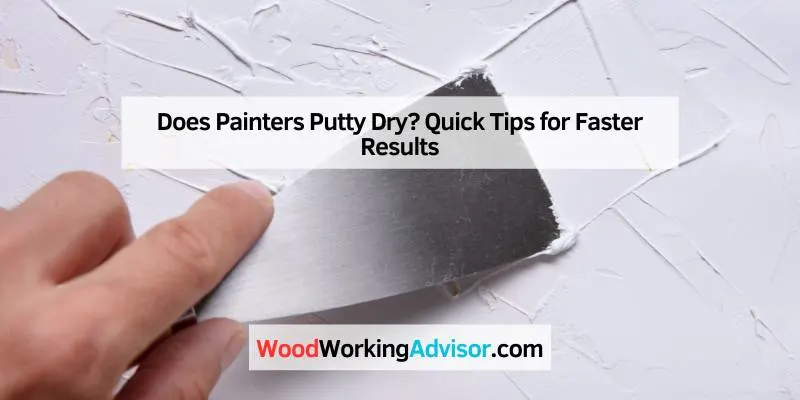
Does Painter’s Putty Dry? Dry-to-Touch vs Full Cure Time
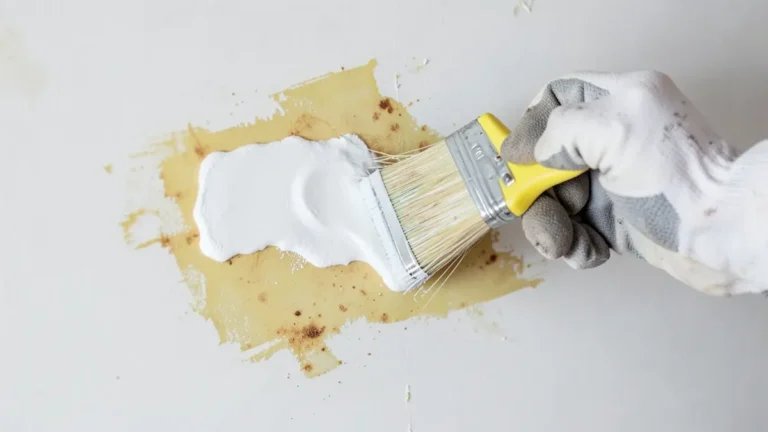
Painter’s putty dries to the touch in 1 to 2 hours, but it needs a full 24 to 48 hours to cure before you paint over it. Painting too soon traps moisture underneath, which is the leading cause of cracking and peeling on glazed sash and trim. This guide covers the real dry-to-touch vs. full-cure timeline, what temperature and humidity do to it, and how to speed up a slow cure safely.
The Essentials Of Painters Putty
Best Painter’s Putty Pick
DAP Painter’s Putty ’53’, White, 16 oz
The classic knife-grade wood putty most trim carpenters keep on the bench — smooth working, sands easily once cured, and takes paint without bleed-through.
- Best for: window sash glazing, baseboard and trim nail holes, general cosmetic wood repairs
- Why we picked it: the most widely used painter’s putty on the market, with a predictable 24–48 hour cure window that matches the timeline in this guide
- Main drawback: oil-based formula stays workable a long time, so it needs the full cure window before painting — it will not rush past 24 hours
Compare more painter’s putty options
 Option 1 DAP Painter’s Putty, 8 oz
|
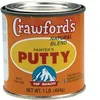 Option 2 Crawford Natural Blend Putty
|
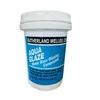 Option 3 Aqua Glaze Fast-Dry Compound
|
As an Amazon Associate we earn from qualifying purchases.
Painter’s putty is a versatile material used in many projects. It is made from a mixture of linseed oil and calcium carbonate. This combination gives it a smooth texture. There are two main types: oil-based and water-based. Oil-based putty dries slowly, while water-based dries faster.
Common uses of painter’s putty include filling holes and cracks. It helps create a smooth surface for painting. Many people use it for window frames and baseboard nail holes. This product also helps seal gaps to prevent air leaks. Proper application ensures a long-lasting finish.
Drying Characteristics Of Painters Putty
Painters putty is a popular choice for filling holes and cracks. Its drying time varies due to several factors. Understanding these factors helps ensure the best results.
- Temperature: Warmer conditions speed up drying.
- Humidity: High humidity slows down the drying process.
- Thickness: Thicker applications take longer to dry.
- Airflow: Good ventilation helps putty dry faster.
Painter’s putty reaching “dry to the touch” and painter’s putty being fully cured are two different things — and mixing them up is the number one reason glazed windows and filled trim crack within days of painting. The surface skins over in 1 to 2 hours, but the putty underneath stays soft and is still releasing moisture for another day or two.
| Stage | Typical Time | What You Can Safely Do |
|---|---|---|
| Dry to the touch | 1–2 hours | Handle gently — do not sand or paint yet |
| Sandable (thin layer) | 2–4 hours | Light sanding to level the surface |
| Safe to prime and paint | 24–48 hours | Full cure reached in normal room conditions (68–75°F) |
| Thick fill (over 1/8 in.) | 3–5 days | Deep glazing needs extra time before it is paint-ready |
📊 Manufacturer guidance for oil-based glazing putty like DAP’s Painter’s Putty ’53’ calls for a full skin to form before painting, with 24–48 hours as the standard cure window in normal room conditions. — Source: DAP Painter’s Putty product literature
“I’ve had window glazing look perfectly smooth after two hours, only to see hairline cracks appear three days later because I painted before the moisture underneath had a chance to escape. Now I give it the full 48 hours, even when it already feels dry to the touch.”
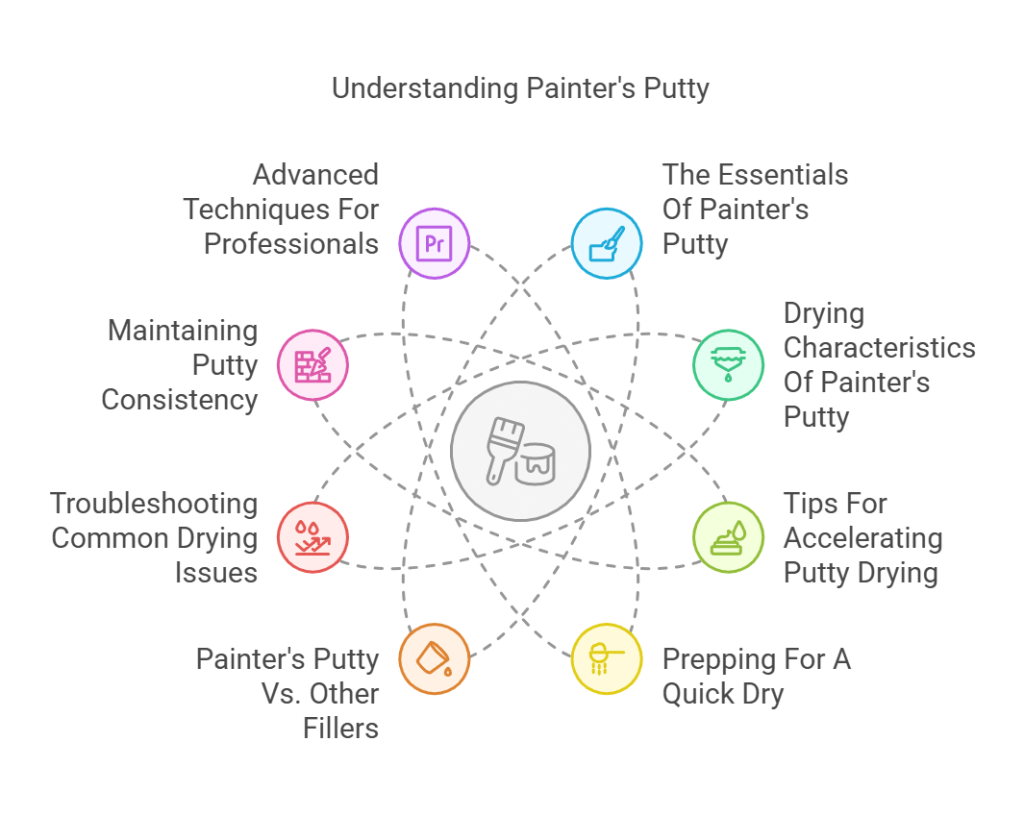
Tips For Accelerating Putty Drying
To speed up the drying of painter’s putty, use the right techniques. Apply a thin layer of putty. This allows for faster drying times. Avoid thick applications as they take longer to dry.
Control the temperature and humidity in your workspace. Ideal conditions are a warm and dry environment. Aim for a temperature of around 70°F (21°C). Humidity levels should be kept below 50%.
Use a fan to improve air circulation. This can help dry the putty more quickly. Natural light can also assist in the drying process. Ensure good ventilation to enhance airflow.
Prepping For A Quick Dry
Preparing the surface is key for a smooth finish. Start by cleaning the area well. Remove dust, dirt, and grease for better adhesion. Smooth surfaces help the putty stick properly.
Select the right tools for the job. A good putty knife is essential for applying the putty. Choose a sanding block for smoothening surfaces before application. Using a primer can also improve results.
Make sure the room is at a suitable temperature. Ideal conditions help the putty dry faster. Avoid high humidity for the best results.
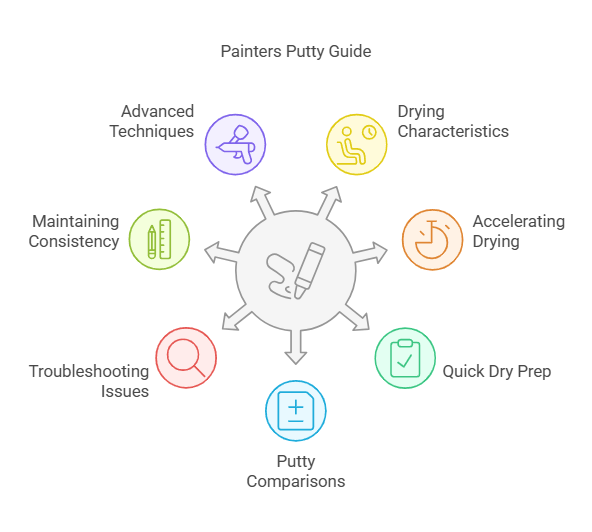
Painters Putty Vs. Other Fillers
Painters putty is a popular choice for filling holes. It dries slower than some other fillers. This allows for easy application and smoothing.
Here is a quick comparison of drying times:
| Product | Drying Time |
|---|---|
| Painters Putty | 1-2 hours |
| Spackling Paste | 30 minutes |
| Wood Filler | 1-6 hours |
| Joint Compound | 24 hours |
Choosing the right product depends on the job — if you’re also timing a paint job around caulk’s drying time, the same dry-vs-cure distinction applies there too. For small cracks, painters putty works well. For larger holes, consider wood filler.
Troubleshooting Common Drying Issues
Cracking and shrinking can happen with painter’s putty. This often occurs if the putty dries too quickly. High temperatures and low humidity can cause this issue. Always apply putty in moderate conditions for the best results.
A sticky or tacky surface indicates that the putty hasn’t dried completely. This might happen due to thick application or high humidity. To fix this, let the putty dry longer. Avoid using it until the surface feels firm and dry.
Check the manufacturer’s instructions for drying times. Following these can help prevent common problems. Proper application techniques are key to achieving a smooth finish.
Maintaining Putty Consistency
To keep putty fresh, proper storage is key. Store putty in a sealed container. This helps prevent it from drying out. Cool, dry places are ideal for storage. Avoid areas with high heat or humidity.
For reviving aged putty, add a bit of water. This will help soften it. Mix thoroughly until it reaches a good consistency. If the putty is too hard, it might not revive well. Always check the expiry date on the package before using.
Following these tips will help maintain the putty’s quality and extend its lifespan.
Advanced Techniques For Professionals
Using advanced techniques can help achieve better results in painting projects. Layering is key for filling deeper holes. Apply multiple layers of putty, allowing each layer to dry completely. This process ensures a smooth finish.
Using accelerants and hardeners can speed up the drying process. These additives make the putty dry faster and stronger. Choose the right type based on your project needs. Always follow the manufacturer’s instructions for best results.
| Technique | Description |
|---|---|
| Layering | Apply multiple thin layers for a smooth finish. |
| Accelerants | Speed up drying time for quick results. |
| Hardeners | Increase strength and durability of the putty. |
Frequently Asked Questions
How Long Does Painter’s Putty Take To Dry?
Painter’s putty typically takes about 1 to 2 hours to dry to the touch, but full curing takes 24 to 48 hours. Factors like humidity and temperature can affect drying time. Always check the manufacturer’s instructions for specific guidance.
Can You Paint Over Painter’s Putty?
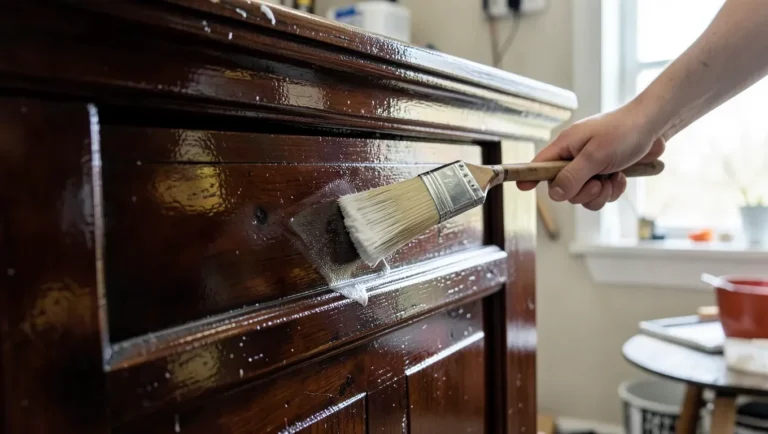
Yes, but only after it has fully cured, typically 24 to 48 hours, not just dry to the touch. Painting too soon can trap moisture and cause cracking or poor adhesion. Lightly sand the surface first for a smooth, seamless finish.
What Affects Painter’s Putty Drying Time?
Several factors affect painter’s putty drying time, including humidity, temperature, and ventilation. Higher humidity can slow down the drying process, while warmer temperatures may speed it up. Ensure good airflow in the working area for optimal drying conditions.
Is Painter’s Putty Waterproof?
Painter’s putty is not waterproof; it is water-resistant. It can withstand some moisture but is not suitable for wet areas. For areas exposed to water, consider using a waterproof sealant. This ensures durability and protects against mold and mildew.
Is Painter’s Putty Dry To The Touch The Same As Fully Cured?
No. Painter’s putty can feel dry to the touch in 1 to 2 hours, but that is only the surface skinning over. Full cure, when it is safe to prime and paint without trapping moisture, takes 24 to 48 hours in normal room conditions, longer for thick fills over 1/8 inch. Painting before full cure is the most common cause of cracking.
Conclusion
Painter’s putty is dry to the touch in 1 to 2 hours but needs 24 to 48 hours to fully cure — wait for the full window before you prime or paint, or you risk cracking. Keep the room between 68–75°F with good airflow, and always check the manufacturer’s label for the specific product you’re using.
Sponsored / affiliate links. As an Amazon Associate I earn from qualifying purchases. I may earn additional commission from eligible campaigns.