How to Get Rid of Termites in Wood Floors: Expert Removal & Prevention Tips
Imagine waking up to the unsettling discovery that termites have invaded your wood floors. These tiny intruders can cause significant damage, turning your cherished home into a costly repair project.
If you’ve noticed the telltale signs of termite activity, you’re not alone, and there’s no need to panic. You have the power to reclaim your space, protect your investment, and prevent future infestations. You’ll learn expert tips on how to get rid of termites in your wood floors, ensuring both effective removal and long-term prevention.
With actionable insights and practical advice, you can take control of the situation and safeguard your home from these destructive pests. Keep reading to discover how you can eliminate termites for good and enjoy peace of mind in your termite-free haven.
Identifying Termite Infestation
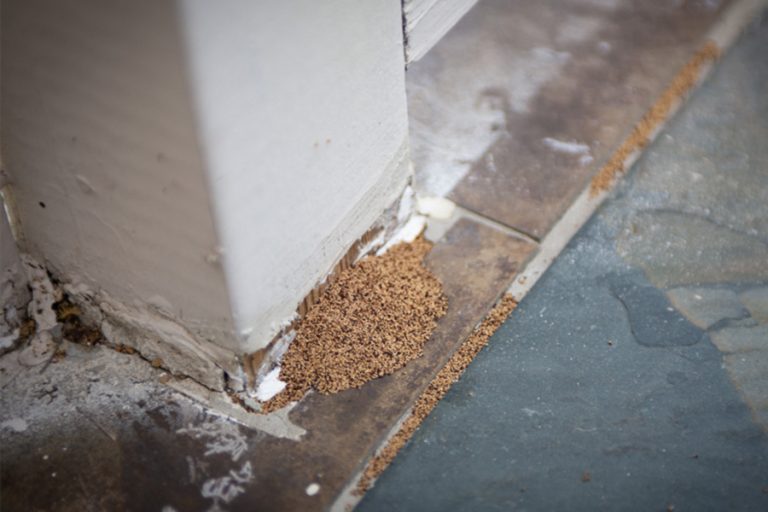
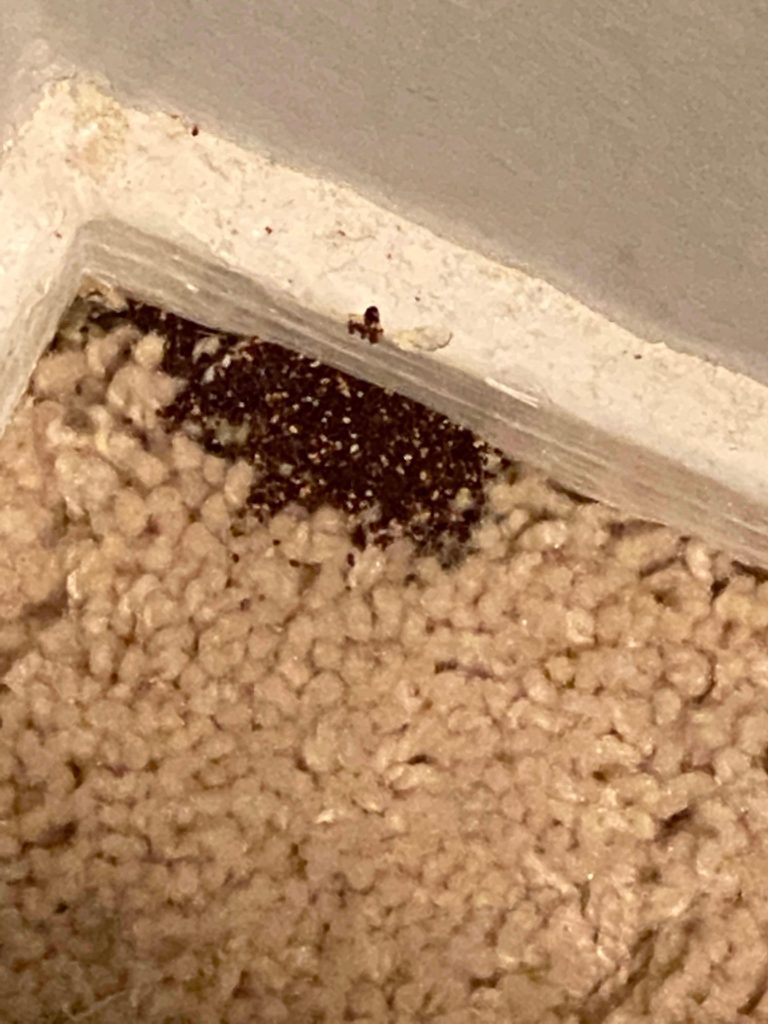
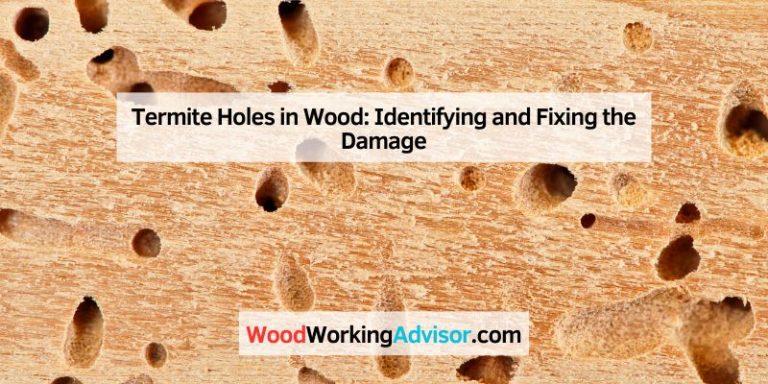
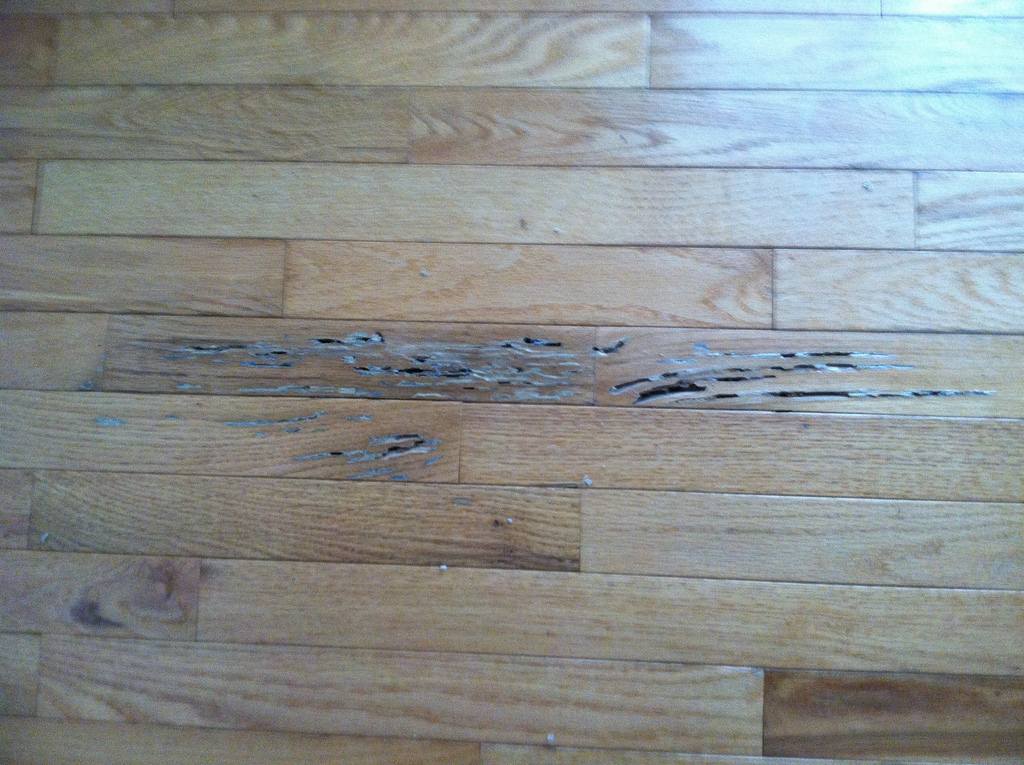
Termites love to eat wood. Wood floors show many signs of termite damage. Look for hollow sounds when you tap the wood. Small holes may appear in the floors. You might see mud tubes along the walls. These tubes are termite highways. Peeling paint is another sign. It looks like water damage. Droppings that look like sawdust could mean termites. Watch for buckling floors. They can bend and warp. Swollen floors can also be a clue. If you see any of these signs, check more closely.
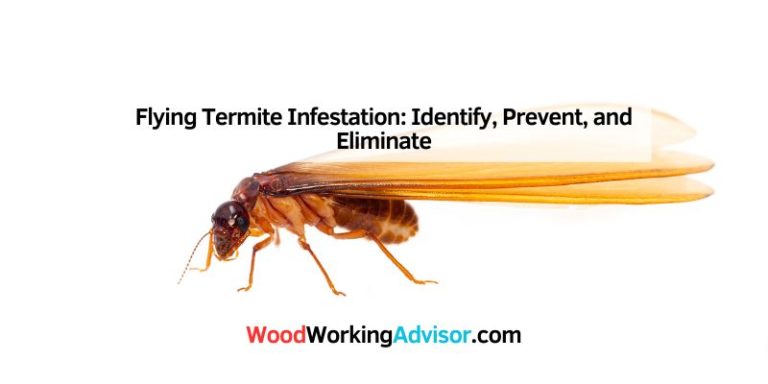
There are different types of termites. Subterranean termites live underground. They come up to eat your floors. They make mud tubes to stay moist. Drywood termites live inside the wood. They need no contact with soil. They eat across the grain of the wood. Dampwood termites like wet wood. They are bigger and harder to spot. Each type needs different treatments. Knowing the type helps in planning removal.
Professional Termite Inspection
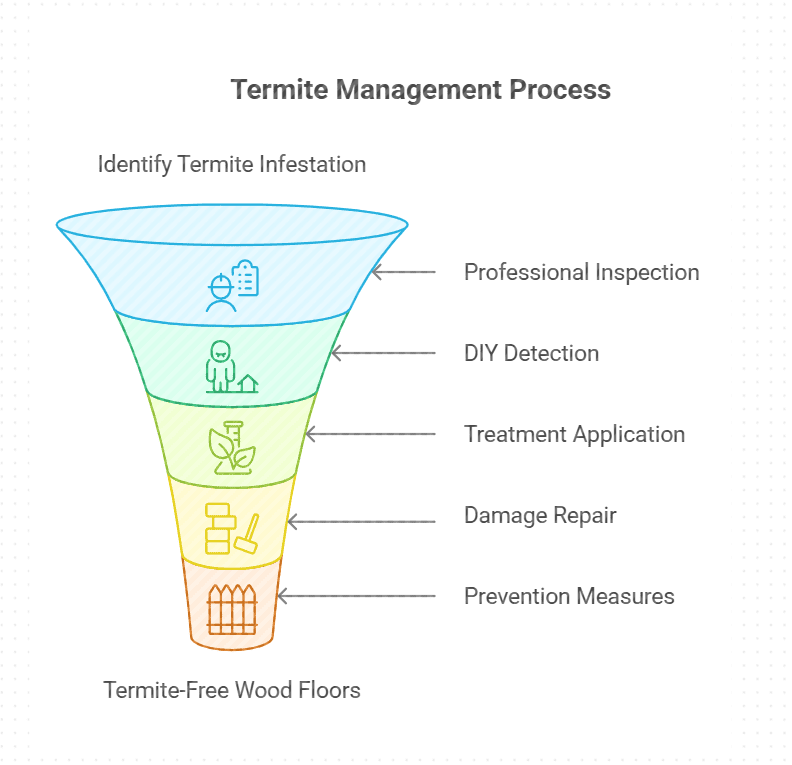
Professional termite inspection offers expert advice to remove termites from wood floors. Experts provide removal techniques and prevention tips to protect your home. Timely inspections can prevent costly damage and ensure a safe living environment.
Benefits Of Hiring Experts
Professional termite experts know where termites hide. They have special tools to find termites. They find termites that humans might miss. Hiring experts can save your home from damage. Experts know termite habits and can find them fast. They use safe methods to remove termites. Experts ensure your home stays safe. They offer advice for future prevention.
What To Expect During Inspection
Inspectors check all areas of your home. They start with the floors. Inspectors look for signs of termites. They use special equipment. They might check walls and ceilings too. Inspectors will explain their findings. They suggest ways to remove termites. They provide a detailed report. This report helps in planning removal steps.
DIY Termite Detection
Detecting termites early can save your home. Some basic tools help in this task. A flashlight is crucial. It helps find termites in dark corners. A screwdriver is also useful. Tap it on the wood to check for hollow sounds. Hollow sounds mean termites inside. A magnifying glass is helpful too. It lets you see small termite signs. These tools are cheap and easy to use. Ensure safety when using them.
Common mistakes can make termite detection hard. Not checking often is a big error. Termites work fast. Another mistake is ignoring tiny holes. These could be termite entry points. Using the wrong tools is also a mistake. Always use tools meant for detecting termites. Lastly, don’t assume termites won’t come back. Always stay alert and check regularly.
Chemical Treatments For Termite Removal
Liquid termiticides create a barrier around your home. This barrier stops termites from entering. Professionals apply these chemicals to soil. They use special tools. The chemical kills termites that cross the barrier. Some chemicals also repel termites. Safety is important during application. Experts wear protective gear. They keep children and pets away. Always follow instructions carefully.
Baiting systems trap termites. Small stations are placed in the ground. These contain special bait that attracts termites. Termites eat the bait. Then, they share it with their colony. This leads to colony death. Bait systems are safe for families. These traps are eco-friendly. Regular checks ensure effectiveness. Experts monitor these systems often.
Natural Remedies For Termites
Essential oils can help keep termites away. Orange oil is very effective. It has a chemical called D-limonene. This chemical kills termites on contact. Neem oil also works well. It stops termites from eating and growing. You can mix these oils with water. Then, spray the mixture on wood floors. This keeps the termites away for some time.
Beneficial nematodes are tiny worms. They can be a natural way to fight termites. These worms love to eat termite larvae. Nematodes can be sprayed on the soil around your home. They do not harm plants or pets. This natural method is safe and easy. It helps protect your wood floors from termites.
Credit: artisanwoodfloorsllc.com
Repairing Termite Damage
Eliminate termites from wood floors with expert methods. Use professional removal services and apply preventive measures. Protect your home by sealing entry points and keeping wood dry. Regular inspections and maintenance are key. Stay termite-free with these simple tips.
Assessing Damage Severity
Termites can cause serious damage to wood floors. First, check how bad the damage is. Look for soft spots or hollow sounds. These signs mean termites have been busy. Wood might crumble when you touch it. Holes and tunnels are clear signs of termite work. Use a flashlight for a better look. Sometimes, damage is not easy to see. You may need a professional to help. They can use special tools. They will tell you how bad the damage is. Knowing this helps decide the next steps.
Restoration Techniques
Fixing termite damage needs careful work. Minor damage can be fixed by filling holes. Use wood filler for small cracks. Sand the area until smooth. For bigger damage, replace the wood. Cut out bad pieces. Fit new wood in its place. Seal it properly to prevent future issues. Sometimes, refinishing the whole floor is necessary. This gives a fresh look. Use varnish for extra protection. It keeps termites away. Regular checks help keep floors safe.
Preventing Future Infestations
Safeguard wood floors by sealing entry points and maintaining low humidity levels. Regular inspections ensure early termite detection. Implement preventive measures to keep infestations at bay.
Wood Floor Maintenance Tips
Keep wood floors clean to prevent termites. Dust and mop regularly. Avoid moisture as it attracts termites. Fix leaks quickly to keep floors dry. Check for cracks or damage often. Seal any gaps to block termite entry. Use termite-resistant wood when possible. Consider treating floors with a termite repellent.
Regular Inspection Routine
Perform regular inspections. Look for signs of termites. Check for mud tubes or hollow wood. Listen for hollow sounds when tapping wood. Inspect wood joints and corners closely. Use a flashlight for better visibility. Call professionals if signs of termites appear. Regular checks keep termites away.

Credit: www.youtube.com
Choosing The Right Professional Services
Picking a termite service needs some thought. First, check their experience and certifications. A skilled team knows how to handle termites safely. Next, ask about their treatment methods. Some methods may be better for wood floors. Also, consider their customer reviews. Happy customers often mean good service. Price is important too. Compare costs but don’t choose just the cheapest. Quality work can be worth extra money. Lastly, find out if they offer warranties. A good warranty gives peace of mind.
Ask the right questions to know more. Here are some ideas. Do you have experience with wood floors? What are your treatment plans? How long will the process take? What safety measures do you follow? Do you offer any warranties? These questions can help find the best service.
Frequently Asked Questions
How To Treat Termites In A Hardwood Floor?
Identify termite damage early. Use liquid termiticide or bait stations for effective control. Seal cracks and gaps. Hire professionals for severe infestations. Regularly inspect and maintain your hardwood floors to prevent future termite issues.
How Do You Permanently Get Rid Of Termites In Wood?
Use professional pest control services to eliminate termites permanently. Apply chemical treatments like termiticides. Maintain regular inspections to ensure termite prevention. Seal wood surfaces and reduce moisture. Consider installing termite barriers for added protection.
What Do Professionals Use To Kill Termites?
Professionals use termiticides like fipronil and imidacloprid to kill termites. They also employ bait systems and heat treatments. These methods effectively eliminate termite colonies and prevent future infestations. Proper application ensures safety and long-term control.
Can I Treat Wood For Termites Myself?
Yes, you can treat wood for termites yourself. Use borate-based treatments or termite-resistant sealants. Ensure you follow safety instructions and apply thoroughly. For severe infestations, consider professional help to ensure effective eradication. Regular inspections and maintenance can help prevent future termite issues.
Conclusion
Getting rid of termites in wood floors is essential. Protect your home from damage. Regular inspections help catch problems early. Use expert removal methods for effective results. Prevention is key to keeping termites away. Seal cracks and keep wood dry.
Consider professional help for severe cases. A termite-free home ensures peace of mind. Follow these tips to maintain strong, healthy floors. Stay vigilant and proactive in your termite prevention strategy. Your wood floors will thank you for it.