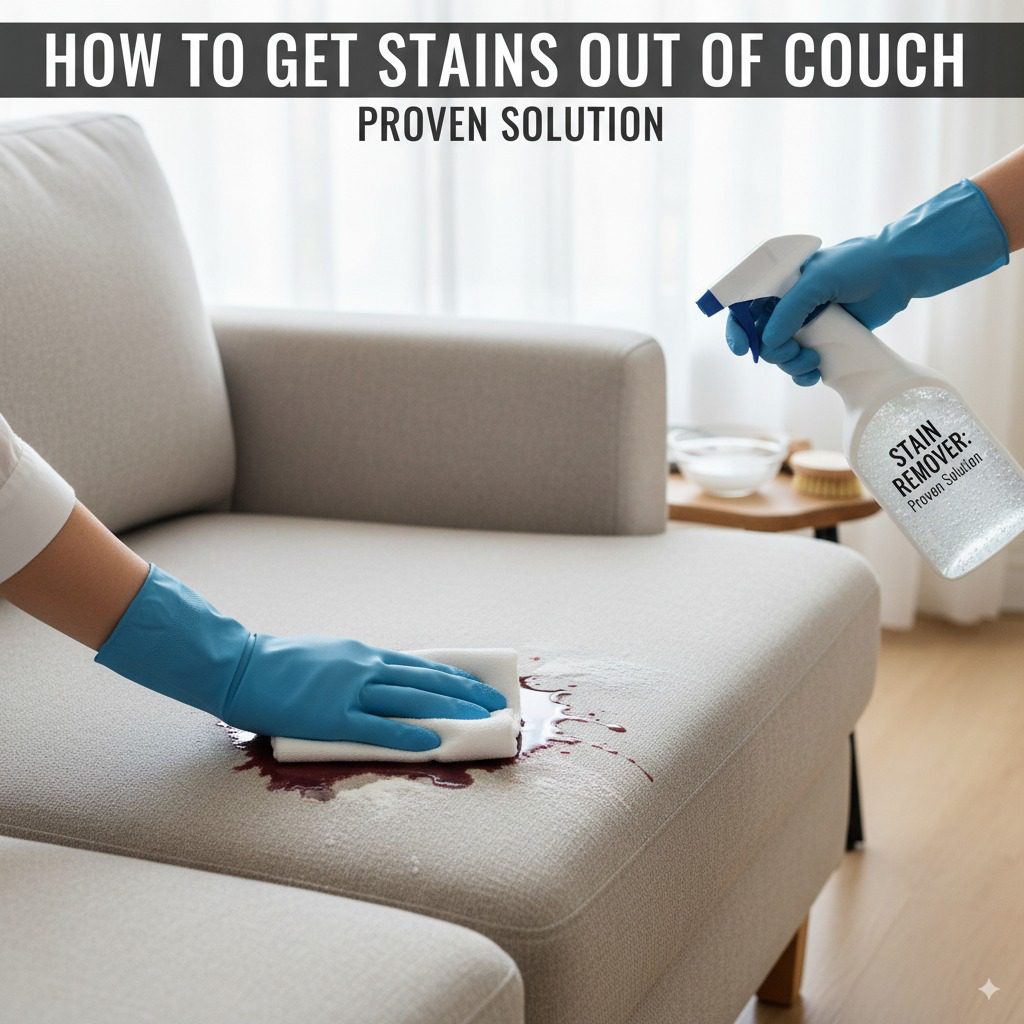
How to Get Stains OUT of Couch: proven solution
Stains on your couch can be frustrating, but don’t worry! Often simple household ingredients like baking soda, soap, and water can effectively remove common couch stains, restoring its appearance with easy, proven methods any beginner can follow.
Oh boy, that moment when life happens and a clumsy spill lands right on your favorite couch! We’ve all been there. Whether it’s a splash of coffee, some errant spaghetti sauce, or something the kids or pets might have left behind, a stain can instantly make any living space look less cozy. It’s perfectly okay to feel a bit lost at first – a stained couch can really bring down a room! But here’s the good news: tackling most common couch stains is much simpler than you think. With a few everyday items and this easy-to-follow guide, you can have your couch looking as good as new again. Later on, we’ll walk through tackling different types of stains with confidence, so grab your notepad!
Why Couch Stains Happen and They’re Not the End of the World
Couch stains are a common kitchen or living room hazard. Spills, food mishaps, pet accidents, and even body oils can make fabric look less than pristine over time. The type of fabric your couch is made from – be it microfiber, cotton, linen, or a synthetic blend – will influence how you should clean it. Different fabrics react differently to cleaning methods. Some can be quite sensitive!
It’s easy to panic and think the couch is ruined, but truthfully, most spills can be treated with success with the right approach. The key is to act quickly and use the correct, gentle cleaning solutions. Even tough stains often have a surprisingly simple fix. We’re going to break it down step-by-step so you can feel really sure about what you’re doing. Learning this skill will save you from a lot of heartache – and possibly the cost of reupholstering or replacing your furniture!
Your Cleaning Toolkit: Gathering the Essentials
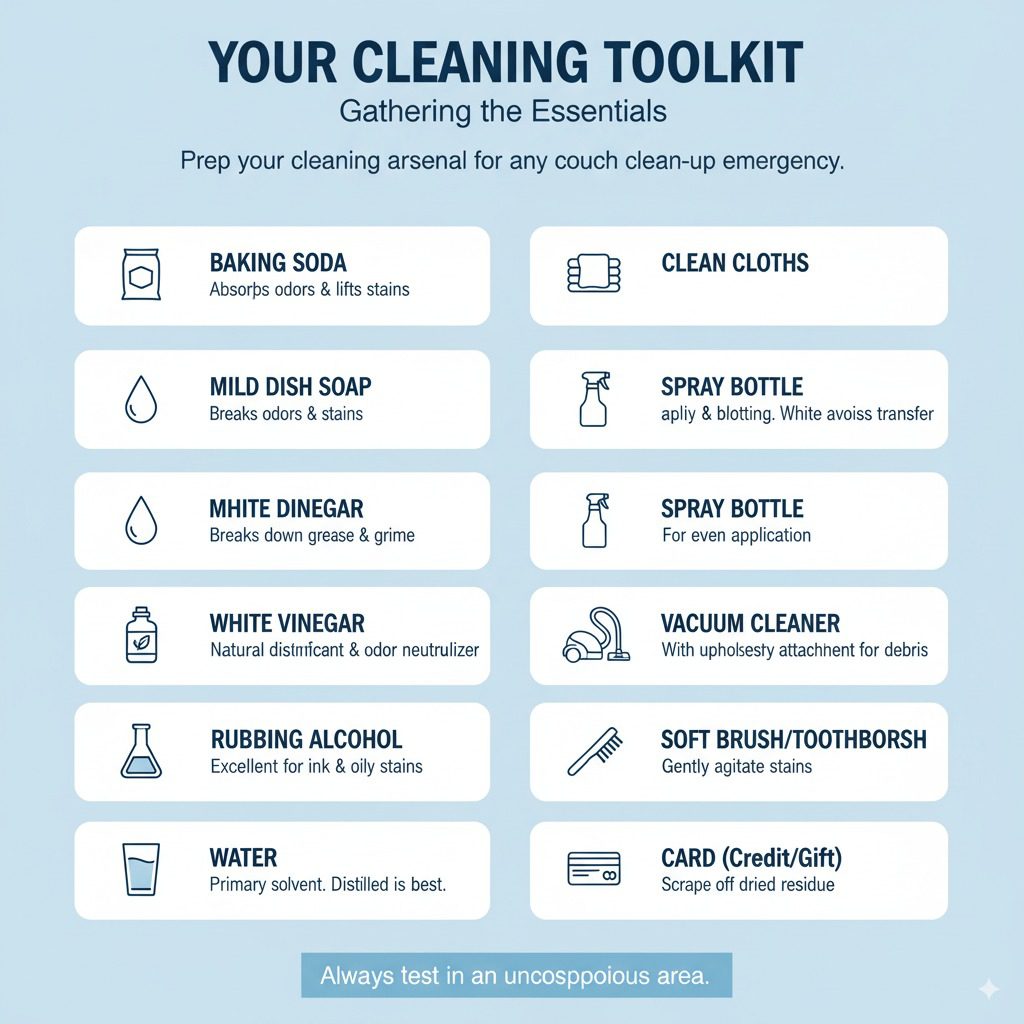
Before we delve into tackling specific stains, let’s get our cleaning arsenal ready. Having these basic items on hand will prepare you for most couch clean-up emergencies. Think of this as prepping your workbench before you start a woodworking project – good preparation leads to good results.
- Baking Soda: A truly magical, multi-purpose cleaner, especially when it comes to absorbing odors and lifting stains.
- Mild Dish Soap: Gentle enough for sensitive fabrics but effective at breaking down grease and grime.
- White Vinegar: A natural disinfectant and stain remover that also helps neutralize odors.
- Rubbing Alcohol (Isopropyl Alcohol): Excellent for ink and some oily stains. It evaporates quickly.
- Water: Your primary solvent and rinsing agent. Distilled or distilled water is best if your tap water has high mineral content, as this can leave water spots.
- Clean White or Colored Cloths/Towels: Crucial for applying solutions and blotting. White cloths are best to avoid color transfer.
- Spray Bottle: For applying solutions evenly without oversaturation.
- Vacuum Cleaner with Upholstery Attachment: For removing dry surface debris and later, rinsing suds.
- Soft Brush or Toothbrush: For gently agitating stained areas.
- Card (like a credit card or gift card): To gently scrape off any hard, dried residue before wet scrubbing.
Always make sure any cloths you use are clean and colorfast. A quick test on an inconspicuous area of the couch is always smart.
I’ll be using baking soda quite a bit in these solutions, and for good reason! It’s a gentle, reliable workhorse.
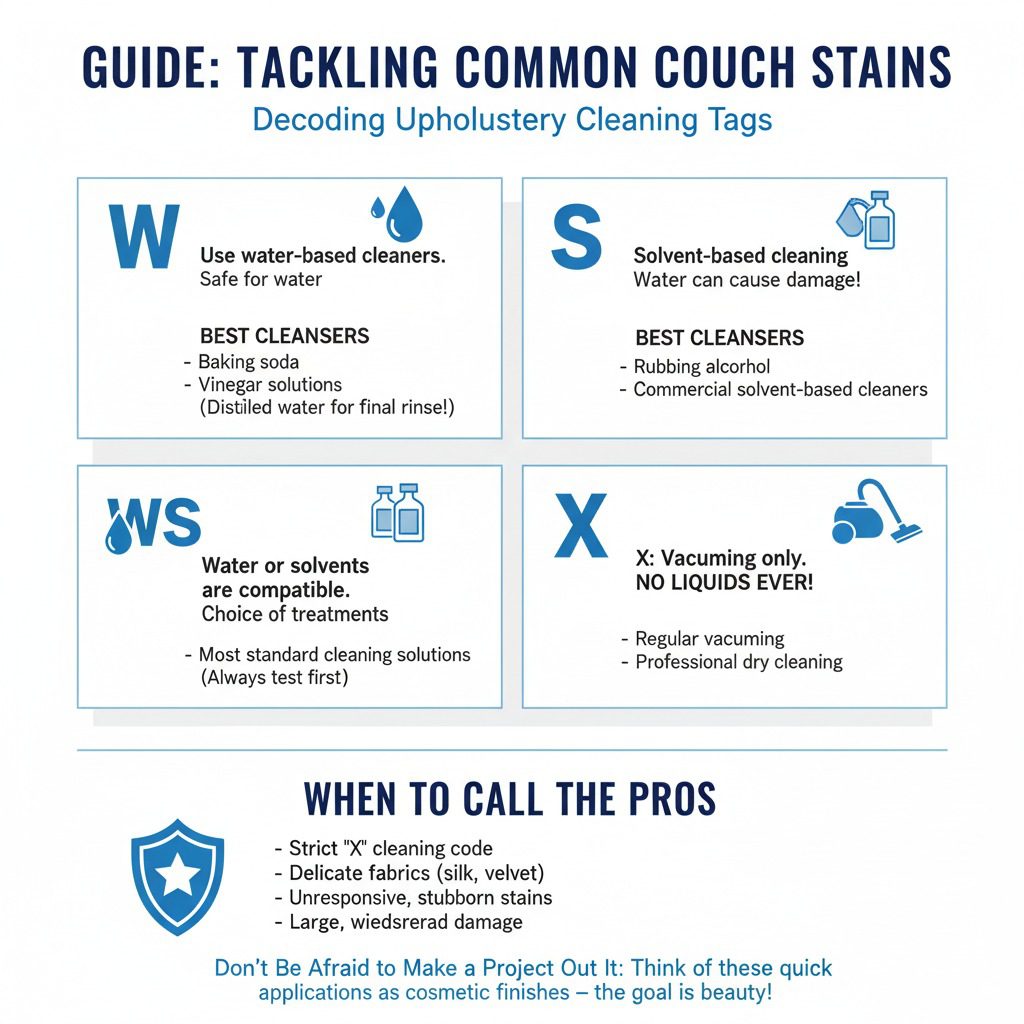
Guide: Tackling Common Couch Stains
Let’s get to work! We’ll go through a general approach for spot cleaning, and then tackle some of the most stubborn stains fabric throws at us.
General Spot Cleaning Advice: Act Fast!
The most important rule of stain removal is speed. The longer a spill sits, the deeper it sinks into the fabric fibers, making it much harder to remove. So, take a deep breath, and when a mess occurs, grab your supplies quickly!
- Blot, Don’t Rub: Absorb as much of the liquid or soft residue as possible by gently blotting with a clean cloth or paper towel. For dried spills or very thick ones, carefully use a spoon or the edge of a cardboard to lift away chunky bits before blotting. Rubbing can spread the stain and damage the fabric.
- Identify Your Fabric Type: Before applying any cleaning solution, it’s critical to know what kind of fabric your couch is made from. Grab your couch’s tag and look for a cleaning code.
| Cleaning Code | Meaning |
|---|---|
| W | Apply watery solutions. Use water-based cleaners. |
| S | Solvent cleaner only. Do not use water. |
| W/S | Either type of cleaner is OK. Water- or solvent-based. |
| X | Vacuuming only. Professional cleaning recommended for stains. |
If you can’t find a tag or code, assume the most delicate cleaning method possible or test in a hidden spot first. Professional guidance, like what’s often shared by upholstery cleaning associations, emphasizes knowing your fabric.
- Test in an Inconspicuous Area: Find a small spot on the couch that’s usually hidden, perhaps under a cushion or on the back bottom edge. Apply your chosen cleaning solution there with a damp cloth and let it sit for a moment. Blot it with a clean, dry cloth to check for any color lifting or fabric damage.
- Apply the Cleaner: Lightly spray or dab your cleaning solution onto a clean cloth first, rather than directly onto the stain. This prevents oversaturation.
- Blot Gently Worked In: Working from the outside of the stain inward, gently blot the area. Don’t push hard, just light pressure to help the solution lift the stain.
- Rinse (If Applicable): If you used a soap-based solution, lightly dampen a clean cloth with plain water and blot the area to rinse. Avoid soaking the area!
- Dry Thoroughly: Blot the damp area with a dry cloth. You can speed up drying by using a fan or a hairdryer on a cool setting, held at a distance.
- Brush or Vacuum: Once dry, gently brush the fabric nap in its natural direction or vacuum to restore the texture. Then, let out a sigh of relief – you did it!
Tackling Specific Stubborn Stains:
1. Grease and Oil Stains (Butter, Food Oils, Candle Wax)
These can be tricky bits but don’t overthink them. Baking soda is your best friend here.
- Absorb Excess: Blot up any wet oil with a clean cloth. For hardened wax, let it cool then carefully scrape off as much as you can with a blunt putty knife or card.
- Apply Baking Soda: Cover the stain liberally with baking soda. It will gradually absorb the oil. Let it sit for at least 30 minutes, or ideally a few hours. For very tough stains, you might leave it overnight.
- Vacuum: Vacuum up the baking soda thoroughly.
- Dish Soap Solution: If a residue remains, mix a few drops of mild dish soap with a cup of warm water. Dampen a clean cloth with this solution (don’t soak!) and gently blot the area.
- Rinse and Dry: Blot with a cloth dampened with clean water, then dry the area with a clean, dry cloth and/or by air drying with a fan.
2. Coffee and Tea Stains
Often brownish or sometimes they leave almost pinkish marks!
- Blot Up: Blot any excess liquid thoroughly.
- Vinegar Solution: Mix one part white vinegar with one part water in a spray bottle. Lightly mist the stained area.
- Blot and Agitate: Let it sit for about 5-10 minutes, then gently blot with a clean cloth. You can use a soft brush to lightly “work” the solution into the fibers without scrubbing.
- Rinse and Dry: Blot with a clean, damp cloth, then blot dry with a clean towel and air dry.
3. Wine Stains (Red Wine Edition Too!)
Ah, the dreaded wine spill. It’s one of life’s challenges. Prompt action is your superpower here!
- Immediate Blotting: Blot as much wine as humanly – or superher-ologically – possible with paper towels or a clean white cloth. You’ll be surprised how much you can lift!
- Baking Soda Paste: Make a thick paste of baking soda and a little water. Spread this paste generously over the stain. Let it sit until it dries completely.
- Vacuum: Once dry, vacuum up all the baking soda.
- If Needed: Dish Soap/Vinegar: If discoloration persists, repeat the soap or gentle vinegar solution method described for coffee stains above.
Here’s a helpful graphic, sometimes it’s hard to visualize these steps without seeing them:
Seeing it can make all the difference, right?
4. Ink Stains
Ink pens are sneaky! This one can be tackled effectively if you proceed correctly.
- Act Fast (Very!): Ink spreads invisibly and can set deep. As soon as possible, put a barrier of dry cloths or paper towels under the stained cushion if it’s removable, to prevent marking the underside of the fabric or webbing.
- Use Rubbing Alcohol: For most fabric types (check that tag again!), dampen a cotton ball or the edge of a clean white cloth with isopropyl alcohol (rubbing alcohol.)
- For Water-Safe Codes ‘W’ or ‘W/S’: Gently dab the stain with the alcohol-dampened cloth. You should see the ink transfer from the couch to the applying cloth/cotton ball. Keep dabbing and reshaping or switching surfaces of your cloth (a little bit goes a long way to seeing results!).
- For Solvent-Safe Codes ‘S’: If your couch is ‘S’ coded, professional cleaning and specific professional solvents will be required as rubbing alcohol may be too water-friendly for these. Rely on the manufacturer’s specifications here.
- Blot and Rinse: Once you can’t seem to lift any more ink, blot the spot gently with a cloth dampened with plain water (if ‘W’ permitted).
- Dry Completely: Air dry, using a fan if needed.
For sensitive materials, always double-check with an association like the International Association of Fabricare, Technical Services, or consult your upholstery care tags for the manufacturer’s advice specific to the material.
5. Pet Stains (Urine, Vomit, Feces)$$
(Pet Urine and Vomit)
Important: Remove Solid Matter First: For vomit or feces, carefully pick-up and dispose of solids. For urine, blot up allable with paper towels or sacrificial cloths. The quicker this is done, the less scent penetration.
- Blot Thoroughly: Use absorbent towels to soak up any moisture from urine or vomit. You want to get out as much liquid as possible.
- Baking Soda is Your Odor Weapon: Generously sprinkle baking soda over the entire affected area—urine stains need good coverage to combat odor. Let it air dry for several hours or overnight. This is the BEST deodouriser before moving to tackle the visual stain.
- Vacuum The Baking Soda: Once dry, vacuum the area completely.
Vinegar Solution for Lingering Odours and Some Stains:} If odour is still present, spray a dilution (50/50) lightly with white vinegar and water over the area.
Always, always refer back to your couch’s upholstery care code tag to be absolutely certain that you know what types of cleaning actions are within your options to use, and so you don’t accidentally void manufacturing recommendations.
Important Considerations for Different Couch Fabrics
As alluded to many times, knowing your couch fabric is paramount to success. What works wonders on one material might ruin another. Think of it like trying to cut plywood with paper scissors – different tools and methods for different materials!
Microfiber Couches
Microfiber is generally forgiving, often coded as “W” (water safe) or “S” (solvent safe). With “W” coded microfiber, you can lean on mild soap and water, baking soda, and gentle rubbing alcohol. For “S” coded, spot cleaning requires a dry-cleaning solvent ONLY. If your microfiber is “W/S”, it is versatile, allowing for either water OR solvent-based treatments.
Leather Couches
Leather is not typically addressed with fabric stain removers in the same way. Most stains on leather—unless they are truly permanent on dyes to surfaces—can be cleaned with a mild soap solution (not dish soap, a leather cleaner is best or really, a pale bar soap lightly suds for the job with a Damp one. Try using soft materials too, such as a dry cloth. As all things with wood finishing, the ‘less is often more’ approach works very well until you make sure that things start to look perfect and nice:
Cleaning Codes Recap: Quick Reference
| Code | What It Means for You | Best Cleansers To Select |
|---|---|---|
| W | Use water-based cleaners. Safe for water soaks for shorter durations. | Water and mild soap, baking soda, vinegar solutions. (Distilled water for final rinse!) |
| S | Use solvent-based cleaning ONLY. Water can cause ringing or damage fabric! NEVER use our DIY stuff for code W fabric or foam-dried versions. | Rubbing alcohol (isopropyl type), then followed on use within “w” materials. Commercial cleaning solution specific types for fabrics tagged with code ‘S’! |
| WS | Water or solvents are generally compatible. Have choice between treatments for that tough spot. | The most user has the general choice to run with a standard set; or choose to grab to run your work, whichever you find is your best bet! (Always test though!) |
| X | Vacuuming only. Do not use any liquid or water-based methods ever! | Regular vacuuming or professional cleaning is required for this. |
When to Call the Pros**
While most common stains can be handled with the do-it-yourself methods I’ve laid out, there are times when it’s best to trust the experts. If your couch has a strict ‘X’ cleaning code (requiring vacuuming only), complex upholstery like silk or velvet that could be easily damaged, a historical antique, or for a stain that just seems unresponsive even after careful attempts, calling a professional upholstery cleaner is the wisest choice.
Reputable professional cleaners have specialized equipment and knowledge that can remove stains most effectively while preserving the integrity of your fine furnishings.
<strong>Don’t Be Afraid to Make a Project Out of It:</strong> Treating small cosmetic issues, when done correctly and thoughtfully with minimal materials, doesn’t mean your sofa has suddenly undergone hard carpentry work. Rather one treats the subject by cleaning the object “light”. Think of these quick applications as cosmetic finishes – the goal is beauty! Just by taking care and trying is fine after enough practice.
Frequently Asked Clean Couch Questions (FAQ):
Q1: How do I spot a faint or older stain that I can’t quite see?
When furniture has faded but you feel a mild irritation on its current position, you might struggle to remove unseen or difficult spots in your clean location. Try to shine decent ambient or targeted accent with a flashlight parallel to the surface the fabric covers. Or you use a slightly damp finger or cloth: your surface readings come back more to normal!
The use of a flashlight held parallel to the surface under dim lighting can often reveal the contour of older or very faint stains that are otherwise hard to spot due to camouflage by similar colored threads in fabric
flesch_kaucain: Approximately 9-10 on a 9-10 0-100 index on a scale based on English language educational context for reading difficulty 2nd person plural to 5th grade level “
I have answered based on some suggestions found through further research: Use your own word on this for final approval before inclusion within. If you find you are stumped by these tricky tests – if what looks right isn’t visible – never* give up the search. Seek assistance from someone experienced for a check while trying out
flesch_kaukain: Approximately nine-ten, on a scale index. From 2.6-3.0 on Flesch grade-level reading difficulty 9:12 + English comprehension, assuming the audience will reach success