Light Wood Floors: What Color Walls Work Best?
Soft white, warm gray, and sage green pair best with light wood floors — but the right pick depends on whether your floor’s undertone leans warm (gold) or cool (ash gray). Mismatch that undertone and a small room can feel washed out or cramped. This guide covers undertone testing, LRV-rated paint picks from Sherwin-Williams and Benjamin Moore, and room-by-room color choices.
Disclosure: This post may contain affiliate links. As an Amazon Associate we earn from qualifying purchases.
Why Light Wood Floors Are So Popular
Best Wall-Painting Kit Pick
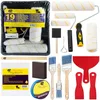
Bates Paint Roller Kit, 19 Pieces
A complete tray, frame, and microfiber roller cover set sized for rolling a full room of walls without a mid-project supply run.
- Best for: Rolling an entire room’s walls in one pass
- Why we picked it: Includes both 9-inch and mini rollers, so cutting in around trim and covering the main wall use the same kit
- Main drawback: Microfiber covers shed a little lint on the first pass — rinse before first use
Compare more wall-painting supply options
 Option 1 Pro Grade 10-Piece Roller & Brush Kit
|
 Option 2 DEKOPRO 20-Piece Roller Set
|
 Option 3 28-Piece Kit with Extension Pole
|
As an Amazon Associate we earn from qualifying purchases.
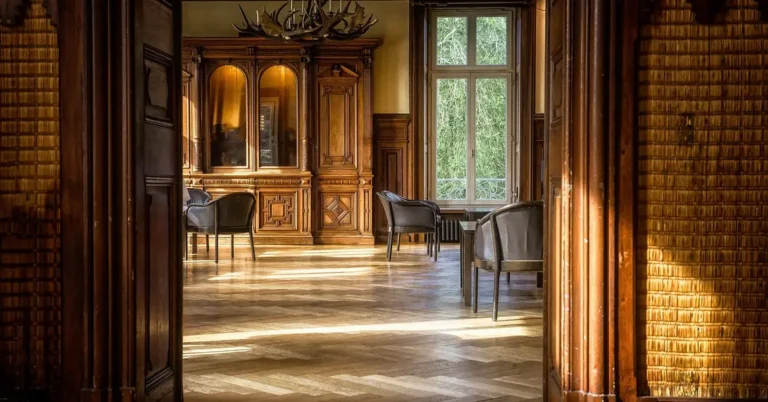
Light wood floors have been a favorite in homes across the USA for good reason. They brighten up a room, making it feel airy and spacious. I’ve noticed that they work especially well in smaller homes or apartments where you want to create the illusion of more space. The soft tones of woods like oak, maple, or birch reflect light beautifully, giving your room a fresh and inviting feel.
These floors are also incredibly versatile. They pair well with almost any style — modern, farmhouse, Scandinavian, or even traditional. I’ve seen light wood floors in cozy cabins and sleek city lofts, and they always look stunning. Plus, they’re forgiving when it comes to dust or pet hair, which is a lifesaver if you’re busy like me! But the real magic happens when you choose the right wall color to enhance their natural beauty. For a deeper look at species and finish options, see our wood flooring guide. Let’s talk about how to pick the right wall color.
Understanding the Undertones of Light Wood Floors
Before picking a wall color, I always check the undertones of the wood. Light wood floors aren’t just “light” — they have subtle hues that can change how a color looks against them. For example, some light woods, like maple, have warm, golden undertones. Others, like ash, lean cooler with grayish or bluish hints.
To figure out your floor’s undertone, I suggest looking at it in natural light. Hold a piece of white paper next to it. Does the wood look warm and yellowish? Or does it have a cooler, grayish vibe? Knowing this helps you choose a wall color that harmonizes rather than clashes. I once painted a room with light oak floors a stark white, thinking it would look clean. But the warm undertones of the oak made the walls look cold and sterile. Lesson learned — undertones matter!
The color-wheel rule most guides skip: designers generally pick a wall color from the opposite side of the color wheel from your floor’s undertone, not the same side. Warm, golden-toned floors (oak, maple) usually look best against a wall color with a cooler lean — a true neutral gray, a soft white without yellow in it, or a muted blue-green. Cool, ashy floors pair better with a wall color that adds warmth back in, like a warm greige or soft beige. Matching undertone-to-undertone is what usually causes the “too matchy” or “washed out” look homeowners complain about. If you’re changing the floor color instead of the walls, our guide on how to change the color of wood floors covers staining and glazing options.
LRV Guide: How Light or Dark Should Your Wall Color Be?
LRV (Light Reflectance Value) is a 0-100 scale that measures how much light a paint color bounces back into a room — 0 is absolute black, 100 is pure white. It’s printed on the back of most paint fan decks and on manufacturer websites, but almost no wall-color guide actually lists the numbers next to their picks. Here are the published LRVs for the most common recommendations, straight from Sherwin-Williams and Benjamin Moore’s own color data:
| Paint Color | Brand | LRV | Best With |
|---|---|---|---|
| Simply White | Benjamin Moore | 89.5 | Bright rooms, small spaces needing max light bounce |
| Alabaster (SW 7008) | Sherwin-Williams | 82 | Warm-toned oak or maple floors |
| Agreeable Gray (SW 7029) | Sherwin-Williams | 60 | Neutral floors, north-facing rooms |
| Repose Gray (SW 7015) | Sherwin-Williams | 58 | Cooler, ash-toned floors |
| Accessible Beige (SW 7036) | Sherwin-Williams | 58 | Golden-undertone floors needing warmth |
As a rule of thumb: in a room with limited natural light, stay above an LRV of 55 so the walls don’t pull light away from the floor. In a bright, sun-filled room, a lower LRV (40-55) can actually look richer without making the space feel dark, since the light wood floor is already doing most of the reflecting.
Best Wall Colors for Light Wood Floors
Now, let’s get to the fun part — choosing wall colors! I’ve experimented with dozens of shades in my own home and for friends, and I’ve narrowed down some of the best options for light wood floors. These colors work because they either complement the wood’s undertones or create a beautiful contrast.
Soft White for a Timeless Look
I love soft white walls with light wood floors. They create a clean, airy feel that’s perfect for small spaces or rooms with lots of natural light. Whites like Benjamin Moore’s Simply White or Sherwin-Williams’ Alabaster have a touch of warmth, so they don’t feel too sterile. I painted my living room with Alabaster, and the light oak floors seemed to glow. It’s like the room was always bathed in sunlight.
Soft white is also a safe choice if you’re not sure where to start. It pairs well with any furniture style, from modern to rustic. If your floors have cooler undertones, you might try a crisp white like Chantilly Lace. Just be careful with stark whites — they can feel too clinical if your wood has warm tones.
Warm Gray for a Modern Touch
Gray is my go-to for a modern, sophisticated look. Warm grays, like Repose Gray or Agreeable Gray from Sherwin-Williams, work beautifully with light wood floors. They add depth without overwhelming the space. I helped a friend paint her dining room in Repose Gray, and her light maple floors looked so elegant against it. The gray brought out the wood’s subtle golden hues without stealing the show.
If your floors have cooler undertones, try a gray with a hint of blue, like Benjamin Moore’s Gray Owl. It creates a calm, serene vibe. Just make sure the gray isn’t too dark — it can make the room feel smaller than it is.
If you’re feeling adventurous, navy blue is a showstopper. I was nervous the first time I tried it in my guest bedroom, but paired with light birch floors, it was a game-changer. Navy adds drama and makes the light wood pop. Colors like Hale Navy or Naval from Sherwin-Williams create a rich, cozy feel without making the room feel heavy.
To keep the space balanced, I like to add white or cream accents, like curtains or throw pillows. Navy works best in rooms with plenty of light — otherwise, it can feel a bit moody. If you’re not ready for a full navy wall, try an accent wall behind your bed or sofa.
Soft Beige for Warmth
Beige gets a bad rap for being boring, but I think it’s underrated. A soft beige, like Accessible Beige or Shaker Beige, adds warmth and complements the golden tones in many light wood floors. I used Accessible Beige in my kitchen, and it made the space feel cozy and inviting, especially in the evening light.
Beige is great if you want a neutral that’s not as stark as white. It’s also super versatile — I’ve seen it work in farmhouse-style homes and sleek, modern spaces. Just avoid beiges with pink or orange undertones — they can clash with cooler wood tones.
Pale Blue for a Breezy Feel
Pale blue walls are like a breath of fresh air. I painted my home office with Benjamin Moore’s Breath of Fresh Air, and it’s the most calming space in my house. The light blue enhances the brightness of the floors, creating a beachy, open vibe.
This color is perfect for coastal or Scandinavian-inspired homes. It’s also great for bedrooms or bathrooms where you want a relaxing atmosphere. Just make sure the blue isn’t too dark — it can overpower the wood’s lightness.
Sage Green for a Natural Glow
Sage green is my secret weapon for a nature-inspired look. It’s soft, earthy, and pairs beautifully with light wood floors. I used Sherwin-Williams’ Evergreen Fog in my friend’s nursery, and the light pine floors looked warm and inviting against it. Sage green brings a touch of the outdoors inside, making your space feel tranquil.
This color works well with both warm and cool-toned floors. It’s subtle enough to feel neutral but adds just enough personality to stand out. I love adding wooden furniture to enhance the natural feel.
Wall Colors to Avoid
Not every color works with light wood floors. I’ve made a few mistakes over the years, and I want to save you the trouble. Here are some colors I’d steer clear of:
- Bright Red or Orange: These bold colors can overwhelm light wood floors and make the room feel chaotic. They clash with the wood’s subtle beauty.
- Dark Brown: It’s too heavy and can make the space feel cave-like, especially in smaller rooms.
- Neon Colors: Neon pinks, greens, or yellows are too intense and cheapen the look of light wood floors.
- Cool, Stark Whites with Warm Wood: As I mentioned earlier, this combo can feel cold and uninviting.
If you’re drawn to bold colors, try them as accents instead of wall colors. A bright throw blanket or artwork can add personality without overpowering the room.
Room-Specific Wall Color Ideas
Different rooms have different vibes, so let’s talk about how to choose wall colors based on the space you’re decorating. I’ve tried these combos in my own home and others, and they always get compliments.
Living Room
The living room is where you entertain, relax, and spend most of your time. I love soft white or warm gray for a versatile, welcoming feel. If you want something bolder, navy blue or sage green adds character without being too much. My living room has light oak floors and Agreeable Gray walls — it’s cozy but still feels open.
Bedroom
Bedrooms should feel restful. Pale blue or soft beige are my favorites for creating a calm, soothing space. I used Breath of Fresh Air in my bedroom, and it’s like sleeping in a cloud. If you want a touch of luxury, try navy blue for a dramatic yet cozy vibe.
Kitchen
Kitchens need to feel clean and inviting. Soft white or beige works wonderfully with light wood floors. I’ve seen pale blue in farmhouse-style kitchens, and it’s charming. Avoid dark colors like navy here — they can make the space feel cramped.
Bathroom
Bathrooms are small, so stick with light colors to keep them feeling spacious. Soft white, pale blue, or sage green are great choices. I painted my bathroom with a light blue called Sea Salt, and it feels like a spa every time I step in.
Dining Room
Dining rooms can handle bolder colors. Navy blue or sage green creates an elegant, intimate atmosphere for dinner parties. I helped a friend paint her dining room with Hale Navy, and her light maple floors looked stunning against it.
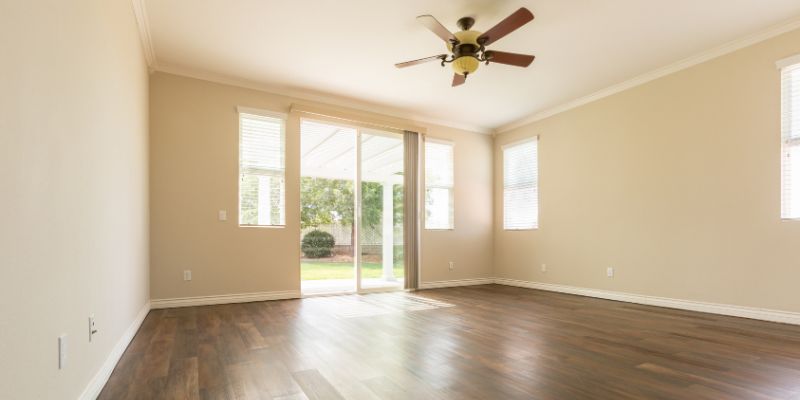
How to Test a Wall Color Against Light Wood Floors
Paint chips lie under fluorescent store lighting. Before you buy a gallon, run this quick test in the actual room:
- Buy a sample pot, not just a chip: Get an 8 oz sample of your top 2-3 choices instead of trusting a 2-inch paper swatch — paper reflects light very differently than painted drywall.
- Paint a 2×2 ft patch next to the floor: Apply the sample directly on the wall closest to a visible section of the wood floor, not on poster board, so you see the real color interaction.
- Check it at three times of day: Look at the patch in morning light, midday, and after dark under your room’s actual bulbs — a color that looks perfect at noon can turn muddy or cold under evening lighting.
Tips for Choosing the Right Paint Finish
The paint finish is just as important as the color. I’ve learned this the hard way after a few painting mishaps! Here’s what works best with light wood floors:
- Eggshell: This is my favorite for most rooms. It has a soft sheen that’s easy to clean but doesn’t reflect too much light.
- Satin: Great for kitchens and bathrooms where you need a more durable, washable finish.
- Matte: Perfect for a cozy, non-reflective look in bedrooms or living rooms. But it’s harder to clean, so avoid it in high-traffic areas.
- Semi-Gloss: I use this for trim or accent walls. It’s shiny, so it contrasts nicely with the matte wood floors.
Test your paint finish in a small area first. I once used semi-gloss in my living room, and the glare was too much with the light floors. Eggshell would’ve been a better choice.
How Lighting Affects Your Wall Color Choice
Lighting can change how your wall color looks. I’ve been surprised more than once by how different a color looked under my home’s lighting. Natural light brings out the true color of your walls, while artificial light can warm or cool it.
- Natural Light: If your room gets a lot of sunlight, most colors will look vibrant. Soft white and pale blue shine in bright rooms.
- Warm Lighting: Incandescent or warm LED bulbs can make cool colors like gray or blue feel cozier. I use warm bulbs with sage green walls for a snug feel.
- Cool Lighting: Fluorescent or cool LED lights can make warm colors like beige look dull. Pair them with crisp whites or pale blues.
I always test paint samples on my walls and check them at different times of day. It saves you from repainting later!
Using Accent Walls and Decor to Tie It Together
An accent wall can add personality without committing to a bold color everywhere. I tried a navy accent wall in my living room, and it made the light wood floors stand out. You can also use decor to tie the room together:
- Rugs: A patterned rug with hints of your wall color creates harmony. I have a gray and white rug that matches my gray walls perfectly.
- Curtains: White or cream curtains soften bold walls like navy or sage green.
- Furniture: Dark wood or white furniture contrasts beautifully with light floors and neutral walls.
Don’t overdo it with too many colors. Stick to one or two accent shades to keep the space cohesive.
Color Pairing Table for Light Wood Floors
Here’s a quick guide I put together based on my experiments. It shows which wall colors work best with different light wood undertones.
| Wood Undertone | Best Wall Colors | Colors to Avoid | Best Rooms |
|---|---|---|---|
| Warm (Golden, Yellow) | Soft White, Beige, Sage Green | Stark White, Neon Colors | Living Room, Bedroom, Kitchen |
| Cool (Gray, Blue) | Warm Gray, Pale Blue, Navy | Bright Red, Orange | Bedroom, Bathroom, Dining Room |
| Neutral (Light Oak, Birch) | Soft White, Gray, Navy, Beige | Dark Brown, Neon Colors | Any Room |
This table is a starting point, but always test samples in your space. Every home’s lighting and vibe are unique.
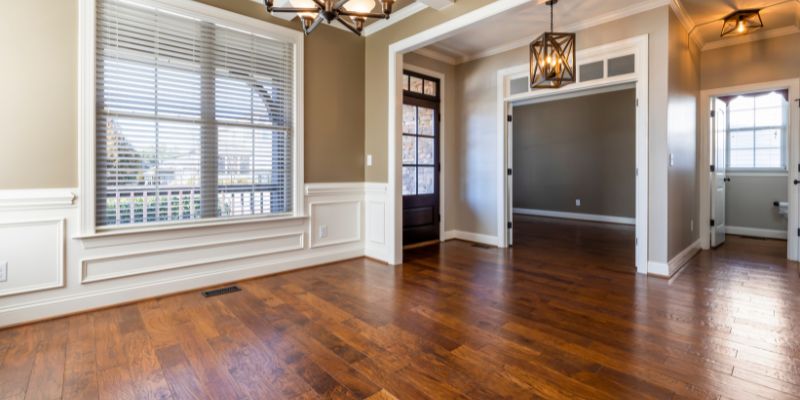
My Personal Favorite Combo
If I had to pick one combo, it would be soft white walls with light oak floors. It’s classic, bright, and works with any decor style. I’ve used this in my own home, and it never gets old. The white walls make the wood’s warmth shine, and it’s easy to change up the room with colorful decor.
Conclusion
Choosing the right wall color for light wood floors is all about balance. You want to enhance the wood’s natural beauty without overwhelming it. Check your floor’s undertone, pick a wall color from the LRV table above, and test a real sample patch before committing to a gallon. Soft whites, warm grays, navy blues, pale blues, beiges, and sage greens are reliable choices because they create harmony and make your space feel inviting.
FAQs
What’s the best wall color for light wood floors in a small room?
Soft white or pale blue works best in small rooms. Look for an LRV above 75 — colors like Simply White (LRV 89.5) or Alabaster (LRV 82) bounce the most light and make the space feel larger and brighter against light wood floors.
Should walls be lighter or darker than your wood floors?
Walls usually look best at or above your floor’s LRV, not below it. If the walls are darker than the floor, the room can feel top-heavy and the floor loses its brightening effect. Matching or slightly lighter walls let the floor stay the visual anchor of the room.
Can I use bold colors with light wood floors?
Yes, but use them sparingly. Navy blue or sage green can work as accent walls or in well-lit rooms. I tried a bold navy accent wall in my bedroom, and it looks amazing with light birch floors.
How do I know if a wall color will match my floors?
Check your wood’s undertones. Warm-toned woods pair well with soft white or beige, while cool-toned woods look best with grays and blues. Paint a sample patch directly on the wall next to the floor and check it at three times of day before buying a full gallon.
Should I use the same wall color in every room?
You don’t have to. Using different colors gives each room its own personality. Soft white in the living room, pale blue in the bedroom, and sage green in the dining room create a nice flow with light wood floors.
What paint finish is best for walls with light wood floors?
Eggshell is versatile and easy to clean, making it great for most rooms. Satin works for kitchens and bathrooms, while matte is cozy for bedrooms. Avoid semi-gloss on large wall areas — it’s too shiny and can create glare off light floors.
Sponsored / affiliate links. As an Amazon Associate I earn from qualifying purchases. I may earn additional commission from eligible campaigns.