How to Get Dried Acrylic Paint Out of Brushes
Dried acrylic paint softens fastest in a 5-10 minute warm soapy-water soak, but bristles caked for a week or more usually need isopropyl alcohol or acetone to break the resin down. Use the wrong solvent on natural bristles and you trade a stiff brush for a brittle one that sheds hair mid-stroke. This guide covers the soak-and-comb method, which solvent fits which bristle type, and how to save a brush that’s gone rock-hard.
What You’ll Need
Best Brush Restorer Pick
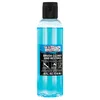
US Art Supply Brush Cleaner and Restorer, 4 oz
A solvent built specifically for dried-on acrylic, oil, and water-based paint — gentler than straight acetone.
- Best for: Brushes with fully dried, days-old acrylic paint
- Why we picked it: Directions call for a soak of minutes to hours, or up to 24 hours for fully hardened paint — matches this guide’s rock-hard cases
- Main drawback: Strong solvent smell, use in a ventilated space
Compare more brush-cleaning options
 Option 1 The Masters Brush Cleaner and Preserver
|
 Option 2 Purdy Steel Brush Comb
|
 Option 3 Krud Kutter Brush-Wash Cleaner, 32 oz
|
As an Amazon Associate we earn from qualifying purchases.
- Warm water and a few drops of mild dish soap
- Isopropyl alcohol (safe for natural and synthetic bristles)
- Acetone or nail polish remover (synthetic bristles only)
- A metal or plastic brush comb
- A dedicated brush cleaner/restorer for rock-hard cases
- An old towel or paper towel
How to Get Dried Acrylic Paint Out of Brushes
Work through these five steps in order. Stop as soon as the bristles pull clean through your fingers — there’s no need to escalate to a stronger solvent than the paint requires.
- Scrape off the excess: Tap the brush against the side of a container or wipe it on a paper towel to knock loose any paint flakes before the bristles touch a cleaner.
- Soak in warm soapy water: Submerge the bristles up to the ferrule in warm water with a few drops of dish soap and work them gently between your fingers for 5-10 minutes.
- Escalate to a solvent if paint remains: For synthetic bristles, dip the tips in acetone or isopropyl alcohol for 2-5 minutes. For natural bristles, use isopropyl alcohol only — skip the acetone.
- Comb out the ferrule: Pull a metal brush comb through the base of the bristles, where dried paint builds up thickest and is easiest to miss.
- Reshape and dry flat: Smooth the bristles back into their original point or edge with your fingers, then lay the brush flat or hang it bristle-down to dry.
Which Method Should You Use?
Every method above works on some combination of paint stage and bristle type, but not all of them. Match the row to your brush before you soak anything.
| Method | Soak Time | Safe For | Best For |
|---|---|---|---|
| Warm water + dish soap | 5-10 min | Natural & synthetic | Paint still slightly soft |
| Isopropyl alcohol | 2-5 min | Natural & synthetic | Most dried acrylic, either bristle type |
| Acetone | 2-5 min | Synthetic only | Heavily caked synthetic brushes |
| Fabric softener soak | 30-60 min | Natural & synthetic | Softening paint before combing, no fumes |
| Dedicated brush restorer | Minutes to 24 hrs | Natural & synthetic | Rock-hard, fully cured paint |
📊 A dedicated brush restorer’s own soak directions call for up to 24 hours for fully dried acrylic paint — Source: U.S. Art Supply Brush Cleaner and Restorer product directions, 2026.
Reviving a Brush With Rock-Hard, Fully Cured Paint
If the paint has been curing for weeks rather than days, a five-minute soak won’t touch it. A dedicated brush cleaner and restorer is built for this — most labels call for a soak of several hours, up to 24 hours for fully dried acrylic, followed by the same comb-and-reshape steps above.
If the bristles have also splayed out of shape, dip just the bristle tips in near-boiling water and rotate them gently for under a minute. Don’t hold them in longer than that or boil the ferrule itself — prolonged heat can loosen the glue that holds the bristles in place, and you’ll lose the brush a different way.
“The brushes I actually lose aren’t the ones I forget for a day — they’re the ones I leave standing bristle-down in a water jar overnight. The water wicks paint up past the ferrule into the glue, and no amount of acetone gets that back.”
Natural vs. Synthetic Bristles: Why It Matters
Bristle material decides which solvents are safe to use. Synthetic bristles (nylon or polyester) are plastic, so they tolerate acetone and vinegar without much damage. Natural bristles (hog or badger hair) are protein-based, and repeated acetone exposure dries the hair out and makes it brittle and prone to breaking. For natural bristles, stick to isopropyl alcohol, dish soap, or a dedicated brush cleaner instead. For a full breakdown of what acetone does to each bristle type, see our guide on using acetone to clean paint brushes.

Preventing Future Paint Buildup
The fastest fix is not needing one. Rinse brushes in warm water the moment you’re done, before acrylic has a chance to work its way past the bristle tips into the ferrule. If you’re cleaning a brush that’s still wet, our full routine for cleaning paint brushes properly covers that version of the process step by step.
- Wipe brushes down with a conditioning brush soap once a month to keep bristles from drying out between projects.
- Store brushes bristle-up or lying flat, never resting on their tips in a jar of water — that’s how paint and moisture reach the ferrule glue.
- Reshape bristles by hand immediately after your final rinse, before they start to dry in the wrong shape.
Acrylic paint itself is worth understanding too — see our guide on whether acrylic paints are toxic if you’re working around kids or pets, and how to remove acrylic paint from furniture if it ends up somewhere other than the brush. For more paint and finishing guides for wood projects, browse our full paints category.
Frequently Asked Questions
How do you remove dried acrylic paint from brushes?
Soak the bristles in warm soapy water for 5-10 minutes first. If paint remains, dip the tips in isopropyl alcohol (natural or synthetic bristles) or acetone (synthetic only) for 2-5 minutes, then comb out the ferrule and reshape the bristles before letting the brush dry flat.
Does vinegar remove dried acrylic paint from brushes?
Yes. Heat white vinegar until it’s just short of boiling, then dunk the bristles for 10-20 minutes to loosen dried acrylic. Don’t boil the brush itself — prolonged heat can warp synthetic bristles and loosen the glue at the ferrule.
Does rubbing alcohol remove acrylic paint from brushes?
Yes, rubbing (isopropyl) alcohol breaks down dried acrylic paint effectively and is gentler than acetone. Dip the bristles for 2-5 minutes, then wipe away the softened paint with a cloth or paper towel and rinse with soapy water.
Is it safe to use acetone on natural bristle brushes?
Not as a routine choice. Natural bristles are protein-based, and repeated acetone exposure dries them out and makes them brittle. Use isopropyl alcohol or a dedicated brush cleaner on natural bristles instead, and save acetone for synthetic brushes.
Can you save a brush with completely hardened, rock-hard paint?
Often, yes. A dedicated brush cleaner and restorer is formulated for this case, with soak times ranging from minutes up to 24 hours for fully hardened acrylic. Follow with a comb-out and reshape once the paint has softened.
How long should you soak a brush to remove dried acrylic paint?
It depends on how long the paint has been dried. Use 5-10 minutes in warm soapy water for paint that’s still slightly soft, 2-5 minutes in a solvent for paint dried a day or two, and up to 24 hours in a dedicated restorer for paint that’s been hardening for weeks.
Conclusion
Most brushes are worth saving. Start with warm soapy water, escalate to isopropyl alcohol or acetone based on bristle type, comb the ferrule, and reshape before drying. For a brush that’s gone rock-hard, a dedicated restorer soak does what a quick rinse can’t. Clean immediately after each session going forward, and you’ll spend a lot less time doing any of this.
Sponsored / affiliate links. As an Amazon Associate I earn from qualifying purchases. I may earn additional commission from eligible campaigns.
 PINTAR | 26 PACK | Acrylic Paint Markers Medium Point | Shoes, Leather, Rock Painting, Wood, Glass | Acrylic Paint Pens | Medium Point 5.0mm
 PINTAR Skin Tone Acrylic Paint Pens, 20 Pack Medium 5.0mm Tip — Opaque Multi‑Surface Paint Markers for Portraits, Rock Painting, Wood, Glass, Leather, Shoes, Canvas