How to Glue Veneer to Wood: Seamless Bonding Tips
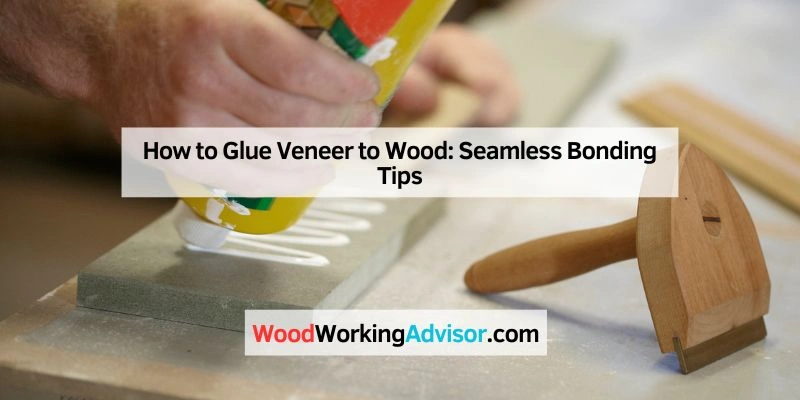
To glue veneer to wood, start by applying a thin layer of wood glue on the substrate. Press the veneer firmly onto the glue and use clamps to secure it until it dries.
Veneer application can transform ordinary wood into stunning finishes, enhancing both aesthetics and value. Whether you’re working on furniture restoration or crafting a new project, proper gluing techniques are crucial. Understanding how to effectively bond veneer to wood ensures a lasting and professional look.
Selecting the right adhesive and preparing the surfaces properly will yield the best results. This guide will walk you through the steps and tips for successful veneer application, helping you achieve a flawless finish every time. Get ready to elevate your woodworking projects with these straightforward techniques.
Introduction To Veneer Bonding
Veneer is a popular choice for many woodworking projects. It offers a beautiful finish at a lower cost. Many craftsmen love veneer because it is lightweight and easy to work with.
Using veneer has several advantages. It allows for a wide range of designs and patterns. Veneer also reduces the amount of solid wood needed, saving resources. This material is eco-friendly, making it a great choice for sustainable projects.
Veneer can enhance the appearance of any furniture piece. It provides a high-end look without the high price. Many people find it easier to apply than solid wood.
Materials And Tools Required
Gather essential materials like veneer sheets, wood, and a strong adhesive. Tools such as a roller, utility knife, and clamps will ensure a smooth application. Proper preparation enhances the bonding process, resulting in a professional finish.
Types Of Veneer
There are several types of veneer available. Some common options include:
- Natural Veneer: Made from real wood, giving an authentic look.
- Reconstituted Veneer: Made from wood fibers, offers a uniform appearance.
- Backed Veneer: Has a backing material for added strength.
Choosing The Right Adhesive
Choosing the right adhesive is crucial. Common options are:
- PVA Glue: Ideal for most woodworking projects.
- Contact Cement: Provides a strong bond for tricky surfaces.
- Epoxy: Best for heavy-duty applications.
Essential Tools For Gluing
Use the following tools for a successful project:
- Brush: For applying glue evenly.
- Roller: Helps to smooth out the veneer.
- Clamp: Keeps the veneer in place while drying.
Preparation Of Wood Surface
Start by cleaning the surface of the wood. Use a damp cloth to remove dust and dirt. Allow it to dry completely before proceeding.
Next, sanding for smoothness is crucial. Use fine-grit sandpaper to smooth the wood. This will help the veneer stick better and look nicer.
If there are imperfections on the wood, fill them with wood filler. Once dry, sand the area again for a uniform surface. A smooth surface ensures a strong bond with the veneer.
Cutting Veneer To Size
Measuring and marking veneer is very important. Start by gathering your tools. Use a tape measure for accuracy. Mark the veneer with a pencil for clear lines. Always double-check your measurements.
For precision cutting, use a sharp utility knife. A straight edge helps guide your cuts. Cut slowly and carefully for the best results. If needed, use a table saw for larger pieces.
Practice makes perfect. Test on scrap pieces to improve your skills. This ensures a clean, smooth finish on your project.
Applying Adhesive
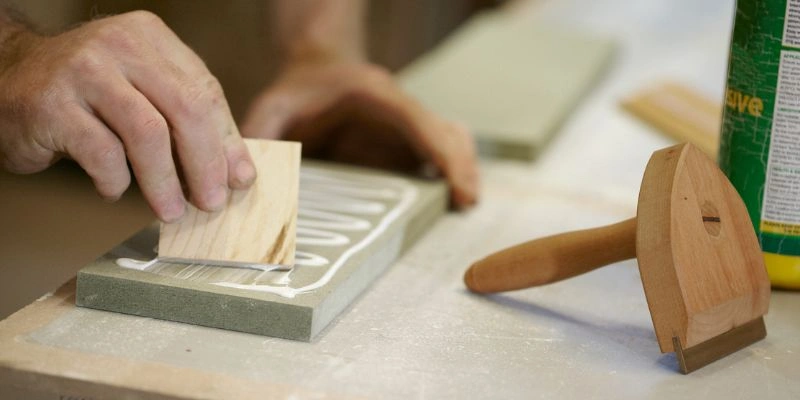
Choosing the right adhesive is crucial for gluing veneer to wood. PVA glue is a popular choice. It is easy to use and dries clear. Contact cement offers a strong bond but requires careful application.
Different methods exist for applying adhesive. Brushes allow for even spreading. Rollers can cover larger areas quickly. Spray adhesive is also an option, but it requires a well-ventilated area.
Avoid common mistakes for the best results. Always clean the wood surface before applying glue. Ensure the veneer fits correctly before gluing. Use enough pressure during drying to prevent bubbles.
Attaching Veneer To Wood
To attach veneer to wood, alignment is key. Start by carefully placing the veneer on the wood surface. Ensure the edges are perfectly matched. Use a pencil to mark the position before gluing.
Applying pressure is essential. Use a clamp to hold the veneer in place firmly. This helps the glue bond better and prevents shifting.
Drying time matters. Allow the glue to set as per the manufacturer’s instructions. Usually, it takes about 24 hours for a strong bond. Avoid moving the veneer during this time to ensure a good finish.
Finishing Touches
After gluing veneer, trimming excess veneer is crucial. Use a sharp knife for clean cuts. Carefully trim around the edges. This helps create a smooth finish.
Next, sanding edges is important for a polished look. Use fine-grit sandpaper to smooth rough spots. Sand with the grain for best results. This prepares the surface for finishing.
Finally, applying finish gives the wood a nice shine. Choose a clear coat or stain. Apply it with a brush or cloth. Let it dry completely before using the item.
Troubleshooting Common Issues
Bubbles and gaps can ruin your veneer project. To fix bubbles, use a small pin to poke them. Press the veneer down gently to release air. For gaps, apply a thin layer of glue and press the edges together firmly.
Adhesive failures often happen due to insufficient application. Always apply enough glue evenly across the surface. Let the adhesive cure fully before moving the piece. Check the temperature and humidity, as these affect adhesion.
Veneer cracking can occur from improper handling. Always support the veneer while working. If cracks appear, use wood filler to fill them. Sand the area smooth after it dries to blend with the surface.
Maintenance And Care
To keep your veneered surfaces looking great, regular cleaning is essential. Use a soft, damp cloth to wipe dust away. Avoid harsh chemicals that can damage the finish. For tough spots, a mild soap solution works well.
If your veneer gets damaged, repair it quickly. Use a matching wood filler to fill in cracks or chips. Sand the area gently and apply a suitable finish to blend it in.
For long-term care, maintain a stable environment. Keep veneers away from direct sunlight and heat sources. Use coasters and mats to protect surfaces from scratches. Regularly dust and clean to prevent dirt buildup.
Innovative Techniques And Tips
Creative clamping methods can greatly improve veneer application. Use parallel clamps for strong pressure. F-style clamps work well for corners. For even pressure, cauls can distribute force evenly.
Using cauls helps prevent warping. They ensure the veneer stays flat during drying. Make sure cauls are straight and smooth.
| Adhesive Type | Best Use | Drying Time |
|---|---|---|
| Wood Glue | General veneering | 30-60 minutes |
| Contact Cement | Quick fixes | Immediate |
| Epoxy | Heavy-duty bonding | 24 hours |
Explore advanced adhesive options for better results. Choose the right type for your project. Each adhesive has unique benefits.
Safety Considerations
Proper ventilation is important when working with adhesives. Open windows and doors to let fresh air flow in. Use fans to circulate air in the workspace. This helps reduce the buildup of harmful fumes.
Handling adhesives safely is crucial for your health. Always wear gloves to protect your skin. Avoid contact with your eyes. Keep all adhesives away from children and pets. Store them in a cool, dry place.
Using tools correctly ensures a safe work environment. Always follow the manufacturer’s instructions for each tool. Use protective gear like goggles and masks. Keep your workspace tidy to prevent accidents.
Frequently Asked Questions
How Do You Prepare Wood For Veneering?
To prepare wood for veneering, clean the surface thoroughly. Remove dust and grease to ensure better adhesion. Sand the wood lightly to create a smooth texture. This will help the veneer adhere more effectively. Finally, apply a suitable veneer glue for the best results.
What Type Of Glue Is Best For Veneer?
The best glue for veneer is often PVA (polyvinyl acetate) or contact cement. PVA is easy to use and allows for adjustments. Contact cement provides a strong bond but requires precise placement. Always follow the manufacturer’s instructions for optimal results when selecting glue.
Can You Veneer Over Painted Wood?
Yes, you can veneer over painted wood, but proper preparation is crucial. Ensure the paint is completely dry and free of imperfections. Sand the painted surface lightly to improve adhesion. Additionally, choose a strong adhesive suitable for both veneer and painted surfaces for the best outcome.
How Long Does Veneer Glue Take To Dry?
Veneer glue typically takes about 30 minutes to an hour to set. However, full curing can take up to 24 hours, depending on the adhesive used. Always check the manufacturer’s instructions for specific drying times. Patience is key for achieving a strong bond.
Conclusion
Gluing veneer to wood can transform your projects into stunning masterpieces. By following the right steps and using quality materials, you ensure a durable bond. Always allow adequate drying time for the best results. With practice, you’ll gain confidence in your skills.
Enjoy the creative process and watch your ideas come to life!