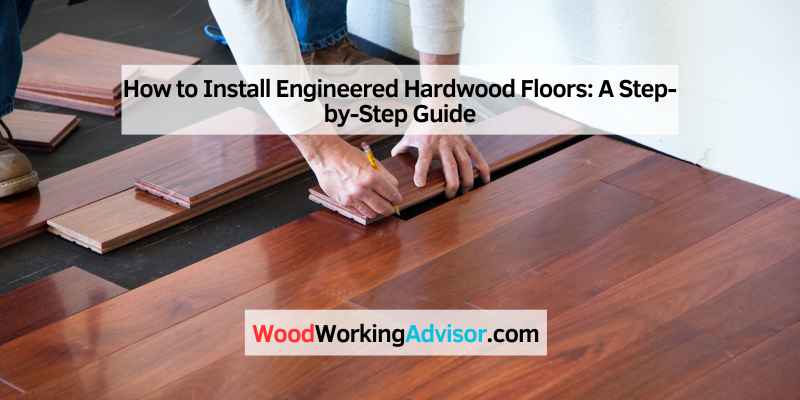
How to Install Engineered Hardwood Floors: A Step-by-Step Guide
To install engineered hardwood floors, first, prepare the subfloor and choose your installation method: floating, glue-down, or nail-down. Then, lay down an underlayment if needed, and install the planks according to your chosen method.
Engineered hardwood floors combine durability and aesthetic appeal, making them a popular choice for many homeowners. Installing them can seem daunting, but with the right approach, you can achieve a professional-looking finish. This flooring type consists of layers that provide stability and resistance to moisture, making it suitable for various spaces.
Proper preparation is crucial, including assessing your subfloor and selecting an appropriate underlayment. Knowing the installation methods—floating, glue-down, or nail-down—will help you choose the best fit for your project. A successful installation enhances your home’s beauty and value while ensuring long-lasting performance.
Introduction To Engineered Hardwood Floors
Engineered hardwood floors offer many advantages for homeowners. They provide a beautiful look while being highly durable. These floors resist warping and moisture better than traditional hardwood.
Cost-effectiveness is another key benefit. Engineered hardwood is often less expensive than solid wood. Installation is easier and quicker, making it a favorite choice for DIY enthusiasts.
Engineered hardwood can be installed over various subfloors. It is available in many styles and finishes, catering to different tastes. This flooring type is perfect for both residential and commercial spaces.
Essential tools include a miter saw, tapping block, and measuring tape. Materials required are the engineered hardwood planks and a suitable underlayment. A moisture barrier may also be necessary depending on the environment.
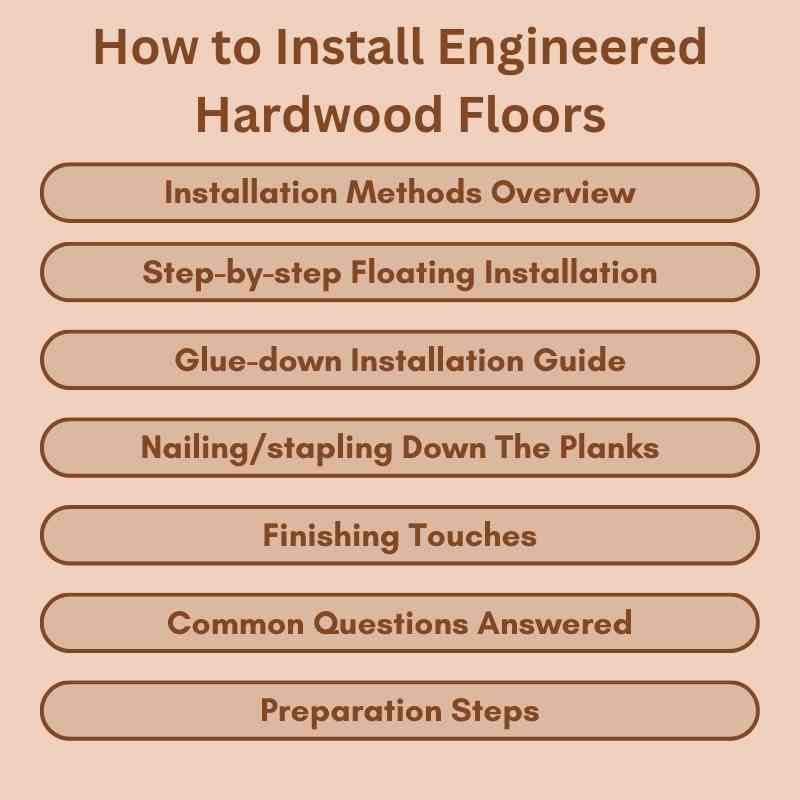
Preparation Steps
Start by measuring your space accurately. Use a tape measure to find the length and width of the room. Multiply these numbers to get the total square footage. Always add an extra 10% for waste and mistakes.
Choosing the right underlayment is crucial. It acts as a barrier against moisture and helps reduce noise. Look for underlayment that suits your flooring type. Check for thickness and material for better comfort and durability.
Preparing the subfloor is essential for a successful installation. Ensure it is clean, dry, and level. Fill in any holes or cracks. A smooth surface helps the engineered hardwood to stay flat and last longer.
Installation Methods Overview
The floating method allows engineered hardwood to expand and contract freely. Planks interlock without glue or nails. This method is quick and easy, making it ideal for DIY projects.
In the glue-down method, adhesive secures planks directly to the subfloor. This provides stability and can reduce noise. It’s essential to choose the right glue for best results.
The nail/staple down technique involves fastening planks to a wooden subfloor. This is a strong option but requires specific tools. Ensure the subfloor is suitable for this method to avoid complications.
Step-by-step Floating Installation
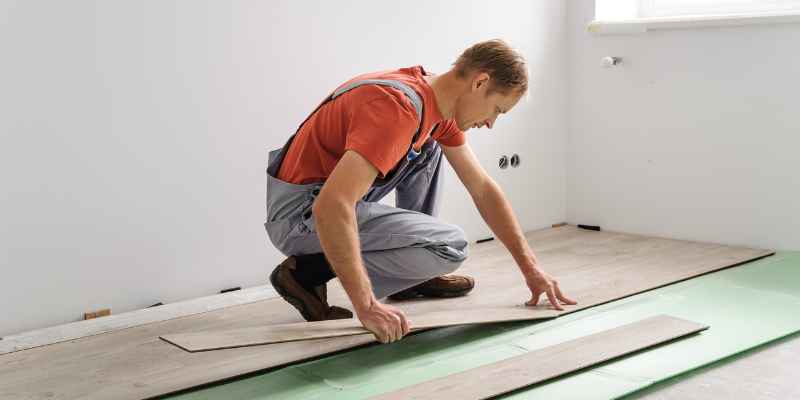
Begin by laying the first planks against the wall. Ensure they fit snugly and level. Leave a small gap for expansion. This gap prevents damage from humidity changes.
Next, focus on joining planks together. Use the tongue-and-groove method for a secure fit. Align the tongue of one plank with the groove of another. Press down gently until they click into place.
For cutting planks to fit, measure the required length carefully. Use a saw to make straight cuts. Always wear safety goggles while cutting. This ensures a proper fit in corners and edges.
Glue-down Installation Guide
Start by applying the adhesive evenly on the subfloor. Use a notched trowel for the best coverage. Spread enough glue to cover a small area. This will help prevent it from drying out.
Next, carefully place the planks onto the adhesive. Align them tightly for a seamless look. Press down firmly to ensure a strong bond. Continue this process until the entire area is covered.
Once you finish, it’s important to wipe away excess glue. Use a damp cloth to clean the surface of the planks. This will help avoid any sticky spots once the glue dries.
Nailing/stapling Down The Planks
Choosing the right fasteners is crucial for a successful installation. Use staples or nails that are suitable for engineered hardwood. Ensure they are long enough to secure the planks without damaging them.
Securing the planks involves placing the fasteners at the right intervals. Typically, every 6 to 8 inches along the edges is recommended. This ensures the planks remain firmly in place and do not shift.
Ensuring even placement is essential for a smooth finish. Use a straight edge to align the planks correctly. Check with a level to avoid any bumps or gaps in the surface. An even installation will enhance both aesthetics and durability.
Finishing Touches
Installing baseboards and trim enhances the beauty of your engineered hardwood floors. Start by measuring the walls carefully. Cut the baseboards to fit snugly against the walls. Use nails or an adhesive to secure them. Make sure to fill any gaps with caulk for a clean finish.
Transition strips play a crucial role in connecting your hardwood to other flooring types. These strips help manage expansion and contraction of the wood. Install them at doorways and between different floor types. Secure them with adhesive or nails for stability.
Final cleaning is essential for a polished look. Sweep or vacuum the floors to remove dust. Use a damp cloth or mop with gentle cleaner to wipe the surface. Regular maintenance includes sweeping and avoiding excess water to prolong the life of your floors.
Common Questions Answered
Choosing between floating and gluing for engineered hardwood floors depends on your needs. Floating floors are often faster to install. They don’t require glue and can be done in a weekend. Gluing offers a more stable option for hardwood installations.
An underlayment is essential for engineered hardwood floors. It helps prevent moisture buildup and keeps floors warm. Underlayment also reduces noise and evens out subfloor imperfections. This extra layer increases the lifespan of your flooring.
DIY installation is possible for engineered hardwood floors. With some tools and tips, you can complete the project yourself. Many find it rewarding and cost-effective. A little preparation goes a long way in ensuring a successful installation.
Frequently Asked Questions
Is It Better To Glue Or Float An Engineered Wood Floor?
Floating an engineered wood floor is often better for quick installation and ease of use. It eliminates the need for glue and drying time. Glue-down methods may provide more stability but require more effort. Choose based on your project’s needs and your comfort level with installation.
Do You Put Anything Under Engineered Hardwood?
Yes, always install engineered hardwood over an underlayment. This layer provides moisture protection, reduces noise, and levels out subfloor imperfections. Using an underlayment enhances comfort and extends the lifespan of your engineered wood flooring.
Can You Install Engineered Hardwood Yourself?
Yes, you can install engineered hardwood yourself. With the right tools and basic skills, it’s achievable. Follow manufacturer instructions for best results. Take your time and ensure proper preparation for a successful installation.
What Is The Most Common Method Of Installing Engineered Wood Floors?
The most common method for installing engineered wood floors is the floating technique. This method allows planks to expand and contract freely, making it suitable for various subfloors. It’s quick and does not require adhesive, ensuring an easier installation process.
Conclusion
Successfully installing engineered hardwood floors can transform your space. With the right tools and techniques, you can achieve a professional finish. Don’t rush the process; take your time to ensure everything is aligned and secure. Enjoy the beauty and durability of your new floors for years to come.