How to Make Wood Slick: 5 Proven Techniques
To make wood slick, apply a thin layer of a suitable wood finish or oil. Allow it to penetrate and cure for optimal results.
Creating a slick surface on wood enhances its appearance and protects it from wear. Whether you’re finishing a furniture piece or crafting decorative items, achieving that smooth finish is crucial. Slick wood not only looks appealing but also feels great to the touch.
Various products are available, including oils, varnishes, and waxes, each offering different benefits. Choosing the right one depends on the intended use and desired finish. This guide will walk you through the best methods to achieve a slick, polished wood surface, ensuring your projects shine and last longer. Get ready to elevate your woodworking skills!
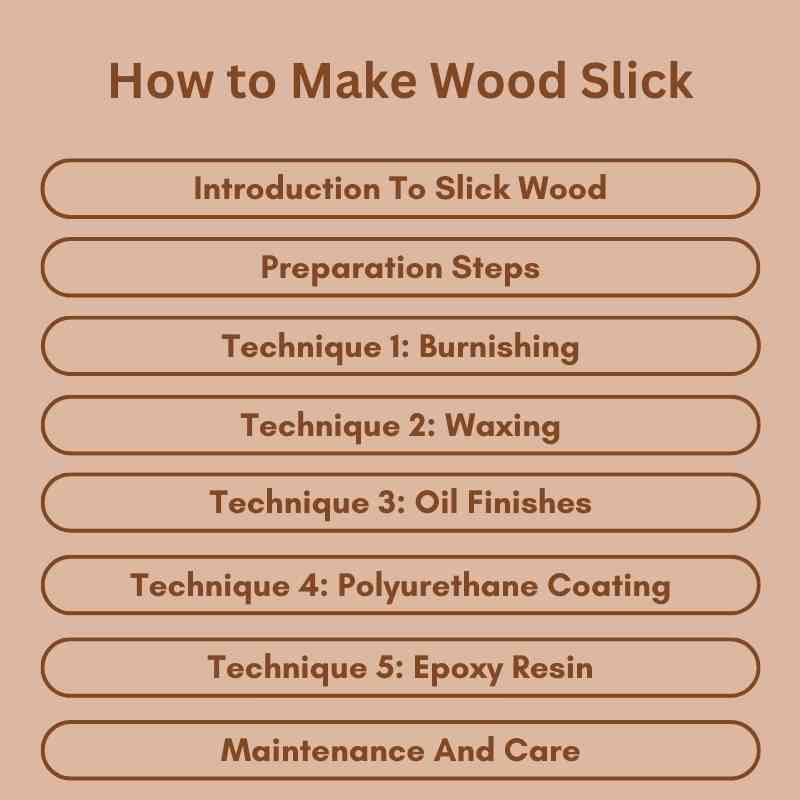
Introduction To Slick Wood
Slick wood is important for many reasons. It enhances the beauty of your projects. Smooth surfaces are easier to clean and maintain. This quality makes wood look more attractive.
Slick wood is also very useful. It can be used in furniture making. Many people prefer slick wood for cabinetry and flooring. Items made with slick wood last longer and look better.
Artists often use slick wood for their creations. It provides a perfect surface for painting. Musicians like slick wood for instruments too. The sound quality improves with a smooth finish.
Preparation Steps
Choosing the right wood is essential for making wood slick. Different types of wood behave differently. Hardwoods like maple and oak are great options. Softwoods may not provide the same results.
Before starting, ensure the wood is clean. Remove any dirt or dust from the surface. Use a soft cloth or a vacuum for this task. Sanding is the next important step. Start with coarse sandpaper to remove rough spots. Gradually move to finer sandpaper for a smooth finish.
Always sand in the direction of the wood grain. This helps avoid scratches. After sanding, wipe the wood with a damp cloth. This will remove any leftover dust particles.
Technique 1: Burnishing
To start burnishing wood, gather essential tools. You will need:
- Burnishing tool or a smooth hard object
- Sandpaper (medium and fine grits)
- Cloth for cleaning
- Wood finish or oil for added shine
Follow these simple steps to achieve a slick finish:
- First, sand the wood surface using medium grit sandpaper.
- Next, switch to fine grit sandpaper for a smoother touch.
- Use the burnishing tool to rub the wood firmly.
- Wipe the surface with a clean cloth to remove dust.
- Finally, apply a wood finish or oil for extra shine.
Technique 2: Waxing
Selecting the right wax is important for achieving a smooth finish. Look for natural waxes like beeswax or carnauba. These provide a great shine and protection. Avoid synthetic options, as they may not be as effective.
For the application process, start by cleaning the wood surface. Use a soft cloth to remove dust and dirt. Apply a small amount of wax with a clean cloth. Rub it in circular motions for even coverage. Allow the wax to sit for a few minutes.
Buff the surface with a soft, dry cloth. This enhances the shine and smoothness. Repeat the process for added layers of protection. Regular waxing keeps your wood looking new and beautiful.
Technique 3: Oil Finishes
Choosing the right oil is key for wood finishing. Different types of oils provide unique results. Here are some popular oil types:
| Oil Type | Features |
|---|---|
| Linseed Oil | Natural finish, enhances wood grain. |
| Tung Oil | Water-resistant, durable finish. |
| Mineral Oil | Food-safe, easy to apply. |
For the best results, follow these application tips:
- Start with clean, dry wood.
- Use a soft cloth for even application.
- Apply thin coats and let them dry.
- Sand lightly between coats for a smooth finish.
Technique 4: Polyurethane Coating
Polyurethane coating offers many advantages for wood finishing. It creates a strong, durable layer that protects against scratches and water. This coating is easy to clean and maintain. It also enhances the wood’s natural beauty, giving it a shiny look.
Applying polyurethane is simple. First, prepare the wood surface by sanding it. Clean off any dust or debris. Use a brush or roller to apply a thin coat of polyurethane. Let it dry completely before adding another coat. Usually, two or three coats provide the best results.
Always work in a well-ventilated area. Wear gloves and a mask for safety. Follow the manufacturer’s instructions for best results.
Technique 5: Epoxy Resin
To prepare for epoxy, start with a clean surface. Remove any dirt or dust. Sand the wood lightly for better adhesion. Make sure to wear gloves and a mask for safety. Choose a well-ventilated area for working.
Mixing epoxy resin requires careful measurement. Follow the manufacturer’s instructions closely. Use a clean container for mixing. Stir the resin and hardener thoroughly for at least two minutes. Pour the mixture onto the wood surface.
Spread it evenly with a squeegee or a brush. Allow the epoxy to self-level for a smooth finish. Keep an eye on the curing process to avoid dust or debris settling in.
Maintenance And Care
Regular upkeep keeps your wood slick and beautiful. Clean the surface often with a soft cloth. Use a gentle cleaner to avoid damage. Waxing helps maintain shine and protects the wood.
For repairing scratches, assess the damage first. Small scratches can be fixed easily. Use a wood filler that matches the wood color. Apply it carefully and let it dry. Sand the area lightly for a smooth finish.
For deeper scratches, consider using a touch-up marker. Match the color closely. Apply the marker and blend it in with a cloth. Always test on a hidden area first.
Frequently Asked Questions
How Do You Make Wood Slick?
To make wood slick, start by sanding the surface with fine-grit sandpaper. This removes any roughness. Next, apply a wood conditioner or sealer to enhance the sheen. Finally, polish the wood with a soft cloth to achieve that smooth, glossy finish.
What Products Can I Use To Slick Wood?
You can use various products to slick wood. Popular options include wood conditioners, oils, and waxes. Tung oil and Danish oil provide a natural finish. For a high gloss, consider using polyurethane or varnish. Always follow the manufacturer’s instructions for the best results.
Is It Necessary To Sand Wood Before Applying Finish?
Yes, sanding wood before applying a finish is essential. It helps to create a smooth surface for the finish to adhere to. Sanding also removes imperfections and prepares the wood for better absorption of oils or sealers. Always sand in the direction of the grain for optimal results.
Can I Make Wood Slick Without Chemicals?
Absolutely! You can make wood slick using natural oils and waxes. Options like beeswax or coconut oil provide a beautiful finish. They enhance the wood’s natural texture without harsh chemicals. Just apply a thin layer and buff it for a shiny, smooth surface.
Conclusion
Achieving a slick finish on wood elevates its beauty and durability. By following the right techniques and using quality products, you can enhance any wooden surface. Experiment with different methods to find what works best for your project. A well-finished piece will impress and stand the test of time.