How to Make a Plywood Box: Simple & Sturdy DIY Guide
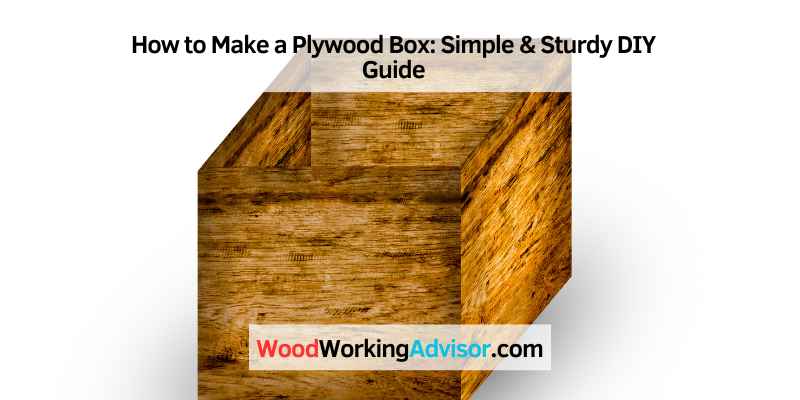
To make a plywood box, cut the plywood to size and assemble it using wood glue and screws. Start by measuring and cutting the plywood to the desired dimensions.
Then, assemble the pieces using wood glue and reinforce the joints with screws. Finally, sand the edges and surfaces to create a smooth finish. This guide will walk you through the step-by-step process of creating a plywood box, a versatile and practical storage solution for various purposes.
Whether for organizing household items or as a DIY project, mastering the art of making a plywood box will serve you well in various woodworking endeavors. Let’s delve into the details of this simple yet essential woodworking skill.
Introduction To Plywood Box Crafting
Crafting a plywood box involves precise measurements and careful assembly. Start by cutting the plywood to the required dimensions, then assemble the pieces using wood glue and screws. Finally, sand the edges for a smooth finish and consider adding a decorative touch with paint or stain.
Making a plywood box is a fun and rewarding DIY project that can be done by anyone, regardless of their skill level. It’s a great way to learn new woodworking techniques while creating something functional and practical. Whether you’re looking to store your tools, organize your workspace, or simply add a decorative touch to your home, a plywood box can be a great solution. In this article, we will provide you with a step-by-step guide on how to make your own plywood box, including the tools and materials you’ll need to get started.
Benefits Of DIY Plywood Boxes
There are many benefits to making your own plywood boxes. First and foremost, it’s a cost-effective way to get the storage or organization solution you need. Plywood is an affordable material that can be purchased at most home improvement stores, and with a few basic tools, you can easily create a customized box to fit your specific needs. Additionally, making your own plywood box allows you to have complete control over the design and construction process, ensuring that you end up with a finished product that is both functional and visually appealing.
Tools And Materials Needed
Before you get started on your plywood box project, you’ll need to gather some basic tools and materials. Here’s what you’ll need:
| Tools | Materials |
|---|---|
| – Circular saw | – Plywood sheets |
| – Jigsaw | – Wood glue |
| – Power drill | – Screws or nails |
| – Measuring tape | – Sandpaper |
| – Pencil | – Wood filler (optional) |
Once you have all of the necessary tools and materials, you’ll be ready to get started on your plywood box project. Follow our step-by-step guide to create a beautiful and functional plywood box that you’ll be proud to display in your home or workshop.
Choosing The Right Plywood
Choosing the right plywood is essential for making a plywood box. With careful consideration of factors like grade, thickness, and type of plywood, you can ensure a sturdy and durable box that meets your specific needs.
Types Of Plywood For Box Making
When it comes to making a plywood box, choosing the right plywood is crucial. The type of plywood you choose will determine the strength, durability, and appearance of your box. There are several types of plywood available, each with its own unique characteristics.
- Baltic Birch Plywood: This type of plywood is known for its strength and durability. It is made from several layers of thin birch veneer that are cross-banded and laminated with a strong adhesive. Baltic birch plywood is also known for its attractive appearance and is often used for furniture and cabinetry.
- Marine Plywood: As the name suggests, marine plywood is designed for use in wet environments. It is made with waterproof glue and is usually made from hardwood or tropical softwood veneers. Marine plywood is often used in boats, docks, and other outdoor structures.
- Furniture-Grade Plywood: This type of plywood is specifically designed for use in furniture making. It is made from high-quality hardwood veneers and is often free from knots and other defects. Furniture-grade plywood is available in a variety of finishes and is often used in high-end furniture.
Plywood Thickness And Size Considerations
In addition to choosing the right type of plywood, you also need to consider the thickness and size of the plywood. The thickness of the plywood will determine the strength of your box, while the size will determine the overall dimensions of your box.
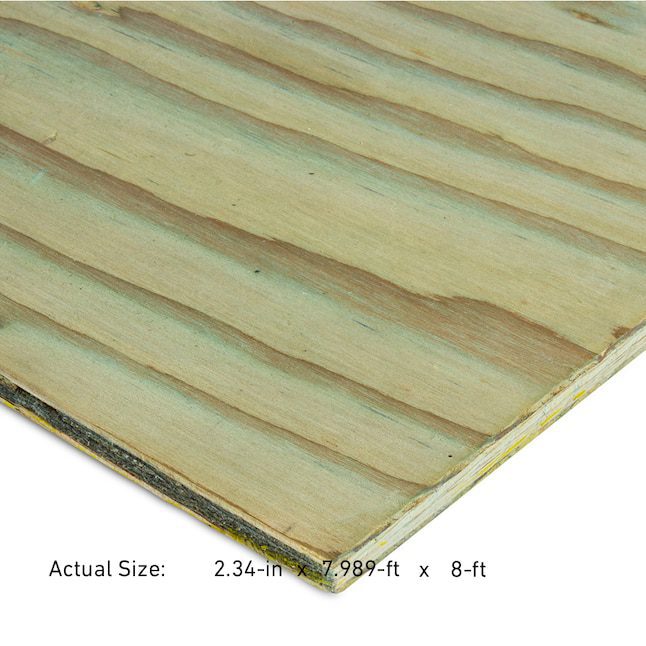
When it comes to thickness, plywood is typically available in 1/8-inch, 1/4-inch, 1/2-inch, and 3/4-inch thicknesses. For most box-making projects, 1/2-inch or 3/4-inch plywood is recommended for optimal strength and durability.
When it comes to size, plywood is typically available in 4-foot by 8-foot sheets. However, you can also find smaller sheets that are 2-foot by 4-foot or 2-foot by 2-foot. When choosing the size of your plywood, be sure to measure the dimensions of your box and choose a sheet that will allow you to cut all of your pieces from a single sheet.
By choosing the right type, thickness, and size of plywood, you can ensure that your plywood box is strong, durable, and attractive.
Designing Your Box
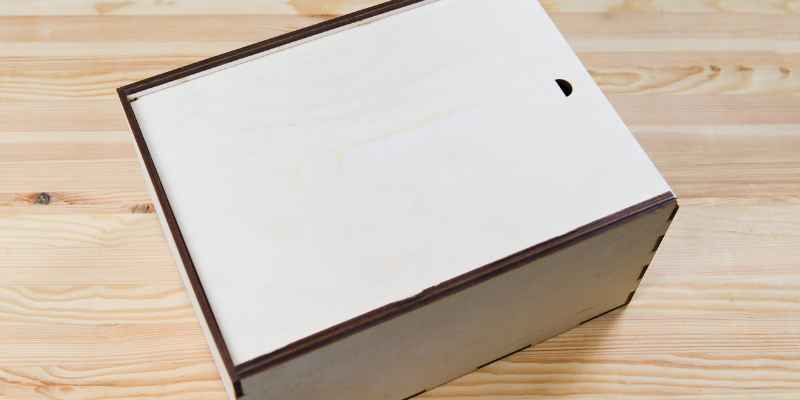
Designing your plywood box is a creative process that requires careful planning and precision. Follow these steps to make a sturdy and visually appealing box: measure and cut the plywood, assemble the pieces using glue and screws, sand the surfaces for a smooth finish, and apply a protective coating or paint for added durability.
Personalize your box with decorative elements to make it truly unique.
Determining Dimensions
Before you start building your plywood box, you need to determine the dimensions that will best suit your needs. Consider the purpose of your box and the items it will hold. Measure the items to be stored, ensuring you account for any protruding elements or handles. By accurately determining the dimensions, you can ensure a snug fit and optimal functionality.
When determining dimensions, it’s essential to consider the available space where the box will be placed. Measure the area and take note of any height or width restrictions. This will help you create a box that fits perfectly in its designated spot.
Functional Design Elements
When designing your plywood box, it’s important to consider the functional elements that will enhance its usability. Think about how you will access the contents of the box. Will you need a hinged lid, or would a removable top be more suitable? The design element you choose should align with the purpose of the box and make it easy to use.
Additionally, consider the need for handles or grips on the box. This will make it easier to carry or transport the box when necessary. Reinforcing the corners with additional plywood or metal brackets can add strength and durability to your box.
Furthermore, think about the aesthetic appeal of your box. While functionality is key, adding decorative elements such as paint, stain, or other finishes can enhance the overall appearance. This can make your plywood box not only practical but visually appealing as well.
Cutting The Plywood Pieces
When it comes to making a plywood box, one of the most crucial steps is cutting the plywood pieces to the correct dimensions. This ensures that the box will be sturdy and fit together perfectly. In this section, we will cover the important aspects of measuring and marking the plywood as well as safe cutting techniques to follow.
Measuring And Marking
Before you start cutting the plywood, it’s essential to measure and mark the dimensions accurately. Here are the steps to follow:
- Begin by determining the desired dimensions for your plywood box. Use a tape measure to measure the length, width, and height of each piece you need to cut.
- Using a pencil, mark the measurements directly onto the plywood. Make sure to mark the lines on the side of the plywood that will be facing inward.
- If you are cutting multiple pieces of the same size, consider using a straightedge or a square to ensure consistent measurements and straight lines.
Safe Cutting Techniques
Now that you have marked the plywood, it’s time to cut it. Follow these safe cutting techniques to prevent accidents and achieve accurate cuts:
- Always wear safety goggles to protect your eyes from any flying debris.
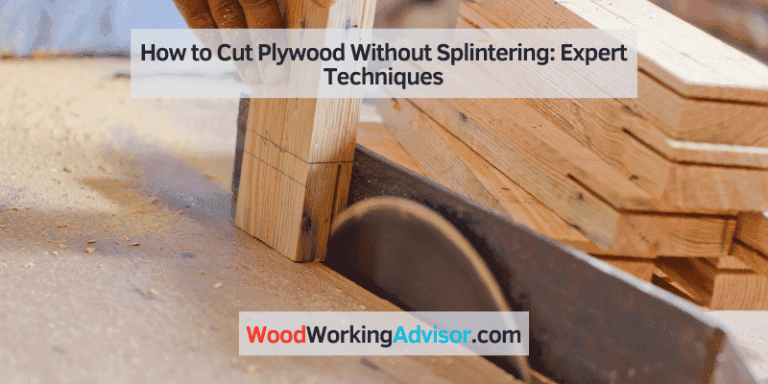
- Use a sharp, quality plywood blade in your circular saw or table saw.
- Secure the plywood to a stable work surface using clamps or a sawhorse.
- When cutting, keep your hands away from the blade and use a push stick or push block to guide the plywood through the saw.
- Take your time and make slow, controlled cuts. Rushing can lead to mistakes or accidents.
- Ensure that the saw blade is fully raised above the plywood to prevent binding or kickback.
By following these safe cutting techniques, you can minimize the risk of injuries and create precise cuts for your plywood box.
Assembling The Box Structure
When it comes to assembling the box structure, it’s important to ensure that the plywood pieces fit together securely to form a sturdy and durable box. This process involves joining the sides of the box and securing the base in a way that ensures the structural integrity of the box.
Joining The Sides
To begin assembling the plywood box, align one side panel with the corresponding edge of the back panel. Use wood glue along the edges and then secure the pieces together using wood screws.
Repeat this process for the remaining sides, ensuring that each joint is firmly glued and screwed to create a strong bond. This method ensures the box’s stability and prevents any potential structural weaknesses.
Securing The Base
Once the sides are joined, it’s crucial to secure the base to complete the box structure. Start by applying wood glue along the bottom edges of the assembled sides. Carefully place the plywood base on top, ensuring that it fits snugly.
Secure the base by driving wood screws through the bottom of the box into the base, ensuring that it is firmly attached. This step reinforces the box’s structure and provides additional support, making it suitable for various purposes.
Reinforcing The Box For Durability
When creating a plywood box, reinforcing it is crucial for ensuring long-lasting durability. By implementing proper reinforcement techniques, you can enhance the strength and sturdiness of the box, making it more resilient to wear and tear.
Corner Reinforcement
To reinforce the corners of the plywood box, consider using metal brackets or corner braces. Secure these reinforcements with screws for added stability.
Applying Wood Glue And Fasteners
Apply wood glue along the seams of the box before fastening the pieces together with nails or screws. This combination provides extra strength and prevents the box from coming apart.
Finishing Touches
To add some finishing touches to a plywood box, sand the edges and corners to smooth any roughness. Apply wood filler to any gaps, and sand again once dry. Finally, apply a coat of paint or stain for a polished look.
Sanding For Smoothness
Sand the plywood box with fine-grit sandpaper to achieve a smooth surface.
Start with a lower grit sandpaper and gradually move to a higher grit for best results.
Applying Finish Or Paint
Decide whether to apply a finish for a natural look or paint for a pop of color.
Use a brush or spray gun for an even application and allow ample drying time.
Customization Ideas
Looking for customization ideas for making a plywood box? Consider adding a personalized touch with engraved designs or adding handles for easy transportation. You could also experiment with different finishes such as staining or painting to make your plywood box unique and functional.
Decorative Add-ons
Functional Modifications
When customizing your plywood box, there are various ways to enhance its appearance and functionality.
Decorative Add-ons
Consider adding vibrant colors or patterns for a unique touch.
- Paint the box with bold colors.
- Apply decals or stencils for intricate designs.
Embellishing with hardware such as knobs or handles can elevate the box’s aesthetics.
Functional Modifications
Optimize the box’s functionality with these simple tweaks.
- Install dividers for organized storage.
- Add wheels for easy mobility.
Consider incorporating a sliding lid for convenient access to the contents.
Maintenance And Care
When it comes to plywood box maintenance and care, a few simple steps can keep your box in top condition for years to come.
Cleaning Tips
- Wipe the plywood box with a soft, damp cloth regularly.
- Avoid using harsh chemicals that may damage the wood.
- Dust the box weekly to prevent buildup.
Long-term Storage Advice
- Store the plywood box in a dry, cool place to prevent warping.
- Wrap the box in a cloth to protect it from scratches.
- Check the box periodically for pests or mold growth.
Frequently Asked Questions
How Do You Cut Plywood For A Box?
To cut plywood for a box, measure and mark the dimensions, then use a circular saw or table saw with a fine-tooth blade. Ensure the plywood is properly supported and use a straight edge as a guide for accurate cuts.
What Type Of Plywood Is Best For Making Boxes?
For making boxes, consider using hardwood plywood such as birch or oak. These types of plywood offer strength and durability, making them suitable for constructing boxes that can withstand wear and tear over time.
What Is The Best Way To Join Plywood For A Box?
The best way to join plywood for a box is using wood glue and screws. Apply a generous amount of wood glue along the edges to be joined, then secure the pieces together using screws. This creates a strong and durable bond for the box construction.
Conclusion
In mastering the art of creating a plywood box, attention to detail is key. By following the steps outlined, you can craft a sturdy and functional box for various purposes. Remember, practice makes perfect, so don’t be afraid to experiment and refine your skills in woodworking.
Happy crafting!