How to Making Paper Out of Wood: A DIY Guide
To make paper from wood, begin by breaking down wood into pulp using chemical or mechanical processes. Then, dry the pulp to form sheets of paper.
Creating paper from wood is a fascinating blend of art and science. It starts with raw wood, which undergoes several transformations to become the smooth sheets we use daily. The process involves extracting cellulose fibers from the wood, a key ingredient for paper.
Various methods exist, including chemical pulping and mechanical pulping, each affecting the paper’s quality. Understanding this process not only highlights the importance of sustainable forestry but also emphasizes the craftsmanship behind paper production. As demand for eco-friendly products rises, knowing how paper is made can inspire more responsible consumption and awareness of environmental impact.
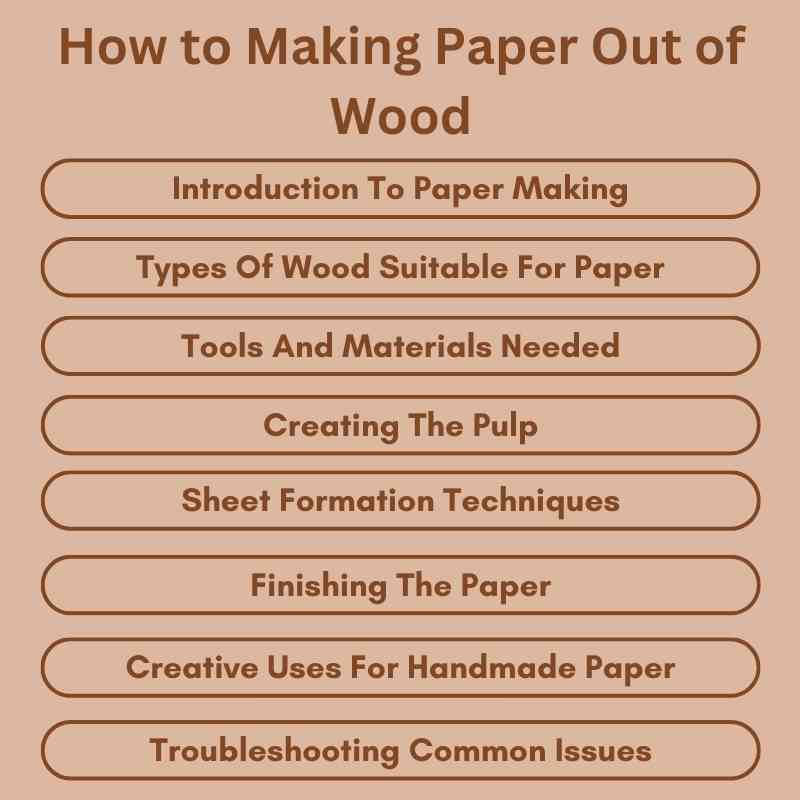
Introduction To Paper Making
Paper making is an ancient craft. It started over 2,000 years ago in China. People used wood fibers to create sheets. This method spread across the world. Each culture added its unique touch.
Today, many people enjoy this modern DIY revival. Craft enthusiasts love making paper at home. Using simple tools, anyone can start. Gather wood, water, and a blender. Blend the wood into a fine pulp. Then, pour it onto a screen. Press it down, and let it dry.
This process is fun and creative. It allows you to recycle materials. Making paper can be a great family activity. Enjoy the satisfaction of creating something new!
Types Of Wood Suitable For Paper
Softwoods</strong come from coniferous trees like pine and spruce. These trees grow quickly. They are great for making paper. Softwoods produce long fibers. This helps create a strong paper.
Hardwoods come from broadleaf trees like oak and maple. These trees grow slowly. They produce shorter fibers. This makes paper smooth and good for printing.
| Type of Wood | Example Trees | Fiber Length |
|---|---|---|
| Softwoods | Pine, Spruce | Long Fibers |
| Hardwoods | Oak, Maple | Short Fibers |
Choosing sustainable wood sources is very important. Look for forests that use responsible practices. This ensures trees are replanted. It helps keep nature balanced.
Tools And Materials Needed
Essential tools and materials for making paper from wood include a wood chipper, blender, and a mold. Gather water, screens, and a pressing surface for optimal results. These items facilitate the transformation of wood into usable paper effectively.
Basic Equipment List
- Wood chips: These are the main ingredient for making paper.
- Water: Used to soak and break down the wood fibers.
- Blender: Helps mix the wood chips and water into a pulp.
- Screen: This is used to shape the paper and drain excess water.
- Rolling pin: Used to flatten the paper once formed.
- Drying surface: A clean area where the paper can dry completely.
Safety Precautions
- Always wear safety goggles when using tools.
- Keep your workspace clean and organized.
- Handle sharp tools with care.
- Wash your hands after using wood and chemicals.
Preparing The Wood
Start by cleaning the wood to remove dirt and debris. Use a brush or cloth for this task. After cleaning, strip the bark from the wood. This step is important to prepare the wood for pulping.
Next, cut the wood into small pieces. These smaller pieces will help in the pulping process. Soak the wood pieces in water for several hours. This makes them easier to break down.
Once soaked, use a blender or a similar tool. Blend the wood pieces until they turn into a mushy pulp. The pulp should be smooth and consistent. This is a key step in making paper from wood.
Creating The Pulp
To create pulp, start by breaking down wood fibers. This process involves mechanical and chemical methods. Machines can grind the wood into smaller pieces. Chemicals help dissolve the lignin that holds fibers together. The result is a mixture of wood pulp.
Next, the pulp needs bleaching for whiteness. This makes the paper bright and clean. Bleaching agents can be chlorine-based or eco-friendly. Proper bleaching reduces the yellow color in the pulp. It’s essential to use safe methods to protect the environment.
Sheet Formation Techniques
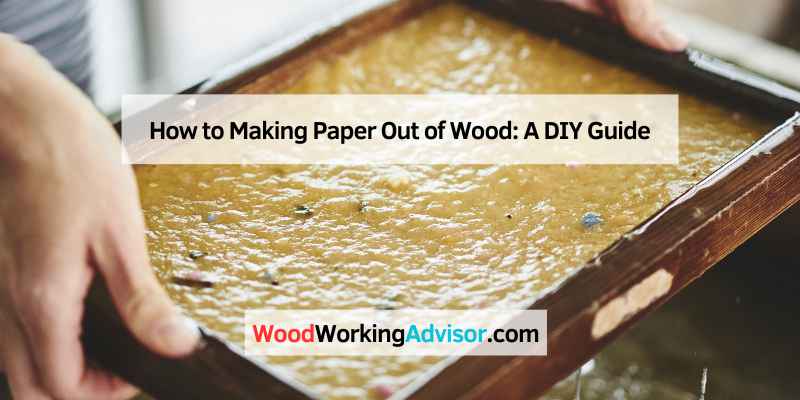
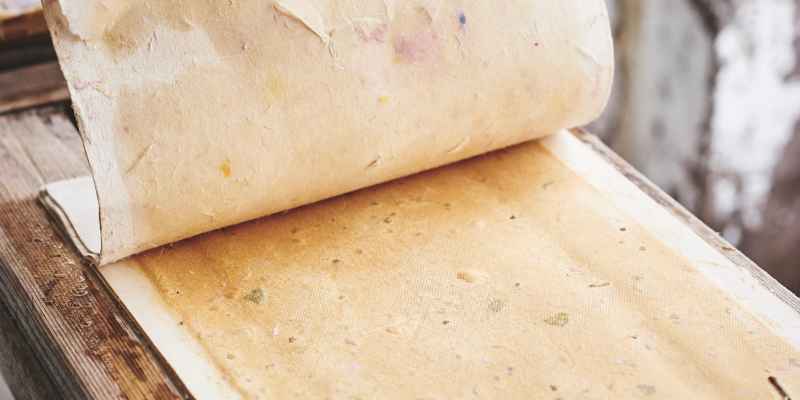
The Pouring and Draining Method is simple and effective. Start by mixing wood pulp with water. Pour this mixture onto a flat surface. Make sure the mixture is even. Allow the water to drain away. Use a screen to catch the pulp. This helps form a sheet.
For Pressing and Drying, place the wet sheet between two cloths. Press down to remove excess water. Use a heavy object to apply pressure. Let the sheet dry in the sun or a warm place. Once dry, carefully peel it off the cloths.
Finishing The Paper
To finish the paper, start with smoothing the surface. Use sandpaper to gently rub the paper. This helps remove any bumps and imperfections. A smooth surface makes the paper look nice.
Next, adding texture can make the paper special. Try using a sponge or fabric while the paper is still wet. This creates interesting patterns. Textured paper can be great for crafts and art projects.
Experiment with different methods. Each technique gives unique results. Enjoy the process of making your own paper!
Creative Uses For Handmade Paper
Handmade paper opens up many creative opportunities. Use it for art projects like cards or scrapbooks. Children love making collages with colorful pieces. This paper is perfect for painting and drawing. Artists can experiment with different textures and colors.
Personalized stationery adds a special touch to letters. Create unique designs to impress friends and family. Use your handmade paper for thank you notes or invitations. Each piece reflects your creativity and personal style. Handmade stationery also makes wonderful gifts.
Troubleshooting Common Issues
Dealing with imperfections can be tricky. If your paper has bumps, try sanding it gently. Use fine sandpaper for a smooth finish.
Adjusting paper thickness is essential for quality. Thinner paper is great for writing, while thicker paper is better for art projects. To change thickness, alter the pulp consistency. More water makes thinner paper, while less water creates thicker sheets.
Check your drying method. Uneven drying can cause wrinkles. Use a flat surface to let the paper dry evenly.
Always inspect your final product. Look for any flaws. Fixing these issues early saves time and effort later.
Environmental Impact And Sustainability
Eco-friendly practices are vital for reducing the impact on nature. Recycling paper helps save trees and energy. Reusing paper cuts down on waste in landfills.
Every time you recycle, you help the environment. It takes less energy to make recycled paper. This method uses fewer resources compared to making new paper from wood.
Encouraging schools and businesses to recycle can make a big difference. Simple actions like using both sides of paper also help. Choosing recycled products supports a healthier planet.
| Practice | Benefit |
|---|---|
| Recycling Paper | Saves trees and energy |
| Reusing Paper | Reduces waste |
| Choosing Recycled Products | Supports sustainability |
Frequently Asked Questions
How Is Paper Made From Wood?
Paper is made from wood by breaking down cellulose fibers. The wood is chipped, cooked, and pulped. This process separates the fibers, which are then cleaned and pressed into sheets. Finally, the sheets are dried, resulting in paper that can be used for printing and writing.
What Types Of Wood Are Used For Paper?
Common types of wood used for paper include pine, spruce, and fir. These woods have long fibers that create stronger paper. Hardwood species, like eucalyptus, are also used for specialty papers. The choice of wood affects the paper’s texture and quality.
What Is The Pulping Process In Paper Making?
The pulping process involves converting wood into pulp. This is achieved through mechanical or chemical methods. Mechanical pulping grinds the wood, while chemical pulping uses chemicals to dissolve lignin. The resulting pulp is then washed and bleached, preparing it for sheet formation.
Why Is Recycling Paper Important?
Recycling paper is crucial for conserving resources and reducing waste. It decreases the need for raw materials, saving trees and energy. Recycling also minimizes landfill waste and pollution. Additionally, it contributes to sustainable practices and helps protect the environment.
Conclusion
Creating paper from wood is a rewarding process. It connects us to nature and fosters sustainability. By understanding the steps involved, anyone can try this at home. Embrace this craft to reduce waste and appreciate the art of paper-making. Start your journey today and discover the beauty of handmade paper.