How to Make Purple Heart Wood More Purple (Before It Fades)
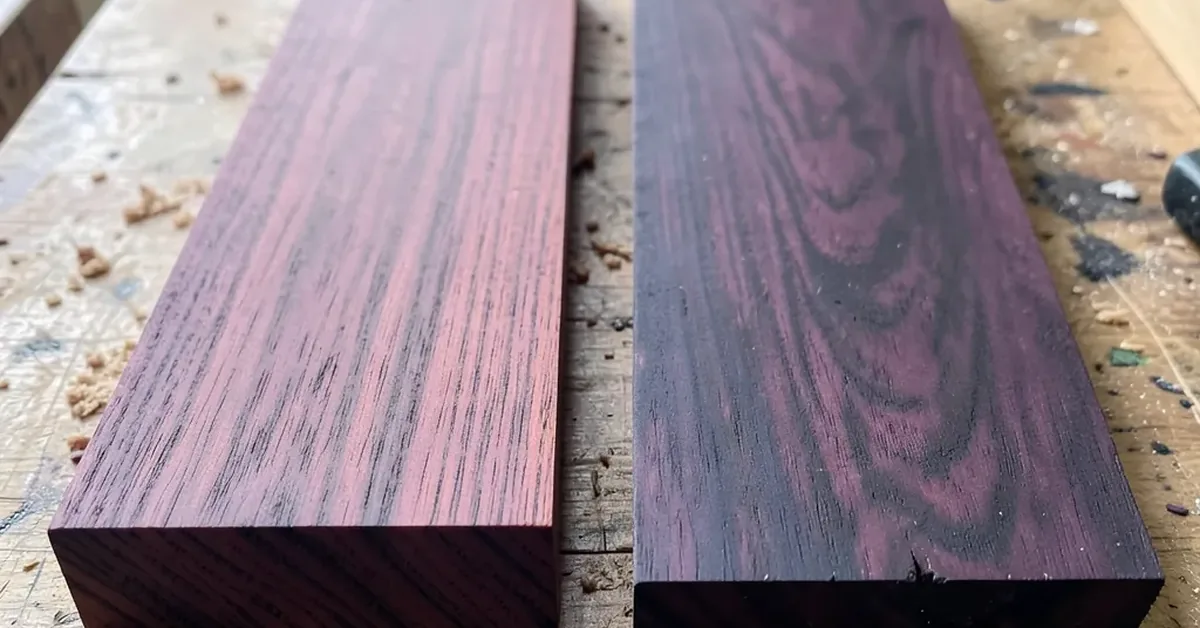
Purple heart wood (Peltogyne) starts light brown when freshly cut and darkens to purple within days of exposure to air and UV light – but that same UV exposure eventually turns it brown again if the wood is left unfinished or unprotected.
Getting purple heart more purple is really two separate jobs: encouraging the initial color change on fresh wood, and then protecting that color once you have it. Skip the second step and years of ongoing sun exposure will slowly photo-oxidize the purple back toward brown. This guide covers both – deepening the color safely, choosing a finish that holds it, and restoring wood that has already faded.
Sunlight Deepens Purple Heart, But Too Much Fades It
Best Pick for Restoring Faded Purple Heart
 |
3M Pro Grade Precision Sanding Sheets, 220/320/400 – $16.99 Purple heart that has already faded to brown isn’t ruined – sanding off the thin oxidized surface layer at these three grits exposes fresh purple wood underneath, ready for a fresh UV-inhibiting finish.
|
As an Amazon Associate we earn from qualifying purchases.
Purple heart’s color comes from pigments in the heartwood that react to oxidation and UV light. A brief period of UV exposure – typically a few days near a bright window or under indirect sun – is what turns freshly cut brown wood purple in the first place. Left in continuous direct sunlight for months or years, though, the same photo-oxidation process breaks the pigment down further and the color drifts toward brown, the same way padauk and other UV-reactive woods fade.
The practical takeaway: expose fresh-cut wood to indirect light for a few days to develop the purple, then get a UV-inhibiting finish on it before it sees extended direct sun. Don’t leave a finished piece in a sunny window indefinitely expecting it to stay purple – that’s the exposure that eventually fades it.
The Science Behind Purple Heart Wood
Purple Heart wood is famous for its rich, vibrant color. This unique hue captivates woodworkers and furniture makers alike. Understanding its properties helps enhance its beauty.
Peltogyne Genus: The Purple Heart Tree
The Purple Heart tree belongs to the Peltogyne genus. This tree grows in tropical regions of South America.
- Habitat: Mostly found in Brazil and surrounding countries.
- Height: Can reach up to 150 feet.
- Diameter: Trunks can be over 3 feet wide.
- Wood Type: Dense and durable.
The wood is prized for its strength and resilience. It is also resistant to decay and insects.
Color Transformation In Purple Heart Wood
Freshly cut Purple Heart wood appears a light brown or yellowish color. Over time, exposure to light darkens the wood to a deep purple shade.
- Initial Color: Light brown or yellowish when freshly milled.
- First Few Days: Darkens toward purple with air and light exposure.
- Ongoing Exposure: Purple deepens further, then plateaus.
- Years of Unprotected Sun: Continued UV exposure eventually photo-oxidizes the pigment back toward brown – this is the fade a UV-inhibiting finish is meant to prevent.
The color change happens because UV light and oxidation both act on pigments in the wood’s heartwood. The same reaction that creates the purple color is what eventually breaks it back down without protection.
| Stage | Color |
|---|---|
| Freshly Cut | Light Brown/Yellowish |
| First Few Days | Purple Developing |
| Weeks, With Finish Applied | Deep Purple, Stable |
| Years, Unprotected | Fades Back Toward Brown |
Understanding this transformation is what makes a UV-inhibiting finish (covered below) worth the extra step, not just a nice-to-have.
Initial Preparation For Enhanced Color
Preparing purple heart wood properly enhances its natural color. This preparation ensures a deeper, richer hue. Two key steps are vital: selecting the right wood and proper sanding techniques.
Selecting The Right Wood
Choosing the best purple heart wood is crucial. Look for these characteristics:
- Rich Color: Darker wood has more vibrant tones.
- Grain Pattern: A consistent pattern enhances the overall appearance.
- Moisture Content: Lower moisture content prevents warping.
Consider these types of purple heart wood:
| Type | Color Intensity |
|---|---|
| Premium | Very Dark Purple |
| Standard | Medium Purple |
| Inferior | Light Purple or Brown |
Proper Sanding Techniques
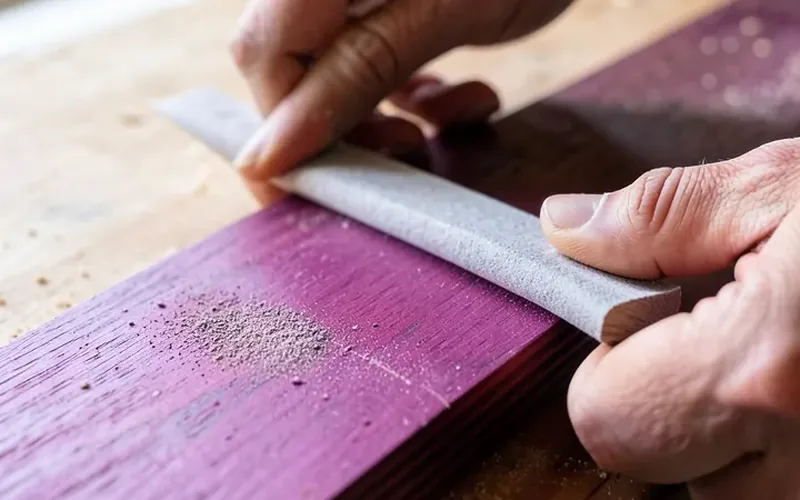
Sanding purple heart wood correctly prepares the surface for finishing. Follow these steps:
- Start with Coarse Grit: Use 80-grit sandpaper to remove imperfections.
- Progress to Finer Grit: Move to 120-grit, then 220-grit for a smooth finish.
- Sand in the Grain Direction: Avoid circular motions to reduce scratches.
- Clean the Surface: Use a damp cloth to remove dust after sanding.
Proper sanding reveals the wood’s vibrant color. It prepares the surface for any finish, enhancing the purple tones.
Controlled Light Exposure: Developing the Color on Fresh Wood
For freshly milled purple heart that’s still brown, controlled light exposure is what brings out the purple – not heat, not chemicals. This works because UV light and ambient oxidation both trigger the same pigment reaction in the wood’s Peltogyne heartwood.
How Light Triggers the Color
A few points worth knowing before you start:
- Indirect light works: a bright room or shaded outdoor spot is enough – you don’t need direct sun.
- It’s a surface reaction: only the exposed face darkens; end grain and covered areas stay lighter until exposed.
- It doesn’t need to be fast: a few days of exposure is normal before you’ll see a clear shift.
How Long to Expose It
There’s no need to guess – check the wood daily instead of exposing it for a fixed number of hours:
| Exposure | What You’ll See |
|---|---|
| First 1-2 days, indirect light | Color starting to shift from brown toward violet |
| 3-7 days, indirect light | Fuller purple developing |
| Weeks to months, continuous direct sun, unfinished | Color plateaus, then begins fading back toward brown |
Once the color looks the way you want it, stop exposing it and move on to finishing – that’s what locks the color in instead of letting it keep drifting.
Why Heat Isn’t a Real Color-Enhancement Method
Unlike UV/light exposure, there’s no reliable, verified technique for using an oven or heat gun to deepen purple heart’s color – and putting a heat gun or oven anywhere near solid wood at 200°F+ risks scorching, checking (cracking), or drying the wood unevenly, none of which affects the pigment in a useful way. If a source tells you to bake or heat-gun purple heart for color, skip it – light exposure and finish choice are the two things that actually work, both covered in this guide.
The One Finish Choice That Actually Preserves the Color
Once purple heart reaches the shade you want, the finish you choose determines whether it stays that way. A UV-inhibiting, water-based finish is the closest thing to a real “chemical treatment” for holding the purple – it works by blocking the UV wavelengths that would otherwise keep photo-oxidizing the pigment toward brown.
Water-Based vs. Oil-Based: Why It Matters Here
This choice matters more on purple heart than on most other woods:
- Water-based finishes dry clear and hold the purple tone closest to what you see on the raw wood.
- Oil-based finishes amber with age, which pulls the color toward brown faster than the wood would fade on its own.
- Look for “UV inhibiting” or “UV blocking” on the label – spar-rated finishes made for exterior use typically include this.
Apply the finish as soon as possible after final sanding, while the color is at its best – don’t let a freshly-colored piece sit unfinished in a sunny spot for weeks first.
Finishing Techniques For Vibrancy
To make your Purple Heart wood more vibrant, focus on finishing techniques. The right finish enhances color and protects the wood. Here are key methods to achieve a stunning look.
Choosing The Right Finish
Selecting the right finish is crucial for vibrancy. Various finishes can change the appearance of Purple Heart wood. Here are some popular options:
| Finish Type | Characteristics |
|---|---|
| Oil Finishes | Enhances grain and adds depth, but ambers over time and can pull the purple toward brown faster. |
| Varnish | Offers a hard protective layer. |
| Lacquer | Dries fast and adds a glossy finish. |
| Shellac | Gives a warm tone and rich color. |
Choose a finish based on desired look and protection.
Application Tips For Even Coats
Applying finish evenly is essential for a beautiful result. Follow these tips for best results:
- Prepare the Surface: Sand the wood smoothly.
- Use Quality Brushes: Select brushes that suit your finish.
- Work in Sections: Apply finish to small areas.
- Thin Coats: Apply several thin coats instead of one thick coat.
- Allow Drying Time: Follow the manufacturer’s drying times.
These steps ensure an even and vibrant finish on your Purple Heart wood. Enjoy the rich color and beautiful grain!
Maintenance Tips To Preserve Purple Hue
A finished purple heart piece still needs some care to keep its color long-term. For a deeper maintenance routine covering years of use, see our full guide to keeping purple heart wood purple – the short version is below.
Everyday Care
Keep the finish intact and the wood out of direct, prolonged sun:
- Dust with a soft, dry or slightly damp cloth – avoid harsh cleaners that can dull the finish.
- Keep finished pieces out of a south-facing window in direct sun for years on end.
- Recoat with the same finish every few years on pieces that see regular handling or light.
If It’s Already Faded
Purple heart that has browned isn’t permanently ruined:
- Sand off the thin oxidized surface layer at 220-320 grit to expose fresh purple wood underneath.
- Wipe away dust and apply a UV-inhibiting, water-based finish immediately – don’t let it sit exposed again.
Common Mistakes To Avoid
Improving the color of your purple heart wood can be tricky. Avoid these common mistakes to achieve the best results.
Improper Sanding And Finishing
Sanding and finishing are crucial steps. Mistakes here can ruin the wood’s color.
- Skipping Grit Levels: Always use multiple sandpaper grits. Start with coarse and finish with fine.
- Sanding Against the Grain: Sand with the grain. This keeps the surface smooth and enhances color.
- Skipping Sealer: A sealer protects the wood. It helps retain the purple hue.
Excessive Heat And Chemical Use
Heat and chemicals can damage purple heart wood. Use them cautiously.
- High Temperatures: Avoid using heat guns. They can change the wood’s natural color.
- Strong Chemicals: Use mild cleaners. Harsh chemicals can strip the color.
- Overexposure to Sunlight: Protect wood from direct sunlight. Sunlight can fade the vibrant color.
| Mistake | Effect | Solution |
|---|---|---|
| Improper Sanding | Rough surface | Use proper grit levels |
| Excessive Heat | Color change | Avoid heat guns |
| Strong Chemicals | Color stripping | Use mild cleaners |
Creative Projects Featuring Purple Heart
Purple Heart wood is a stunning choice for various projects. Its rich color and unique grain make it a favorite among crafters and designers. Explore how to showcase this beautiful wood in creative ways.
Inspirational Project Ideas
- Furniture: Create tables or chairs that highlight the wood’s beauty.
- Decorative Items: Make bowls, vases, or picture frames.
- Jewelry: Design unique pendants or earrings from Purple Heart.
- Art Pieces: Carve sculptures or wall art that captures attention.
- Musical Instruments: Build guitars or ukuleles for a rich sound.
Showcasing Purple Heart In Design
Incorporating Purple Heart into design adds elegance. Here are some tips:
| Project Type | Design Tip |
|---|---|
| Furniture | Use contrasting colors to enhance the purple tones. |
| Decorative Items | Pair with light-colored materials for a striking effect. |
| Jewelry | Combine with metals for a modern look. |
| Art Pieces | Mix with other woods for a unique texture. |
| Musical Instruments | Highlight the wood grain in the finish. |
With these ideas, you can create stunning projects. Purple Heart wood will shine in any design. Let your creativity flow!
Frequently Asked Questions
Does Purple Heart Wood Really Turn Purple?
Yes. Freshly cut purple heart (Peltogyne) starts light brown or yellowish and darkens to purple within days of exposure to air and UV light. The color comes from pigments in the heartwood itself, not a stain or dye.
Why Did My Purple Heart Wood Turn Brown?
Continued UV exposure eventually photo-oxidizes the same pigments that create the purple color, breaking them down and shifting the wood toward brown over months or years. This is more likely on pieces left unfinished or in direct sunlight without a UV-inhibiting topcoat.
What Finish Keeps Purple Heart Wood Purple?
A water-based finish with UV inhibitors holds the color best. Oil-based finishes amber with age and can pull the color toward brown faster than the wood would fade on its own. Apply the finish soon after final sanding, while the color is at its best.
Can You Restore Purple Heart Wood That Has Faded?
Yes. Sand off the thin oxidized surface layer at 220-320 grit to expose fresh purple wood underneath, then apply a UV-inhibiting, water-based finish right away so it doesn’t fade again before you finish it.
Is Purple Heart Wood Toxic to Work With?
Purple heart is a known sensitizer – it can cause skin or respiratory irritation in some woodworkers, especially with repeated sawdust exposure. Wear a dust mask and eye protection when cutting or sanding it. See our full breakdown on purple heart wood toxicity for details.
Do You Need Special Tools to Work Purple Heart?
No special tools are required, but purple heart is dense and can dull blades faster than softer woods. Use sharp carbide-tipped blades and take lighter cuts to avoid burning the wood, which can leave dark marks that are hard to sand out.
Conclusion
Getting purple heart wood more purple comes down to two things: a few days of indirect light exposure on fresh wood, and a UV-inhibiting, water-based finish to lock that color in before ongoing sun exposure fades it back toward brown. If a piece has already faded, sanding off the oxidized surface layer and refinishing brings the purple right back.
Sponsored / affiliate links. As an Amazon Associate I earn from qualifying purchases. I may earn additional commission from eligible campaigns.