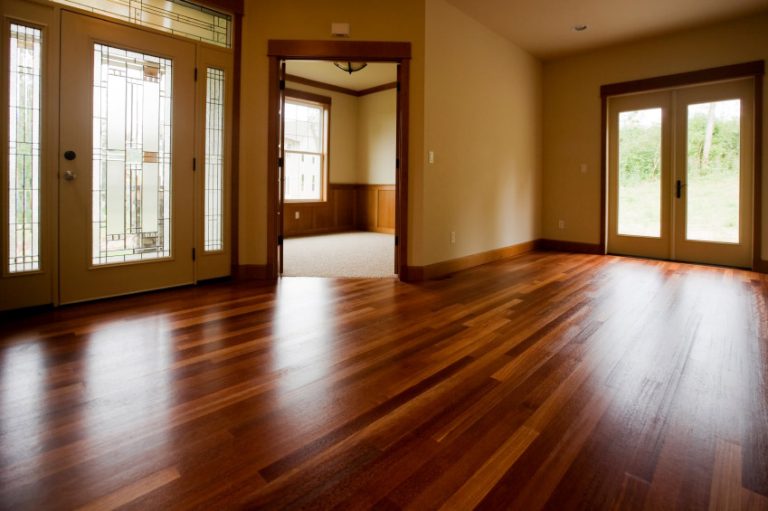
How to Match Wall Color With Wood Floor: Expert Tips
To match wall color with wood floor, consider contrasting light and dark shades for balance. Light walls complement dark floors, while dark walls enhance light floors, creating visual harmony.
Achieving a cohesive look between wall color and wood floor is essential for creating a visually appealing and balanced space. When selecting wall colors, it’s crucial to consider the undertones of the wood floor to ensure a complementary pairing. By following these guidelines, you can create a harmonious and aesthetically pleasing combination of wall color and wood floor that enhances the overall ambiance of your space.
Whether you prefer a classic, contemporary, or eclectic style, the right wall color can elevate the beauty of your wood floor, creating a cohesive and inviting environment.
Introduction To Color Coordination
When it comes to interior design, one of the most crucial elements is the coordination of wall color with wood floors. Achieving a harmonious blend between these two components can significantly impact the overall aesthetic and ambiance of a space. In this article, we will delve into the art of color coordination, exploring the importance of harmony and how to set the tone for your living area or any other space in your home.
The Importance Of Harmony
Harmony in interior design refers to the seamless integration of various elements to create a visually pleasing and cohesive environment. When it comes to matching wall color with wood floors, achieving harmony is essential to ensure that the space feels balanced and well put together. A harmonious color scheme can evoke a sense of tranquility and elegance, enhancing the overall appeal of the room.
Setting The Tone For Your Space
The color scheme you choose for your walls and floors sets the tone for the entire space. Whether you aim to create a warm and inviting atmosphere or a modern and minimalist look, the coordination of wall color with wood floors plays a pivotal role. By carefully selecting complementary or contrasting hues, you can establish the desired ambiance and style for your room.
Identifying Wood Floor Undertones
Matching wall color with wood floor undertones can be a tricky task. To achieve a cohesive look, consider the undertones of your wood floor. For dark hardwood floors, opt for crisp whites and lighter neutrals. Light wood floors pair well with cooler whites and soft grays.
Medium wood floors can be complemented with dusty greens, cool blues, or neutral wall colors. Experiment with different combinations to find the perfect match for your space.
Matching wall colors with wood floors is an essential aspect of interior design. One crucial factor in achieving an aesthetically pleasing result is understanding the undertones of your wood floors. Undertones are the subtle hues present in wood that affect the overall look of your floor. It can be challenging to identify these undertones, but recognizing them is crucial in selecting complementary wall colors. Here are two critical undertones to recognize:
Recognizing Warm and Cool Tones:
Warm and cool tones are the most common undertones present in wood floors. Warm-toned wood has a reddish or yellowish hue, while cool-toned wood has a bluish or grayish hue. You can identify the undertone of your wood floor by looking at the dominant color present in it. Once you identify the undertone, you can select a wall color with the same undertone to create a cohesive look.
The Effect of Light on Wood:
Another factor that affects the look of your wood floor is lighting. Natural light and artificial light can alter the appearance of your wood floor, making it essential to consider the lighting in your room before selecting a wall color. For instance, if your room has plenty of natural light, your wood floor may appear warmer, making it necessary to choose a wall color with cool undertones to balance the look.
In conclusion, identifying the undertones of your wood floor is essential in matching it with the right wall color. Recognizing warm and cool tones and understanding the effect of light on wood can help you select the perfect wall color for your wood floor. By following these tips, you can achieve a well-coordinated and aesthetically pleasing interior design.
Selecting Wall Colors For Dark Wood Floors
Matching wall color with dark wood floors can be a daunting task, but some popular combinations include crisp whites and light neutrals for dark hardwood floors, cooler whites and soft grays for light wood floors, and dusty greens or cool blues for medium wood floors.
Neutral colors like white, off-white, or light gray are always a safe bet for wall colors. It’s essential to choose a color that complements your floor’s undertones and enhances the natural beauty of your space.
Contrasting With Light Hues
When it comes to selecting wall colors for dark wood floors, one option to consider is contrasting with light hues. By choosing light-colored walls, you can create a striking contrast that enhances the beauty of your flooring. Light hues such as crisp whites and lighter neutral shades like gray can create a clean and modern look in your space. These colors not only provide a sharp contrast to the dark wood floors but also help to brighten up the room, making it feel more spacious and airy.
Complementing With Darker Shades
Another approach to matching wall colors with dark wood floors is to complement them with darker shades. While contrasting colors create a bold statement, complementing colors can create a harmonious and sophisticated look. Darker shades like deep blues, rich greens, or earthy neutrals can complement the warmth and richness of the wood flooring. These colors create a sense of depth and coziness in the space, adding a touch of elegance and depth to your interior design.
When selecting wall colors to complement dark wood floors, it’s important to consider the undertones of both the flooring and the paint. Matching cool-toned floors with warmer paint colors, and vice versa, can create a balanced and cohesive look. For instance, if your dark wood floors have cool undertones, opt for warmer paint colors like off-white or creamy beige. On the other hand, if your dark wood floors have warm undertones, cooler wall hues such as light grays or soft blues can create a pleasing contrast.
In conclusion, selecting the right wall colors for dark wood floors can greatly impact the overall look and feel of your space. Whether you choose to contrast with light hues or complement with darker shades, it’s important to consider the undertones and create a harmonious balance. By taking these factors into account, you can achieve a beautiful and cohesive design that showcases the beauty of your wood flooring.
Choosing Wall Colors For Light Wood Floors
Choosing the right wall color for light wood floors can enhance the overall look of a room. Opt for cooler whites, neutral off-whites, or soft grays to complement light wood floors. Consider the natural undertones of the wood and select a wall color that contrasts or complements those tones for a harmonious and balanced space.
When it comes to choosing the right wall colors for light wood floors, there are a few key considerations to keep in mind. The goal is to create a harmonious and visually appealing space by selecting wall colors that complement the natural tones of the wood. In this article, we will explore two important aspects to consider when choosing wall colors for light wood floors: keeping it airy and bright, and playing with color temperatures.
Keeping It Airy And Bright
Light wood floors have a natural ability to brighten up a space and make it feel more open. To enhance this airy and bright feel, opt for wall colors that are light and neutral. Shades of white, off-white, and light gray are excellent choices as they provide a clean and fresh backdrop for the wood flooring. These neutral colors also allow the natural beauty of the wood to shine through and become the focal point of the room.
Moreover, light wall colors help to reflect natural light, making the space feel even more spacious and inviting. This is especially beneficial in smaller rooms or areas with limited natural light. By keeping the walls light and bright, you can create an illusion of a larger and more open space.
Playing With Color Temperatures
Another way to match wall colors with light wood floors is by playing with color temperatures. Color temperatures refer to the warmth or coolness of a color. Light wood floors typically have warm undertones, so it’s important to choose wall colors that complement these warm tones.
For a cohesive and harmonious look, consider using wall colors with warm undertones such as soft yellows, creamy beiges, or earthy taupes. These colors will enhance the warmth of the wood floors and create a cozy and inviting atmosphere in the room.
Alternatively, you can create a contrast by opting for wall colors with cool undertones. This creates a visually striking and modern look, as the coolness of the walls juxtaposes with the warmth of the wood floors. Cool blues and greens can add a refreshing touch, while grays with cool undertones can create a sophisticated and contemporary feel.
Remember, the key is to strike a balance between the warmth of the wood floors and the wall colors. Experiment with different shades and undertones to find the perfect combination that complements your light wood floors and brings out the desired aesthetic in your space.
Working With Medium Wood Floors
Match medium wood floors with wall colors like dusty green, cool blues, or neutral shades for a balanced look. These colors complement the warmth of the wood while creating a calming and inviting atmosphere in the room. Avoid overwhelming the space by choosing soft and subtle hues that harmonize with the natural beauty of the wood flooring.
Medium wood floors are a popular choice for homeowners due to their versatility and ability to match with different wall colors. When it comes to choosing the right wall color to complement your medium wood floors, there are a few things to keep in mind.
Neutral Territory
Neutral colors are a safe and classic choice for any home decor, and they work particularly well with medium wood floors. Neutral colors like beige, ivory, or light gray can create a warm and inviting atmosphere in your space. These colors also provide a perfect backdrop to showcase your furniture and artwork.
If you prefer a more modern and minimalist look, consider using shades of white or off-white on your walls. These colors can create a sleek and elegant look that complements your medium wood floors perfectly.
Bold and Beautiful Accents
If you want to add some character and personality to your space, consider using bold and beautiful accent colors on your walls. Colors like dusty green, cool blues, or even shades of red can make a statement and create a unique look in your room.
When using bold accent colors, it’s important to balance them with neutral or lighter shades. For example, you can paint one wall in a bold color and the rest in a neutral shade to create a focal point in your room. This technique can also add depth and dimension to your space.
In conclusion, matching wall colors with medium wood floors can be a fun and creative process. Whether you prefer neutral or bold colors, the key is to choose a color that complements your floor and enhances the overall look of your space. With these tips, you can create a beautiful and harmonious home decor that you’ll love for years to come.
The Role Of Paint Finishes
Matte Vs. Glossy Finishes
Matte finishes have a non-reflective surface, ideal for hiding imperfections. Glossy finishes reflect light, making colors appear more vibrant.
Choosing The Right Sheen
Consider the room’s natural light when choosing sheen. High gloss for high-traffic areas, matte for cozy spaces.
Beyond Paint: Adding Textiles And Decor
When it comes to harmonizing wall color with wood floors, beyond paint, textiles and decor play a crucial role in tying the whole look together seamlessly.
Rugs And Curtains
Rugs and curtains can add a pop of color or texture that complements both the wall color and wood floors. Opt for rugs that pick up hues from the wood floor for cohesion.
For curtains, choose a color that either blends with the walls for a cohesive look or contrasts for a bold statement. Consider textures like linen for a soft, natural feel.
Furniture And Wall Art
Furniture acts as a bridge between the wall and floor. Choose pieces that complement the wood tone while adding visual interest. Incorporate accent chairs or throw pillows in coordinating colors.
When it comes to wall art, select pieces that enhance the overall color scheme. Consider metallic accents for a modern touch or framed prints that pick up colors from the room.
Expert Tips And Tricks
When it comes to matching wall color with wood floors, there are a few expert tips and tricks to follow. Start by considering the undertones of your wood floors and choose a wall color that complements them. Opt for neutral shades like white, off-white, or light gray to create a cohesive and visually appealing look.
Avoid using overly dark or contrasting colors as they may overpower the natural beauty of the wood.
Testing Paint Samples
Before deciding on a wall color, test paint samples on a small section to see how they look in different lighting.
Considering Natural Light
Natural light can affect how colors appear, so take into account the amount of light your room receives.
Consulting Color Wheels
Color wheels can help you choose complementary or contrasting colors for a harmonious look.
Common Misconceptions Debunked
Matching wall color with wood floors is often misunderstood. Contrary to popular belief, dark wood floors can be complemented with lighter wall colors to create contrast, while light wood floors can be paired with cooler whites and soft grays to enhance their natural undertones.
It’s all about finding the right balance and harmony to create a visually pleasing space.
Myths About Dark And Light Schemes
Contrary to popular belief, dark floors don’t always require light walls. Similarly, light floors can be paired with dark walls for a striking contrast.
Understanding Color Balance
It’s a misconception that your wall color must perfectly match your wood floor. In reality, a balanced color scheme can involve complementary or contrasting shades.
Maintaining Balance And Flow
Achieving a harmonious balance between wall color and wood floor is essential for creating a cohesive and inviting space. Opt for lighter neutral shades like gray or off-white to complement dark hardwood floors, or choose cooler white tones to enhance the natural undertones of light wood floors.
Experimenting with dusty greens, cool blues, or neutral colors can beautifully complement medium wood floors, adding warmth and depth to the room.
Transitions Between Rooms
When matching wall color with wood floor, it’s important to consider transitions between rooms. If your home has an open floor plan, you’ll want to choose colors that create a seamless flow from one room to the next. One way to achieve this is by using a consistent color palette throughout the space. For example, if you have hardwood floors in the living room and tile floors in the kitchen, choose a wall color that complements both. This will create a cohesive look and tie the different spaces together.
Consistency In Flooring And Walls
Another important factor to consider when matching wall color with wood floor is consistency. Ideally, you want your flooring and walls to have a similar level of visual weight. If your floors are dark, consider choosing a lighter wall color to balance it out. On the other hand, if your floors are light, you can choose a darker wall color to add depth and richness to the space.
It’s also important to consider the undertones of both your flooring and wall color. If your floors have warm undertones, choose a wall color with similar warm tones to create a harmonious look. If your floors have cool undertones, choose a wall color with cool tones to complement them.
The key to successfully matching wall color with wood floor is maintaining balance and flow in your space. This means choosing colors that work well together and create a cohesive look. One way to achieve this is by using a color wheel to choose complementary colors. For example, if your floors have red undertones, choose a wall color with green undertones to balance it out.
Another way to maintain balance and flow is by using accent colors to tie the space together. For example, if you have dark wood floors and light walls, consider adding accent pillows or curtains in a similar shade to the floors to create a cohesive look.
Real-life Examples
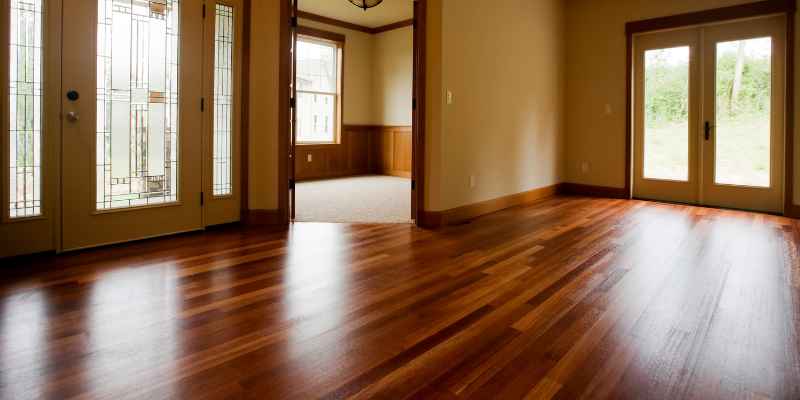
When it comes to matching wall color with wood floors, there are several real-life examples to consider. Some popular combinations include dark hardwood floors with crisp whites and lighter neutral shades, light wood floors with cooler whites and soft grays, and medium wood floors with dusty green, cool blues, or neutral wall colors.
It’s important to choose a color scheme that complements both the warmth and undertones of the wood flooring.
Matching wall color with wood floor can greatly enhance the overall aesthetic of your space. To give you some inspiration, let’s take a look at a few real-life examples of successful wall and wood floor combinations.
Case Studies
In this case study, we will explore the transformative power of matching wall color with wood floor. We will examine a room with mismatched colors and how a simple change in wall color can create a harmonious and cohesive look. Before, the room had dark wood floors and walls painted in a deep red shade, creating a heavy and overwhelming atmosphere. However, after repainting the walls in a light beige color, the room instantly felt brighter and more spacious. The warm undertones of the beige perfectly complemented the wood floor, creating a balanced and inviting space.
In this case study, we will focus on creating contrast between the wall color and wood floor. Before, the room had light wood floors and walls painted in a similar shade, resulting in a monotonous and dull appearance. To add visual interest, the walls were repainted in a rich navy blue color. The deep blue created a striking contrast against the light wood floor, highlighting the beauty of both elements. The room now exudes a sense of sophistication and elegance.
For this case study, we will explore how wall color can enhance the natural undertones of wood floors. Before, the room had medium-toned wood floors with warm red undertones. The walls were painted in a neutral beige color, which did not complement the warmth of the floor. By repainting the walls in a soft peach shade, the warm undertones of the floor were accentuated, creating a cozy and inviting atmosphere. The combination of the peach walls and wood floor brought a sense of warmth and harmony to the room.
These real-life examples demonstrate the importance of carefully selecting the right wall color to match your wood floor. Whether you aim to create a harmonious look, add contrast, or enhance natural undertones, the right wall color can transform your space. Take inspiration from these case studies and experiment with different combinations to find the perfect match for your home.
Frequently Asked Questions
How Do You Match Wood Floor With Wall Color?
To match wood floor with wall color, consider lighter walls for dark wood floors and darker walls for light wood floors. Use neutral shades like white, beige, or gray for a classic look. For floors with cool tones, opt for warmer wall colors, and for warmer toned floors, choose cooler wall hues.
What Color Walls Go With A Wooden Floor?
For wooden floors, consider classic white, pleasing beige, or soft greys to contrast. Pastels can soften the look. Opt for a neutral wall color like white, off-white, or light gray for a harmonious match. Avoid making floors darker than walls for a balanced feel.
Should Flooring Be Lighter Or Darker Than Walls?
Flooring doesn’t necessarily have to be lighter or darker than walls. However, a darker floor can visually anchor the space and prevent light-colored furniture from appearing to float. It’s best to choose neutral wall colors like white, off-white, or light gray to match with any type of flooring.
What Color Walls Based On Floor Color?
To match wall color with a wooden floor, consider the undertone of the floor. For cool-toned floors, choose warmer paint colors like Pure White by Sherwin-Williams. For warmer-toned floors, opt for cooler wall hues on the color wheel. Neutral colors like white, off-white, or light gray also work well.
Avoid starting sentences with “When it comes to” or similar phrases.
Conclusion
Matching wall color with wood floor can greatly enhance the overall aesthetic of a room. The key is to choose colors that complement the undertones of the flooring. Neutral colors like white, off-white, and light gray are safe choices that create a cohesive look.
Alternatively, warm and bold colors can add personality and vibrancy to the space. Remember to consider the overall style and ambiance you want to achieve when selecting the perfect color combination.