Best Cleaner for Wood Floors: pH-Neutral Picks for 2026
The best cleaner for wood floors is a pH-neutral, wood-specific formula like Bona Hardwood Floor Cleaner – not an all-purpose spray and never straight vinegar. Hardwood finishes are sensitive to acidity, and a cleaner that’s safe on tile or laminate can slowly dull or etch a polyurethane topcoat with repeated use. Below is the pick, why pH matters more than brand name, and the real tradeoffs between refill-style spray mops and cheaper concentrate cleaners.
Quick Answer: Best Cleaner for Wood Floors
Best pH-Neutral Pick
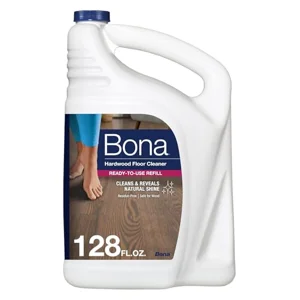 |
Bona Hardwood Floor Cleaner Refill – 128 fl oz – $19.98 A pH-neutral, residue-free formula built for polyurethane-finished wood – the two things vinegar and generic all-purpose cleaners tend to get wrong.
|
Why a Wood-Specific Cleaner Matters (Not Just Any Floor Cleaner)
Most floor cleaners are formulated for tile, vinyl, or stone – hard, non-porous surfaces that don’t react to moisture or chemistry the way wood does. A hardwood floor’s protective layer is a thin film of polyurethane, urethane, or polyacrylic sitting on top of the actual wood. That film can be softened by standing water, worn down by abrasive ingredients, or etched by anything too acidic or too alkaline. Once the topcoat is compromised, the bare wood underneath is exposed to staining and swelling. A cleaner labeled “multi-surface” was never tested against that specific finish, which is why a product built and marketed specifically for hardwood is worth the extra few dollars over a generic spray.
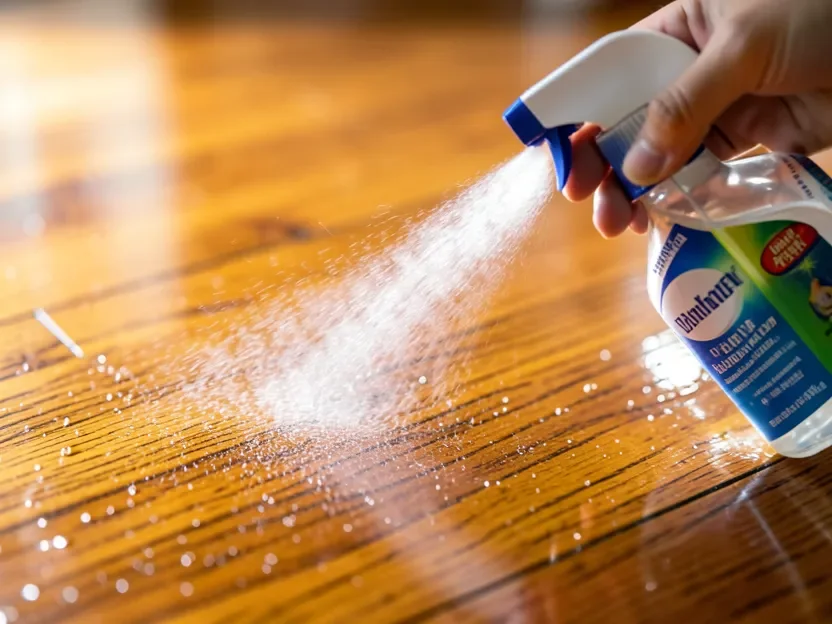
pH-Neutral Cleaners vs. Vinegar and All-Purpose Cleaners
This is the distinction that actually matters when picking a cleaner, more than brand or scent. A pH-neutral cleaner sits close to pH 7, which means it lifts dirt and light grime without reacting with the finish at all. Vinegar, by contrast, is acidic – plain white vinegar sits around pH 2.5 – and repeated exposure to something that acidic can slowly dull a polyurethane finish, leave a slightly hazy or streaky look, and in some cases void a flooring manufacturer’s finish warranty. A single vinegar-water mopping usually won’t do visible damage; the problem is cumulative, showing up after months of weekly use as a floor that looks perpetually cloudy no matter how much you clean it.
Generic all-purpose cleaners have a different problem: many are formulated to leave a scented residue or a slight film behind, which is fine on a countertop but shows up as streaking or a sticky-underfoot feel on a glossy wood finish. A cleaner built specifically for hardwood, like Bona’s formula above or comparable options from Zep and Bruce, is engineered to flash-dry without leaving that film. If a label doesn’t say “pH-neutral” or “safe for hardwood/polyurethane finishes” specifically, treat it as a generic cleaner and don’t use it on wood floors as a daily habit, even if it’s marketed as “multi-surface safe.”
Spray-Mop Refill Systems vs. Concentrate You Dilute Yourself
Once you’ve narrowed things down to pH-neutral, wood-specific cleaners, there’s a second real decision most buying guides skip: ready-to-use spray-mop refills versus concentrated cleaners you dilute in a bucket. Bona’s system above is the most common example of the first type – it’s a pre-mixed, ready-to-spray formula sold in refill jugs meant to top off a reusable spray mop or spray bottle. You get consistent dilution every time, no measuring, and no risk of using too strong a mix. The tradeoff is cost per use: you’re paying for water that’s already been mixed in for you, so it runs more expensive over a year of regular cleaning than a concentrate.
Concentrate cleaners, which you dilute yourself with water in a bucket or spray bottle, cost less per cleaning and give you more control over how strong the solution is for a heavily soiled area versus routine maintenance. The downside is user error – too little water and you risk streaking or residue, too much and the cleaner won’t cut through grime effectively. If you clean once a week and want zero guesswork, a refill system is worth the premium. If you’re cleaning a large square footage often, or you’re comfortable measuring a capful into a bucket, a concentrate will save real money over time without sacrificing the pH-neutral safety profile, as long as you’re diluting a product that’s actually labeled for hardwood.
Other Well-Reviewed Wood Floor Cleaners
Bona isn’t the only pH-neutral option worth knowing, even though it’s the pick above. Here’s an honest rundown of a few other names that come up often, including where they actually fit and where they don’t:
- Murphy Oil Soap: A longtime favorite that’s genuinely gentle and biodegradable, but its original formula is oil-based and can leave a slight film on a polyurethane finish if overused or under-diluted – fine occasionally, not ideal as a daily go-to on a glossy modern finish.
- Zep Hardwood & Laminate Floor Cleaner: A pH-balanced, no-rinse formula similar in category to Bona, widely available at hardware stores, and a reasonable budget-friendly alternative if you want a second brand to compare against.
- Bruce Hardwood and Laminate Floor Cleaner: Another wood-flooring-brand-specific option, pH-neutral and no-rinse, often recommended by flooring installers for floors still under warranty.
Notably absent from that list on purpose: dish soap and general “surface cleaner” sprays not labeled for hardwood. They show up constantly in cleaning roundups because they’re cheap and already in most kitchens, but neither is formulated for a polyurethane finish, and both carry a real residue-buildup risk with repeated use – more on that in the FAQ below.
How to Use a Wood Floor Cleaner Correctly
Having the right cleaner only helps if it’s applied correctly. Dry-mop or sweep first to clear grit that would otherwise get dragged across the finish and cause fine scratches. Spray the cleaner lightly and directly onto a microfiber mop pad rather than pooling it on the floor – a damp mop, not a wet one, is the goal. Work in the direction of the wood grain, and go back over any area where the cleaner is visibly sitting rather than absorbing into the mop pad. For the complete weekly routine, including how often to clean and the specific mistakes that cause the most damage, see our full guide to cleaning hardwood floors without ruining the finish.
Cleaners and Habits That Can Damage Your Finish
Beyond picking the right bottle, a few habits do more damage than any cleaner will fix. Steam mops push moisture into the seams between boards, which can cause warping or cupping over time – manufacturers of most engineered and solid hardwood explicitly warn against them. Ammonia-based cleaners and undiluted vinegar both fall into the same acidic/alkaline trap described above. Abrasive scrub pads or powders will physically scratch a finish that a soft microfiber pad would clean just as effectively. And letting any liquid, including plain water, sit on the floor rather than wiping it up promptly gives it time to work into the wood itself rather than just the surface finish.
Frequently Asked Questions
What is the best cleaner for wood floors?
The best cleaner for wood floors is a pH-neutral formula made specifically for hardwood, such as Bona Hardwood Floor Cleaner. It cleans effectively without leaving residue or reacting with a polyurethane finish, unlike vinegar or generic all-purpose sprays.
Can I use vinegar to clean wood floors?
It’s not recommended as a regular cleaner. Vinegar is acidic (around pH 2.5), and repeated use can dull or etch a polyurethane finish over time, leaving floors looking cloudy. A pH-neutral, wood-specific cleaner avoids this risk entirely.
Is Murphy’s Oil Soap good for hardwood floors?
It can be used occasionally and is gentle and biodegradable, but its oil-based formula can leave a slight film on a glossy polyurethane finish if used too often or mixed too strong. A pH-neutral, no-residue cleaner is a better everyday choice.
Can I use Dawn dish soap on wood floors?
It’s not recommended as a regular wood floor cleaner. Dish soap is formulated to cut grease, not to be rinse-free on a finished floor, and it commonly leaves a residue or slightly sticky film with repeated use. A cleaner labeled specifically for hardwood avoids that buildup.
What’s the difference between a spray-mop refill and a concentrate cleaner?
A spray-mop refill, like Bona’s system, is pre-mixed and ready to use with no measuring, but it costs more per cleaning. A concentrate cleaner you dilute yourself in a bucket costs less over time and gives you more control over strength, as long as it’s still a pH-neutral formula labeled safe for hardwood.
Conclusion
The best cleaner for wood floors comes down to one number most people never check: pH. A pH-neutral, wood-specific formula like Bona’s cleans effectively and dries without residue, while vinegar and generic all-purpose sprays carry a real, cumulative risk of dulling a polyurethane finish. Whether you go with a spray-mop refill for convenience or a concentrate to save money, the finish stays protected as long as the cleaner itself is actually formulated for hardwood.
Sponsored / affiliate links. As an Amazon Associate I earn from qualifying purchases. I may earn additional commission from eligible campaigns.