How to Plane Short Pieces of Wood: Quick & Easy Tips
To plane short pieces of wood, securely clamp the wood to a stable surface. Use a hand planer or electric planer, moving it evenly along the wood grain.
Planing wood is essential for achieving a smooth, even surface. This process removes imperfections and ensures your wood fits perfectly in projects. Short pieces of wood can be tricky, but with proper technique, you can achieve great results. Begin by selecting the right tool for your needs.
Hand planers provide precision, while electric planers save time. Always ensure your wood is securely clamped to prevent movement during planing. Mastering this skill enhances your woodworking projects and improves overall craftsmanship. Let’s explore the best methods to plane short pieces of wood effectively.
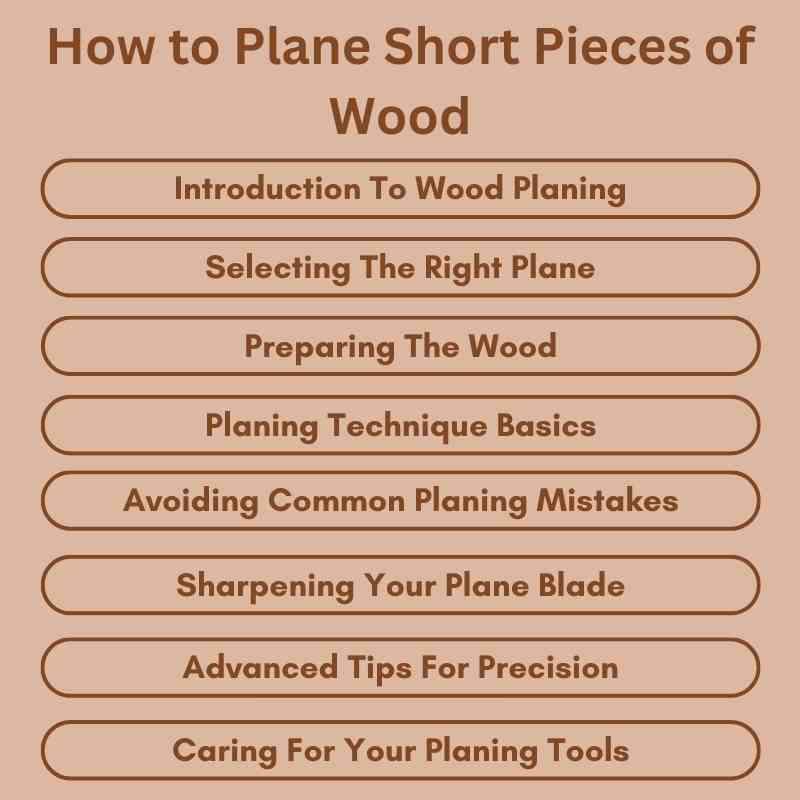
Introduction To Wood Planing
Wood planing is essential for creating smooth surfaces. This process removes rough spots and imperfections. Smooth wood surfaces look better and feel nice to touch.
Using a planer helps achieve a flat surface. It makes wood easier to work with. Properly planed wood fits together well in projects.
Planing also helps with wood finishes. A smooth surface allows paint and stain to apply evenly. This improves the overall appearance of the finished product.
Overall, wood planing is a key step in woodworking. It enhances both the functionality and beauty of the wood.
Selecting The Right Plane
Choosing the right plane is very important. There are different types of wood planes.
| Type of Plane | Description |
|---|---|
| Block Plane | Great for small projects and trimming edges. |
| Jack Plane | Useful for flattening and smoothing larger pieces. |
| Router Plane | Perfect for creating flat surfaces in grooves. |
Choose a plane based on the size of your wood. A block plane works well for short pieces.
Always select a plane that feels comfortable in your hands. This makes the work easier.
Preparing The Wood
Start by inspecting the wood for any damage. Look for cracks, splits, or knots. These can affect the planing process. Choose wood that is straight and free of defects.
Next, secure the wood pieces firmly. Use a vise or clamps to hold the wood in place. Ensure it does not move while you work. This will help achieve a smooth and even surface.
| Inspection Tips | Securing Methods |
|---|---|
| Check for cracks | Use a vise |
| Look for knots | Use clamps |
| Ensure straightness | Double-check stability |
Planing Technique Basics
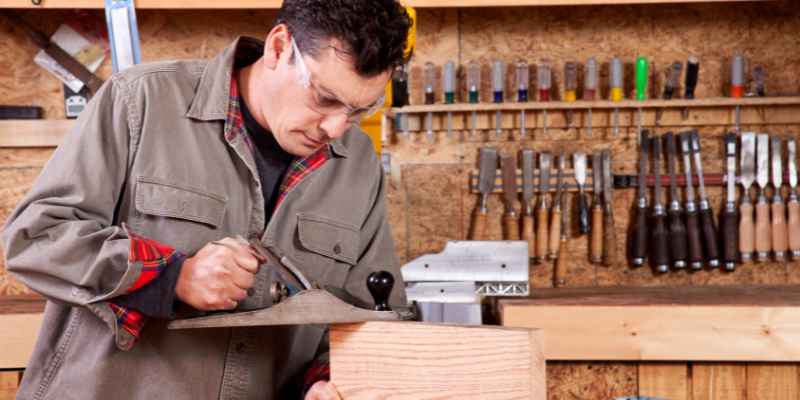
Proper grip and stance are vital for effective planing. Hold the plane firmly with both hands. Place one hand on the front knob and the other on the rear handle. Stand with your feet shoulder-width apart for better balance.
Keep your body relaxed and lean slightly forward. This helps apply even pressure on the wood. Use your legs to stabilize your stance while planing.
For the planing stroke, start at one end of the wood. Push the plane forward with steady pressure. Pull back gently to return the plane to the starting position. Repeat this stroke until the wood is smooth.
Avoiding Common Planing Mistakes
To avoid tear-out when planing wood, choose the right direction. Always plane with the grain, not against it. This helps keep the surface smooth.
Using a sharp blade is very important. A dull blade can cause more tear-out. Regularly check and sharpen your tools for best results.
Maintaining a consistent angle while planing is crucial. Hold the plane steady to ensure even cuts. This prevents uneven surfaces and makes your work easier.
Practice on scrap wood before working on your final piece. This will help you gain confidence and improve your technique.
Sharpening Your Plane Blade
Recognizing the signs of a dull blade is crucial. A dull blade will tear the wood instead of cutting it smoothly. You may also notice uneven shavings or an increase in effort while using the plane.
Follow this step-by-step sharpening process:
| Step | Description |
|---|---|
| 1 | Remove the blade from the plane carefully. |
| 2 | Inspect the blade for any visible damage. |
| 3 | Use a sharpening stone to grind the edge. |
| 4 | Check the angle to ensure it is correct. |
| 5 | Finish by honing the blade for a fine edge. |
Advanced Tips For Precision
Using a shooting board helps achieve smooth cuts. Place the wood on the board. Adjust the fence to guide the plane. This method gives control and accuracy.
To fine-tune for perfect thickness, take small shavings. Check the wood often with a caliper or ruler. Adjust the plane depth as needed. Repeat this process until the desired thickness is reached.
Remember to keep the plane sharp. A sharp blade makes smoother cuts. Regular maintenance keeps tools in top condition.
Caring For Your Planing Tools
Cleaning your planing tools is very important. Always remove wood shavings after use. Use a soft brush to get into small areas. A damp cloth can help clean the blade. Make sure the tool is dry before storing it.
Proper storage keeps your tools safe. Store planers in a dry place. Use a tool bag or box to protect them. Keep the blades covered to prevent rust. Avoid stacking heavy items on top of your tools.
Projects Ideal For Short Wood Planing
Small furniture pieces are perfect for short wood planing. Items like stools and side tables benefit from smooth surfaces. They fit well in cozy spaces.
Decorative woodworking projects also shine with planed wood. Picture frames and small shelves look neat and polished. Smooth wood enhances the overall design and appeal.
Using short pieces allows for creativity. Experiment with different shapes and sizes. Enjoy making unique items that showcase your skills.
Frequently Asked Questions
How Do You Plane Short Pieces Of Wood?
To plane short pieces of wood effectively, secure them firmly on your work surface. Use a hand plane or a power planer, ensuring consistent pressure and movement. Always start at one end and move towards the other, maintaining a steady pace for an even finish.
What Tools Are Best For Planing Wood?
The best tools for planing wood include hand planes and electric planers. Hand planes offer precision and control for small pieces. Electric planers are faster and more efficient for larger tasks. Choose based on your project size and desired finish quality.
Can I Use A Table Saw To Plane Wood?
A table saw is not designed for planing wood. Instead, it cuts wood to size. For planing, you should use a dedicated planer or hand plane. This ensures a smooth surface without risking damage to your material.
Is It Safe To Plane Short Wood Pieces?
Planing short wood pieces can be safe with proper precautions. Always secure the wood to prevent movement. Use push sticks or blocks to keep your hands away from blades. Wearing safety gear, like goggles, is also essential to protect against flying debris.
Conclusion
Mastering the art of planing short pieces of wood enhances your woodworking skills. Whether for a project or hobby, proper technique is key. Always prioritize safety and precision. With practice, you’ll achieve smooth finishes and professional results. Embrace the process, and enjoy the satisfaction of creating beautiful wooden pieces.