What Size Wood for a Face Frame? (3/4″ Stock, Widths Explained)
A cabinet face frame is built from 3/4-inch-thick hardwood, with stiles and rails typically 1-1/2 to 2-1/4 inches wide — the wider end of that range for overlay doors, the narrower end for inset. Undersized stock flexes under hinge screws and racks out of square within a few years of daily use. This guide covers the exact stile and rail widths for each door style, how to calculate your own cut lengths from a cabinet’s actual measurements, and which pocket screw size actually holds the joint.
Quick Answer
Standard face frame stock is 3/4 inch thick. Stiles and rails run 1-1/2 to 1-3/4 inches wide for inset-door cabinets, and 2 to 2-1/4 inches wide for overlay doors so hinges have room to sit flat. Build it from hardwood — maple, oak, cherry, poplar, or alder — never MDF, which splits under screws.
Standard Face Frame Wood Sizes (Thickness, Width & Species)
Best Pocket Hole Jig Pick
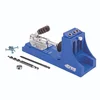
Kreg K4 Pocket Hole Jig System
A full-size adjustable jig that handles the 3/4-inch stock a face frame is built from, with clamp and drill guide in one unit.
- Best for: building multiple face frames or a full kitchen’s worth of cabinets
- Why we picked it: adjustable depth collar matches the 3/4″ setting this guide covers, and the clamp holds stock steady without a second pair of hands
- Main drawback: bulkier than the portable single-hole jigs, needs bench space
Compare more pocket hole jig options
 Option 1 Kreg R3 Jr. Pocket-Hole Jig System
|
 Option 2 VEVOR 34-Pc Pocket Hole Jig Kit
|
 Option 3 Kreg 720PRO Pocket-Hole Jig
|
As an Amazon Associate we earn from qualifying purchases.
Face frame stock is almost always 3/4 inch thick — the same thickness as the plywood cabinet box it covers, so pocket screws and glue joints bite into full material on both sides. A few mills sell 13/16-inch rough stock that planes down to a clean 3/4 inch once both faces are surfaced.
Width Depends on Door Style, Not Just Preference
Inset-door cabinets can run narrower stiles because the door sits flush inside the frame opening. Overlay doors need wider stiles and rails so the hinge cup and the 1/2-inch door lip both land on solid wood instead of near the edge. Professional cabinetmakers discussing the question on the WoodWeb forum reported a working range of 1-1/4 to 2-1/4 inches depending on overlay style — the wider end leaves enough flat face for the hinge screws without the cup breaking through the back of the frame.
| Frame Member | Inset Door Cabinets | Overlay Door Cabinets (1/2″ overlay) |
|---|---|---|
| Perimeter stiles | 1-1/2″ | 2″ to 2-1/4″ |
| Top & bottom rails | 1-1/4″ to 1-1/2″ | 2″ |
| Mid-stiles / mid-rails (between doors) | 1-1/2″ to 2″ | 2″ to 2-1/4″ |
📊 A 3/4-inch face frame screwed into a 3/4-inch plywood box needs a 1″ to 1-1/4″ coarse-thread pocket screw — longer screws risk breaking through the inside face of the box. — Source: WoodWeb cabinetmaker forum, pocket-hole joinery discussion
How to Calculate Your Own Rail and Stile Lengths
You don’t need to guess dimensions if you calculate stile and rail lengths directly from your cabinet box. The math is the same one professional shops use for a flush-inset frame:
- Measure three times: check the cabinet box width and height in three spots (top, middle, bottom) and use the smallest reading — plywood boxes are rarely perfectly square.
- Cut stiles to full height: stiles run the full cabinet height, plus 1 inch if you want the frame to overhang the bottom for a toe-kick reveal.
- Cut rails to width minus 3 inches: for a standard flush frame, rails equal the cabinet width minus 3 inches (minus 2-3/4 inches for an overhang style).
- Size center dividers 3 inches shorter: mid-stiles between double doors are cut 3 inches shorter than the outside stiles so they sit flush once assembled.
- Dry-fit before drilling: dry-fit every piece before cutting pocket holes — a 1/16-inch error compounds fast across a run of upper cabinets.
Run these numbers through our woodworking calculators guide if you’re cutting stock for more than one cabinet at a time — it’s faster than re-deriving the formula by hand for every box.
What Size Pocket Screws for Face Frame Joinery
For 3/4-inch face frame stock joined to a 3/4-inch plywood box, use a 1-inch to 1-1/4-inch coarse-thread pocket screw. Set the jig’s depth collar for 3/4-inch material before drilling — the wrong collar setting is the most common reason pocket screws either strip out or punch through the visible face.
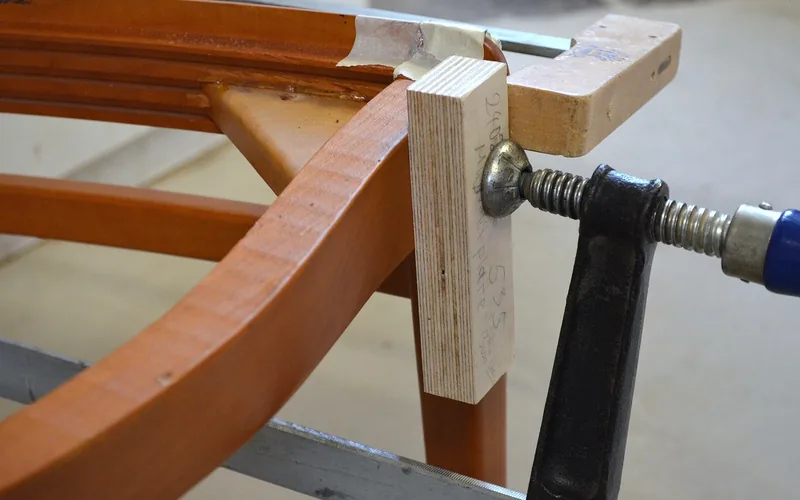
Not sure a pocket screw is even the right fastener for your box material? See our breakdown of cabinet screws vs wood screws before you buy a box of the wrong thread pitch.
“In our shop, screw length is the detail beginners get wrong most often on a face frame. Go 1/4 inch too long on 3/4-inch box material and the tip pokes through the inside face, where it can catch a drawer runner or scratch whatever’s stored on the shelf.”
Other Joinery Methods: Biscuits, Dowels & Mortise-and-Tenon
Pocket screws are the fastest way to assemble a face frame and hold plenty well for cabinetry, but they rely on the screw’s clamping force rather than a mechanical joint. Biscuits and dowels add glue surface and keep parts aligned during glue-up without visible fasteners. For frames that take real structural load or heavy daily racking — a workbench face frame, for example, rather than a kitchen cabinet — a mortise and tenon joint outperforms both; it’s more work to cut but the strongest option by a wide margin.
Best Wood Species for a Face Frame
Choosing the right wood affects how well the frame holds hinge screws and resists dents over years of daily use, not just how it looks. Here are the most common species used for face frames:
| Wood Type | Pros | Cons |
|---|---|---|
| Hard Maple | Durable, smooth, uniform texture | Expensive, harder to work by hand |
| Cherry | Attractive grain, stable, darkens nicely with age | Expensive, color shifts over time |
| Oak | Durable, affordable, widely available | Coarse open grain, can warp if not dried well |
| Alder | Stable, easy to work, affordable | Soft — prone to dents and scratches |
| Poplar | Cheap, straight-grained, takes paint well | Not attractive stained — paint-grade only |
Hardwood vs Softwood — Is Pine Strong Enough?
Pine works fine for paint-grade face frames on low-traffic cabinets — a laundry room or garage build, for instance — but it dents and compresses under hinge screws faster than hardwood. If the frame mounts hinges directly (rather than the door mounting to the cabinet side) or sees daily kitchen use, spend the extra cost on a hardwood like maple, oak, or ash, which machines similarly to oak but with a straighter, more uniform grain.
Can You Use Plywood or MDF Instead of Solid Wood?
Solid wood is the standard for a reason: MDF doesn’t hold fasteners well, and narrow 1-1/2 to 2-inch strips of it split easily when you drive a screw or hinge into the edge. It’s also noticeably heavier than solid wood of the same size, which adds up across a full kitchen. Edge-banded birch plywood shows up occasionally on contemporary paint-grade builds, but it’s the exception, not the norm — the classic approach is a plywood box with a solid hardwood face frame covering the raw edges, mounting the doors and drawers, and stiffening the box against racking.
Grain Orientation and Why It Affects Strength
Cut stiles and rails with the grain running the long way of each piece, not across it. Long-grain stock resists the seasonal swelling and shrinking that pulls joints apart, and it holds screw threads far better than cross-grain stock, which tends to split along the grain line the moment a pocket screw is driven near the end.
Finishing a Face Frame: Sealants and Protection
Seal all six sides of every piece before assembly, including the backs and edges that will be hidden against the cabinet box — moisture moving through unsealed backside grain is a common cause of a face frame cupping months after installation. A wiped-on oil-based poly or a water-based pre-cat lacquer both hold up well in kitchens; for the full range of options by sheen and durability, see our wood finishing guide.
Common Face Frame Mistakes to Avoid
- Skipping the moisture-content check: stock above 10-12% moisture content will shrink after assembly and open up glue joints at the corners — let lumber acclimate in the shop for at least a few days before cutting.
- Not squaring the frame during glue-up: measure both diagonals corner-to-corner before the glue sets; if they don’t match, the frame is out of square and will fight the cabinet box during installation.
Frequently Asked Questions
What size wood should I use for a face frame?
Use 3/4-inch-thick hardwood, with stiles and rails 1-1/2 to 1-3/4 inches wide for inset-door cabinets or 2 to 2-1/4 inches wide for overlay doors. The extra width on overlay frames keeps the hinge cup and door lip on solid material instead of near the edge.
How thick should face frame stiles and rails be?
3/4 inch is the standard thickness, matching the plywood cabinet box behind it. A few suppliers sell 13/16-inch rough stock that planes down to a clean 3/4 inch once both faces are surfaced.
Can you use plywood or MDF instead of solid wood for a face frame?
Not for the primary structure. MDF doesn’t hold screws or hinges well and splits in narrow strips, and it’s heavier than solid wood of the same size. Solid hardwood remains the standard; edge-banded plywood shows up occasionally on paint-grade contemporary builds but isn’t typical.
What size pocket screws do you need for face frame joinery?
For 3/4-inch stock joined to a 3/4-inch plywood box, use a 1-inch to 1-1/4-inch coarse-thread pocket screw. Set the jig’s depth collar for 3/4-inch material first, since the wrong setting is the most common cause of screws stripping out or punching through the face.
Should stiles and rails be wider for overlay doors than inset doors?
Yes. Overlay doors need 2 to 2-1/4 inches of stile and rail width so the hinge cup and the door’s overlay lip both land on solid wood. Inset doors can use narrower 1-1/2-inch stock since the door sits flush inside the frame opening instead of overlapping it.
Is pine strong enough for a face frame, or do I need hardwood?
Pine works for paint-grade face frames on low-traffic cabinets, but it dents and compresses under hinge screws faster than hardwood. For frames that mount hinges directly or see daily kitchen use, hardwood like maple, oak, or ash holds up considerably longer.
Face frame sizing comes down to three fixed points: 3/4-inch hardwood stock, width sized to your door style (narrower for inset, wider for overlay), and a pocket screw matched to that thickness. Get those three right, calculate your cut lengths from the actual cabinet box rather than a generic chart, and the frame will hold square for as long as the cabinet is in use.
Sponsored / affiliate links. As an Amazon Associate I earn from qualifying purchases. I may earn additional commission from eligible campaigns.