How to Prep Walls for Painting After Removing Wallpaper: Expert Tips
You’ve finally decided to refresh your space and get rid of that old wallpaper. But now you’re faced with a new challenge: prepping your walls for a fresh coat of paint.
While removing wallpaper can be a tedious task, ensuring your walls are ready for painting is crucial to achieving that perfect finish. Imagine the satisfaction of seeing smooth, beautifully painted walls that breathe new life into your room. This is your moment to transform your space, and it all starts with proper preparation.
In this guide, we’ll walk you through the essential steps to make your walls paint-ready, so you can enjoy a flawless finish that will impress anyone who steps into your home. Don’t risk your hard work by skipping these vital steps. Dive in to discover how you can set the stage for painting success and create a room that truly reflects your style.
Assessing Wall Condition
Walls need a close look after removing wallpaper. Check for cracksand holes. These can affect painting. Touch the wall gently. Soft spots mean more work. Use a flashlight. Shadows can show dents. Keep an eye out for peelingareas. These need fixing.
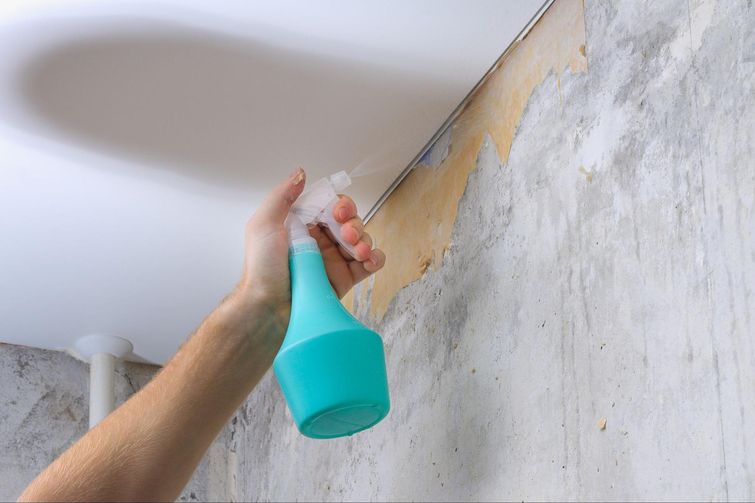
Sticky stuff often stays behind. Glueresidue is common. Run your hand on the wall. Feel for rough spots. These need cleaning. Use warm water and soap. This helps remove the residue. Dry the wall well. Wet walls ruin paint jobs. Make sure the wall is smooth. Smooth walls make the paint look good.

Credit: www.cougarpaintingkc.com
Cleaning The Walls
Use a sponge to scrub the wall gently. Warm water helps soften the residue. Add a bit of dish soap for stubborn spots. Rinse the sponge often. This keeps it clean. Patience is key to removing all sticky spots. Be careful to not damage the wall.
Fill a bucket with clean water. Use a cloth to wipe the walls. Rinse the cloth often. This removes dirt and soap. After washing, dry the walls with a towel. Ensure walls are fully dry before painting. This prevents paint from peeling later.
Repairing Wall Imperfections
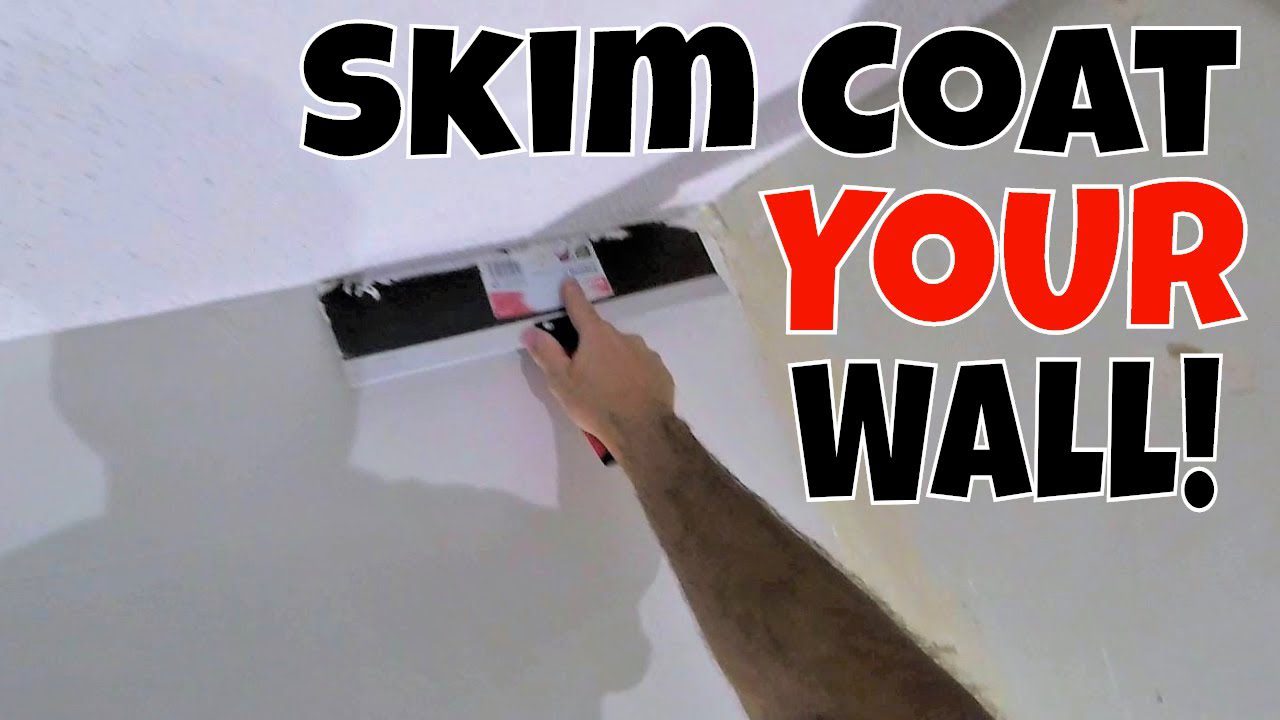
First, inspect the wall for any holes or cracks. Use a putty knife to apply spackling paste. Make sure to fill each hole completely. Let it dry as per the instructions. Sand the area once it dries. This makes it smooth and ready for painting.
Check for any uneven spots on the wall. Use a sanding block to smooth these areas. Circular motions work best. Keep sanding until the wall feels even. Wipe the dust with a damp cloth. This ensures the paint sticks well.
Credit: apexwallpaper.ca
Sanding For Smoothness
Begin with medium-grit sandpaper. It helps remove rough spots. For the final touch, switch to fine-grit sandpaper. This makes the wall very smooth. Choose sandpaper wisely. It must fit your sanding block. A sanding block helps the paper stay flat. This gives better results. Avoid using very coarse sandpaper. It can scratch the wall. This makes painting hard.
Sand in circles. This helps cover all areas. Move your hand lightly. Pressing too hard leaves marks. Always check your work. Look for spots you missed. Use a flashlight. It helps spot rough areas. Sand these areas again. Repeat until all spots feel smooth. Work slowly. Rushing makes mistakes. Smooth walls are important. They make paint look good.
Priming The Walls
Selecting a suitable primer is crucial. It helps the paint stick well. Not all primers work for every wall. Oil-based primers are good for covering stains. Water-based primers dry fast and are easy to clean. Think about the wall type and condition.
Start with a clean surface. Remove any loose bits from the wall. Use a roller or brush to apply the primer. Make sure to cover every spot. Smooth strokes help avoid lumps. Let the primer dry fully before painting. This ensures a strong bond between paint and wall.

Credit: www.reddit.com
Final Preparation Steps
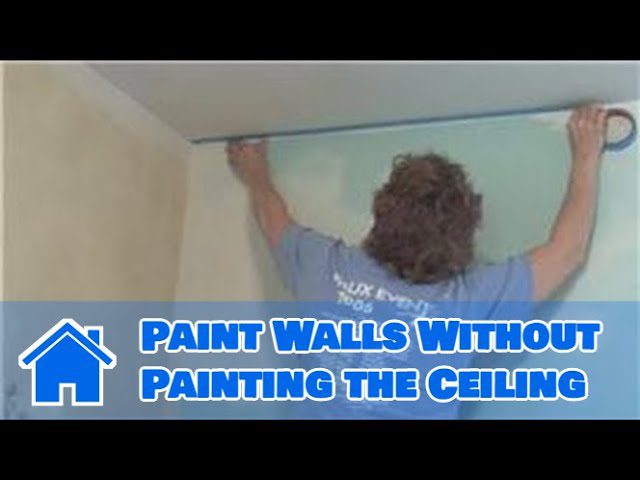
Use masking tape to cover edges. Protect light switches and outlets. Apply tape to window frames. Ensure straight lines for a clean look. Press tape firmly to avoid paint leaks. Remove tape after the paint dries.
Clean walls with a damp cloth. Remove all dust and dirt. Let the walls dry completely. Use a vacuum cleaner for corners. A dust-free surface helps paint stick better. Check for any remaining dust before painting.
Frequently Asked Questions
How To Clean Walls After Wallpaper Removal?
After removing wallpaper, clean the walls with a mixture of warm water and mild detergent. Use a sponge to gently scrub away any adhesive residue. Rinse the walls with clean water and let them dry completely before proceeding with painting.
This ensures a smooth and even paint application.
Do I Need To Sand Walls Before Painting?
Yes, sanding walls is crucial after removing wallpaper. It helps to smooth out any imperfections and ensure an even surface for painting. Use fine-grit sandpaper to gently sand the walls. This step will help the paint adhere better, resulting in a flawless finish.
What Primer Should I Use On Walls?
Use a high-quality primer designed for interior walls. A stain-blocking primer is ideal for covering any residual adhesive or discoloration. It helps in sealing the wall surface, providing a smooth base for the paint. A good primer enhances paint adhesion and ensures long-lasting results.
How Long Should Walls Dry Before Painting?
Allow walls to dry for at least 24 hours before painting. This ensures all moisture from cleaning and sanding has evaporated. A completely dry surface prevents paint from bubbling or peeling. Proper drying time is essential for achieving a professional-looking paint job.
Conclusion
Prepping walls after wallpaper removal is simple with the right steps. Clean surfaces thoroughly to remove paste residue. Repair any cracks or holes for a smooth finish. Sand rough spots to ensure even paint application. Apply a quality primer for better paint adhesion.
These steps prepare your walls for a fresh, vibrant look. Painting becomes easier and results look professional. Enjoy your newly painted space, knowing you’ve done it right. A fresh coat of paint can transform any room into a welcoming area.
Happy painting!