How to Prevent Mdf from Chipping: Expert Tips
Are you tired of dealing with MDF that chips and ruins your carefully crafted projects? You’re not alone.
Many DIY enthusiasts and professionals alike face this frustrating issue when working with Medium Density Fiberboard (MDF). This versatile and cost-effective material, while ideal for numerous applications, can be prone to chipping if not handled with care. But what if you could unlock the secrets to preventing this problem altogether?
Imagine the satisfaction of achieving smooth, flawless edges every time you work with MDF. In this guide, you’ll discover practical tips and tricks that will empower you to handle MDF like a pro, ensuring your projects look polished and professional. Dive in to transform your woodworking experience and say goodbye to those pesky chips!
Choosing The Right Tools
Using the right tools is important for cutting MDF. A fine-toothed saw works best. It cuts smoothly and reduces chipping. Sandpaper can smooth rough edges. A drill with a sharp bit is useful too. It makes clean holes without splinters. Always have a dust mask. MDF dust is not good to breathe. Safety glasses protect your eyes from flying bits. A straight edge helps in marking lines. It ensures cuts are straight and exact.
Choosing the right blade makes a big difference. A carbide-tipped blade is ideal. It stays sharp longer and cuts better. A high tooth count blade is also good. It gives smooth cuts and less chipping. Crosscut blades work well for MDF too. They make neat cuts across the board. Always check the blade’s sharpness. A dull blade can cause more chipping. Properly set the blade depth. It should just go through the MDF.
Credit: www.thehandymansdaughter.com
Proper Cutting Techniques
Cutting MDF without chipping requires sharp blades and slow, steady movement. Ensure the cutting tool is well-maintained for smooth edges. Support the MDF properly to minimize vibration during cutting.
Using A Circular Saw
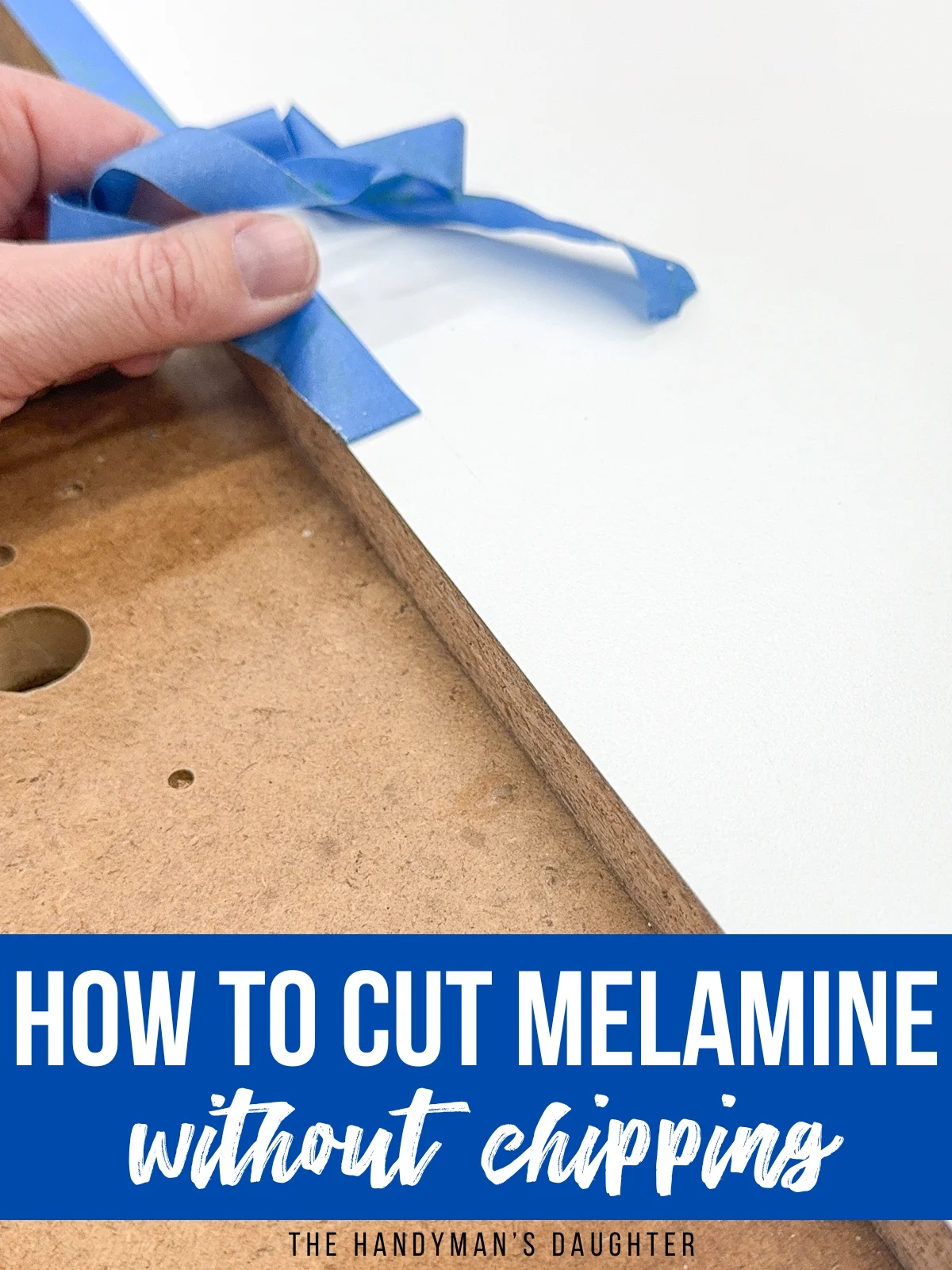
Choose a sharp blade for your circular saw. It must be fine-toothed. This helps in smooth cuts. Always use a steady hand. Keep the saw straight and firm. Secure the MDF board well before cutting. Slow and steady wins the race. Cutting fast can lead to chips. Use masking tape on the cut line. This reduces chipping too.
Utilizing A Jigsaw
Select a fine blade for your jigsaw. Set the speed to medium. High speed can cause chipping. Guide the jigsaw gently. Avoid pushing too hard. Patience is key here. Ensure the board is stable. Use clamps if needed. Place masking tape along the cut line. This prevents chips and tears. The tape works wonders.
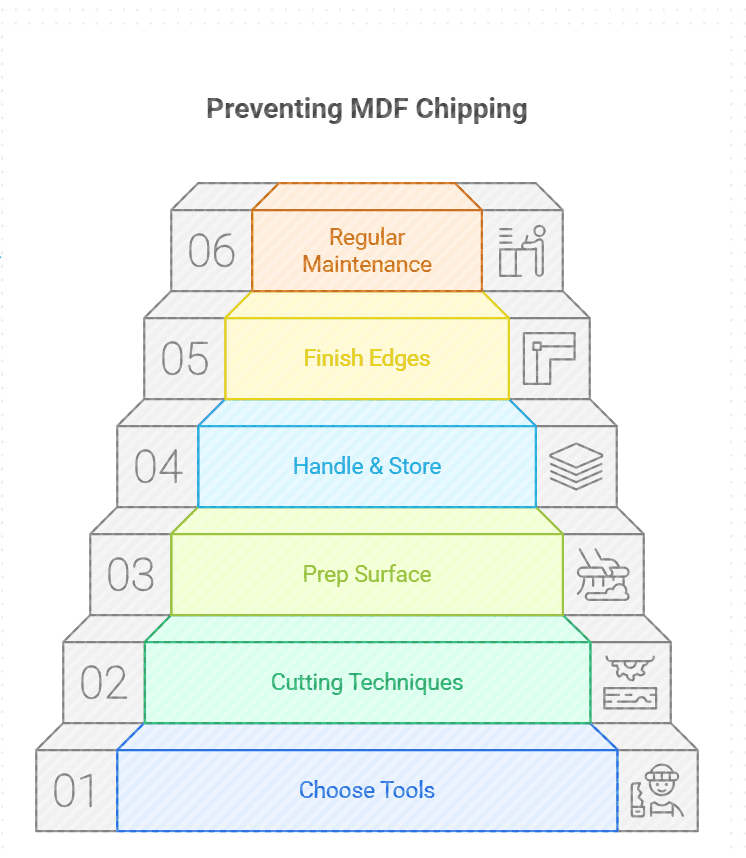
Prepping Mdf Surface
Edges of MDF can chip easily. Sanding smooths these edges. Use fine-grit sandpaper. Start with gentle strokes. Keep sanding until edges are smooth. Smooth edges chip less. Be careful not to sand too much. MDF dust can be harmful. Use a mask while sanding.
Sealant protects MDF from chipping. Apply sealant after sanding. Use a brush for even application. Cover all surfaces well. Allow sealant to dry completely. Dry sealant is strong. It keeps MDF safe. Apply more coats for added protection. More coats help MDF last longer.
Handling And Storage Tips
MDF can chip if it gets wet. Keep it away from water. Store in a dry place. Use a cover if needed. Moisture makes MDF weak. Weak MDF chips easily. Make sure the air is dry. Use a dehumidifier if needed. This keeps MDF safe.
Stack MDF boards flat. Do not lean them. Leaning causes bending. Bending leads to chipping. Use a solid base for stacking. This gives support. Heavy items should not be on top. Weight can cause damage. Keep stacks tidy. This helps avoid accidents.
Finishing Mdf Edges
Edge banding helps protect MDF edges. It stops them from chipping. MDF edges are weak. They need care. Edge banding comes in rolls. You cut it to fit. Use glue to stick it on. Press it down firmly. It makes edges smooth. No rough parts. It keeps edges strong. Edges stay neat and tidy.
Veneer is thin wood. It covers MDF edges. It hides them. Veneer adds strength. It looks nice too. Glue holds veneer in place. Use a brush for glue. Press veneer tight. No gaps allowed. Edges look better with veneer. It stops chipping. Veneer protects and decorates edges.
Credit: salvagedinspirations.com
Regular Maintenance
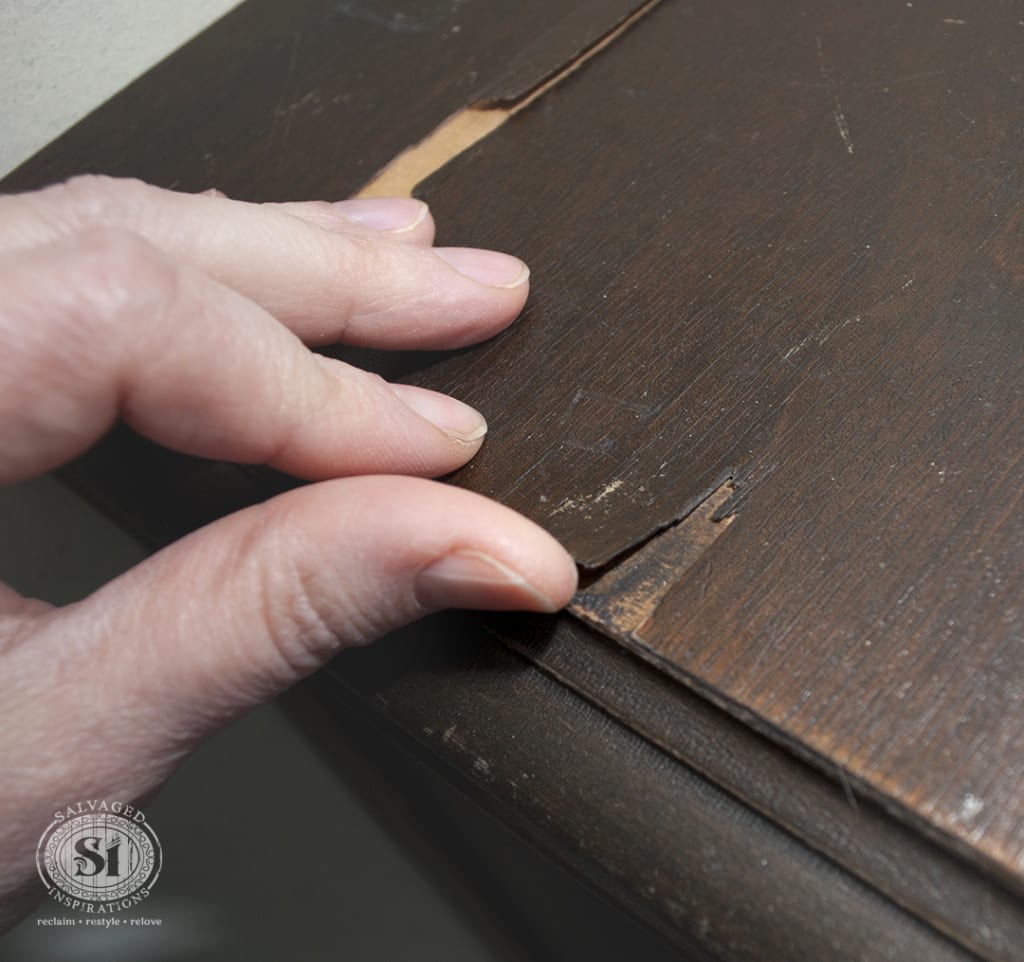
Check your MDF often for any cracks or chips. Small damages can grow fast. Spot them early to save time and effort. Use a flashlight to see better in dark corners. Mark any problem areas you find. Fix them before they get worse. This keeps your MDF looking new.
Dust the MDF with a soft cloth. This stops dirt from building up. Use a gentle cleaner and a damp cloth for sticky spots. Avoid soaking the MDF with water. It can damage the material. Dry the MDF with a clean towel after cleaning. This helps in keeping it strong and durable.
Frequently Asked Questions
How Do You Cut Mdf Without Chipping?
Use a sharp blade and apply masking tape along the cut line to prevent chipping. Cut slowly and steadily. Opt for a circular saw or jigsaw with fine-tooth blades. Sand edges gently after cutting for a smooth finish.
How To Stop Laminate From Chipping When Cutting?
Use a fine-tooth saw blade and cut slowly for precision. Place tape over the cut line to reduce chipping. Secure the laminate firmly to prevent movement. Cut with the decorative side facing up. Score the cut line first for a cleaner finish.
Does Mdf Chip When Cutting?
MDF can chip when cut, especially if using dull tools or incorrect techniques. Always use sharp blades and proper cutting methods to minimize chipping. Consider using a scoring blade for cleaner cuts. Proper handling and equipment can significantly reduce the risk of chipping MDF during cutting.
How Do You Secure Mdf Together?
Secure MDF using wood screws and glue. Drill pilot holes to prevent splitting. Use clamps for firm adhesion. Avoid over-tightening screws to maintain material integrity.
Conclusion
Protecting MDF from chipping enhances its longevity. Simple steps make a big difference. Choose the right tools for cutting. Always handle MDF with care. Sand edges smoothly to prevent damage. Apply a sealant for extra protection. Regularly check for signs of wear.
Fix minor chips immediately to avoid bigger issues. Keep MDF dry and clean. Moisture weakens the material. By following these tips, your MDF will stay in great shape. Enjoy durable and attractive MDF pieces for years. Remember, prevention is key to maintaining quality.
Your efforts will pay off in the long run.