Can MDF Be Used for Exterior Trim? (Use Extira or PVC Instead)
Standard MDF should never be used for exterior trim — its wood-fiber core absorbs moisture and swells within one wet season, even under paint. A common myth is that “moisture-resistant” grades like MEDEX qualify; the manufacturer’s own spec sheet excludes exterior trim and siding entirely. This guide covers what actually survives outdoors — Extira exterior MDF (about $133 a sheet), MDO, and PVC trim — plus how to seal standard MDF if you use it anyway.

Why Standard MDF Swells and Fails as Exterior Trim
MDF (medium-density fiberboard) is an engineered wood panel made by binding wood fibers with resin under heat and pressure. It has a smooth, uniform surface that takes paint and routed profiles well, which is why it is common for interior trim, cabinetry, and furniture — see our full MDF guide hub for cutting, weight, and material questions beyond exterior use. But the same fiber core that makes it smooth has no natural weather resistance.
Cut an MDF board and the exposed edge is loose wood fiber with no grain to shed water. Any moisture that reaches a cut edge, screw hole, or seam wicks straight into the core, and the board swells, delaminates, or crumbles from the inside out. Because the fibers run in every direction instead of along a grain like solid wood, that swelling is not uniform — it telegraphs through the paint film as a visible ridge or bubble right at the seam, which is usually the first sign of failure a homeowner notices, months before the board is structurally compromised. Sunlight adds a second failure mode: UV exposure fades and embrittles the resin binder, so paint film on MDF trim cracks and peels faster than it does on solid wood or PVC. A coat of exterior paint slows this process but does not stop it — standard MDF is rated for indoor use only.
Exterior-Grade Alternatives: What Actually Survives Outdoors
If you need the look and workability of MDF but the trim will see rain, sprinklers, or ground contact, three materials are actually built for it:
- Extira — an exterior-rated composite panel made with phenolic resin, zinc borate, and a water repellent added during manufacturing. It resists moisture, rot, and termites, is roughly twice as strong as standard MDF, and carries a 10-year limited warranty. It comes in 1/2″ to 1-1/4″ thicknesses and runs about $133 for a 3/4″ 4×8 sheet (US pricing) — used for exterior millwork, door and window trim, and signage.
- MDO (medium density overlay) — exterior-grade plywood (see our MDF vs. plywood comparison for how the two materials differ structurally) with a resin-impregnated paper face bonded with waterproof glue, the material sign painters have used for decades. A 3/4″ 4×8 sheet typically runs $120–$165 depending on grade. See our guide on where to buy MDO plywood for supplier options.
- PVC trim boards — solid cellular PVC that never absorbs water or rots. A 1x4x8’ board runs roughly $20–$30 depending on brand and profile. It costs more than wood-based options but needs the least long-term maintenance.
Myth to retire: MEDEX, a moisture-resistant MDF sold for bathrooms and kitchen cabinetry, gets mistaken for an exterior product because retailers market it loosely as “exterior grade.” SierraPine’s own MEDEX spec sheet states plainly that it is not suitable for exterior siding or exterior trim. Moisture-resistant is not the same claim as exterior-rated — check the manufacturer spec sheet, not the marketing name, before buying.
📊 Extira exterior MDF panels carry a 10-year limited warranty and are roughly twice as strong as standard MDF. — Source: JELD-WEN Extira Brochure
Best Trim Sealer Pick
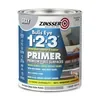 |
Zinsser Bulls Eye 1-2-3 All Surface Primer – $11.99 If you seal standard MDF trim for outdoor use per the prep steps below, every cut edge needs a stain-blocking, all-surface primer before topcoat — this is the interior/exterior-rated formula that bonds to raw MDF fiber without sanding.
|
As an Amazon Associate we earn from qualifying purchases.
MDF vs. Extira vs. MDO vs. PVC Trim: Which Should You Buy?
The table below compares the four materials homeowners actually choose between for painted exterior trim, using the pricing researched above.
| Material | Exterior Rated? | Approx. Cost | Best For |
|---|---|---|---|
| Standard MDF | No | $25–$40 / 3/4″ 4×8 sheet | Interior trim and cabinetry only |
| Extira exterior MDF | Yes — 10-yr warranty | ~$133 / 3/4″ 4×8 sheet | Painted exterior millwork, door/window trim |
| MDO (plywood) | Yes | $120–$165 / 3/4″ 4×8 sheet | Signage, soffits, painted flat panels |
| PVC trim board | Yes — won’t rot or swell | $20–$30 / 1x4x8’ board | Trim exposed to constant moisture or ground contact |
Total Cost of Ownership: Why Extira or PVC Usually Wins Long-Term
The sheet price in the table above is not the full comparison. Sealed standard MDF trim needs a fresh coat of exterior paint and recaulking roughly every 2–3 years to keep water out of newly opened hairline cracks, and any section that does swell has to be cut out and replaced — you cannot sand and refinish swollen MDF the way you can a scratched PVC board.
Extira and PVC trim cost more per sheet or board up front, but a painted Extira or PVC installation typically only needs a repaint on the same 7–10 year cycle as the rest of a house’s exterior trim, with no structural repair in between. Run the math over a 10-year window on a typical run of trim — two or three MDF replacement-and-repaint cycles usually costs more in materials and labor than the higher upfront price of Extira or PVC would have.
How to Prep Standard MDF If You Seal It for Outdoor Trim Anyway
Some homeowners still choose standard MDF for a short-lived project or a low-budget repair. It will not last as long as Extira or PVC, but sealing it properly buys real time:
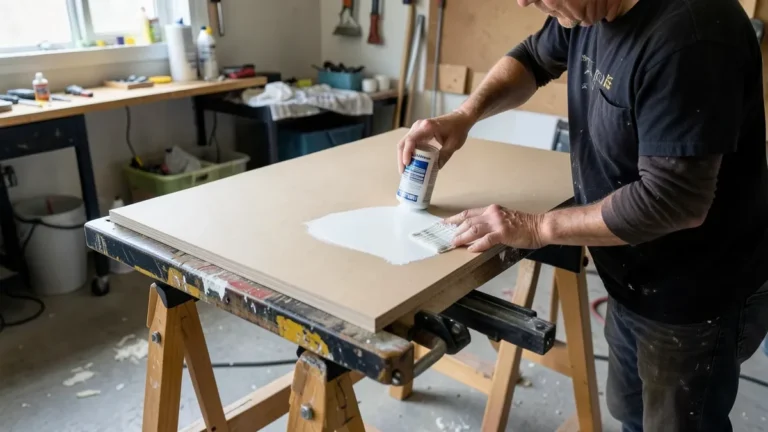
- Seal every cut edge the same day you cut it: apply a stain-blocking, all-surface primer to raw edges before end-of-day, since an unsealed edge left overnight already starts absorbing moisture.
- Prime the whole board, not just the edges: two coats of primer on every face and edge, sanding lightly between coats for adhesion.
- Caulk every seam, joint, and fastener head: use a paintable exterior-grade caulk so water cannot travel through nail holes or board joints.
- Topcoat with 100% acrylic exterior paint, two coats minimum: acrylic exterior paint flexes with temperature changes better than interior paint, reducing cracking.
- Re-inspect and recaulk every year: check joints and low edges annually and recaulk or repaint at the first sign of a gap — catching it early is what keeps sealed MDF trim from failing early.
In our shop, cut edges on standard MDF trim stock that are left unsealed overnight already show visible swelling within a week outdoors, even under a later coat of primer — the fiber core wicks moisture faster than solid wood ever does, which is why the sealing order above (edges first, same day) matters more than the brand of paint used.
Where You Should Never Use MDF Trim, Sealed or Not
Even fully sealed, standard MDF trim should not be used at grade (touching soil or concrete), on roof-facing horizontal surfaces that pool water, or anywhere it will be under constant sprinkler spray. These conditions defeat any sealant faster than normal rain exposure — see our full breakdown of MDF’s disadvantages for the same moisture-sensitivity issue in other applications. For those specific spots, choose PVC trim or Extira instead of trying to seal your way around the limitation.
MDF Trim vs. General Outdoor MDF Use
This guide focuses specifically on trim, molding, and millwork applications. For the broader question of whether MDF holds up in outdoor furniture, garden projects, or general exterior use, see our full guide on using MDF outside, which covers moisture-resistant MDF grades and outdoor project ideas beyond trim work specifically.
Frequently Asked Questions
Is Extira MDF the same as regular MDF?
No. Extira uses phenolic resin, zinc borate, and a water repellent added during manufacturing, making it roughly twice as strong as standard MDF and rated for exterior use with a 10-year limited warranty. Standard MDF has none of these additives and is not exterior-rated.
Can I use MEDEX MDF for exterior trim?
No. MEDEX is a moisture-resistant MDF designed for humid interior spaces like bathrooms and kitchen cabinetry. SierraPine’s own MEDEX spec sheet explicitly excludes exterior siding and exterior trim, despite it sometimes being marketed loosely as “exterior grade.”
How long does painted standard MDF trim last outside?
Unsealed or poorly sealed MDF trim can start swelling within a single wet season. Properly sealed on every edge with primer, caulk, and two coats of 100% acrylic exterior paint, it may last several years with annual recaulking, but it will still fail sooner than Extira, MDO, or PVC trim.
Is PVC trim better than MDF for exterior use?
For constant moisture exposure, yes. PVC trim never absorbs water or rots, so it needs the least long-term maintenance of the options covered here. It costs more upfront than sealed standard MDF but less in repeat repainting and edge repairs over time.
Where should you never use MDF trim outdoors?
Avoid MDF trim, sealed or not, at grade (touching soil or concrete), on horizontal surfaces that pool water, and anywhere exposed to constant sprinkler spray. Use PVC trim or Extira in those specific locations instead.
Conclusion
Standard MDF is not built for exterior trim — it swells at cut edges and fails within a season or two even under paint. If the project is going outside for the long term, Extira, MDO, or PVC trim cost more upfront but avoid the repeat repainting and edge repair that comes with sealing standard MDF. If you do use standard MDF outdoors anyway, seal every cut edge the day you cut it, caulk every seam, and plan on annual maintenance.
Sponsored / affiliate links. As an Amazon Associate I earn from qualifying purchases. I may earn additional commission from eligible campaigns.