How to Prevent Wood Slices from Cracking: Pro Tips
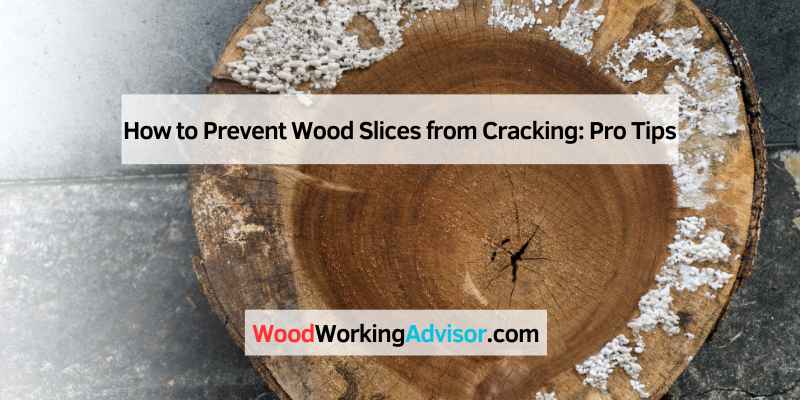
To prevent wood slices from cracking, seal the surface with a wood finish. Store them in a stable, controlled environment to minimize temperature fluctuations.
Wood slices are a beautiful addition to home decor and crafting projects. However, they are prone to cracking due to environmental changes. Proper care ensures they remain intact and visually appealing. Wood is a natural material that reacts to humidity and temperature.
When moisture levels fluctuate, it can lead to splitting and warping. Protecting your wood slices starts with understanding their needs. By applying the right treatments and storing them correctly, you can extend their lifespan. This guide offers practical tips to help you maintain the beauty and integrity of your wood slices, allowing you to enjoy their charm for years to come.
Introduction To Wood Slices
Wood slices are very popular in home decor. They bring a natural charm to any space. People use them for coasters, centerpieces, and wall art.
Despite their beauty, wood slices can face common issues. Cracking is one of the main problems. Changes in humidity and temperature can cause this issue. Poor storage also contributes to cracking. It is important to keep wood slices in a stable environment. Regular oiling can help maintain their quality.
| Common Issues | Causes |
|---|---|
| Cracking | Humidity and temperature changes |
| Warping | Poor storage conditions |
| Splitting | Drying out too fast |
Moisture Content And Wood Cracking
Moisture content plays a significant role in wood cracking. Wood needs a balanced moisture level to stay healthy. Too much moisture can cause swelling. On the other hand, too little moisture leads to shrinkage.
Uneven drying can create stress in wood slices. This stress often results in cracks and splits. Keeping wood in a stable environment helps maintain moisture levels. Using a dehumidifier or a humidifier can control moisture.
Here are some tips to prevent cracks:
- Store wood in a cool, dry place.
- Seal the ends of wood slices with paint or wax.
- Regularly check moisture levels with a meter.
- Keep wood away from direct sunlight.
Selecting The Right Wood
Selecting the right wood is essential to prevent cracking. Some types of wood resist damage better than others. Here are a few options:
| Type of Wood | Properties |
|---|---|
| Maple | Hard and durable. Resists cracking well. |
| Cherry | Beautiful grain. Less likely to crack. |
| Oak | Strong and heavy. Holds up well over time. |
| Pine | Lightweight. Can crack if dried too fast. |
Choosing wood that is less prone to cracking is important. Look for dense, stable wood. Softwoods may crack easily under dry conditions. Proper seasoning also helps maintain stability.
Cutting Techniques To Minimize Stress
Using the right tools can help prevent cracking. Sharp blades create cleaner cuts. Saws with fine teeth reduce stress on the wood. Always keep your tools in good condition.
Choose the right type of wood for your project. Seasoned wood is less likely to crack. Avoid using green wood, as it contains more moisture. Always consider the grain direction when cutting.
| Tool | Benefits |
|---|---|
| Band Saw | Great for curved cuts and minimizes splintering. |
| Table Saw | Provides precision for straight cuts and is efficient. |
| Hand Saw | Good for small projects and requires less power. |
Always slice wood in a controlled environment. Avoid rapid temperature changes. Let the wood acclimate to its surroundings before cutting. This practice greatly reduces cracking risks.
Controlled Drying Process
Controlling the drying process helps prevent cracking in wood slices. Several drying methods can be used. Each method has its own benefits. Consider using air drying, kiln drying, or microwave drying.
Air drying is simple and cost-effective. It requires good airflow and a dry environment. Kiln drying is faster and more efficient. It uses heat to remove moisture quickly. Microwave drying is great for small pieces. It saves time but requires care.
| Drying Method | Benefits |
|---|---|
| Air Drying | Cost-effective, requires little equipment |
| Kiln Drying | Fast, efficient, controls moisture content |
| Microwave Drying | Quick, ideal for small pieces |
Monitoring the drying environment is crucial. Keep humidity levels low to avoid issues. Use a hygrometer to check moisture content regularly. Proper monitoring helps maintain quality and prevents cracking.
Sealing And Protecting Wood Slices
Sealing wood slices offers many benefits. It helps prevent cracking and splitting. A good sealant protects against moisture and temperature changes. This keeps the wood looking fresh and beautiful.
Choosing the right sealant is important. Look for options that are non-toxic and easy to apply. Water-based sealants are great for indoor projects. For outdoor use, consider oil-based sealants for better durability.
Make sure to follow the manufacturer’s instructions. This ensures the best results and long-lasting protection. Testing a small area first can also help. Always apply the sealant in a well-ventilated area for safety.
Preventative Measures During Storage
Store wood slices in a cool, dry place. High humidity can cause cracks. Keep them away from direct sunlight. Sunlight can dry them out quickly.
Use plastic wrap or cotton cloth to cover the slices. This helps maintain moisture. Avoid placing heavy items on top. This pressure can lead to cracks.
Check the wood slices regularly. Look for any signs of drying or cracking. Rotate them occasionally to ensure even exposure. This prevents uneven drying.
Avoid storing wood slices near heat sources. Heaters can dry them out. Follow these tips for long-term protection against cracking.
Troubleshooting Cracking Issues
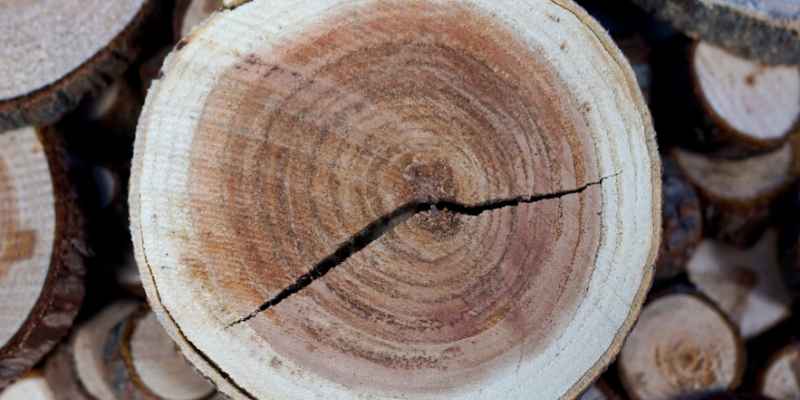
Spotting early signs of cracking is essential. Look for tiny splits or fissures on the surface. Changes in wood color can also indicate issues. Warping or bending may happen before cracks form.
For repairing cracked wood slices, use wood glue for small cracks. Apply it to the split and clamp it tight. For larger cracks, try epoxy filler. This helps to fill gaps and strengthen the wood.
Keep the wood in a stable environment. Avoid exposing it to extreme temperatures or humidity. Regularly check for signs of damage to prevent further issues.
Expert Tips For Perfect Wood Slices
To prevent wood slices from cracking, keep them in a stable environment. Avoid extreme temperature changes. Store them in a cool, dry place. Humidity can also cause issues.
Use a sealant or finish on the wood. This helps keep moisture out. Natural oils can also protect the wood slices. Regular maintenance is key.
Creative uses for wood slices include:
- Coasters for drinks
- Centerpieces for tables
- Wall art or decorations
- Gift tags or name cards
- DIY projects for kids
Frequently Asked Questions
How Can I Stop Wood Slices From Cracking?
To prevent wood slices from cracking, control the drying process. Use a slow drying method to reduce stress on the wood. Store slices in a cool, humid environment and wrap them in plastic to retain moisture. Applying a wood finish can also help seal in moisture and prevent cracks.
What Causes Wood Slices To Crack?
Wood slices crack due to rapid moisture loss. Changes in temperature and humidity can stress the wood fibers. Additionally, if the wood isn’t properly dried or seasoned, it becomes more susceptible to cracking. Understanding these factors can help in preventing future damage.
Should I Seal Wood Slices To Prevent Cracking?
Yes, sealing wood slices can significantly reduce cracking. A good sealant helps lock in moisture and protects against environmental changes. Use a quality wood finish or varnish to create a barrier. Regular maintenance of the sealant will ensure long-lasting protection against cracking.
Is There A Best Way To Dry Wood Slices?
The best way to dry wood slices is air drying. Stack them in a well-ventilated area, away from direct sunlight. This method allows for a gradual moisture release, reducing the risk of cracking. For quicker drying, consider using a dehumidifier or a controlled drying chamber.
Conclusion
Preventing wood slices from cracking is essential for maintaining their beauty and functionality. Regularly applying a protective finish helps seal the wood and prevents moisture loss. Store them in a stable environment to reduce temperature changes. With these simple steps, you can enjoy your wood slices for years to come without worry.