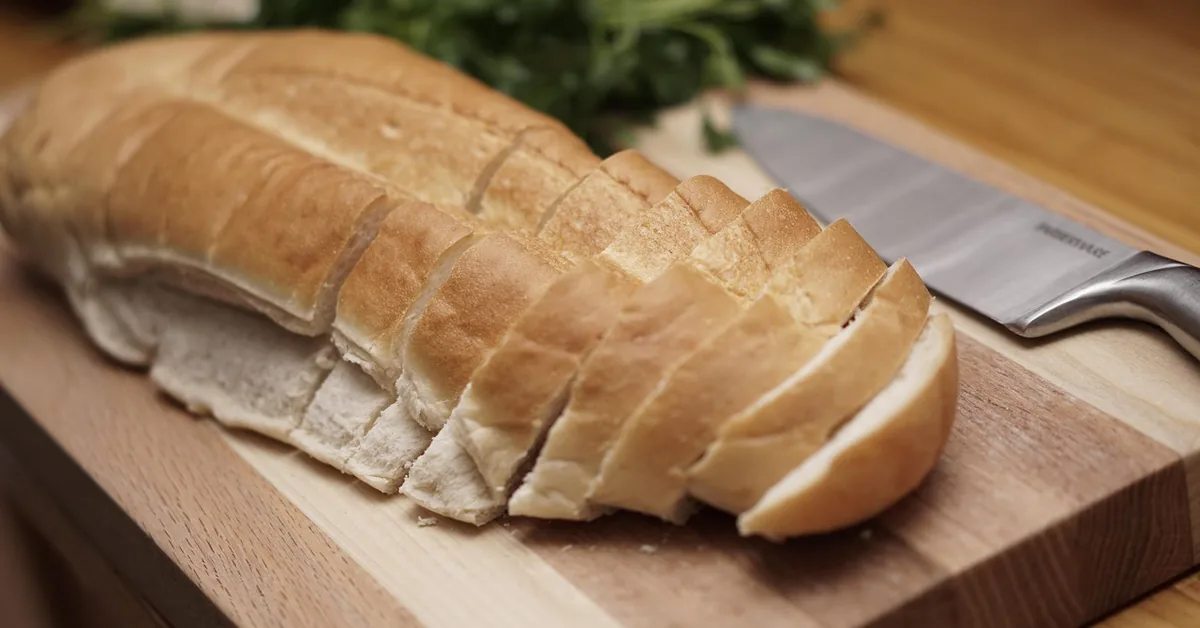
Are Wood Cutting Boards Sanitary?
Yes, wood cutting boards are sanitary — UC Davis research found that wood’s natural moisture-wicking draws bacteria below the surface and dries them out, while the same bacteria survive and multiply on plastic. The one exception: commercial kitchens, where NSF/ANSI 51 rules generally require nonporous materials instead. This guide covers the actual science, how wood stacks up against plastic and bamboo, and the exact maintenance routine that keeps a wood board safe for years.
What Makes a Wood Cutting Board Sanitary?
Best Cutting Board Conditioner Pick
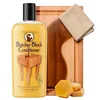
Howard Products Butcher Block Conditioner – $9.98
A food-grade mineral oil and beeswax blend built for exactly the maintenance routine this guide recommends — it seals the fibers wood relies on to pull moisture (and bacteria) away from the surface.
- Best for: Regular monthly conditioning of maple, walnut, or bamboo boards
- Why we picked it: Beeswax adds a moisture-sealing top layer on top of plain mineral oil
- Main drawback: Smaller bottle means more frequent reorders on daily-use boards
Compare more cutting board oil options
 Option 1 Thirteen Chefs Mineral Oil 12oz – $15.99
|
 Option 2 Kate Naturals Mineral Oil 8oz – $7.99
|
 Option 3 NSF Certified Mineral Oil Gallon – $29.99
|
As an Amazon Associate we earn from qualifying purchases.
A sanitary cutting board is one where bacteria can’t survive long enough to transfer to food in a harmful dose. Wood qualifies because it is a low-porosity, moisture-regulating material that pulls surface liquid (and the bacteria in it) down into its fibers, where the bacteria dry out and die rather than sitting on the surface waiting to be spread by the next cut. This only holds true as long as the board is cleaned after each use and the surface isn’t left deeply gouged — a scratched-up board of any material, wood or plastic, is harder to keep sanitary.
Wood vs. Plastic vs. Bamboo: How They Actually Compare
Every cutting board material has tradeoffs. Here’s how the three most common options compare on the factors that actually affect sanitation and everyday use. If glass is also on your shortlist, see how it stacks up against wood in our glass vs. wood cutting board comparison.
| Factor | Wood (Maple/Walnut) | Plastic | Bamboo |
|---|---|---|---|
| Bacteria on surface after use | Drawn below surface, dies off | Stays on surface, can multiply | Lowest — least porous of the three |
| Dishwasher safe | No — warps and cracks | Yes, most models | No — delaminates |
| Knife-friendliness | Gentle on blade edges | Dulls blades faster | Harder, dulls blades fastest |
| Scarring over time | Moderate, sandable | Deep grooves, not repairable | Least scarring |
| NSF-listed for commercial use | Rarely (hard maple only, limited use) | Yes, standard choice | No |
The Science: Why Wood Kills Bacteria Faster Than You’d Think
Wood is a porous material that actively pulls moisture — and any bacteria in it — down into its fibers, where the lack of surface moisture and oxygen kills most bacteria within minutes. This was demonstrated in a landmark 1994 food-safety study at UC Davis by researchers Ak, Cliver, and Kaspar, which found that bacteria applied to wood surfaces became unrecoverable almost immediately, while the same bacteria survived overnight on plastic and were easy to recover even after washing.
Wood also contains natural tannins with mild antibacterial activity, and its 10–15% internal moisture content at room temperature keeps the surface too dry for most bacteria to reproduce. None of this means a wood board is self-cleaning — it still needs to be washed after every use — but it explains why a well-maintained wood board doesn’t behave like a plastic one that’s been scratched and never fully sanitized.
📊 In the original UC Davis trials, bacteria applied to wood cutting boards could not be recovered from the surface within minutes, while bacteria on plastic boards survived and, in some cases, multiplied overnight. — Source: Dean O. Cliver, Ph.D., UC Davis Food Safety Laboratory
NSF Rules: Why Restaurants Rarely Use Wood Boards
If wood is genuinely sanitary, why don’t restaurants use it? The answer is regulatory, not scientific. Commercial foodservice equipment is generally required to meet NSF/ANSI Standard 51 (Food Equipment Materials), which sets minimum sanitation requirements for food-contact surfaces used in regulated kitchens. Most wood species can’t meet that standard because they can’t be reliably run through a commercial dishwasher, they absorb odors and moisture over repeated heavy use, and health inspectors can’t verify cleanliness by sight the way they can on a smooth plastic surface.
Some fine-grained hardwoods, mainly hard maple, are allowed in limited commercial applications like carving stations, but plastic remains the default on prep lines. None of this changes the home-kitchen picture — the USDA’s Meat and Poultry Hotline confirms consumers may use either wood or a nonporous surface for raw meat and poultry, as long as it’s cleaned properly after each use.
How to Keep a Wood Cutting Board Sanitary
The maintenance routine is what makes wood’s antibacterial properties actually work in practice. Skip it, and even the best hardwood board behaves more like an unsanitary one.
- Wash immediately after each use: Use hot water and dish soap, scrubbing with a brush to lift food particles out of the grain, then rinse.
- Dry standing up: Air-dry the board on its edge instead of flat on the counter so both sides dry evenly and moisture doesn’t pool against the surface.
- Sanitize weekly, or after raw meat: Wipe with a solution of 1 tablespoon unscented liquid chlorine bleach per gallon of water, let stand a few minutes, then rinse and dry — this is the USDA’s own recommendation for both wood and plastic boards. Prefer to skip the bleach smell? A wood cutting board cleaning spray made with vinegar or food-safe hydrogen peroxide works as a milder weekly alternative.
- Oil monthly: Apply food-grade mineral oil generously, let it soak in for at least four hours or overnight, then wipe off the excess.
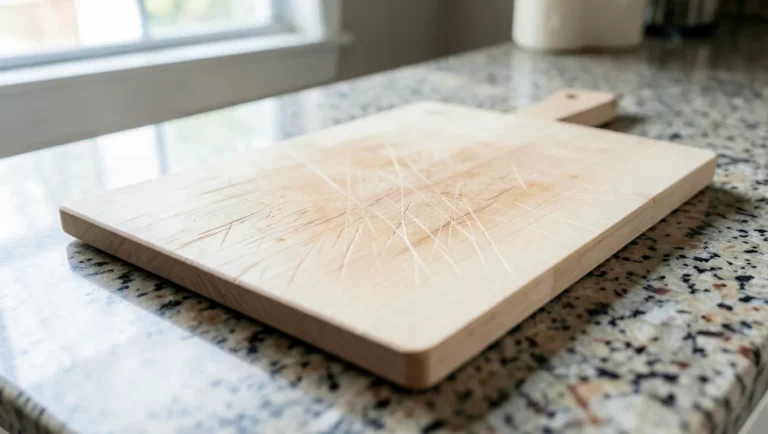
- Sand out deep scratches: Once grooves are deep enough to catch a fingernail, lightly sand the surface with fine-grit sandpaper and re-oil.
- Keep meat and produce boards separate: Dedicate one board to raw meat, poultry, and seafood and a different one to produce and bread to avoid cross-contamination.
Choosing the Right Wood for a Sanitary Board
Not all wood performs the same. Closed-grain hardwoods — maple, walnut, and cherry — are the standard choice because their tight fiber structure resists deep scarring better than open-grain woods. Bamboo, technically a grass rather than a wood, is harder and less porous still, which is why it’s often marketed as the most bacteria-resistant option, though its hardness also dulls knife edges faster. Softwoods like cypress and pine are a poor choice for cutting boards — they scar and splinter easily, and splinters create exactly the kind of deep, hard-to-clean grooves that let bacteria persist.
For a deeper look at specific wood species and how to finish one properly, see our guides on whether alder wood works for cutting boards and how to finish a cutting board with food-safe oil.
Signs It’s Time to Replace Your Cutting Board
No cutting board lasts forever, regardless of material. Replace a wood board when you see deep grooves that catch a fingernail and don’t sand out easily, persistent odors that survive washing and oiling, black mold spots (wood that’s stayed wet too long), or visible warping and splitting along the grain. A board that’s been badly neglected — unwashed and unoiled for months — is often safer to sand down fully or replace outright rather than trying to fully restore it.
“Consumers may use wood or a nonporous surface for cutting raw meat and poultry. Wash cutting boards with hot, soapy water after each use, then rinse with clear water and air dry or pat dry with clean paper towels.”
— USDA Meat and Poultry Hotline, Food Safety and Inspection Service
Frequently Asked Questions
Do wooden cutting boards hold bacteria?
Not for long. Bacteria applied to a wood surface are drawn into the fibers and largely die off within minutes, according to UC Davis research. The exception is a board with deep, unsanitized grooves — those can trap and hold bacteria on any material, wood or plastic.
Is wood or plastic better for bacteria?
Wood performs better in controlled studies: bacteria die off quickly on wood surfaces, while the same bacteria can survive and multiply on plastic overnight, especially once the plastic is scarred by knife cuts. Both are acceptable for home use as long as they’re washed after every use.
How do you keep a wooden cutting board sanitary?
Wash with hot, soapy water after each use, air-dry standing on edge, sanitize weekly (or after raw meat) with a diluted bleach solution, and oil monthly with food-grade mineral oil. Replace the board once grooves are too deep to sand out.
Can you use bleach on a wood cutting board?
Yes. The USDA recommends 1 tablespoon of unscented liquid chlorine bleach per gallon of water, applied to the surface, left for a few minutes, then rinsed and dried. This is safe for wood as long as the board is fully dried afterward and reoiled if it starts to look dry.
What type of cutting board is the most sanitary?
Bamboo tends to test as the least porous of the common materials, followed closely by hard maple. In practice, any board — wood, bamboo, or plastic — is sanitary as long as it’s washed after each use, sanitized periodically, and replaced before its grooves get too deep to clean.
Are wood cutting boards safe for raw meat?
Yes. USDA guidance allows either wood or a nonporous surface for raw meat and poultry at home. The safer practice is dedicating one board specifically to raw meat and a separate one to produce, so juices from raw meat never touch food that won’t be cooked further.
Conclusion
Wood cutting boards are sanitary for home use — the science backs it, and so does the USDA. The routine that makes it work is simple: wash after every use, sanitize periodically, oil monthly, and replace the board once its grooves get too deep to clean. The only place wood consistently loses out is in commercial kitchens, where NSF/ANSI 51 rules push most operations toward plastic regardless of what the bacteria studies actually show.
For the full breakdown of the underlying bacteria research itself, see our companion deep dive on wood cutting boards and bacteria. For care basics once you’ve picked a board, see our guide on beeswax and mineral oil ratios for cutting boards, or browse the full wood cutting hub for more guides.
Sponsored / affiliate links. As an Amazon Associate I earn from qualifying purchases. I may earn additional commission from eligible campaigns.