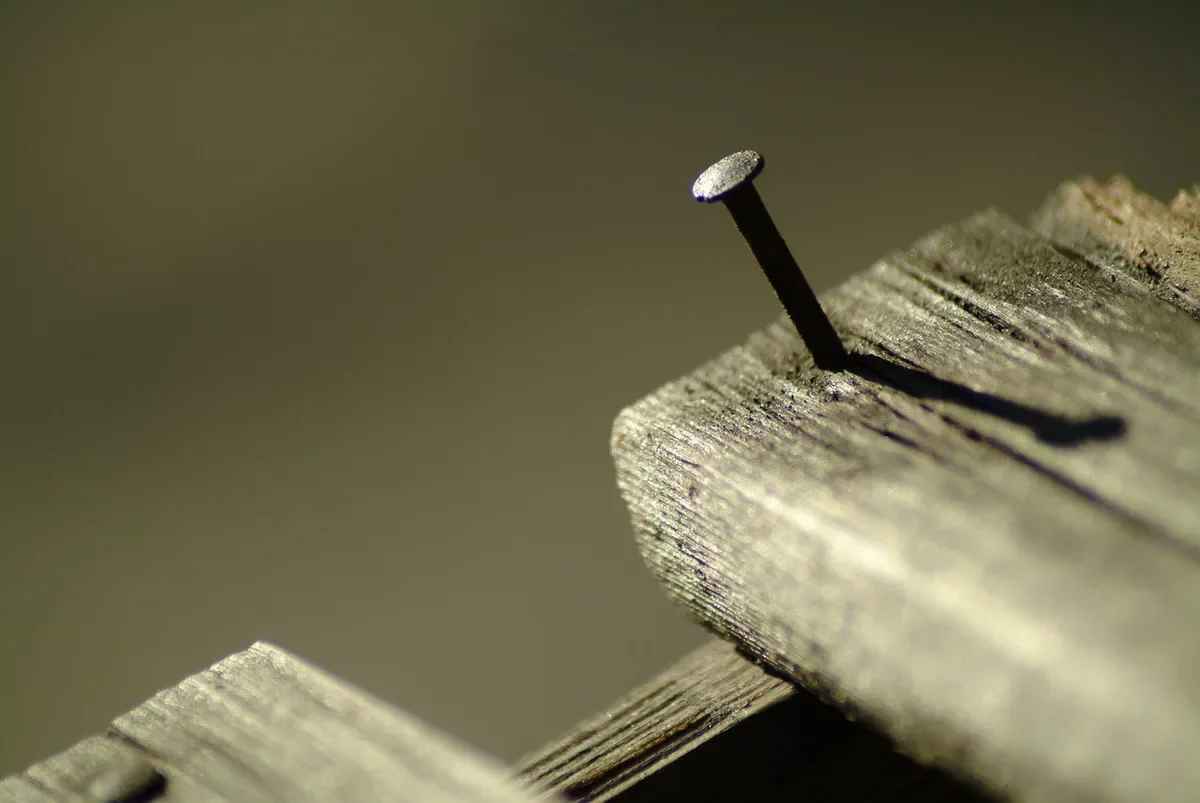
How to Cut a Nail in Wood: Best Tool by Nail Size
To cut a nail in wood, match the tool to the nail: end nippers for small finish nails and brads, a bolt cutter or fine-tooth hacksaw for common nails, and a bi-metal reciprocating or oscillating blade when the nail is buried or you cannot get a jaw around it. Wear safety glasses for every method, because cut steel and hot filings fly.
Most guides treat this as a one-tool job and tell you to grab pliers. That works on a 1-1/2 inch brad and fails on a 16d framing nail, which is about 0.162 inch thick and will simply bend and tear the wood around it. This guide sorts the job by nail size and by how much of the nail you can reach, so you pick the right tool on the first try. It also covers the two safety problems people skip: sparks landing in sawdust, and cutting steel that belongs in lumber you plan to run through a planer or saw.
Match the Tool to the Nail
Best Blades for Cutting Through Nails
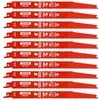 |
JINMG 9-Inch 8/14 TPI Bi-Metal Reciprocating Saw Blades (10-Pack), about $19 For nails too thick for nippers, a bi-metal blade in a reciprocating saw cuts the steel and the wood around it in one pass.
|
Start by looking at what you are cutting. The nail’s diameter and the space around it decide the tool more than personal preference does.
| Situation | Best tool | Why it works | Watch out for |
|---|---|---|---|
| Brad or finish nail, head or shank exposed | End nippers (carpenter’s pincers) | Chisel-style jaws bite through soft steel right at the wood surface | Small pieces launch when the nail severs, so cup your hand or a rag over it |
| Common nail (6d to 16d), shank exposed | Bolt cutter, or a fine-tooth hacksaw | Long handles multiply force; a hacksaw cuts slowly with almost no shock | Standard nippers can chip or roll their jaws on thick nails |
| Nail buried in a board or beam, no room for jaws | Reciprocating saw or oscillating multi-tool with a bi-metal blade | The blade cuts wood and steel together and can sit flat to the surface | Sparks and hot metal; check behind the surface for wires and pipes |
| Spike or hardened nail (masonry, some collated or ring-shank nails) | Bi-metal saw blade or an angle grinder cutoff wheel | Hardened steel chips jaws instead of cutting cleanly | A grinder throws heavy sparks; keep it away from sawdust and finish rags |
| Nail tip poking through the far side of a board | Nippers, then file and bend or clinch the tip | You only need to remove the sharp point, not the whole nail | Leave no exposed tip where hands or clothing will brush it |
Cut It or Pull It? Deciding Before You Start
Cutting is a repair shortcut, not a substitute for removal. It is the right call in a few specific cases:
- The nail is buried in a beam or joist you cannot pry against, and pulling would tear up a finished face.
- A rusted nail head snaps off when you pull, leaving a stub you can only cut or drill.
- The tip pokes through the back of a board and is a snag hazard, but the board stays in place.
- You are trimming a proud nail flush on a fence, deck, or frame that will not be milled again.
Pulling is better when the lumber will be reused. Reclaimed boards go back through a planer, jointer, or table saw, and steel left inside them will nick a planer knife or damage a saw blade in a single pass. A flush-cut stub is still buried steel. If that describes your board, follow our guide on how to remove nails from wood, or the walkthrough for buried nails, and only cut what you cannot pull. Rusted nails have their own tricks in our rusty nail guide.
Nail Size Reference: What Each One Really Takes
Nail sizes use the old penny system (the “d”), and the diameter jumps quickly. These are the standard dimensions for common nails, and they explain why a tool that handles a 6d nail struggles at 16d.
| Nail size | Length | Common nail diameter | Realistic cutting tool |
|---|---|---|---|
| 6d | 2 in | 0.113 in | End nippers |
| 8d | 2-1/2 in | 0.131 in | End nippers or hacksaw |
| 10d | 3 in | 0.148 in | Hacksaw or bolt cutter |
| 16d | 3-1/2 in | 0.162 in | Bolt cutter, hacksaw, or bi-metal blade |
| 20d | 4 in | 0.192 in | Bolt cutter or bi-metal blade |
| 40d | 5 in | 0.225 in | Bi-metal blade or hacksaw |
| 60d spike | 6 in | 0.263 in | Bi-metal blade or grinder |
Bolt cutters are the number that catches people out. A typical 14 inch bolt cutter is rated around 7/32 inch (0.219 in) for hard steel and 1/4 inch for soft steel, so a 40d nail is already at or past its limit on hardened stock and a 60d spike is beyond it. Read the rating listed for your tool rather than assuming, and step up to a saw blade when the nail is thicker than the cutter’s rating.
How to Cut a Protruding Nail Flush, Step by Step
- Put on safety glasses. ANSI Z87.1 rated glasses are the minimum. Add hearing protection if you are using a saw or grinder.
- Support the wood. Clamp the board or brace it so it cannot shift while you cut.
- Cover the cut point. Drape a rag over the nail or cup your hand around it. Nippers throw the severed end, and that piece can travel across a room.
- Set the tool low and flat. Angle nippers so the jaws lie against the surface. With a hacksaw, slip a thin flexible scraper or putty knife under the blade to protect the wood.
- Cut with steady pressure. Roll nippers slightly as you squeeze. Use long, light saw strokes and let the teeth do the work instead of forcing the blade.
- Finish the stub. File any burr, then either sink the stub below the surface with a nail set and fill the hole, or leave it flush if it will be painted or hidden.
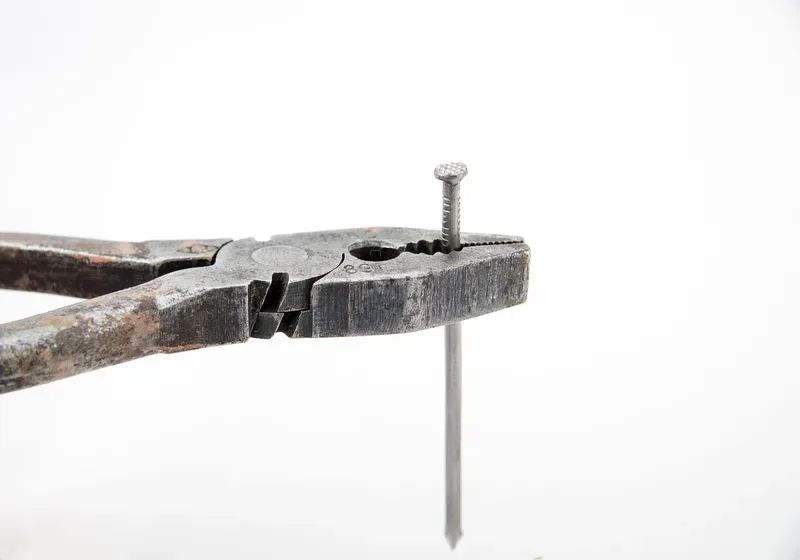
If the stub will be visible, a nail set and filler leave a cleaner surface than a flush cut alone. Our guides on filling nail holes and covering nails in wood cover the finishing step. On oak, cedar, and redwood, bare steel exposed by a cut can also react with the natural tannins in the wood and leave blue-black stains around the stub, so seal the spot once the nail is set.
When You Cannot Reach the Nail
Some nails sit in a corner, under a lip, or fully buried, and no jaw or hacksaw fits. Two tools solve most of these problems.
An oscillating multi-tool with a bi-metal blade lies almost flat against the surface, so it can sever a nail head-on and leave a flush cut with little damage to the surrounding wood. A reciprocating saw is faster on thicker boards and long nails, but the blade needs room to travel, and it will cut whatever is behind the nail. Before running either tool into a wall or a framed section, check the far side for electrical cable and plumbing, because a reciprocating saw does not stop at the drywall.
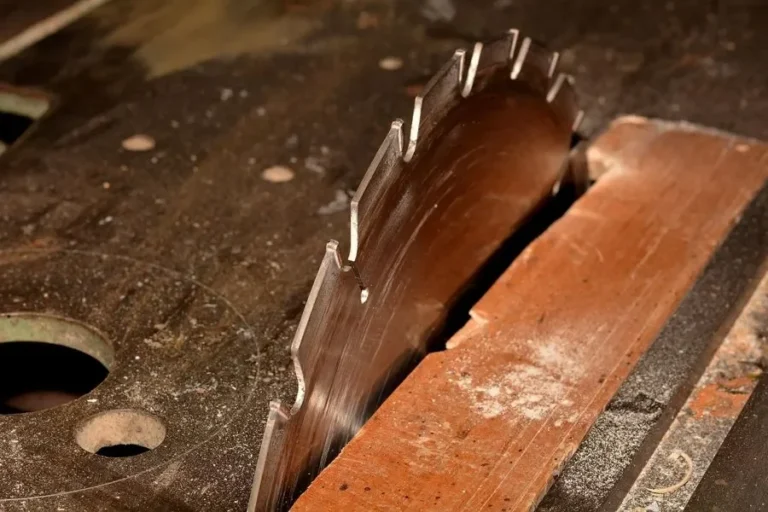
Both tools work through nails that would stop a wood-cutting blade in a few strokes. Ordinary wood-cutting teeth are not made for steel: one nail can strip several teeth, and the blade then cuts slowly and burns. Bi-metal blades are the standard choice when a nail may be hidden in the cut, and demolition blades with carbide tips are another option for rough work.
Safety: Sparks, Sawdust, and Flying Steel
Cutting a nail feels minor, and the injuries it causes usually come from skipping basic precautions.
- Eye protection every time. Severed nail ends and metal filings are the most common injury, and a rag over the cut does not replace glasses.
- Sparks and sawdust do not mix. A reciprocating saw, hacksaw, and especially an angle grinder throw hot metal. Fine, dry sawdust is combustible, so sweep or vacuum the area, and keep the sparks pointed away from dust piles.
- Keep finish rags away. Rags soaked with oil finishes can self-heat and ignite. Do not leave them near a grinding or cutting area.
- Do not cut nails under load. If a nail is holding a bowed or spring-loaded board, the cut can release the board suddenly. Clamp or brace the work first.
- Watch your hands with rotating tools. Skip loose gloves around a grinder or saw. Snug gloves are fine for nippers and hacksaws.
- File the burr. A cut nail leaves a sharp edge that cuts skin and catches on clothing.
Three Nail-Cutting Myths
| Myth | What actually happens |
|---|---|
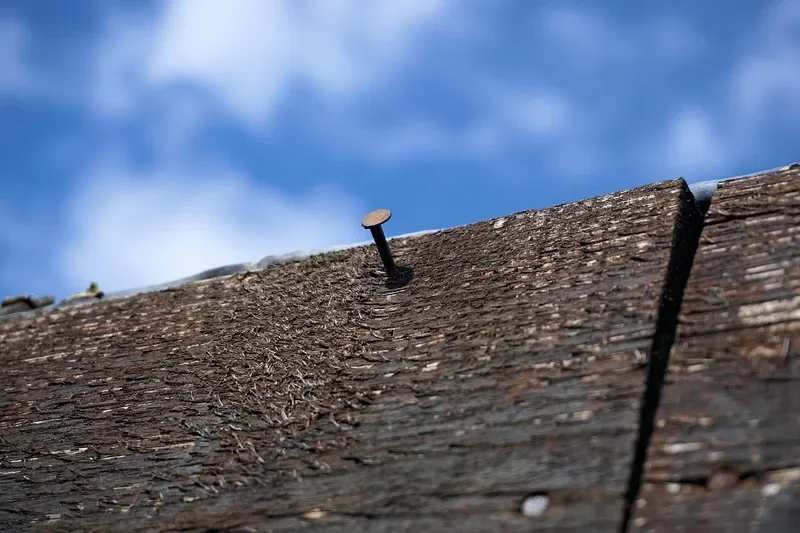
| Twist the nail back and forth with pliers until it snaps | That works on thin wire and some brads. On a common nail it bends the shank and tears out wood, so use cutting jaws or a saw. |
| Any saw blade will do | A wood-cutting blade loses teeth on steel. Use a bi-metal blade or a hacksaw with 18 to 24 teeth per inch. |
| Cutting the nail flush makes the board safe to mill | The steel is still in the wood. A planer knife or saw blade will hit it, so pull nails from reclaimed lumber first. |
Frequently Asked Questions
How Do You Cut a Nail in Wood?
Use end nippers for small nails and brads, a bolt cutter or fine-tooth hacksaw for larger common nails, and a bi-metal reciprocating or oscillating blade when the nail is buried. Wear safety glasses and cover the nail as you cut, because the severed end can fly.
What Is the Best Tool for Cutting a Nail Flush With the Wood?
For small nails, end nippers held flat against the surface. For thicker or hardened nails, an oscillating multi-tool or a reciprocating saw with a bi-metal blade cuts flush with little damage to the wood.
Can You Use a Saw to Cut Nails?
Yes, but only a saw with a bi-metal blade or a hacksaw. A regular wood-cutting blade loses teeth on steel and will burn and dull quickly.
Can You Cut a Nail With Bolt Cutters?
Yes, up to the tool’s rating. A typical 14 inch bolt cutter is rated around 7/32 inch for hard steel and 1/4 inch for soft steel, so it handles most common nails up to 20d or so and is not the right tool for a 60d spike.
Is It Safe to Cut Nails in Wood?
It is safe with basic precautions: safety glasses, a clamped workpiece, and a cover over the nail. Keep sparks away from sawdust and finish rags, and never cut a nail that is holding a board under tension.
Conclusion
Cutting a nail in wood is quick once the tool fits the nail. Nippers handle brads and finish nails, a bolt cutter or hacksaw handles common nails, and a bi-metal blade handles anything buried or thick. Decide first whether the nail should be cut or pulled, protect your eyes and keep sparks away from dust, and finish the stub with a file or nail set so it does not snag.
Sponsored / affiliate links. As an Amazon Associate I earn from qualifying purchases. I may earn additional commission from eligible campaigns.