How to Remove Cat Urine from Wood Furniture: Easy Cleanup Tips
To remove cat urine from wood furniture, mix equal parts water and white vinegar. Gently scrub the affected area.
Dealing with cat urine on wood furniture can be a challenging task. The strong odor and stubborn stains can be quite off-putting. However, by using simple household ingredients and following the right steps, you can effectively eliminate the odor and restore your furniture to its former glory.
In this blog post, we will discuss some easy and effective methods to remove cat urine from wood furniture. By the end of this article, you will have all the information you need to tackle this problem and keep your furniture looking and smelling fresh.
Introduction To Cat Urine Challenges
Struggling to remove cat urine from wood furniture? Discover effective solutions for this common challenge. Say goodbye to unpleasant odors and stains with these proven tips and tricks.
The Pungent Problem
Cat urine can be one of the most challenging odors to remove from wood furniture. Not only does it leave an unpleasant smell, but it can also leave behind stains and damage the wood if not treated promptly.
Why Wood Furniture Needs Special Care
Unlike other surfaces, wood furniture is porous, which means that cat urine can seep deep into the wood fibers, making it difficult to remove. Additionally, if the urine is left untreated for too long, it can cause the wood to swell, crack, or even warp.
Removing cat urine from wood furniture requires special care and attention, as certain cleaning methods can actually make the situation worse. In this article, we will provide you with step-by-step instructions on how to remove cat urine from wood furniture safely and effectively.
Steps To Remove Cat Urine From Wood Furniture
Follow these simple steps to remove cat urine from wood furniture:
- Act fast: The faster you act, the easier it will be to remove the urine. Blot up as much of the urine as possible with a clean cloth or paper towel.
- Mix a cleaning solution: Mix a solution of equal parts water and white vinegar. Alternatively, you can use a commercial pet urine cleaner specifically designed for wood furniture.
- Apply the solution: Dip a clean cloth into the cleaning solution and wring out the excess liquid. Gently rub the cloth onto the affected area, making sure to cover the entire stain.
- Rinse and dry: Use a clean, damp cloth to rinse the area thoroughly. Then, dry the furniture with a clean towel or allow it to air dry.
- Repeat if necessary: If the urine odor or stain persists, repeat the cleaning process until it is completely removed.
By following these steps, you can remove cat urine from wood furniture and eliminate the unpleasant odor. However, prevention is always the best solution. Consider training your cat to use a litter box and providing them with enough scratching posts to prevent them from scratching your furniture.
Identifying The Affected Area
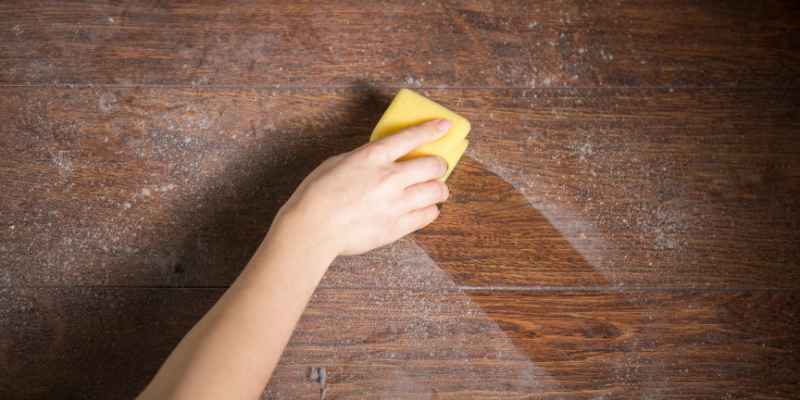
Identifying the affected area is the crucial first step in effectively removing cat urine from wood furniture. By visually inspecting the furniture and using UV light for detection, you can pinpoint the exact location of the urine stains and odor.
Visual Inspection
Start by examining the wood furniture visually. Look for any noticeable stains or discoloration on the surface. Check for any unusual odors that might indicate the presence of cat urine. If the affected area is not immediately visible, proceed with a more thorough inspection using UV light.
Using Uv Light For Detection
UV light can be a valuable tool for identifying cat urine stains that are not visible to the naked eye. In a darkened room, use a UV flashlight to illuminate the surface of the wood furniture. Cat urine stains will glow under the UV light, making it easier to locate the affected areas. Once you have identified the stains, you can proceed with the appropriate cleaning and odor removal methods.
Pre-cleanup Preparations
Before you begin the process of removing cat urine from your precious wood furniture, it’s important to gather the necessary supplies and take measures to protect unaffected surfaces. By following these pre-cleanup preparations, you can ensure a smoother and more effective cleaning process.
Gathering Necessary Supplies
Make sure you have the following supplies on hand before you start:
- A pair of rubber gloves
- Disposable paper towels or absorbent cloths
- White vinegar
- Baking soda
- Hydrogen peroxide
- Mild dish soap
- A spray bottle
- A soft-bristle brush or toothbrush
Having these supplies readily available will save you time and allow you to tackle the task efficiently.
Protecting Unaffected Surfaces
When dealing with cat urine on wood furniture, it’s essential to protect unaffected surfaces from any potential damage. Take the following steps to ensure the surrounding areas stay safe:
- Clear the immediate area around the affected furniture to create space for cleaning.
- Place a plastic drop cloth or old towels under the furniture to catch any liquid or cleaning solutions that may drip.
- If the furniture has any removable parts, such as cushions or fabric covers, carefully detach and set them aside.
- Consider covering nearby furniture or valuable items with plastic sheets or additional towels to prevent accidental spills or splatters.
By taking these precautions, you minimize the risk of spreading the urine or damaging other surfaces during the cleaning process.
Initial Cleaning Steps
To remove cat urine from wood furniture, start by blotting the affected area with paper towels to absorb as much liquid as possible. Then, mix equal parts white vinegar and water in a spray bottle and generously spray the urine stain.
Let it sit for a few minutes before wiping it away with a clean cloth. Repeat if necessary. Finally, sprinkle baking soda over the area and let it sit overnight to neutralize any remaining odor. Vacuum the baking soda the next day and enjoy your clean and fresh-smelling furniture.
Blotting Up Excess Urine
One of the initial steps in removing cat urine from wood furniture is to blot up any excess urine. This helps prevent the urine from seeping further into the wood and causing more damage. To do this, follow these steps:
- First, put on a pair of disposable gloves to protect your hands.
- Take a clean cloth or paper towel and gently press it onto the urine stain.
- Apply slight pressure and blot up as much urine as possible.
- Continue blotting until there is no more liquid coming up.
- Make sure not to rub the stain, as this can spread the urine and make it harder to remove.
Rinsing With Water
Once you have blotted up the excess urine, the next step is to rinse the affected area with water. This helps dilute the urine and remove any remaining residue. Follow these steps to properly rinse the wood furniture:
- Fill a bowl or bucket with clean water.
- Dampen a clean cloth or sponge with the water.
- Gently wipe the urine stain with the damp cloth or sponge.
- Make sure to cover the entire stain and surrounding area.
- Continue wiping until the area feels clean and free from urine odor.
- Take a dry cloth and pat the area to remove any excess moisture.
Remember, it’s important to act quickly when dealing with cat urine on wood furniture. The longer the urine sits, the more difficult it becomes to remove. By promptly blotting up the excess urine and rinsing with water, you can effectively tackle the initial cleaning steps and prepare the furniture for further treatment.
Natural Cleaning Solutions
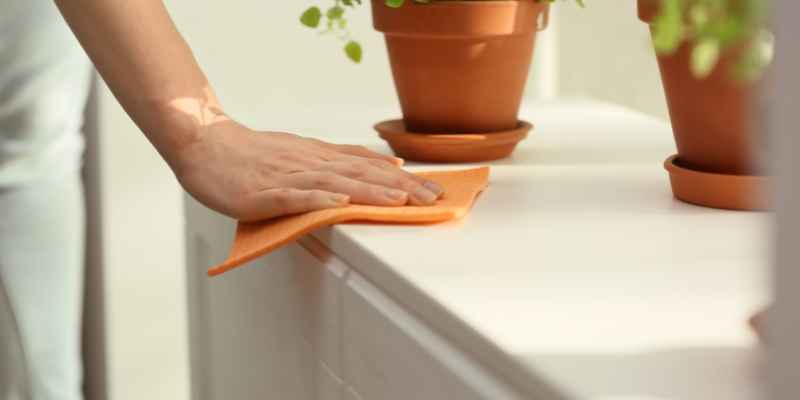
Natural cleaning solutions are a safe and effective way to remove cat urine from wood furniture. These methods are not only gentle on your furniture but also environmentally friendly. Here are some natural cleaning solutions that can help you tackle this problem.
Vinegar And Water Mixture
Create a solution by mixing equal parts of white vinegar and water. Apply the mixture to the affected area and let it sit for 5-10 minutes. Gently blot the area with a clean cloth to soak up the liquid. Finally, rinse the area with water and pat it dry with a clean cloth.
Baking Soda As An Odor Absorber
Sprinkle a generous amount of baking soda over the affected area and let it sit for several hours or overnight. Vacuum the baking soda to remove it along with the absorbed odors. Repeat the process if necessary to completely eliminate the odor.
Commercial Enzymatic Cleaners
When it comes to removing cat urine from wood furniture, Commercial Enzymatic Cleaners are highly effective.
How Enzymatic Cleaners Work
Enzymatic cleaners break down urine molecules for complete odor removal.
Application Tips For Best Results
- Apply the cleaner liberally on the affected area.
- Allow the cleaner to sit for the recommended time.
- Blot the area with a clean cloth to remove excess moisture.
- Repeat the process if needed for stubborn stains.
Sealing And Protecting Wood
Consider using a polyurethane sealant for effective protection.
Opt for an oil-based sealant for a natural look.
- Clean the wood surface thoroughly before applying the sealant.
- Use a brush to apply the sealant evenly in the direction of the wood grain.
- Allow the sealant to dry completely before reapplying for added protection.
Preventive Measures For The Future
When it comes to preventing cat urine stains on wood furniture, taking proactive steps is key. By implementing these preventive measures, you can ensure your furniture stays clean and odor-free.
Training Your Cat
- Teach cat to use litter box early.
- Place multiple litter boxes in home.
- Reward cat for good behavior.
Regular Cleaning Routines
- Clean litter box daily.
- Use enzyme-based cleaners for accidents.
- Vacuum furniture and floors frequently.
Dealing With Persistent Stains And Odors
Eliminating cat urine stains and odors from wood furniture can be a challenge. Discover effective techniques to remove these persistent marks and odors, ensuring your furniture remains fresh and clean.
When To Sand And Refinish
Removing persistent cat urine stains and odors from wood furniture can be challenging. When dealing with stubborn stains, consider sanding and refinishing the affected areas.
Seeking Professional Help
If DIY methods fail to eliminate cat urine stains and odors completely, it may be time to seek professional assistance. Professional cleaners have specialized tools and solutions to tackle tough stains effectively.
Frequently Asked Questions
How Can I Remove Cat Urine Smell From Wood Furniture?
To remove cat urine smell from wood furniture, mix equal parts of water and white vinegar, then gently scrub the affected area. Afterward, sprinkle baking soda over the spot and let it sit for a few hours before vacuuming it up.
Finally, wipe the area with a damp cloth.
What Is The Best Way To Neutralize Cat Urine Odor From Wood Furniture?
The best way to neutralize cat urine odor from wood furniture is to use an enzymatic cleaner specifically designed for pet urine. These cleaners contain enzymes that break down the urine molecules, effectively eliminating the odor. Follow the instructions on the cleaner for best results.
Can I Use Hydrogen Peroxide To Remove Cat Urine Stains From Wood Furniture?
Yes, you can use a solution of 3% hydrogen peroxide and a few drops of dish soap to remove cat urine stains from wood furniture. Test the solution on a small, hidden area first to ensure it doesn’t damage the wood.
After applying the solution, wipe the area clean with a damp cloth.
Is It Necessary To Sand And Refinish Wood Furniture After Removing Cat Urine Stains?
In some cases, sanding and refinishing wood furniture may be necessary after removing cat urine stains, especially if the stains have deeply penetrated the wood. However, for surface-level stains, thorough cleaning and odor elimination may be sufficient without the need for sanding and refinishing.
Conclusion
To conclude, removing cat urine from wood furniture can be a daunting task, but it’s not impossible. With the right tools and techniques, you can save your furniture from permanent damage. Remember to act fast, use appropriate cleaning solutions, and avoid harsh chemicals that can harm your furniture and your pets.
Regular cleaning and maintenance can also prevent future accidents and preserve the beauty of your wooden furniture.