Heartwood vs Sapwood: Differences, Rot Resistance & Real Data
Heartwood is the dense, non-living core of a tree; sapwood is the living outer ring that carries water. Heartwood resists rot only when the species makes protective extractives: white oak and cedar heartwood last outdoors, maple heartwood does not. This guide covers how to tell them apart, real moisture and durability numbers, and which to choose for outdoor and indoor work.
What Is Heartwood?
Best Moisture Meter Pick
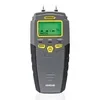 |
General Tools MMD4E Moisture Meter for Wood, Walls & Water Leak Detection, $39.98 Green softwood sapwood can hold several times more water than the heartwood beside it (see the moisture table below), so a pin meter tells you whether a board is dry enough to build with.
|
As an Amazon Associate we earn from qualifying purchases.
Heartwood is the central, non-living part of a tree trunk. As a tree grows, the innermost sapwood cells stop conducting water and, in many species, become infused with tannins, resins, oils, and other extractives. That change, called heartwood formation, usually produces wood that is darker and, in the right species, far more resistant to decay and insects.
Heartwood no longer carries water, so it serves purely as structural support, the tree’s skeleton. Woodworkers prize it for color and grain: black walnut and teak get their signature appearance from their heartwood.
What Is Sapwood?
Sapwood is the living outer layer of a tree, just beneath the bark. Its xylem cells conduct water and dissolved nutrients from the roots up to the leaves, and its ray cells store starches as energy reserves. How thick the band is depends heavily on species and age: some species carry only a thin ring, while maple, ash, and many pines carry a much wider one.
Because sapwood holds starches and sugars, fungi and wood-boring insects find it far easier to colonize. Its open structure also makes it easier to treat with preservatives and to stain, which is useful in some applications.
Formation Process
Heartwood forms gradually as the tree ages. The inner rings of sapwood stop conducting water, the cells die, and many species deposit extractives in them. In some species, tyloses (balloon-like outgrowths) also block the vessels, which makes the heartwood less permeable to liquids.
The ratio of heartwood to sapwood in a log varies widely. Some species are mostly heartwood, while hard maple lumber is commonly cut from the sapwood. Second-growth timber of some species, such as southern pines and baldcypress, contains a high percentage of sapwood, which is why less naturally durable wood reaches the market than old-growth lumber once offered.
Color And Appearance
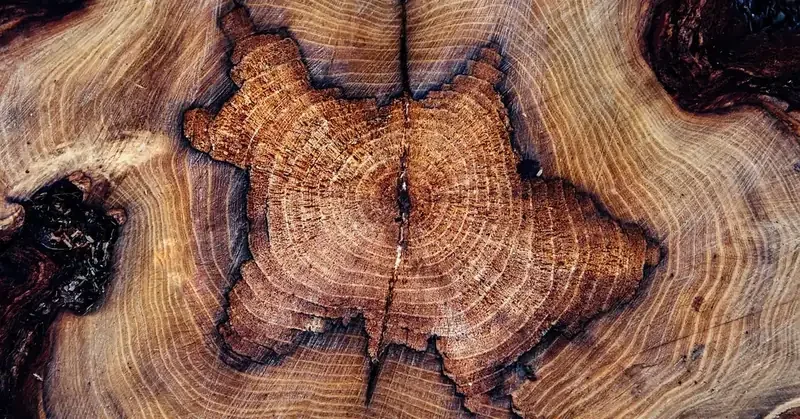
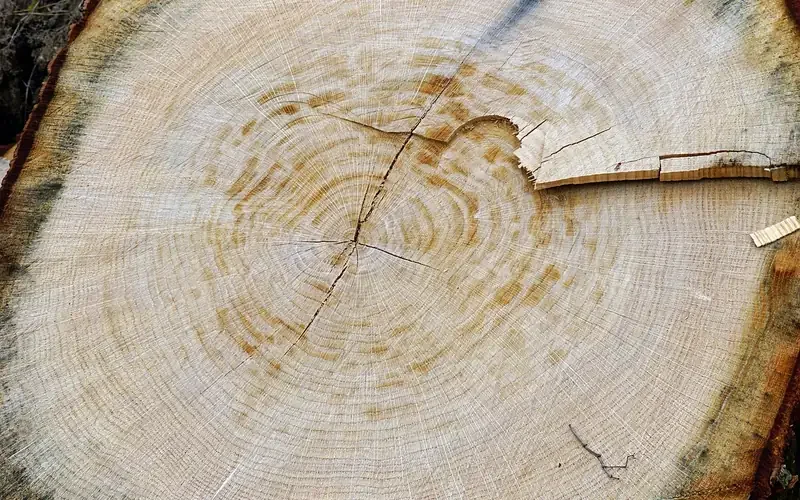
Color is the most useful visual clue in a freshly cut log or planed board. Heartwood is typically darker: rich browns, reds, and purples depending on species. Sapwood is usually cream, pale yellow, or light tan, and in some species is practically white.
Color alone is not foolproof. In hemlock, spruce, the true firs, basswood, cottonwood, and beech there is little or no color difference between the two. In black walnut the contrast is dramatic (dark chocolate heartwood against creamy sapwood), and in eastern red cedar pale sapwood often shows up as streaks running through the red heartwood.
How To Tell Heartwood From Sapwood In A Board
- Check the end grain first. A color band running around the outside of the board is sapwood; the darker zone toward the pith is heartwood.
- Look for sapwood streaks. On cedar boards, pale yellow stripes within the red wood are sapwood, and they are the first parts to weather and decay.
- Check the species. If there is no color change, as in beech or spruce, use the grade stamp or species ID instead. Our guide on how to identify wood types covers this.
- Do not rely on moisture alone. A meter helps with softwoods, where the wetness difference is large, but hardwoods can read almost the same in both zones.
Heartwood vs. Sapwood: Side-by-Side Comparison
| Property | Heartwood | Sapwood |
|---|---|---|
| Location in tree | Inner core | Outer ring beneath the bark |
| Living or non-living | Non-living | Living, conducts water |
| Color | Usually darker (brown, red, purple) | Usually lighter (cream, yellow, tan) |
| Green moisture (softwoods) | Much lower: 33 to 58% in the species tested below | Much higher: 110 to 249% |
| Green moisture (hardwoods) | Depends on species | Often similar, e.g. white ash 46% vs 44% |
| Natural decay resistance | Possible, only in species that make extractives | Low in nearly all species when untreated |
| Permeability to preservatives | Usually lower | Usually higher (accepts treatment better) |
| Stain and finish uptake | Usually more even | Can absorb more, so boards with both zones can blotch |
| Typical use | Outdoor furniture, decking, fine furniture, beams | Painted trim, boxes, treated lumber, maple flooring |
Structural Differences
At the cellular level, sapwood is built to move water while the tree is alive. Heartwood cells have stopped conducting and, in many species, are loaded with polyphenolic extractives, which is where the darker color and the decay resistance come from.
Those same extractives lower permeability, so preservatives penetrate heartwood less easily. If you are choosing between natural and treated material outdoors, our comparison of cedar vs pressure-treated lumber shows how that plays out in practice.
Function And Role
Sapwood is the working tissue of the tree. It conducts water through the xylem and stores energy as starch in its ray cells. A tree cannot survive without healthy sapwood.
Heartwood is mechanical. It provides rigidity so the trunk can stand upright. A tree can survive with its heartwood rotted out, which is why old hollow trees can still be alive.
Is Heartwood Stronger Than Sapwood?
Not in any big way. This is the myth most competing guides repeat: heartwood is more durable in some species, not inherently stronger. Because all heartwood was once sapwood, the two zones of the same species are generally close in weight and strength when dried to the same moisture content. What changes your project is density between species, grain, and defects, not which zone a board came from.
Durability And Resistance
“Untreated sapwood of substantially all species has low resistance to decay and usually has a short service life under decay-producing conditions.”
Heartwood decay resistance depends on the species, not on being heartwood. The table below uses Wood Database ratings to show how different the same zone can be across species.
| Species | Heartwood durability (Wood Database) | Sapwood notes | Janka hardness |
|---|---|---|---|
| White oak | Very durable | Paler; not always sharply distinguished from heartwood | 1,350 lbf |
| Eastern red cedar | Excellent decay and insect resistance; used for ground-contact fence posts | Pale yellow, often as streaks; less durable than heartwood | 900 lbf |
| Teak | Very durable; long considered the gold standard for decay resistance | No specific sapwood note on the page | 1,070 lbf |
| Black locust | Very durable; common for fence posts | Molds quickly outdoors and decays away | 1,700 lbf |
| Hard maple | Non-durable to perishable, prone to insect attack | Nearly white; the part of the log most commonly used | 1,450 lbf |
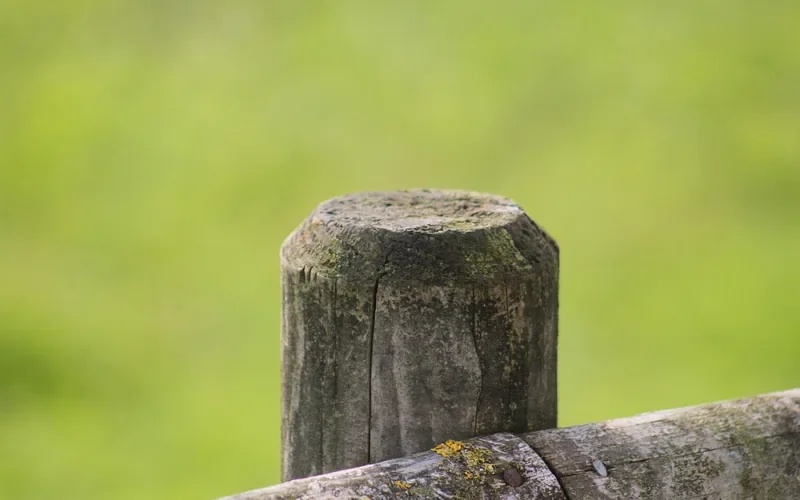
The practical lesson: a maple board made entirely of heartwood is still not an outdoor wood, while a cedar or white oak board with a little sapwood is only weak where the sapwood sits. That is also why aromatic cedar posts are best set with the red heartwood in the ground and the pale sapwood kept out of soil contact. If you already see wood rot on a structure, it often starts in the sapwood portion of the lumber.
Moisture: Where The Gap Is Real
The one measurable difference that really is dramatic is green moisture content in softwoods. According to the USDA Forest Products Laboratory, in softwoods the sapwood is usually wetter than the heartwood, while in hardwoods the difference depends on the species. These are averages for green wood, as a percentage of oven-dry weight:
| Species | Heartwood | Sapwood | Sapwood vs heartwood |
|---|---|---|---|
| Western redcedar | 58% | 249% | about 4.3x wetter |
| Ponderosa pine | 40% | 148% | about 3.7x wetter |
| Douglas-fir (coast) | 37% | 115% | about 3.1x wetter |
| Loblolly pine | 33% | 110% | about 3.3x wetter |
| White oak | 64% | 78% | about 1.2x wetter |
| Sugar maple | 65% | 72% | about 1.1x wetter |
| White ash | 46% | 44% | no real difference |
| Black walnut | 90% | 73% | heartwood is wetter |
Mixed softwood boards dry unevenly. Green softwood sapwood can carry about 3 to 4 times the water of the heartwood beside it, which is why a board with both zones can warp or check as it dries. Source: USDA Forest Products Laboratory, Wood Handbook ch. 3, Table 3-3
Uses In Woodworking
Heartwood is the woodworker’s choice when color and, in the right species, durability matter:
- Outdoor furniture and decking from a decay-resistant species such as white oak, cedar, teak or black locust. See our guide on what wood to use for outdoor furniture.
- Fine furniture and cabinetry where deep color is the point, such as walnut or cherry heartwood
- Structural beams and posts chosen by species and grade rather than by zone
- Turned bowls and decorative work where the heartwood and sapwood contrast is a feature
Sapwood is fine, and sometimes better, for these jobs:
- Hard maple flooring and furniture, where the pale sapwood is preferred
- Indoor painted or primed trim, where color does not matter and cost does
- Pressure-treated lumber, where open cells take in preservative well
- Boxes, crates, and practice projects
Does Heartwood or Sapwood Stain Differently?
Often, yes. Sapwood is more permeable, so it can take up stains, dyes, and finishes more readily, and a board that contains both zones can blotch, with the sapwood looking darker and more saturated. This is most noticeable on wide planks cut near the outside of the log.
A pre-stain conditioner or a gel stain slows penetration and evens things out. You can also embrace the contrast as a design feature or use an opaque finish. After staining, seal the wood to lock in color, and see our wood care guide for upkeep.
Environmental Impact
Heartwood is not a separate crop: it is made from sapwood as the tree ages, so slow-grown, mature trees yield proportionally more of it. Fast-grown plantation timber tends to contain more sapwood. If sustainability matters, choose FSC-certified lumber, which covers responsible harvesting whichever zone you are buying.
Frequently Asked Questions
What Is Heartwood In A Tree?
Heartwood is the central, non-living wood of a tree trunk. It forms when the innermost sapwood cells stop conducting water and, in many species, fill with extractives such as tannins and resins. It supports the tree mechanically and is usually darker than sapwood.
What Is Sapwood In A Tree?
Sapwood is the living outer layer of the trunk, between the bark and the heartwood. Its cells conduct water from the roots to the leaves and store energy. It is usually lighter in color, and untreated sapwood of nearly every species has low resistance to decay.
How Does Heartwood Differ From Sapwood?
Sapwood is the living, water-carrying outer ring, usually paler; heartwood is the non-living inner core, usually darker. In softwoods, green sapwood is much wetter than heartwood. In hardwoods the moisture difference depends on the species. Only heartwood can carry natural decay resistance, and only in species that make protective extractives.
Why Is Heartwood More Durable?
In some species, heartwood is more durable because it contains extractives, such as tannins and resins, that fungi and insects tolerate poorly. Species matters: white oak, eastern red cedar, teak and black locust heartwood are rated durable, while hard maple heartwood is rated non-durable to perishable, so heartwood alone guarantees nothing.
Is Sapwood Good For Furniture?
Yes, for indoor furniture. Sapwood is a normal part of many boards and takes finishes well. Hard maple is the standout example: its nearly white sapwood is the part most commonly sold, so it is preferred over the darker heartwood. Avoid untreated sapwood for outdoor furniture, where decay is the main risk.
Can You Tell Heartwood From Sapwood By Looking At It?
Usually. Look at the end grain: a darker inner zone is heartwood, a paler outer band is sapwood. The difference is obvious in black walnut and eastern red cedar but faint in species such as hemlock, spruce, basswood and beech, where there is little or no color difference.
Which Is Better For Outdoor Projects, Heartwood Or Sapwood?
Heartwood of a decay-resistant species, such as white oak, cedar, teak or black locust. Sapwood of any species should be treated or kept dry. Heartwood of a species without natural resistance, such as maple, also needs a finish or preservative outdoors.
Conclusion
Heartwood and sapwood are two zones of the same wood, one non-living and often darker, one living and usually paler. Heartwood earns its reputation only in species that make protective extractives: pick white oak, cedar, teak, or black locust heartwood for the outdoors, and treat or finish everything else. Sapwood is a fine, even preferred, choice for maple and for painted indoor work. Check the end grain, know the species, and plan your finish accordingly.
Sponsored / affiliate links. As an Amazon Associate I earn from qualifying purchases. I may earn additional commission from eligible campaigns.