How to Attach Magnets to Wood: Simple & Strong Solutions
The strongest way to attach magnets to wood is epoxy in a drilled recess sized to the magnet’s diameter and depth — surface-mounted super glue holds light loads but peels off under any sideways pull, while an embedded, epoxied magnet resists both pull-off and shear force.
The mistake most people make is gluing a magnet flat onto the surface instead of recessing it — a flush or recessed magnet spreads load across the whole epoxy joint, while a surface-glued one concentrates all the stress on a thin glue line that eventually lets go.
Below, we cover how to size the recess, which adhesive to use for which magnet grade (neodymium vs. ceramic), and how to avoid weakening the wood around the hole.
Introduction To Magnet-wood Attachment
Combining wood and magnets creates unique and functional projects. This pairing offers a range of creative possibilities.
Magnets can hold items securely on wooden surfaces. This makes them perfect for organizers and storage solutions. Using magnets can help keep spaces tidy and efficient.
Many crafts and DIY projects benefit from this combination. For example, you can create magnetic frames or hidden closures in furniture. These projects enhance both functionality and design.
| Application | Benefit |
|---|---|
| Magnetic organizers | Space-saving and easy access |
| Magnetic closures | Sleek design and secure fastening |
| Magnetic frames | Easy photo changes and displays |
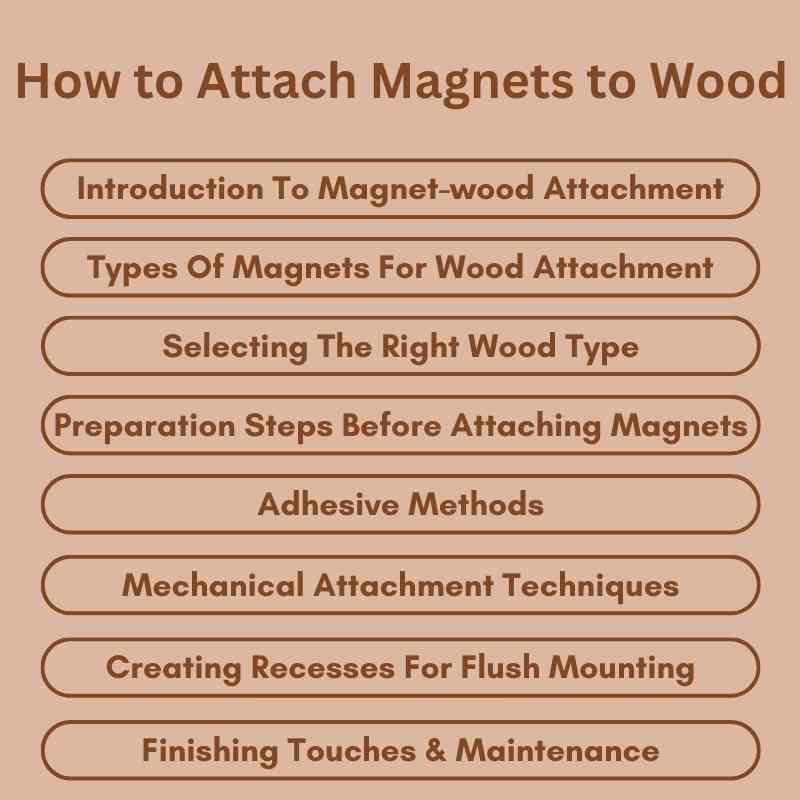
Types Of Magnets For Wood Attachment
Neodymium magnets are a popular choice for attaching to wood. They are very strong and durable. These magnets can hold heavy objects easily. They work well in many projects, from crafts to home repairs.
Ceramic magnets are a more affordable option. They are not as strong as neodymium magnets. However, they are still useful for lighter items. Many people choose ceramic magnets for simple projects.
How Far Can A Magnet Pull Through Wood?
Every extra millimeter of wood between two magnets (or a magnet and a steel plate) cuts the pull strength sharply — a magnet that grips confidently through 2mm of wood can feel weak through 10mm. In practical terms, a pair of small neodymium magnets (around 20mm across) can still attract each other through roughly 3/4 inch (about 20mm) of wood, and larger, higher-grade magnets (look for N42 or N52 on the packaging) can pull through even more. Wood species barely matters here — oak and pine both just act as a spacer, so thickness and magnet grade are what actually determine whether a design will work, not whether the wood is a hardwood or softwood.
Selecting The Right Wood Type
Selecting the right wood type is important for magnet attachment. Hardwoods are denser and more durable than softwoods. This makes them better for holding magnets securely. Softwoods can be easier to work with but may not hold magnets as well.
Wood thickness also affects magnetic strength. Thicker wood can provide better support for magnets. Thin wood might weaken the magnetic pull. Always consider both the type of wood and its thickness for the best results.
Making An Entire Wood Surface Magnetic
Attaching one magnet to wood is different from making a whole board, door, or wall magnetic so that other magnets stick to it — and this is the part most guides skip. Wood itself is never magnetic, no matter how strong a magnet you attach to it, so if the goal is a magnetic board, wall, or door, you need to add a ferrous (iron-containing) material to the wood, not just a magnet.
Option 1: A Thin Steel Sheet Behind The Wood
This is the most reliable method. Use a thin cold-rolled or galvanized steel sheet, typically 20–22 gauge (about 0.03–0.04 inches thick), cut to size and glued or screwed to the back of a thin wood panel or directly onto a door or wall surface. Because the wood layer stays thin, magnets on the front still have enough steel close by to hold firmly.
Option 2: Magnetic Primer Or Paint
Iron-filled magnetic paint is easier to apply than a steel sheet but noticeably weaker — it can typically only hold light items like paper or thin photos, not tools or heavy decor. Multiple coats improve holding power somewhat, but it won’t match a steel sheet or embedded magnets for serious use.
Option 3: Embedding A Grid Of Magnets
For a knife strip, tool board, or small magnetic panel, embedding a row or grid of strong neodymium magnets flush into the wood (see the flush-mounting section below) gives you fixed magnetic points without needing a full steel backing — useful when you only need magnets at specific spots rather than anywhere on the surface.
Preparation Steps Before Attaching Magnets
Start by cleaning the wood surface. Use a damp cloth to remove dust and dirt. Make sure the area is dry before proceeding. This helps the magnets stick better.
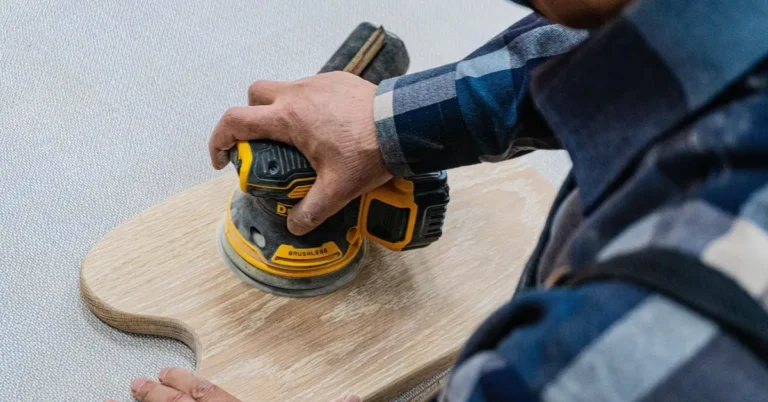
Next, smooth the wood. Sand the area lightly to create a flat surface. This ensures a good fit for the magnets.
For measuring, use a ruler or measuring tape. Measure the spots where the magnets will go. Mark these points clearly with a pencil. This ensures the magnets are placed accurately.
Double-check your measurements. Accuracy is key for a successful attachment. Take your time to avoid mistakes.
Adhesive Methods
Choosing the right adhesive is important for attaching magnets to wood. Super glue works well for small projects. It dries quickly and creates a strong bond.
For larger magnets, consider using epoxy. This adhesive is very strong and durable. It can hold heavy items securely.
Hot glue is another option. It is easy to use and dries fast. However, it may not hold as well over time.
Before applying any adhesive, ensure the wood surface is clean. This helps the adhesive stick better. Apply a small amount of adhesive to the magnet. Press it firmly onto the wood.
Allow the adhesive to cure fully. Follow the instructions on the packaging for best results.

CMS Magnetics 1-Inch Neodymium Cube Magnet
Best for: knife holders, tool boards, and any project needing real holding strength.
Why we picked it: rare-earth neodymium pull is strong enough to work through 3/4” of wood, unlike ceramic magnets.
Main drawback: strong enough to pinch fingers or damage electronics if handled carelessly.
| Product | Best For | Type | |
|---|---|---|---|
| Beadsmith Ceramic Disc Magnets, 1/2″ (10-pack) | Light craft projects, magnetic frames, budget option | Ceramic magnets | View |
| E6000 Plus Multi-Purpose Craft Adhesive | Permanently bonding magnets to wood, waterproof | Adhesive | View |
| Magnetic Touch Push-Open Latch (2-pack) | Cabinet door closures, no visible hardware | Cabinet hardware | View |
As an Amazon Associate, we earn from qualifying purchases.
Mechanical Attachment Techniques
Screwing magnets into wood is a strong method for attachment. Use a drill to make a hole that fits the magnet. Choose screws that match the size of the magnet. Secure the magnet tightly for the best hold.
Using magnet cups offers extra strength. These cups hold the magnet securely in place. They also help in easy installation. Place the cup on the wood, then insert the magnet. Finally, screw it down to ensure a firm grip.
Magnetic Cabinet Door Closures
A cabinet touch-latch or push-catch is a small disc magnet paired with a metal strike plate — one half mounts inside the cabinet frame, the other on the door itself, so the door snaps shut and stays closed without a visible latch. Mount the cabinet-side magnet first, close the door to mark exactly where it touches, then attach the matching strike plate to the door at that exact point — a closure that’s even 2–3mm off-center from the strike plate loses much of its holding force.
Creating Recesses For Flush Mounting
To create recesses for flush mounting, use a drill. Start with a pilot hole to guide the larger bit. Choose a bit that matches the size of your magnets. Drill slowly to avoid mistakes and damage.
For securing magnets in the recess, apply a strong adhesive. Ensure the magnet fits snugly in the hole. Press down firmly to set it in place. Allow the adhesive to dry completely before using.
Check the alignment of the magnets before drilling. Proper alignment ensures a strong hold. Use a level to verify the position. This helps avoid any tilting or gaps.
Finishing Touches & Maintenance
Sealing wood is important for durability. Use a good quality sealant. This helps protect against moisture and damage. Apply at least two coats for best results. Let the first coat dry completely before adding another.
Maintaining magnetic attachments is easy. Check the magnets regularly for strength. If they start to weaken, replace them. Clean the wood and magnets to remove any dust or debris. This keeps the connection strong and effective. Store magnetic items properly to avoid damage.
Safety Considerations And Best Practices
Using strong magnets can be fun, but safety is very important. Always wear protective gear, like gloves and goggles. This protects against unexpected injuries.
Keep magnets away from electronic devices. Strong magnets can damage them easily. Store magnets in a safe place, out of reach of children.
Common mistakes include not measuring correctly. Always check the size of the magnet and the wood. Avoid using too much glue, as it can make a mess.
Ensure the surface of the wood is clean. Dust and dirt can affect the bond between the magnet and wood.
Test the strength of the bond before using the item. This ensures everything is secure and safe.
Innovative Projects Combining Wood And Magnets
Creating a DIY magnetic knife holder is simple and fun. Start with a sturdy wooden board. Measure and mark where the knives will go. Attach strong magnets securely to the wood. This keeps knives safe and easily accessible.
Magnetic wooden photo frames are another exciting project. Choose a favorite piece of wood. Cut it to the desired size for your photos. Attach small magnets to the back of the frame. This allows you to change photos easily.
| Project | Materials Needed | Steps |
|---|---|---|
| Magnetic Knife Holder | Wood, strong magnets, screws | Cut wood, attach magnets, mount on wall |
| Magnetic Photo Frame | Wood, magnets, photo | Cut wood, attach magnets, insert photo |
Frequently Asked Questions
How Do You Attach Magnets To Wood?
To attach magnets to wood, start by selecting the right adhesive. Super glue or epoxy works well for this purpose. Clean the surface of the wood to ensure better adhesion. Apply the adhesive to the magnet, press it firmly onto the wood, and let it cure as per the adhesive instructions.
What Type Of Magnets Work Best On Wood?
Neodymium magnets are among the strongest and best for wood applications. They offer excellent holding power while being compact. For lighter applications, ceramic magnets can also be used. Always consider the weight and purpose of the project when selecting the type of magnet.
Can You Drill Holes For Magnets In Wood?
Yes, drilling holes for magnets in wood is a common method. Use a drill bit that matches the size of the magnets. This allows for a snug fit, enhancing the magnet’s effectiveness. Ensure to sand the edges of the hole to avoid splintering.
Is It Easy To Remove Magnets From Wood?
Removing magnets from wood can be straightforward but may depend on the adhesive used. If super glue was applied, it can be tricky. You might need to use a heat gun to soften the glue before prying off the magnet carefully.
Always proceed with caution to avoid damaging the wood.
Can You Make A Wood Door Or Wall Magnetic?
Not on its own — wood itself is never magnetic no matter how it’s finished. To make a door, wall, or board magnetic, attach a thin steel sheet behind or underneath it, or embed a grid of magnets at fixed points. Magnetic paint works for light items only, like paper or thin photos.
How Thick Can Wood Be Before A Magnet Won’t Work Through It?
Small neodymium magnets can typically still pull through about 3/4 inch (roughly 20mm) of wood, and larger, higher-grade magnets (N42 or N52) can manage more. Pull strength drops sharply with each extra millimeter of thickness, and wood species has little effect since the wood is only acting as a spacer.
Conclusion
Attaching magnets to wood can enhance your projects and organization. With the right materials and techniques, it’s a simple process. Whether for crafts, storage solutions, or DIY projects, the possibilities are endless. Start experimenting today and unlock the potential of magnets in your woodworking endeavors.
Happy crafting!
Sponsored / affiliate links. As an Amazon Associate I earn from qualifying purchases. I may earn additional commission from eligible campaigns.